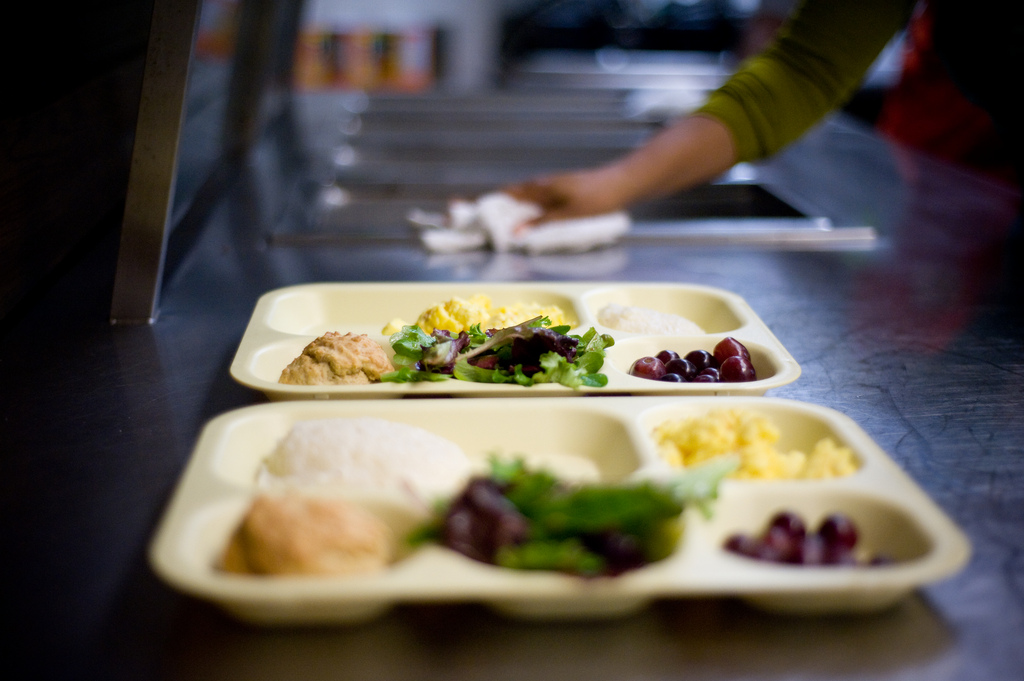
Central Union Mission, which runs a shelter in D.C. for men experiencing homelessness, serves about 500 Thanksgiving meals each year. But in the past, they’ve had just as many volunteers as people eating, and that can make things a little tricky.
“We try to fulfill those requests and create all kinds of duties,” says Rev. Deborah Chambers, who manages community engagement at the mission. “But then that means we have to bring more staff in and they can’t enjoy the holiday because we’re trying to help these people that want to volunteer this one day of the year.”
The shelter has limited the number of volunteers this Thanksgiving to around 150 people split between four shifts.
About a quarter of Americans volunteer at least once each year, and Thanksgiving is one of the most popular days to do that. It’s so popular, in fact, that many Washington region organizations offering opportunities on the holiday have had to turn volunteers away, because there’s just too much interest.
So Others Might Eat, or SOME, is a D.C. organization that works with people experiencing homelessness and poverty. Their Thanksgiving volunteer capacity maxed out very early this year, according to a spokesperson for the organization.
The holiday’s slots are also full at Food & Friends , which delivers meals and groceries to people with HIV/AIDs, cancer and other serious illnesses. The organization says Thanksgiving volunteer shifts filled up early last week, and it is now encouraging people to sign up for Christmas and New Years.
Even the Feast of Sharing, an annual Thanksgiving feast sponsored by Safeway and held at the Walter E. Washington Convention Center, no longer needs volunteers this year, as of about a week ago. That event can accommodate more than 1,000 volunteers, according to Beth Goldberg, a senior manager for community and public affairs at Safeway.
Too many volunteers over the holidays is a perennial problem, says Jess Towers, the volunteer engagement specialist at the nonprofit DC Central Kitchen, which prepares low-cost meals and also trains people for jobs in the culinary industry.
“It’s frustrating for us. We’re just overrun with people,” says Towers. “I go through this every year and I would like people to understand that hunger doesn’t have a holiday.”
The DC Central Kitchen has volunteer shifts daily, but people most often want to work Thanksgiving, Christmas and — increasingly — Martin Luther King Jr. Day. This year, they’ve been full for Thanksgiving for at least two-and-a-half months, Towers estimates, and she has already received calls about next year.
“I think people are really well intentioned, but people tend to think more about what purpose they want to serve, rather than what is best for the organization that they’re wanting to help out,” Towers says.
Having too many volunteers, she says, can actually make an organization less efficient.
“With so many volunteers coming in droves over the holidays, it kind of can get to the point where it’s not really useful for the organization or the people that we’re serving because we tend to start creating busywork tasks, stuff that doesn’t necessarily need to be done but we want to keep people engaged,” Towers says.
The DC Central Kitchen may be full on Thanksgiving and Christmas, but Towers says she has dozens of spots open on other days and always suggests those alternatives to people who call asking about the holidays. That’s in line with what other organizations experience: People nationwide don’t search for volunteer opportunities as often in the summer and in late winter, according to VolunteerMatch, an online network of volunteer opportunities. There are other factors that affect engagement as well. March gets a bump from school spring breaks, for instance, and April by being National Volunteer Month.
Some of the influx of volunteering at the holidays is about more than just convenience. Parents might want to incorporate volunteerism into their children’s lives and use it as a family bonding experience. Other people may choose to give back on holidays because they can’t otherwise get time off work or can’t make time in general.
Organizations can try to accommodate the masses in other ways, says Shanelle Patterson, assistant director of volunteer engagement at Martha’s Table, a D.C. food access and education nonprofit. Most of the organization’s holiday slots get filled up in October. She says offering alternatives to latecomers helps make sure they don’t give up entirely on the altruistic effort.
“Even if you can’t actually come onsite and volunteer, you can actually gather some of your family members and friends to have a food prep party,” Patterson says, explaining that groups can get together outside of organized volunteer activities to gather canned goods or clothing items, or even make sandwiches to donate later on.
“We have a lot of people that want to give back at this time,” she adds. “It’s a good problem to have.”
But, she stresses, it’s also important to look beyond the twinkling lights and generous spirit of the holidays, and into the new year.
This story originally appeared on WAMU.