Jacob Fenston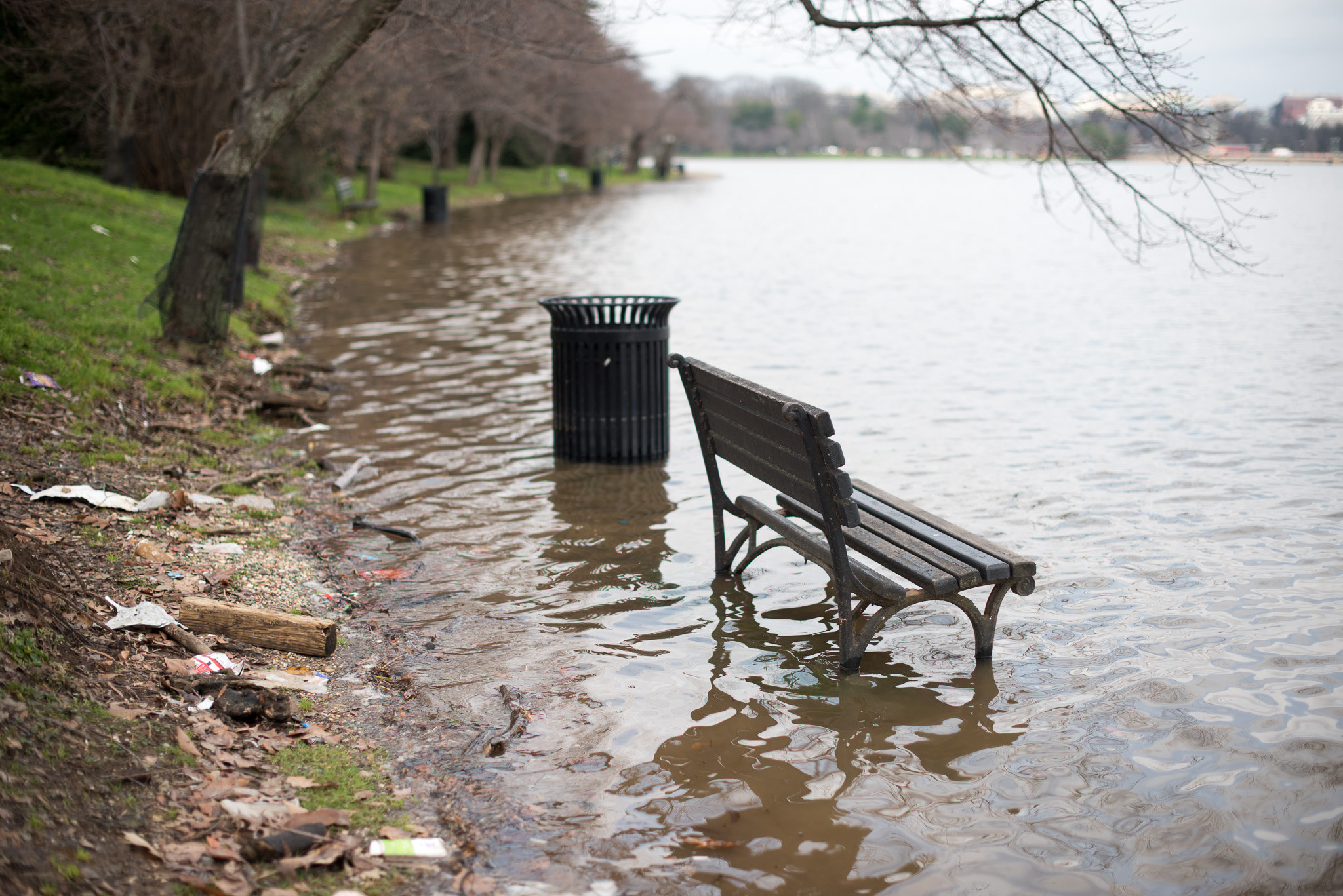
Urgent climate change warnings are piling up: just last week, the federal government released its latest, most alarming National Climate Assessment.
“I don’t believe it,” was the reaction from the 1600 Pennsylvania Avenue. A few blocks away, members of the D.C. Council were more inclined to accept science: they voted unanimously to give initial approval to a bill that would be among the most ambitious in the nation tackling global warming.
“We have all seen the beginnings of the catastrophic impacts of climate change,” said Ward 3 Councilmember Mary Cheh, who introduced the bill. Recent national and international climate reports have made more clear the importance of taking action, she said before the vote.
Under the legislation, all energy sold in the city would come from renewable sources within the next 15 years. That would be one of the fastest transitions to clean energy in the country. Climate change will likely bring big changes to the D.C. region, unless the world stops emitting carbon fast. In D.C., we can expect scorching summers, with as many as seven times as many dangerously hot days by 2080, and more severe rain and flooding. Today’s 100-year storm will happen every 15 years, according to the District Department of Energy and Environment.
Environmentalists cheered the Council’s unanimous vote. “It’s going to happen!” said Denise Robbins, with the Chesapeake Climate Action Network. “We’re going to have 100 percent renewable electricity, we’re going to lead the rest of the nation, and we’re going to do it two blocks from Trump’s house, from the White House.”
The bill was the result of many months of compromise. Initially, activists proposed a tax on carbon emissions—an approach many economists say would be the fastest and most efficient way to slow climate change. Utility companies and business groups didn’t like the idea, arguing it would be too expensive. When legislation was finally introduced in July, it wasn’t a carbon tax, but rather a collection of measures that together would nearly cut emissions in half in the city by 2032 and put D.C. on the path to eliminate carbon emissions entirely by 2050.
In recent weeks, further changes were made, following two committee hearings. Ward 5 Councilmember Kenyan McDuffie says one of the most contentious provisions was a requirement that Pepco enter into long-term contracts when purchasing renewable energy.
“There were concerns about how they would impact rates for ratepayers,” McDuffie says of the contracts, which would have cut emissions by helping create new sources of local renewables. That provision was removed when the economic development committee, which McDuffie chairs, marked up the bill earlier this month.
“What I really do appreciate is the collaboration that has taken place,” said Donna Cooper, Pepco region president. “The bill is still a very strong bill, with very progressive targets around reducing greenhouse gas emission.”
Elizabeth Brandt, a climate activist with the group Mom’s Clean Air Force, was sitting in the audience watching the vote.
“We’re so excited. I just can’t even tell you,” she said. “When I was pregnant with my first daughter five years ago, I had this moment where I realized that climate change was the biggest existential threat that I could work on to make her life better.”
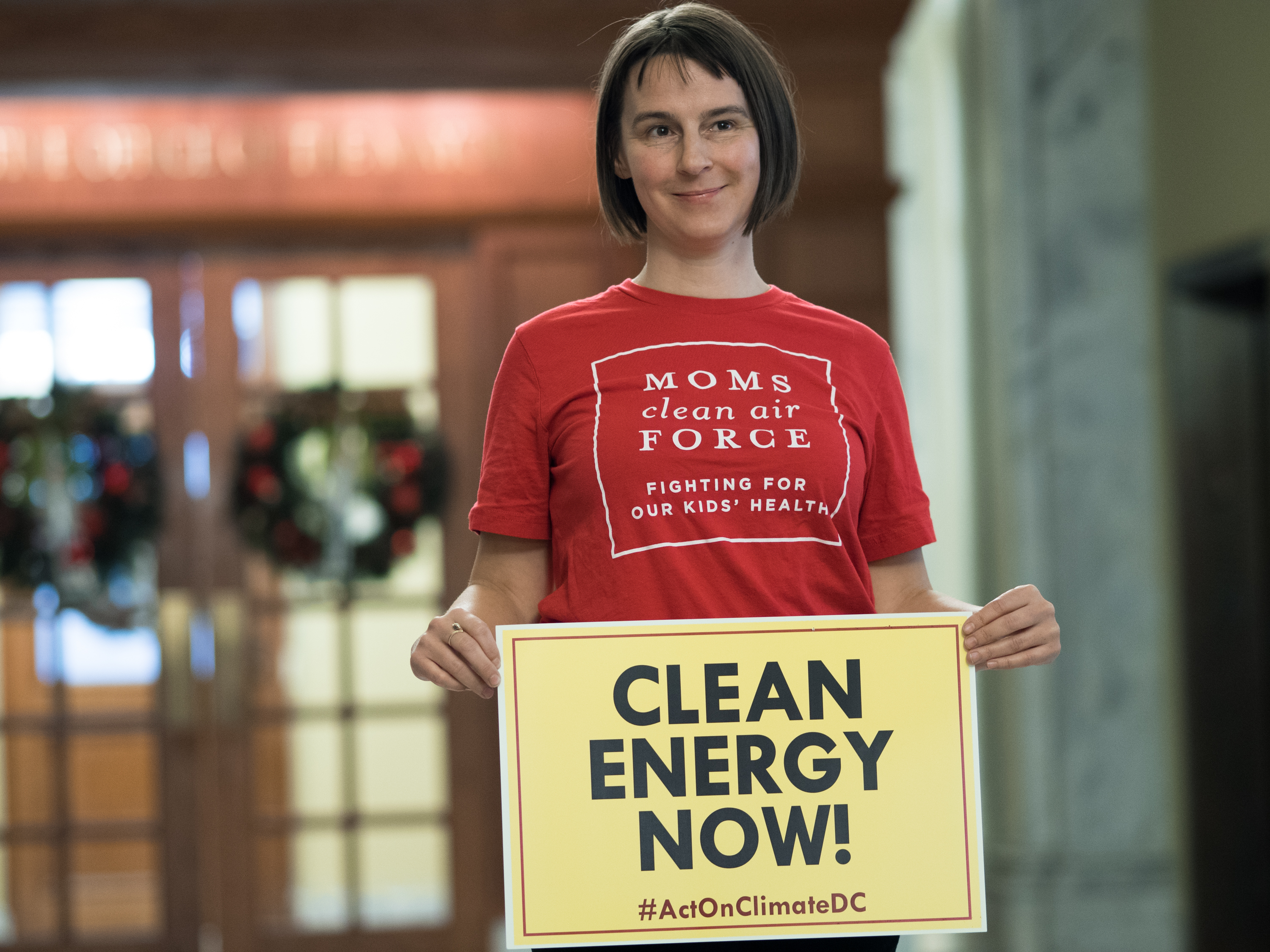
Elizabeth Brandt got into climate activism thinking about her daughters’ future, but says it’s hard to talk about with young kids. “I try to keep it positive for them. I don’t try to share scary things with them.”Jacob Fenston / WAMU
The legislation, as voted on, would accomplish four big things:
- It would expand the District’s renewable portfolio standard, requiring that 100 percent of energy sold in the city comes from renewable sources by 2032 (up from the current standard of 50 percent by 2032). This change would result in a estimated 18 percent reduction in carbon emissions.
- The legislation would toughen energy standards for new and existing buildings, an important step because three-quarters of carbon emissions in D.C. come from power use in buildings. This would cut carbon emissions by an estimated 10 to 12 percent.
- The bill would fund green energy projects by increasing the sustainable energy trust fund fee that all District customers pay. These fees would double on electric bills, an average of less than $1, according to Cheh’s office. The fees would triple on gas bills, an increase of about $2 for residential customers. This would provide $15 million to the District’s Green Bank, to finance clean energy projects. Additionally, 20 percent of the proceeds from the fee would go to assist low-income residents struggling to pay energy bills.
- It would also reduce transportation-related emissions by encouraging people to buy cleaner cars, tying vehicle excise taxes to efficiency.
A final vote on the Clean Energy D.C. Act is expected in December.
This story was originally published on WAMU.