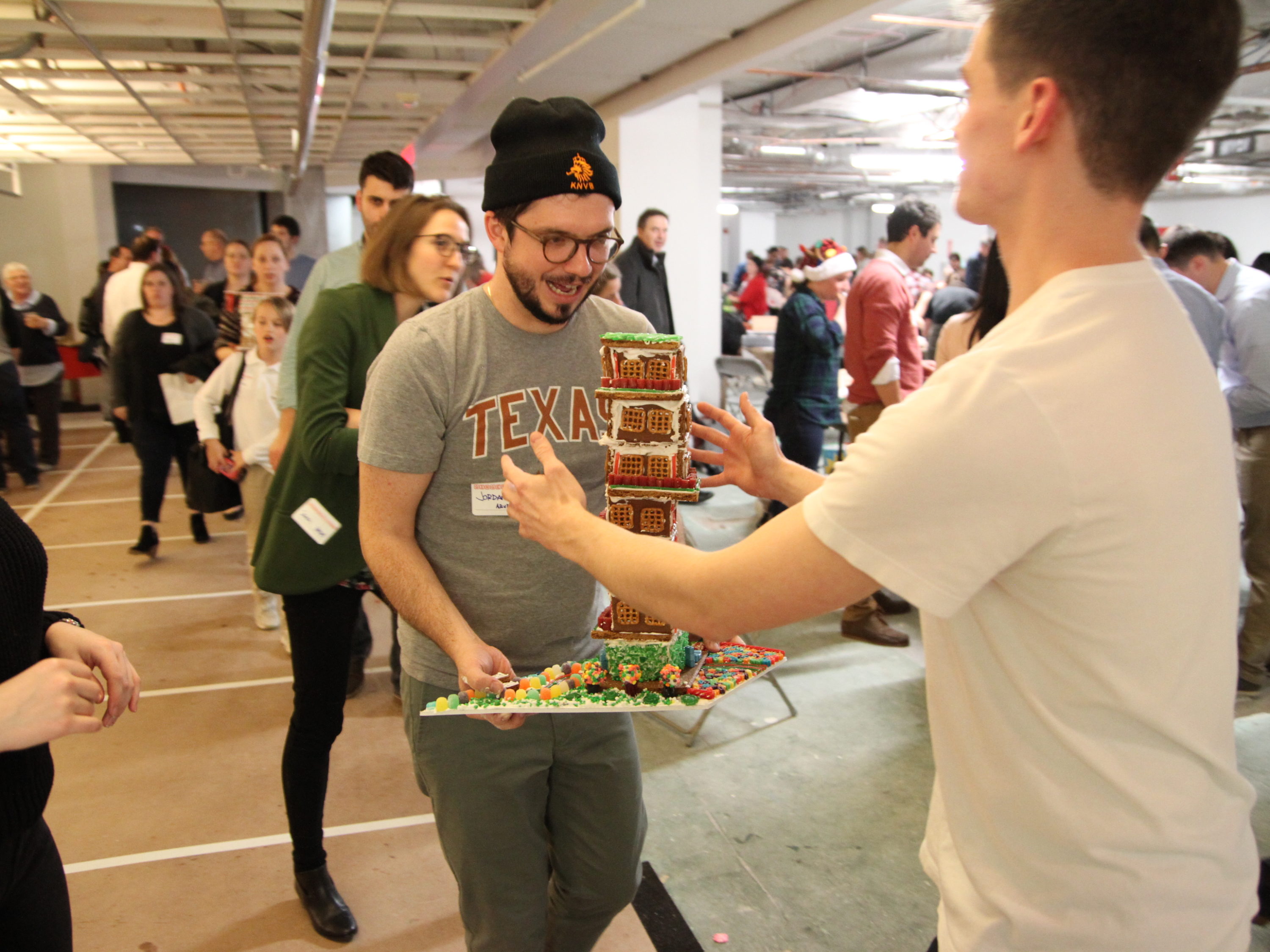
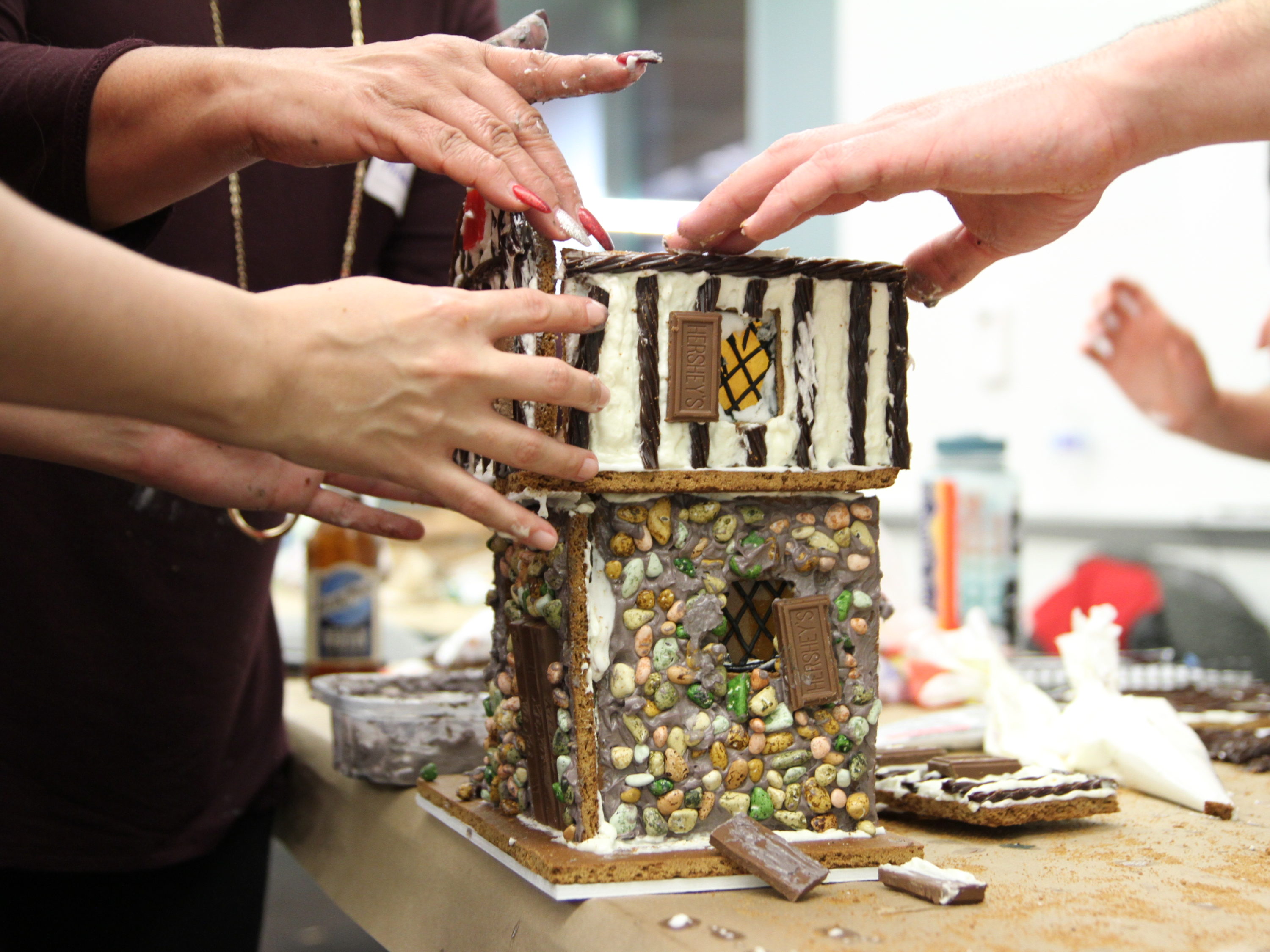
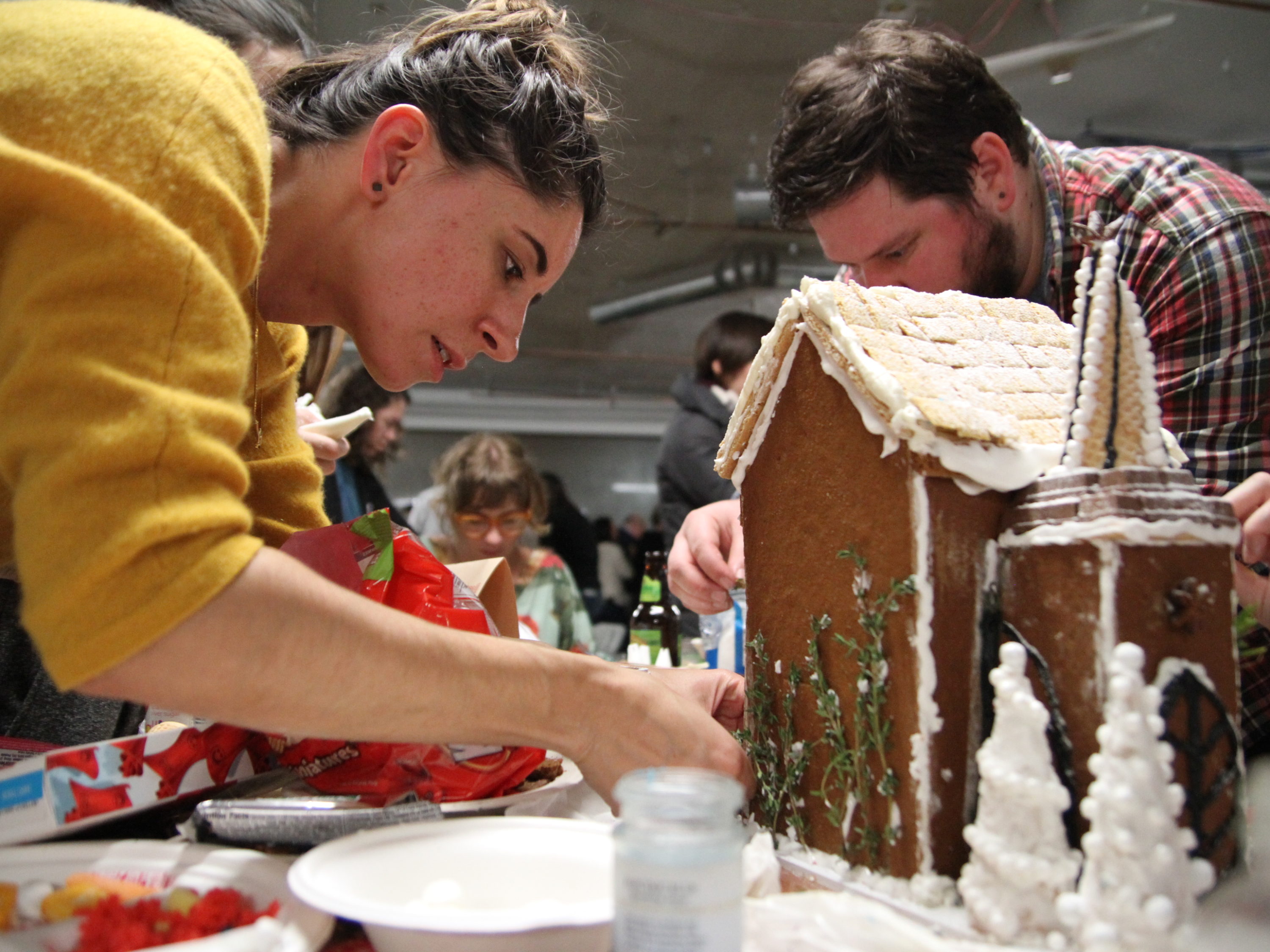

Some things are better left to the professionals.
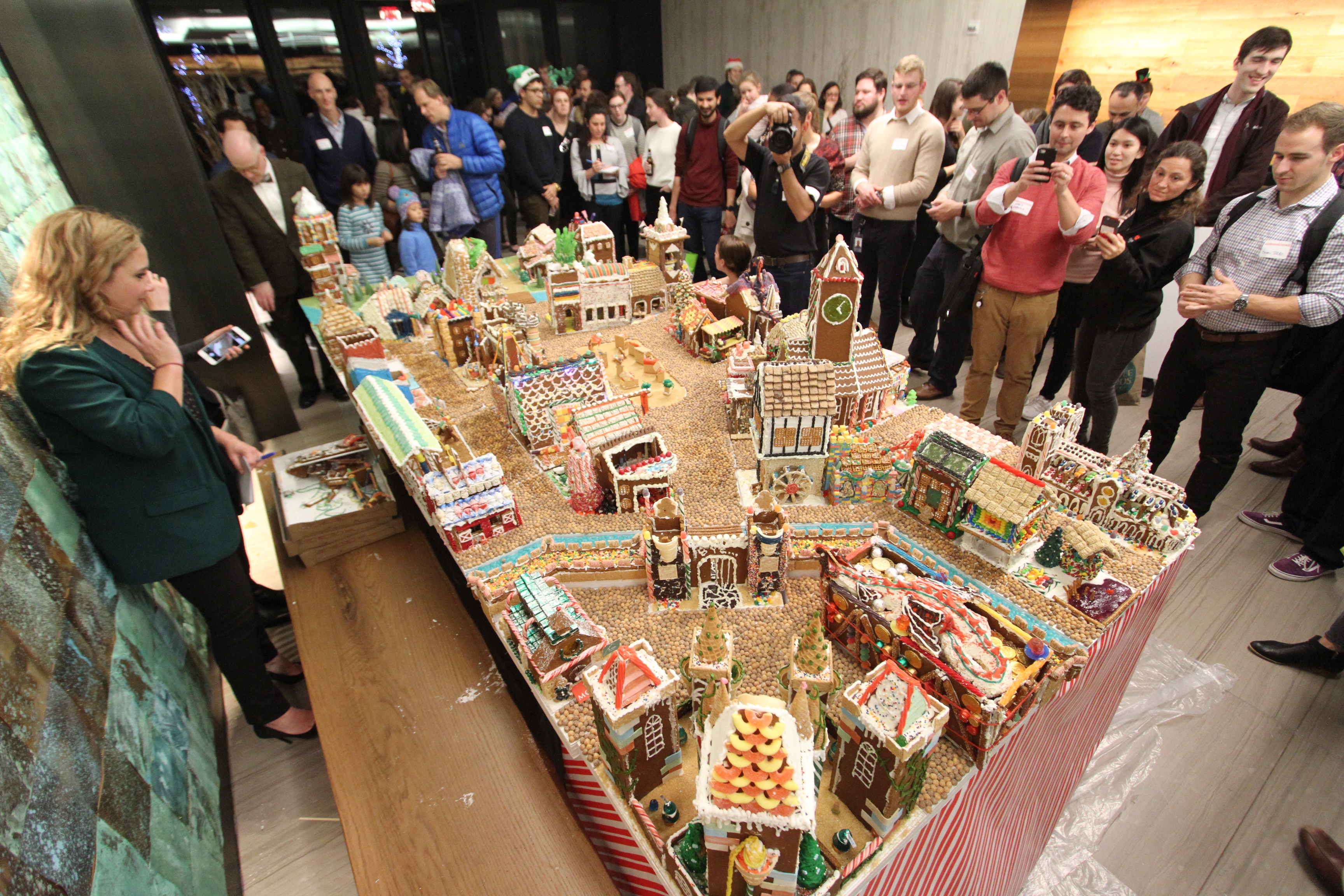
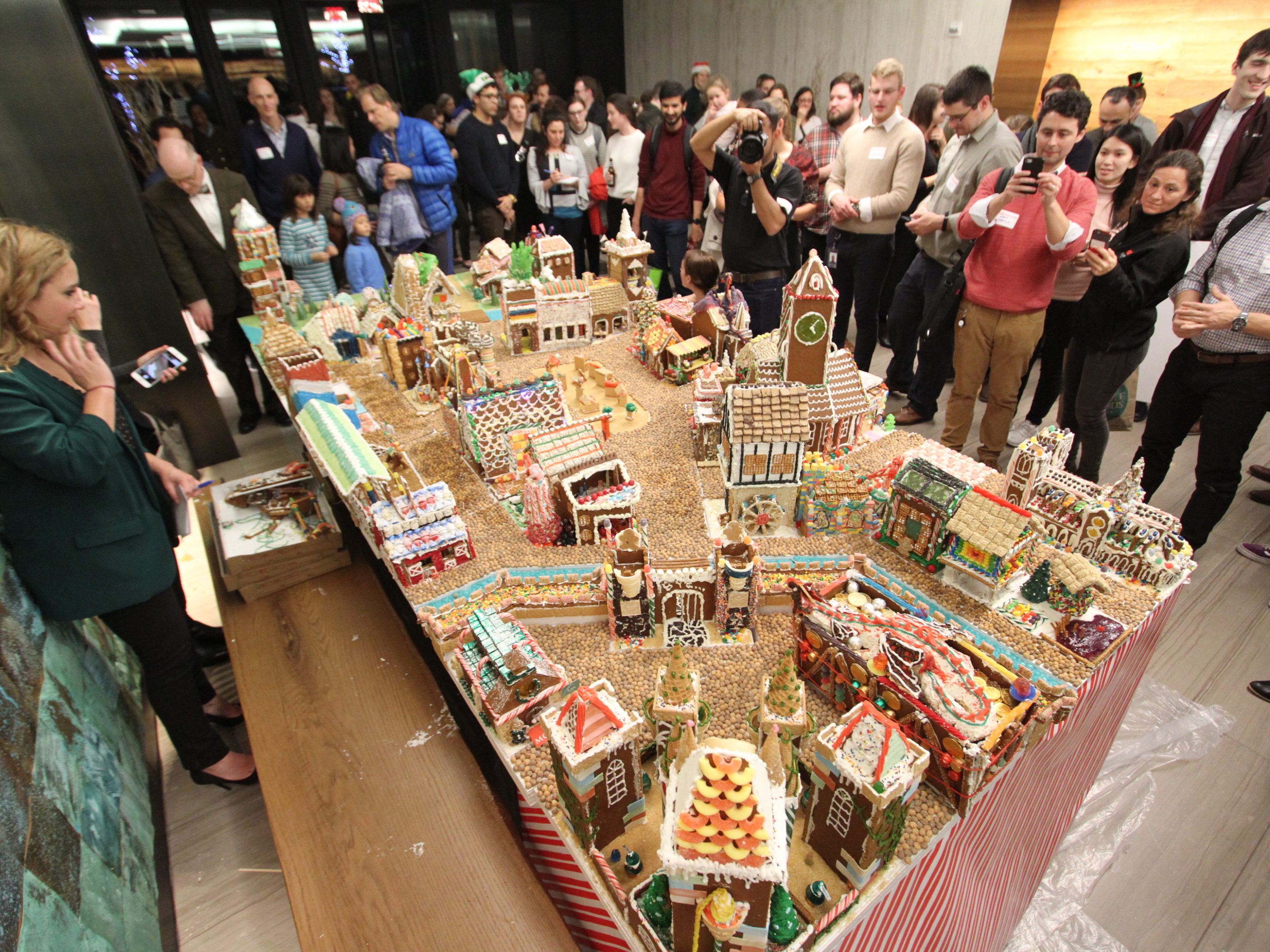
At least, that’s the idea behind Gingertown, an annual industry event and fundraiser organized by the D.C.-based David M. Schwarz Architects (DMSAS). Teams of architects, engineers, and designers attend this festive contest each year, vying to create impressive edible structures. Never mind that the teams at Gingertown are accustomed to building schools, airports, and bridges, or that they usually work with cement and steel. Their skills still apply in this multiteam effort to construct an edible village.
DMSAS selects a theme each year, then creates a plan for the city that includes specific structures in some cases and free space for creative expression in others. The teams each purchase a lot and spend weeks planning their designs. They hold meetings and get together for wine nights to brainstorm their designs.
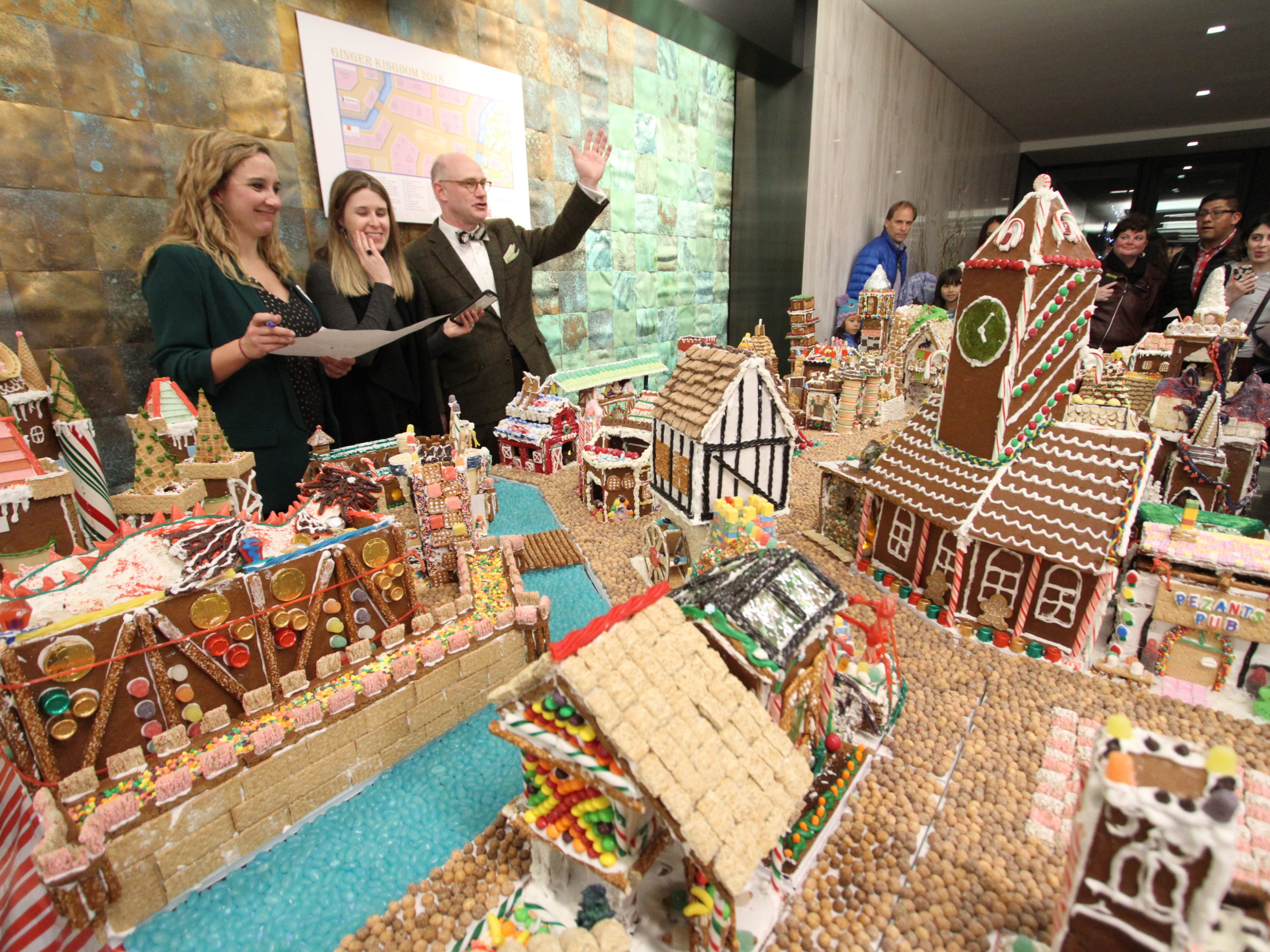
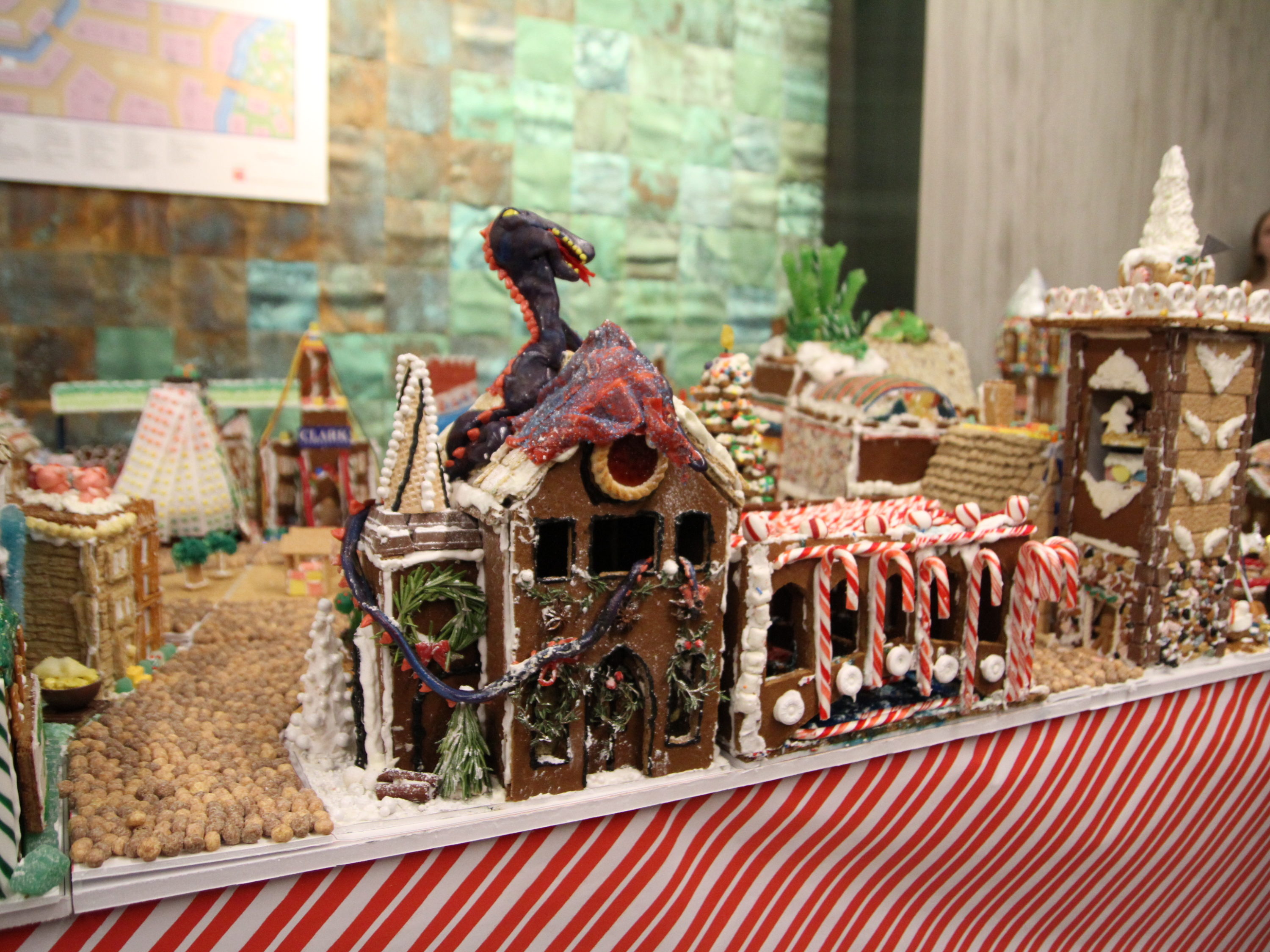
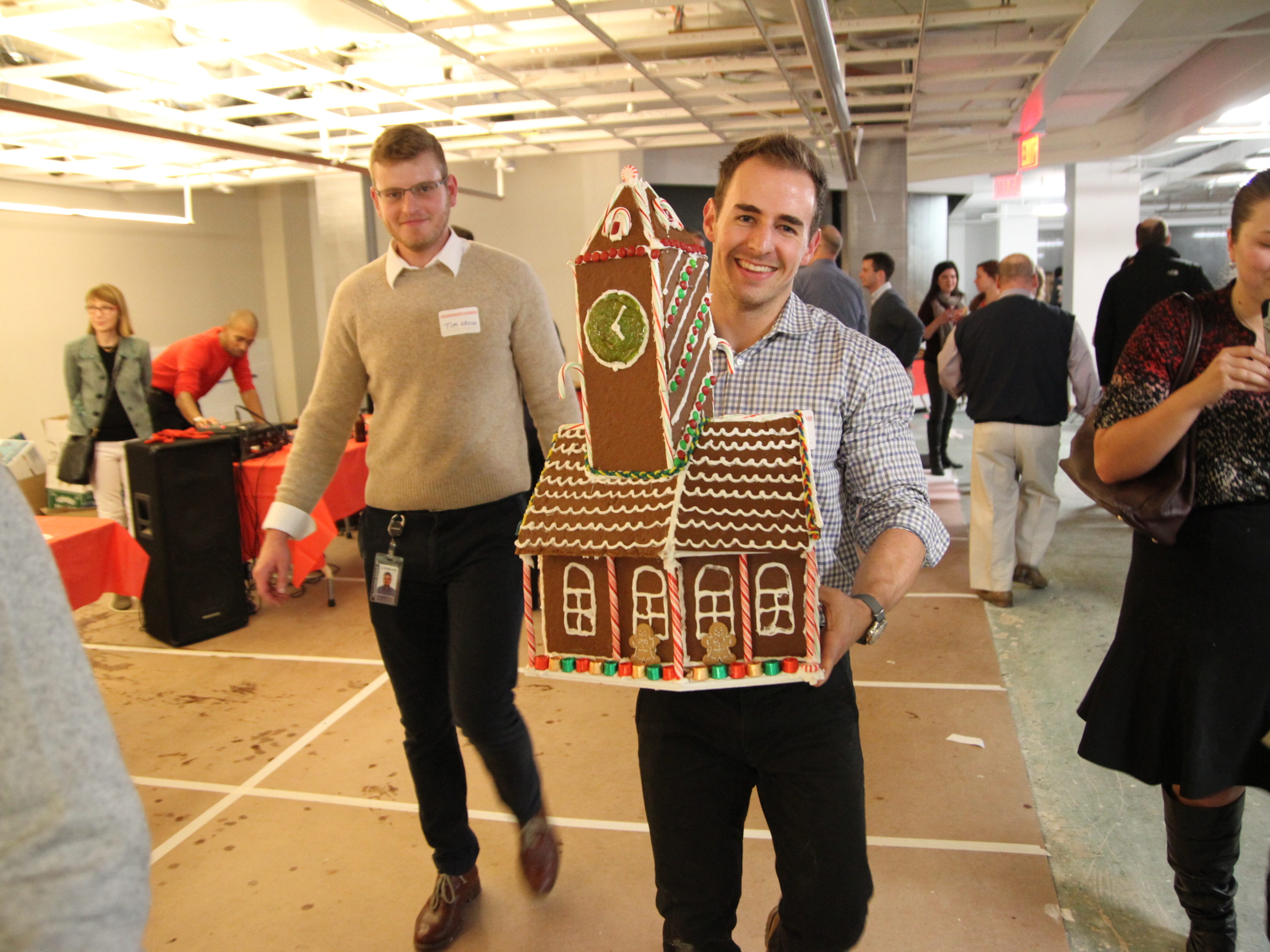
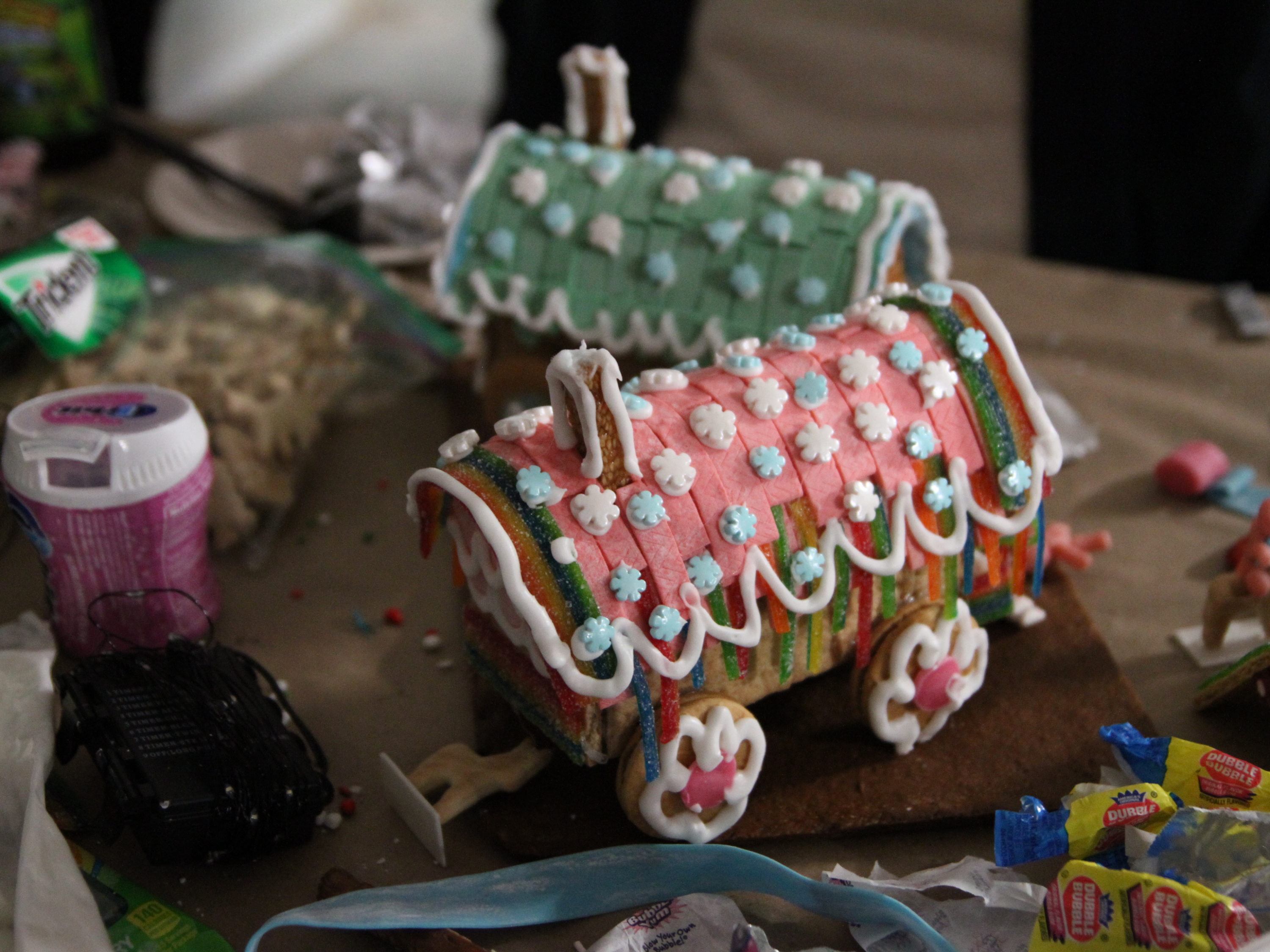
On Tuesday, the teams arrived at The Foundry Building in Georgetown with carefully measured blueprints, design inspo, and a few prepared items like a pre-molded Rice Krispie dragon, a clock face made of melted green Jolly Rancher candies, and a Lego motor that turns a rock candy windmill. They have three hours to create works of edible architectural art. Even if they complete their cookie sculpture, the entire project could collapse en route to the judging table. Unlike cooking shows where individuals keep their work separate, here, the competition is collaborative. All of the completed works are placed into their lot in the village, like icing-covered puzzle pieces.
Once everything is in place, a team of judges inspects the submissions. They award prizes for best overall design quality, best overall craftsmanship, most innovative use of materials, judges choice, mayor’s choice (yes, there’s a mayor of Gingertown), and best expression of theme. This year, that last one went to a gingerbread jousting scene.
“When you looked at it, you knew exactly what it was,” Judge Steve Knight, a principal with DMSAS says of the structure.
The village is based on principles of good urban planning. Gregory Hoss, president of DMSAS, says the residents of Gingertown don’t mind a few crumbs on their sidewalks, but they need to be able to walk through their village, access alleys, and peek into shop windows. “We pay attention to all the same rules we do in the real world,” he says.
“You want to create facades that are not too overwhelming, maybe a little color, not too garish,” he says. Of course, with roofs made of Twizzlers and Skittles, the colors are sometimes a bit bolder than the homeowners’ association might like. But that is the nature of living in Gingertown.
Contestants have created these impressive, tasty works of architectural design since the tradition began in 2006. One year, contestants worked in teams to build an edible replica of London, including scenes of Big Bon Bon, Cadbury Square, and the Sour of London. Another year, there was an Olympic theme. Participants built a curling rink, an arena constructed from Peeps, and a Mounds ski run and half pipe. This year, Gingertown—or rather, Ginger Kingdom—went medieval with castles, dragons, and Tudor-style designs.
Teams buy lots to compete in the contest, which supports local charities and provides the builders with a night to have fun and debate the structural soundness of chocolate wafers.
When constructing a bridge or office building, there are high stakes. But when your future residents are made out of cookies, there is little to lose. In a room full of professional perfectionists, that flexibility translates to some pretty impressive displays of ambition.
“We modeled it in 3D,” Langan senior staff engineer Louise Pretzman says of her team’s design. “It helped us visualize it, because we had two weird angles in our lot.” The candy cane clock tower the firm constructed needed to fit into an odd lot shaped kind of like the state of California.
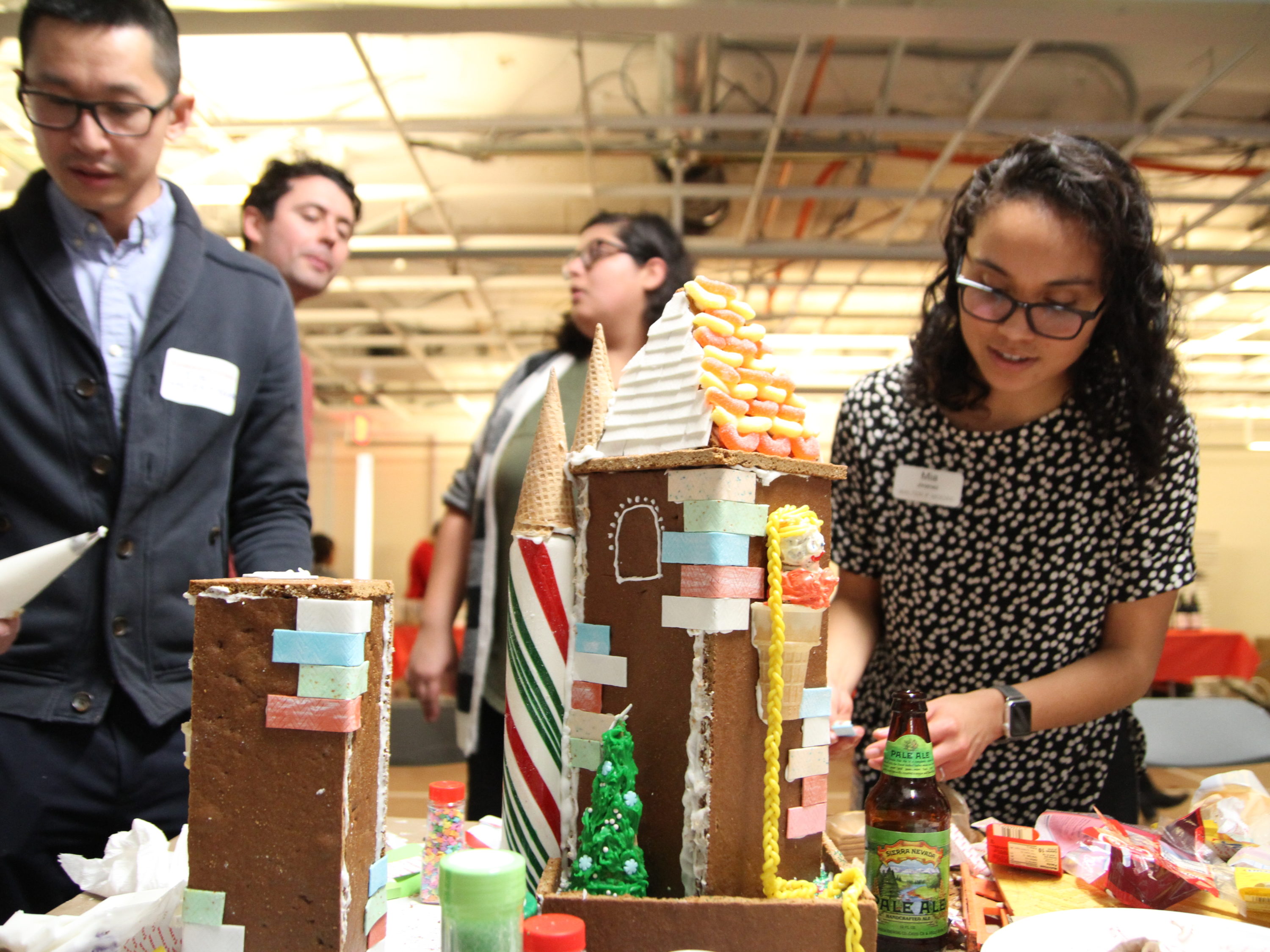
Beth Bryan, project manager with Walter P Moore, is a six-year veteran of the event. She and her colleague, administrative assistant Samantha Logan, worked together to mold a tiny gingerbread Rapunzel, with Logan braiding together yellow licorice to form the princess’ golden hair. Bryan says the event poses some fun challenges that put their design expertise to the test. “It’s about lighting it up, if you can make it move, if you can make it taller,” she says.
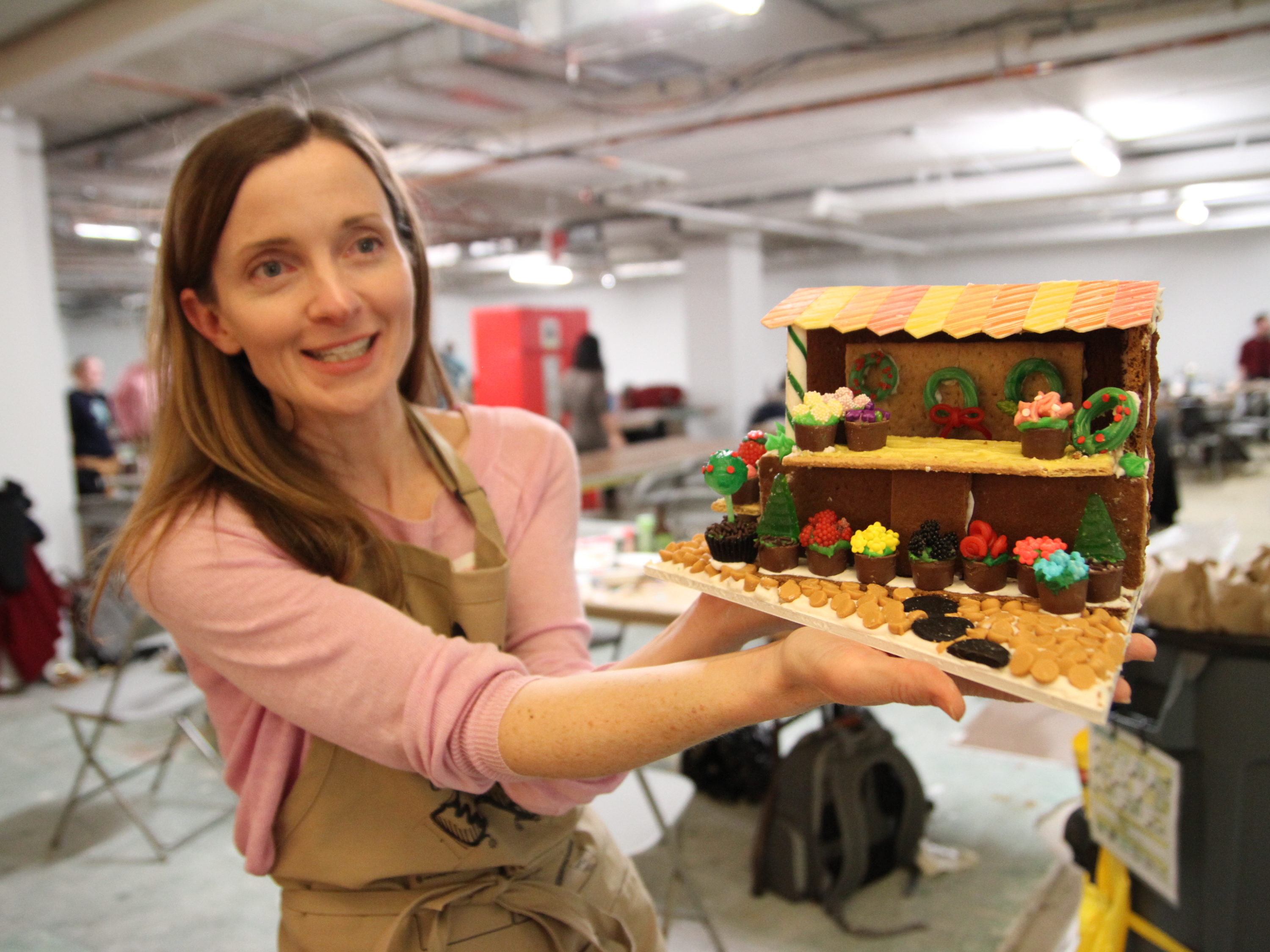
Architect Aurora Smith popped Runts candies into a tiny pretzel wagon and blue jelly beans into a miniature well for Quinn Evans Architects’ grainery. She says her team learned to refocus some of their attentions for the event. “My first year, we were building Big Ben, and we spent so much time with the precision on the gingerbread. One of our party was like, ‘You know you’re going to cover that all in frosting, right?’”
Blair Hanuschak, senior principal with Walter P Moore, says his firm has been participating in the event since it came to D.C., and tries to create gingerbread structures that are representative of the work they do as engineers. “We do bigger, kind of commercial stuff, so we always try to do a build that’s reminiscent of something that we’ve done: an airport or a sports stadium.”
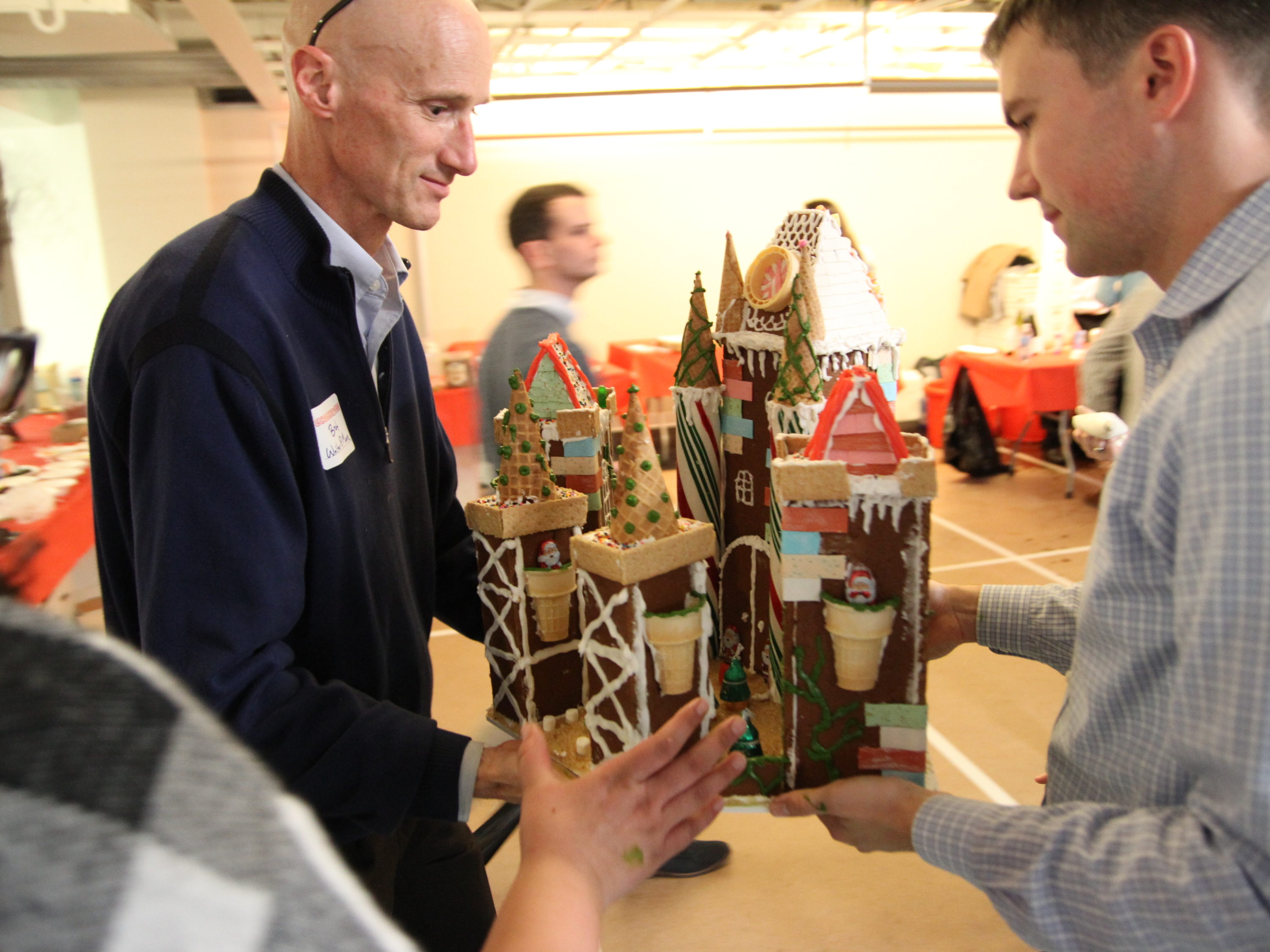
He said his team’s construction, Gingerella’s Castle, reminds him, in part, of some work the firm did for a theme park. The design is one of the taller buildings in Medieval Gingertown, and includes five standalone structures, one featuring an ice cream cone balcony for Rapunzel to let down her Twizzler hair. The large and intricate structure won the best overall design quality award. It helped that the firm now has years of experience with the medium.
“It’s all about structure,” WDG Architecture’s planning and interiors project manager Mike Broderick says. “It’s about understanding how gingerbread works. It’s fragile, so you have to be careful about how you brace it.”
There were a few close calls with these works of edible art. Elevator doors nearly closed on a finished house. A gingerbread roof began to dry out and crack. The collective warmth of dozens of people at work made marshmallow too gooey and chocolate too melty. The bow of a ship snapped off, leaving a tiny gingerbread viking adrift in a blue jelly bean sea, a sense of impending doom settling into his green Nerds candy eyes.
It’s challenging, but the whole point is to build with edible materials. Mark Elliott is Gingertown’s city planner and an architect at DMSAS. “Sometimes we see some cheating with paper towel rolls and cardboard,” he says.
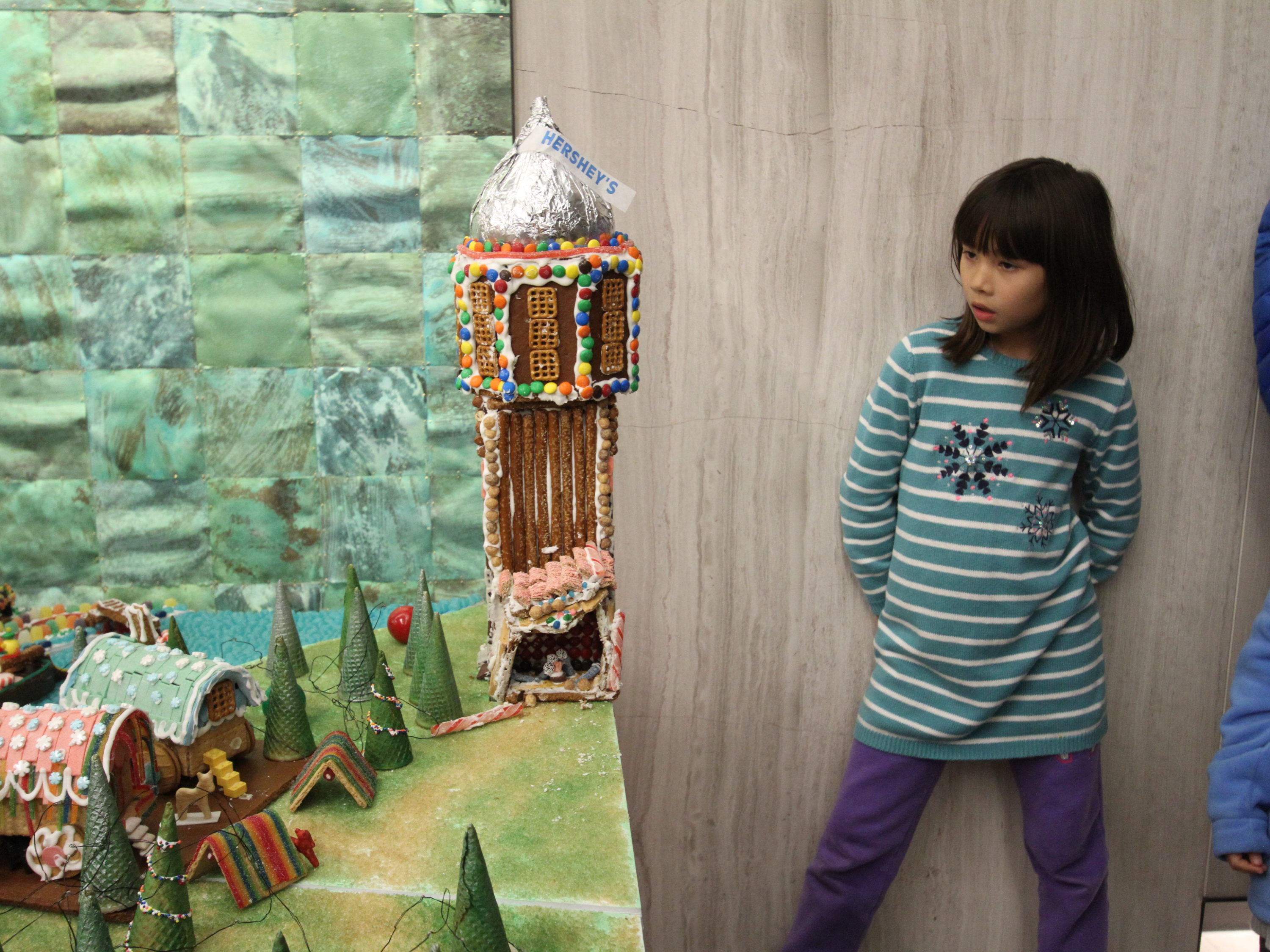
Elliott says the firm provided 20 gallons of icing and 100 pounds of candy for the event. That doesn’t include the special sweets that some participants also brought to work with, such as the 7-ounce Hershey’s Kiss that topped one team’s witch’s tower, or the thick peppermint stick columns that Beth Bryan said she held on to for years before finally being able to use them in Gingerella’s Castle.
The completed village will be on display at The Foundry Building in Georgetown for a week before being divided up and sent to six D.C. charities, where they’ll be displayed for residents and guests to enjoy. The charities will also receive checks from money raised through the annual fundraiser.
St. Elizabeth’s Hospital is one of the charity recipients. Director for community outreach and volunteer services Emily Abney says the community at the psychiatric facility enjoys seeing the complex gingerbread structures that arrive every December, just one part of the effort to make the holidays fun and festive at St. Elizabeth’s. “Some do try to eat the candy off of it,” she says.