 Carmel Delshad
The number of people who died from opioid-related overdoses in the District more than tripled over three years. Now, Mayor Muriel Bowser has released a plan aimed at dialing back those numbers.
The plan, known as LIVE. LONG. DC., has seven broad goals focusing on prevention, treatment, and recovery. Under the initiative, D.C. will establish a review board to examine opioid-related deaths and launch programs to educate residents on the risks of drug use. A federal grant will largely fund the roughly $24 million initiative.
About 279 people in the District died in 2017 from opioid overdoses, up from 83 people in 2014, according to District figures. The majority of deaths were among African Americans, and most were adults aged 40 to 69. Fatal overdoses were more common among men, and were most prevalent in Wards 7 and 8.
Most overdose victims used heroin for more than a decade, and roughly 22 percent of them used heroin for more than 40 years.
“This plan outlines how District agencies will work with our public and community partners to tackle DC’s opioid epidemic,” Bowser said in a statement.
“National trends largely reflect new opioid users who are White (non-Hispanic) younger adults who begin their addiction by experimenting with prescription drugs with the potential of progressing to heroin usage,” the District’s plan reads. “However, Washington, DC’s epidemic effects a unique demographic and presents different trends in use.”
“We know that the opioid epidemic in our city looks different than how the epidemic is talked about nationwide. This plan was created in response to the specific needs of our community and focuses our resources on increasing awareness and prevention, enhancing treatment offerings, and strengthening recovery supports.”
D.C. released its plan days after a Washington Post investigation found the city lagged in responding to the opioid crisis. According to the Post, District officials distributed the overdose reversal drug Naloxone at a lower rate compared to cities with similar opioid problems.
The District put together a summit in October 2017 focusing on how to address the growing opioid crisis. Out of that summit grew seven Opioid Strategy Groups with 103 members who mapped out the goals outlined in the report.
D.C. will establish a “Fatality Review Board” to review all opioid-related deaths within the city. It will also launch a dashboard featuring data breakdowns of who is affected by opioids across the District. Residents will also be able to find a database of services online within the next six months.
“By employing evidence-based strategies and promising practices, LIVE. LONG. DC. will serve as the roadmap for us to enhance the work that we all do to create prevention, treatment, and recovery strategies that reduce opioid use disorder in the District,” said Dr. LaQuandra Nesbitt, Interim Director of the DC Department of Behavioral Health in a statement.
We all know opioids are addictive and dangerous, but together we can protect the lives of Washingtonians and decrease the spread of opioid use in the District. Click here to find DC locations for opioid treatment: https://t.co/BCVsss7nIH #DBHforRecovery #TreatmentWorks
— Treatment Works (@DBHforRecovery) December 26, 2018
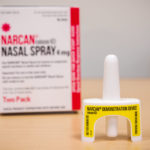
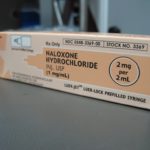
D.C. will also “exponentially increase” the number of kits available for the overdose-reversal drug Naloxone, though the plan doesn’t outline specific numbers of how many will become available as part of this new effort.
Other goals outlined in the plan include educating residents on the risks associated with opioid use, working with health organizations on the prevention, and early intervention of substance abuse and ensuring “equitable and timely” access to treatment and recovery support.
The District plans to implement its goals through September 2020.
This story was originally published at WAMU.