DCist may have been dark for half the year, but the city’s arts scene kept kicking. Yes, there was Hamilton, but there was plenty of homegrown entertainment to love, too. The National Museum of Women in the Arts curated its first fashion exhibit, Rodarte; the All Things Go festival celebrated its fifth year with an all-female lineup; the National Museum of African American History and Culture launched its first-annual film festival; Studio Theatre celebrated its 40th anniversary; and the city got a new cannabis and hip-hop festival. This year also welcomed plenty of new spaces, including a museum dedicated to law enforcement, a rain-inspired light installation underneath an underpass, a not-so-cleverly-named Entertainment and Sports Arena in Congress Heights, and a pie-adjacent venue for local musicians on H Street.
Art lovers as they are, our contributors were exploring the city’s arts scene all year long. In their own words, here’s what local exhibits, concerts, plays, and other arts happenings our intrepid reporters loved this year.

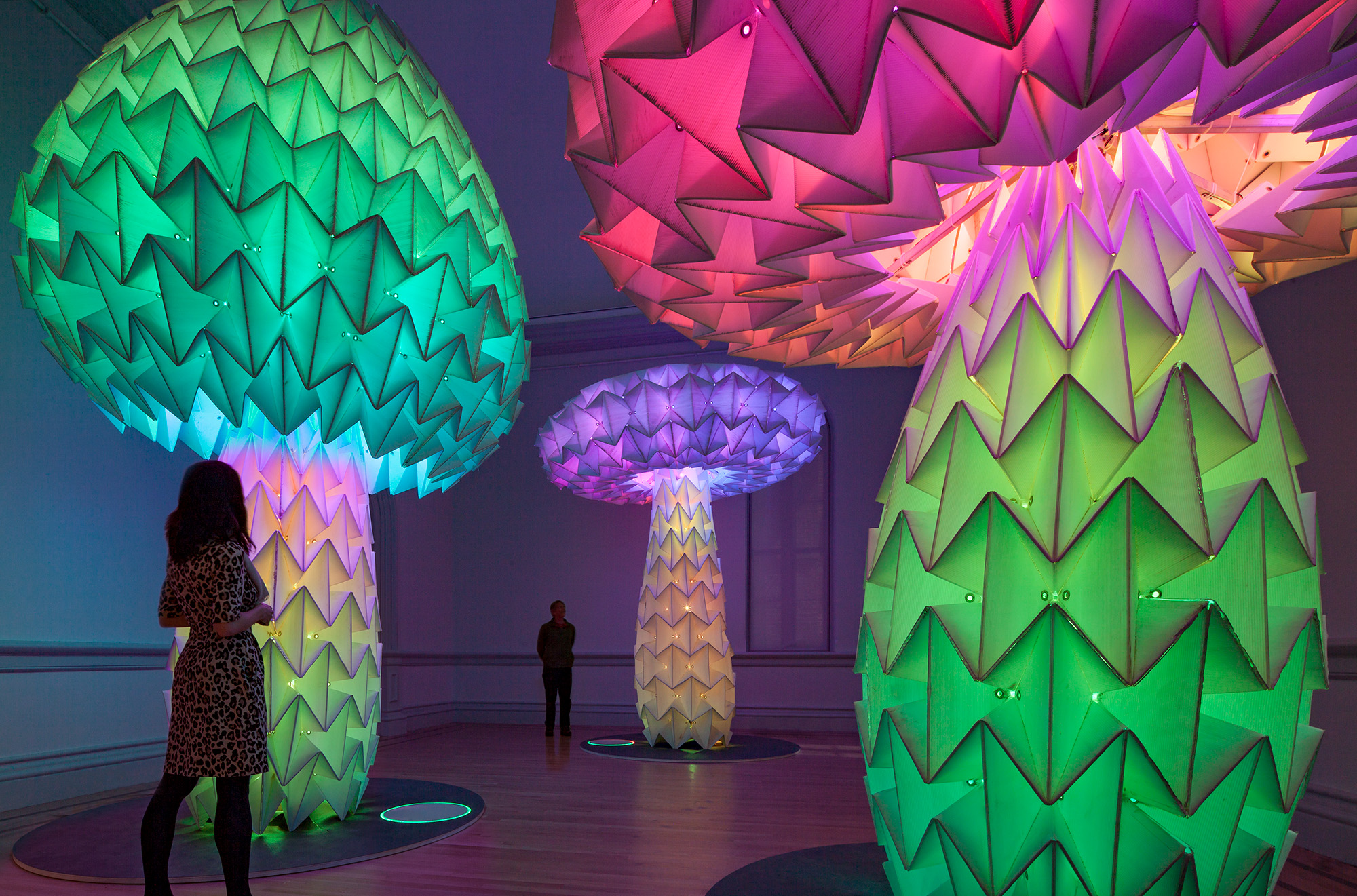
David Best has been building temples for the annual Burning Man festival for nearly 20 years—sacred places that aren’t affiliated with any religion but offer a quiet place to rest and reflect. There’s a good chance I’ll never make it to Burning Man. But this year, I was able to spend time in one of Best’s temples as part of the Burning Man exhibit No Spectators: The Art of Burning Man at the Renwick Gallery. The museum’s Grand Salon was transformed into a stunning, intricate, ephemeral temple with multiple altars. I was overcome with peace and awe immediately upon entering. The tradition is for those who visit the temple to leave remembrances of people they’d lost, and Renwick guests had left thousands of notes that I carefully perused. I departed—reluctantly—with a renewed sense of appreciation and perspective, and a feeling of calm that lingered all day.—Angela Haupt
No disrespect to cannabis festivals, cosplay lipsync sessions, or New Order, but the premier D.C. music event of 2018 was undeniably RhizomeDC’s 24-Hour Concert. Did I go? No. (To be fair, I was out of town for most of it.) But regardless of how transformative the event was for patrons, the very idea of it was genius: a full 24-hour period in this modern era to do nothing but listen to music, chat, snack, sleep, and just be. We could use a whole lot more where that came from, and next time, I’ll be there.—Eliza Berkon
Fifteen years have passed since the members of Fugazi decided to put the band on an indefinite hiatus. Rumors swirl from time to time about a reunion, but local music fans have stopped holding their breath for the celebrated harDCore act to reform. This year, we saw the next best thing when Fugazi’s potent rhythm section—comprised of bassist Joe Lally and drummer Brendan Canty—teamed with guitar whiz Anthony Pirog to form The Messthetics. The band released a single in January and its self-titled debut album dropped shortly thereafter. Canty and Lally lay down tight grooves to support Pirog’s guitar work, which is angular and ethereal in equal measure. The result is sound that blends the energy of punk rock with the cerebral sensibilities of progressive music or jazz. Regardless of how it’s labeled, The Messthetics is one of the best local recordings of 2018.—Sriram Gopal
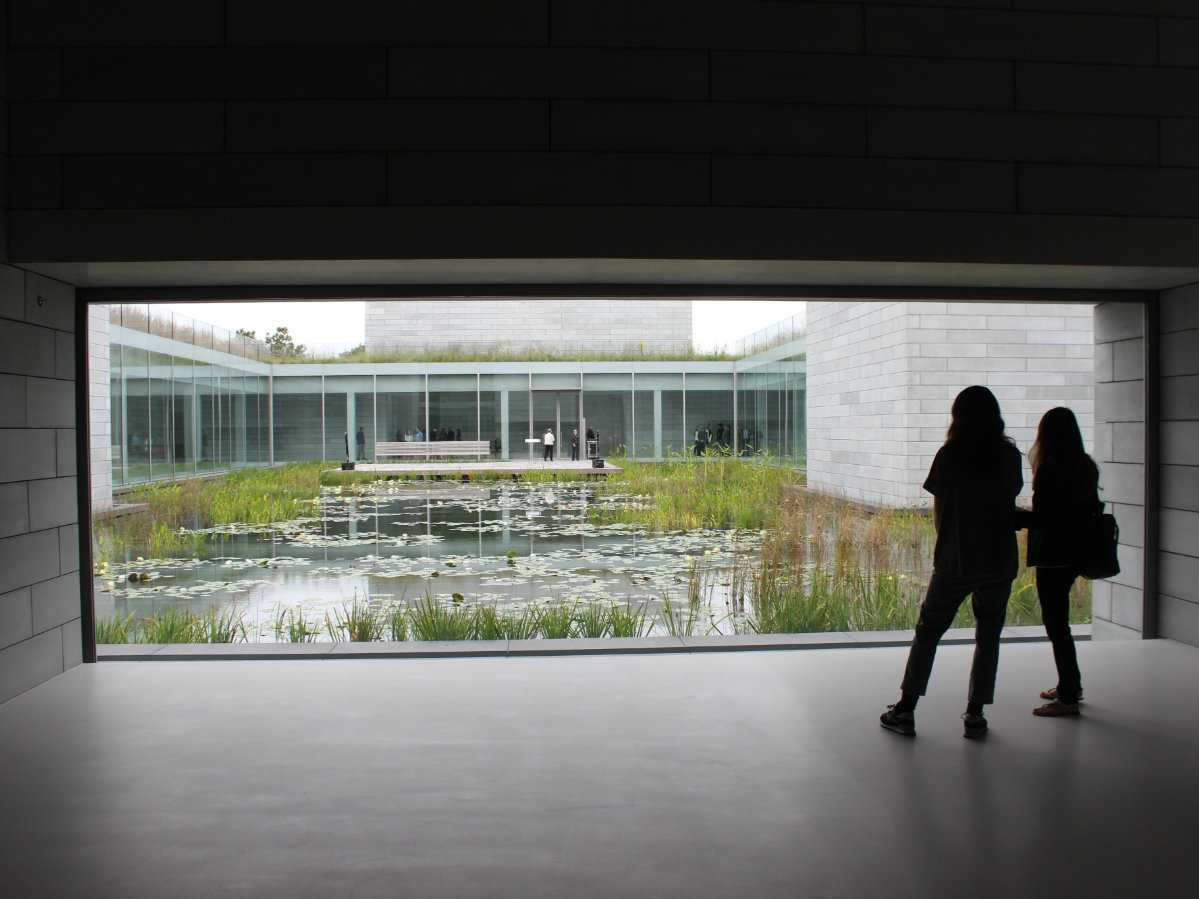
As more and more galleries and museums design exhibits with an eye towards creating images that’ll play well on Instagram, I found the Glenstone’s attitude towards social media incredibly refreshing. The Potomac-based art museum’s new expansion is many things—astonishing, vast, very expensive—but it’s certainly not easy to capture in your camera’s viewfinder. The scale is too big and the resulting images never seem to communicate the experience. This is by design, as it turns out. Thomas Phifer, the architect who designed the new gallery, says that he did so with the intention of slowing down attendees’ exposure to the art. “This building is about experience,” he told DCist. “It has to do with how you move.” Even if you can get a good shot, you’d be hard-pressed to post it (or otherwise get distracted online) in a place with such bad service. I didn’t realize how impacted I am by thinking about how I present any given experience to others until the Glenstone made me give all that up, if briefly, in favor of taking it in for just myself.—Rachel Kurzius
While I am happy to sit the Independence Day Parade out, there is one parade I’d hate to miss. The relatively new tradition of the annual Funk Parade is a local favorite, and it nearly didn’t happen this year. In just a few weeks, businesses, donors, the city itself, and a determined team of organizers scraped together $60,000 to ensure the festival would go on. For the fifth time, the parade brought the noise and the funk to multiple stages and venues in U Street and Shaw. While a few performances are ticketed, attendees can have a fabulous day without paying a dime. It’s a wonderful, accessible celebration of local music, and its last minute rescue was by far my favorite D.C. arts moment of 2018. Event co-founders Chris Naoum and Justin Rood announced last month that D.C.-based nonprofit The MusicianShip is taking over leadership of the festival. Hopefully, the group will keep Funk Parade going for years to come.—Lauren Landau
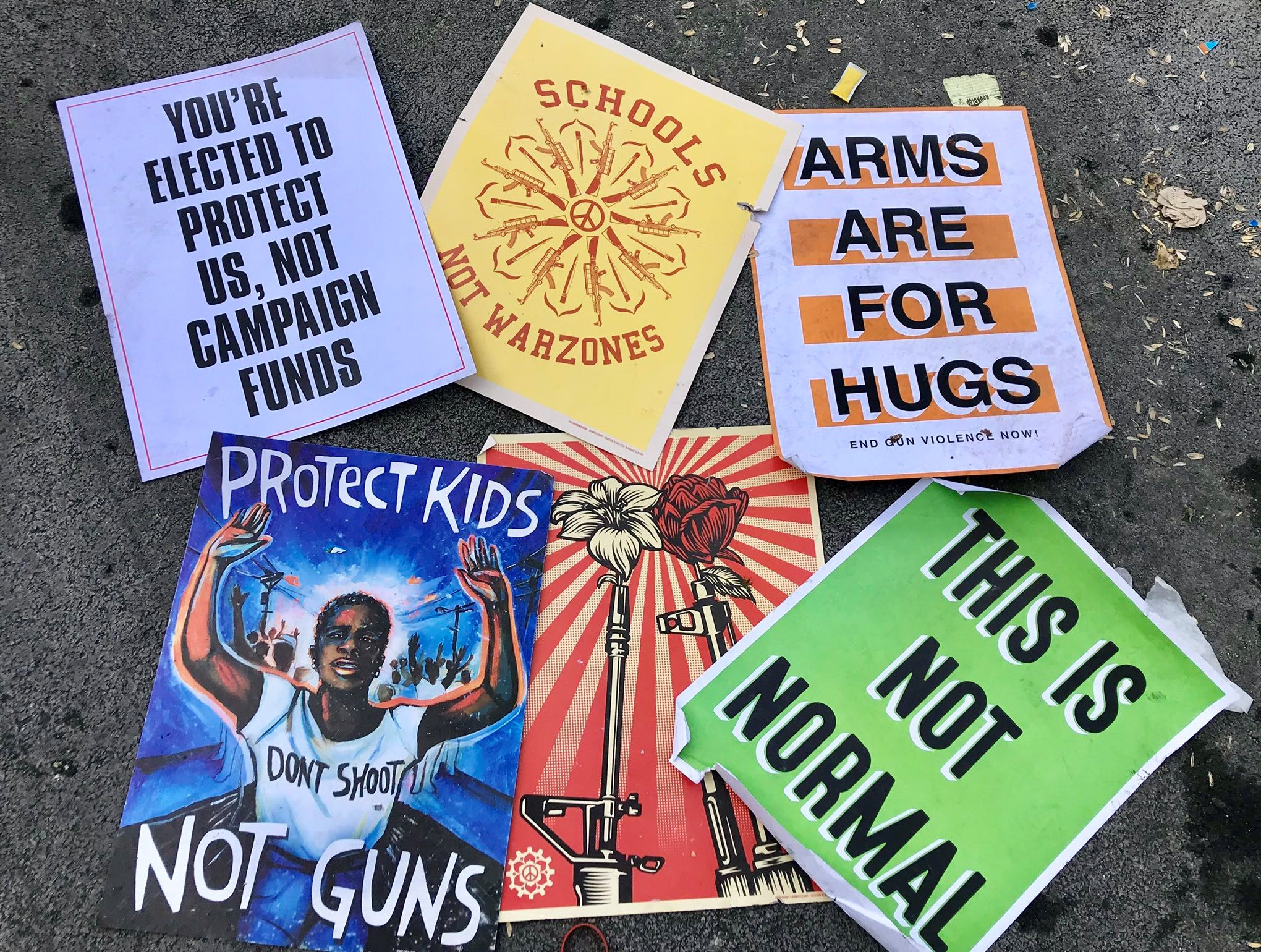
The vibrant, feisty, homemade signs made by march attendees and the artist-designed posters combined for my favorite art moment of 2018. I attended the march with a civics class from Eastern High School; seeing the kids express their anger and resolve in loud colors on poster board and pick posters that spoke to them from the heaps being given away by artists was powerful and cathartic. This is my favorite kind of art—populist and purposeful. I scooped artist Shepard Fairey’s striking poster off the ground and framed it in my apartment.—Elizabeth Tuten
Listen, I love musical theater, but I understand what people mean when they say they don’t. The worst of it can be hokey and contrived, or can seem like it’s trying a little too hard to be up-to-date (I’m still cringing at the 1920s musical I saw this year that tried to shoehorn in a Machine Gun Kelly joke). To those feeling musical fatigue, I’d present The Wiz at Ford’s Theatre: a show that was technically inventive and just plain joyful throughout. Months later, I’m still thinking about Hasani Allen’s ultra flexible, quick-footed Scarecrow, Jobari Parker-Namdar’s Bruno Mars-inspired Wizard, and Ines Nassara’s million-watt smile and bright voice as Dorothy. It’s easily my favorite musical I’ve seen in D.C. in years, one that set a new standard for what I want to see on D.C. stages.—Lori McCue
Whenever Tuareg guitarist Mdou Moctar, who starred in a Nigerien movie loosely inspired by Purple Rain, is in the District, he makes as many stops as possible: In May he performed a lunchtime show at the Library of Congress (disclosure: I work there but wasn’t involved, and was too sick to go anyway), the Black Cat, and even Episcopal High School in Alexandria. He comes back to the area in January—see him as many times as you can.—Pat Padua
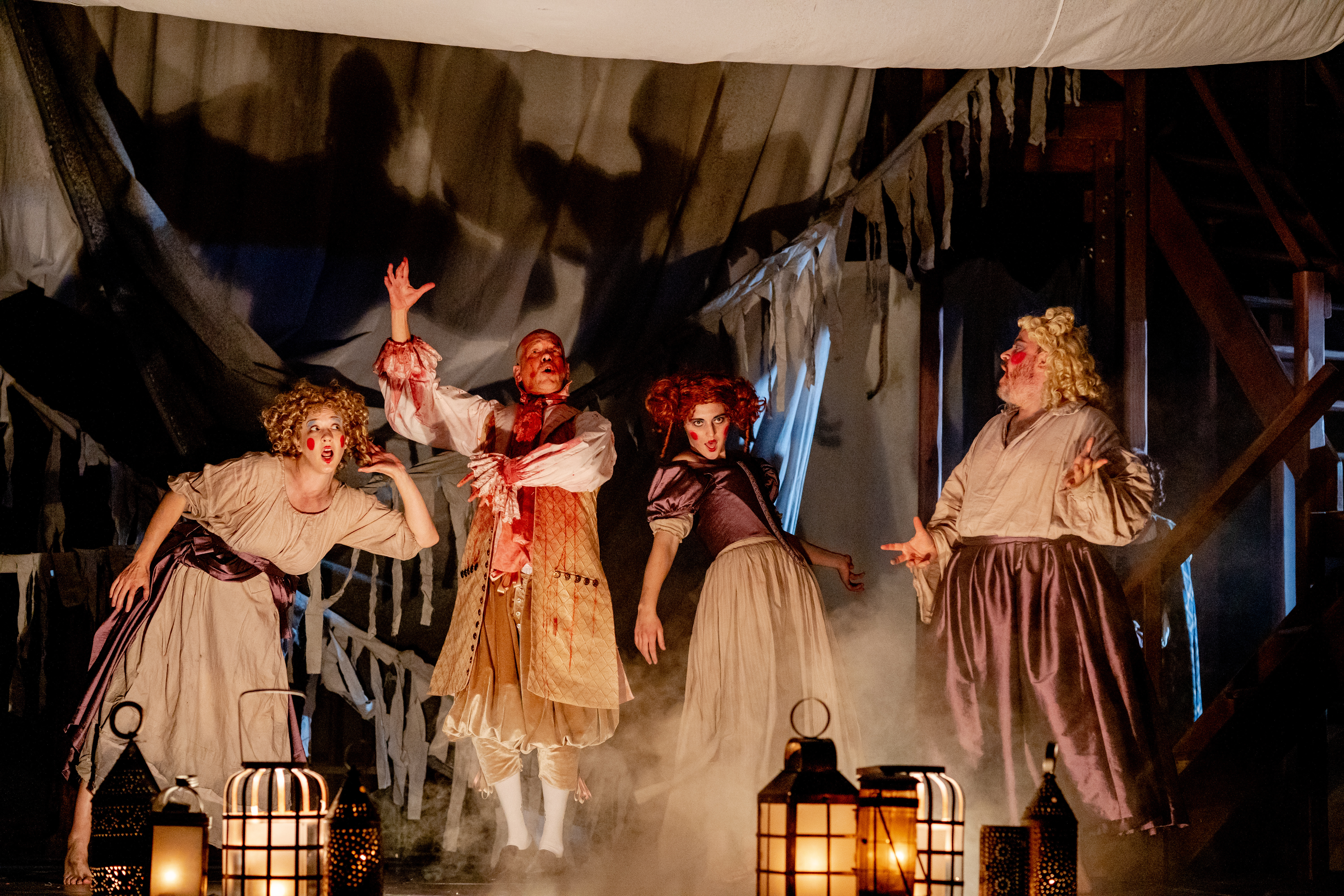
Folger Theatre’s breathtaking staging of Macbeth is easily my favorite theatrical production of 2018. In a different year, the triumphant debut of Hamilton at the Kennedy Center would’ve claimed the title. But this version of The Scottish Play, set in an asylum, and based on an obscure, 17th-century update of Shakespeare’s masterpiece was—strictly speaking—unique. The Folger Consort played baroque tunes. Witches sang often. Jaws hit the floor. Like Hamilton, it took years to produce. Unlike Hamilton, it won’t return to the District. And that, ladies and gentlemen, is the real tragedy.—Peter Tabakis
Washington Project for the Arts ran an experiment this year—one that I hope to see replicated across the District in the new year. The arts organization transformed its office space in Shaw for nine weeks into Artist Mother Studio, an innovative artists’ residency that provided three women with a remarkable string of benefits. The artists—Anne Smith, Leah Lewis, and Katherine Mann—were each given a stipend and studio space where they could work on their art. On the other side of a dividing curtain, a childcare provider looked after their kids. Seeing these women get the chance to be artists, mothers, and each others’ support network all at the same time was one of the more inspiring moments I had as an arts reporter this year.—Mikaela Lefrak, WAMU
Want to remember more of what happened this year?