Rachel Kurzius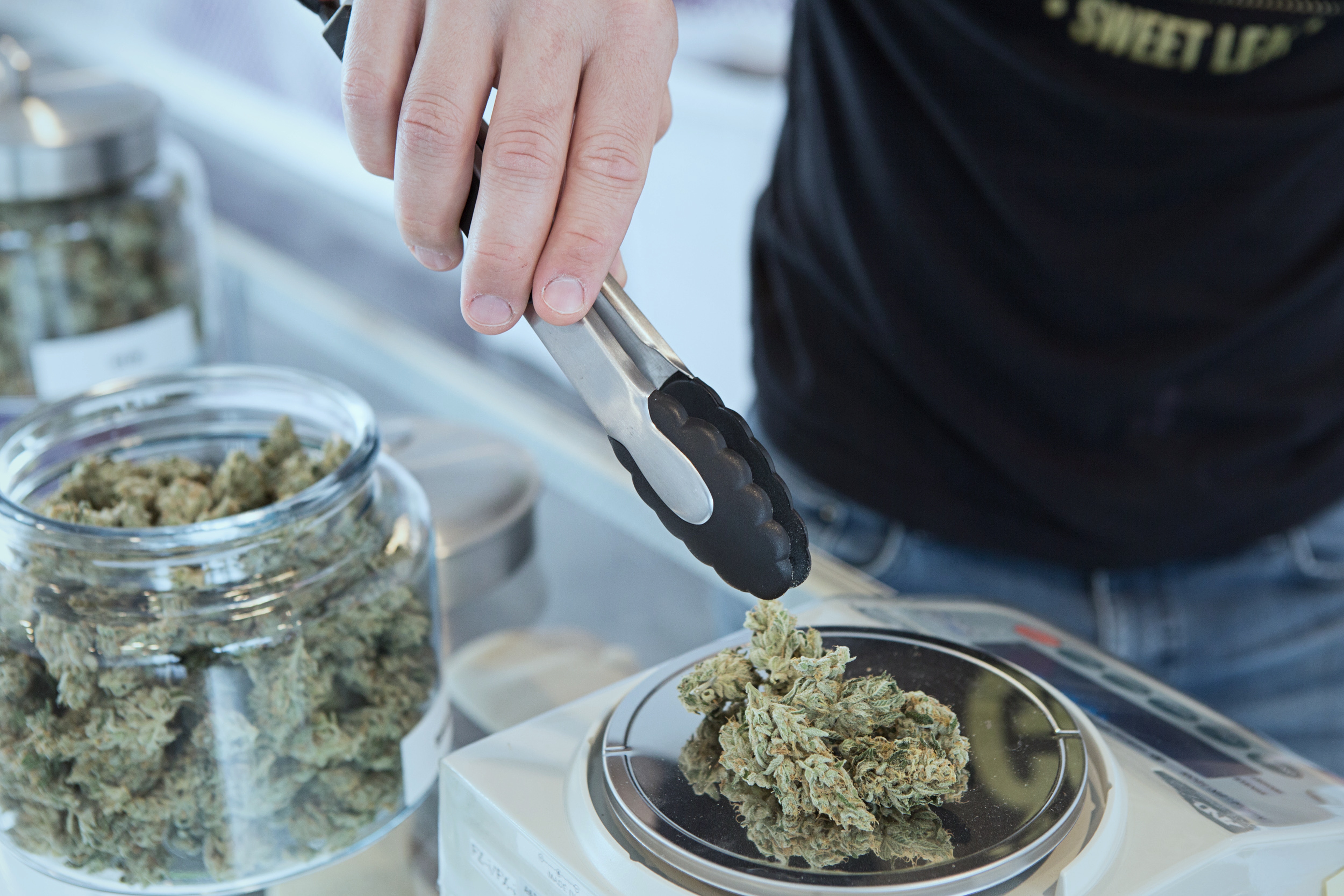
At-large Councilmember David Grosso plans to introduce legislation to legalize the sale of marijuana in D.C. this Tuesday, just as he has every Council term he’s been in office—but this year may prove different.
With Democrats in charge of the House of Representatives for the first time since D.C. residents voted to legalize recreational marijuana in 2014, there’s renewed hope that Congress will pass future spending bills without the language that prevents the District from spending any of its local funds to create a tax-and-regulate system for weed. That would free up D.C. to create a regulatory system for dispensaries, the likes of which have popped up in other states that have legalized recreational marijuana.
The day after Election Day, newly re-elected Mayor Muriel Bowser announced she would be sending a taxation and regulation scheme for weed to the D.C. Council in 2019, though that is separate from Grosso’s measure. Bowser has not provided any details about what her legislation would entail. She said during a press conference on Monday that “We hope soon to be in this [press] room to talk about a piece of legislation. I’m not being coy, but we will have something soon.”
Grosso’s bill is similar to his previous efforts, though there are some key additions: it automatically expunges criminal records that only involve marijuana; allocates a portion of funds raised from marijuana taxes to drug-abuse services; and it prioritizes licenses for applicants who are African American, longtime D.C. residents, or formerly incarcerated to “promote diversity among licensees and to ameliorate the effects of the previous criminalization of marijuana.”
Queen Adesuyi, the Drug Policy Alliance’s policy coordinator for national affairs, has been working with Grosso’s office on the legislation. “We want D.C. to lead the way around how marijuana legalization should be implemented in a way that is centering the people most harmed by criminalization.” Key to that, she says, is making sure that the industry that emerges in D.C. “isn’t just white male-led and its reflective of the people who have suffered the most” from marijuana prohibition.
Much of the push towards decriminalizing and legalizing weed was rooted in the huge racial disparities found in D.C.’s marijuana-related arrests: while there’s no significant difference in usage rates by race, the District arrested black people more than eight times more frequently than white people for marijuana possession.
Adesuyi says she hasn’t yet seen Bowser’s bill, but hopes that “the mayor’s intentions would be centering around racial justice and equity.”
Even though Republicans are no longer driving the House ship, D.C. is still bound by the rider that prevents the city from enacting any legislation to allow the sale of marijuana for now. The current federal appropriations bill, which has not passed (hence the shutdown), still contains the rider, even when proposed under a Democratic majority.
Martin Austermuhle contributed reporting to this story.