Jacob Fenston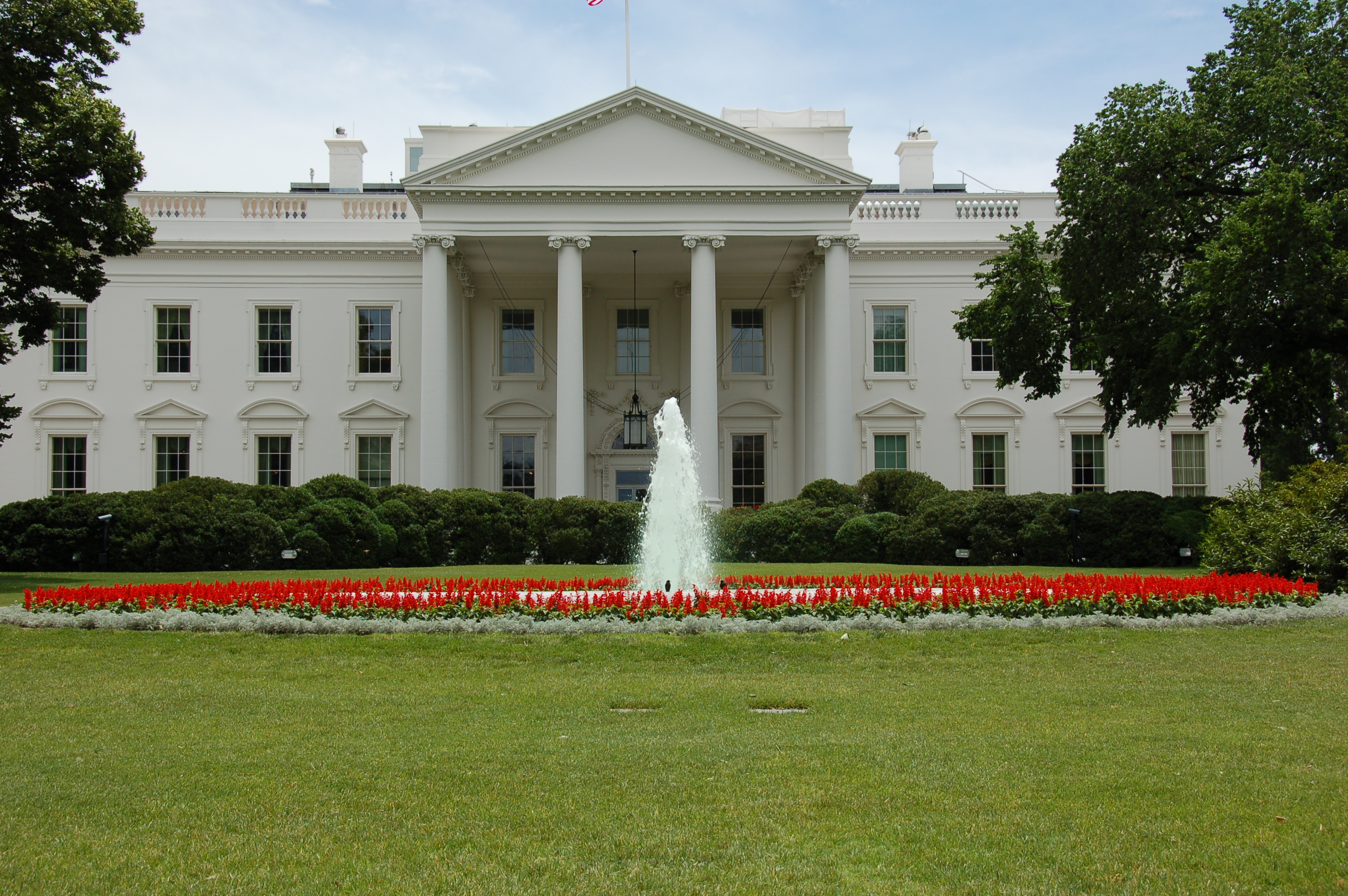
The federal government owns a lot of sinks, faucets and toilets in the District of Columbia, where 195,000 government employees wash their hands, fill up their water bottles and flush their waste on a daily basis.
The government is the largest water customer in the city, and because of the ongoing federal shutdown, its water bill is past due. The large unpaid bill left DC Water officials wondering what their options are, and whether turning off water to the White House is among them.
“We received an email Wednesday, January 2, from an individual at the bureau of fiscal services at the treasury,” said Matthew Brown, chief financial officer at DC Water, speaking during the water authority’s first board meeting of the year. He went on to read from the email: the federal government would not be paying $5 million of its $16.5 million quarterly water bill.
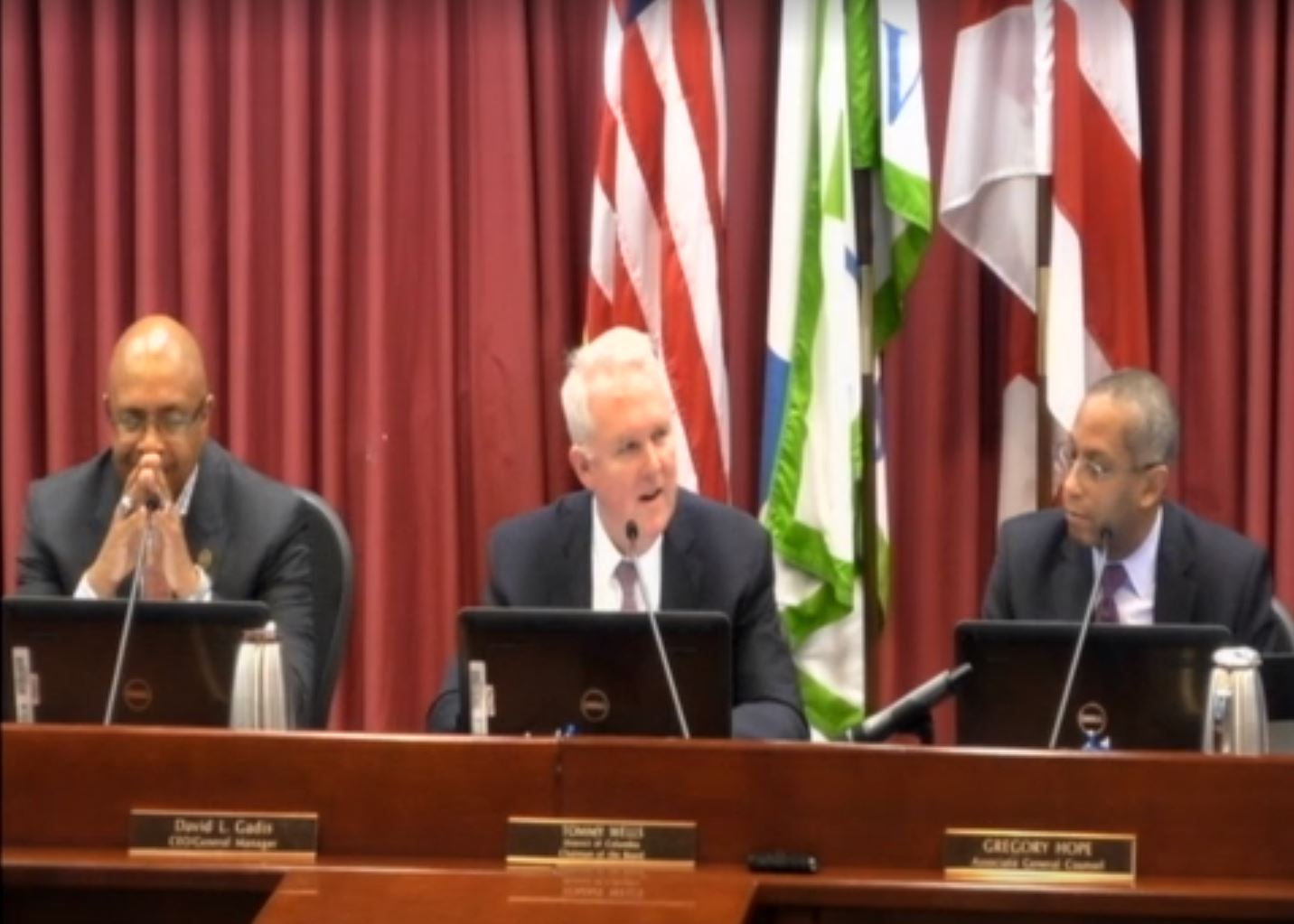
Tommy Wells, chairman of the DC Water board of directors (center), during the January 3 meeting.DC Water
“That brings up an interesting question,” responded DC Water board chairman Tommy Wells. “Is there a time from nonpayment when we cut someone’s water off?”
“1600 Pennsylvania Avenue, is that what you’re talking about?” asked another board member, to laughter.
Under D.C. law, the water authority may shut off water to a customer for nonpayment after 30 days. After 60 days, a lien can be placed on the property in question, until full payment is made. Residential customers are charged a 10 percent fee for late payment (plus a $100 shut-off fee if water service has been turned off).
So could DC Water really shut off water to the White House, if the shutdown continues and unpaid bills pile up? Could the water authority put a lien on the presidential mansion? “Conceivably, DC Water can shut off service for nonpayment to any customer,” says DC Water spokesperson Vincent Morris. “We don’t do it very often, it’s a last resort, we never want to do it.”
Instead, says Morris, customer service representatives will reach out to delinquent customers to work out a payment plan. “Obviously, for things like the General Services Administration for the federal government it’s a slightly different process, because we know they’re good for the money, it’s just a question of when it’s actually going to be transferred.”
“It would probably be, just off the top of my head, approximately a year before it begins to be a real problem,” answered the CFO, Matthew Brown. “That would be a shortfall of about $20 million dollars, and we would have to have a conversation about how to move forward.”As for the effect the shutdown could have on DC Water and its other (paying) customers, it will likely be negligible. The question came up at the recent board meeting. “How long can we carry the federal government before it creates a fiscal weakness to the enterprise?” asked chairman Tommy Wells.
Though President Trump has threatened to keep the government closed for “months or even years” if Congress doesn’t fund border wall construction, a stalemate seems unlikely to last that long. The White House probably doesn’t need to worry about stockpiling bottled water.
Asked whether DC Water might use the threat of a water shutoff to help broker a deal between the White House and Congress, Morris said it was “an interesting idea.”
“Water is leverage,” said Morris. “No one wants to go without it.”
This story originally appeared at WAMU.