Natalie Delgadillo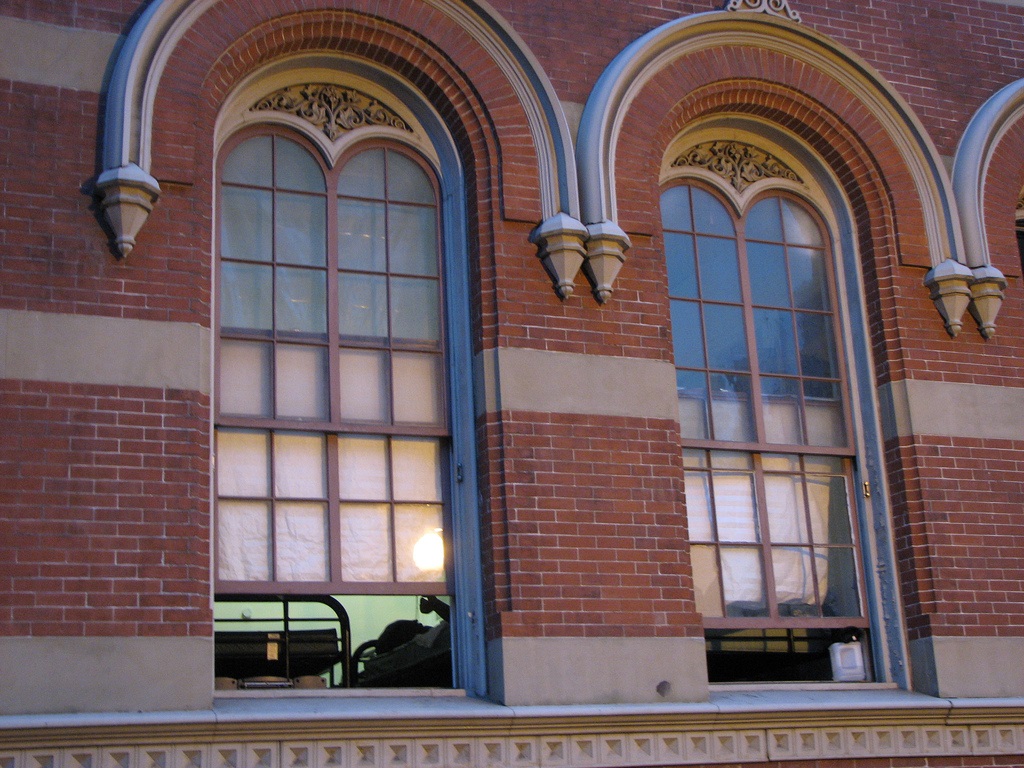
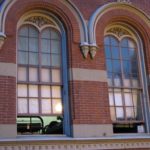
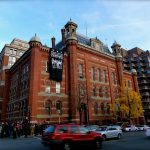
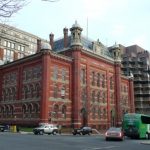
There are only 18 buildings in the entire District of Columbia with as much historical preservation protection as the Franklin School, a stately and beautiful building on K Street NW erected in 1869 as the District’s first high school. Both the outer facade and much of the interior are historically protected under D.C. law, meaning there’s a long and arduous permitting process required before anyone is allowed to demolish or alter them (getting these permits approved is no walk in the park, and generally there has to be some reason “necessary in the public interest”). The site is also a National Historic Landmark.
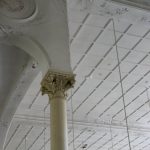
Turns out, however, that permits don’t actually stop drills and hammers and axes. A developer selected to convert the Franklin School into a language arts museum destroyed a significant amount of historical material inside the building, and now the city is trying to figure out how on earth that happened. The developer for the museum, which is going to be called Planet Word, was only granted a permit for environmental abatement, which allows for getting rid of things like mold and asbestos. Instead, construction crews removed and destroyed nearly all the wood wainscoting (or panelling) in the building, flooring, tin ceilings, and other finishes.
According to testimony from city officials at a D.C. Council oversight roundtable on Tuesday, it’s not at all clear how this happened. The developer appears to have greenlit work without the knowledge of the project architect, and removed plaster in the name of remediating mold.
“As the developer, it is my responsibility to ensure that the work we are doing to rehabilitate and preserve the Franklin School is conducted with appropriate care and within the boundaries established by our building permits. I sincerely regret that unpermitted work occurred and am committed to ensuring that these mistakes aren’t repeated,” said Ann Friedman, the philanthropist and developer behind Planet Word, in an email statement.
But it’s not just the developer that councilmembers are interested in here: Council Chairman Phil Mendelson grilled government officials about their response to the developer’s violations. The city found out about the violations on August 17 of last year, according to the Washington Post, but it took weeks for a stop-work order to get issued. City officials from the Office of Planning toured the site on August 30 and confirmed the destruction of historic materials. It wasn’t until September 4 that the Department of Consumer and Regulatory Affairs issued a stop-work order.
Mendelson really wanted to know why.
“Why didn’t DCRA [issue the order] sooner?” Mendelson asked multiple times. No one from DCRA was present to answer—the executive branch sent representatives from the Office of Planning—and Mendelson eventually postponed the hearing because of it.
“I want to know why DCRA isn’t here,” Mendelson said at one point. “I’m going to recess this hearing because I want DCRA to come. We have oversight over DCRA, they’re the ones who issue permits … I know this is a hearing about the Franklin School, but we have a problem with illegal construction in this city.”
A spokesperson from Mendelson’s office told DCist that they haven’t set a date for the next hearing on the matter, but that it will likely be rolled into an oversight hearing on DCRA.
Despite the permit violations, the city will still allow the museum to be built. David Maloney, D.C.’s state historic preservation officer, said in his testimony on Tuesday that the city and the developer have reached a Memorandum of Understanding requiring that Friedman and her development company restore some of what was lost: three historic rooms (two classrooms and one administrative office) and some finishes throughout the building will have to be replicated. The agreement also “includes a provision for monitoring of the rehabilitation and restoration process on a monthly basis by the National Capital Planning Commission,” according to Friedman.
Maloney said these remediations “do not make up” for what was lost.
This story has been updated with a statement from Ann Friedman, the philanthropist and developer behind Planet Word.