Natalie Delgadillo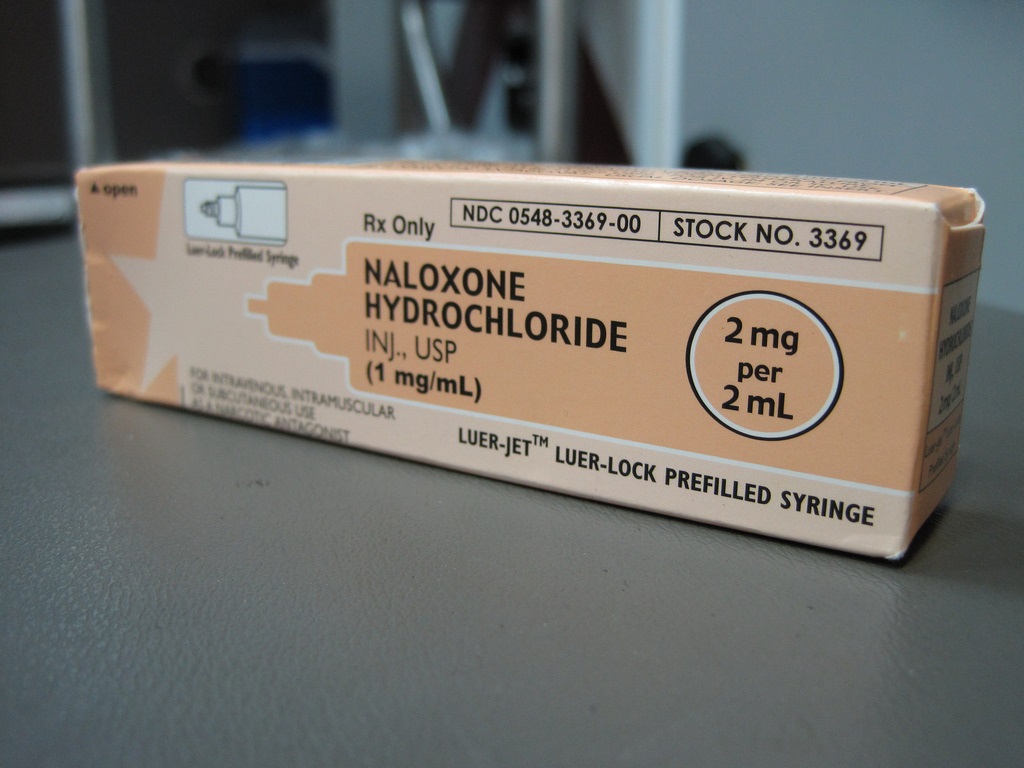
Mayor Bowser announced on Friday that she will move to equip D.C. police officers with naloxone, a lifesaving opioid overdose antidote.
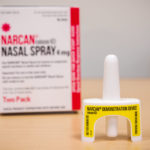
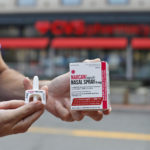
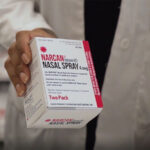
Federal funding awarded to the D.C. Department of Health will be used to purchase 50,000 naloxone kits for police officers, community organizations, and people who suffer from opioid use disorder, Bowser announced in a press release. Officers will be equipped with the kits by the end of the year. Each kit will contain two doses of naloxone nasal spray.
“We’re very focused on developing solutions to the opioid epidemic that meet the needs of our specific community. This plan takes into account the experiences and advice of our public health and safety experts, and represents our commitment to doing everything we can to save lives and end this epidemic,” Bowser says in the release.
The announcement comes after initial resistance to the idea from both the mayor’s office and police officials. Kevin Donahue, the Deputy Mayor for Public Safety and Justice, told the Washington Post earlier this month that District police and fire department officials believed giving officers naloxone “is not the right solution for our community.” Donahue didn’t cite any specific reasons for that, according to the Post.
Police officials have said that the expense of obtaining the drug and training officers to administer it is too high.
Bowser’s announcement arrives on the heels of criticism of the city’s handling of increasing opioid deaths following a Washington Post investigation into the matter. In 2017, 279 people died of opioid overdoses in the city. According to CDC data, from 2012 to 2017, D.C.’s overdose deaths have increased 249 percent, more than any urban area in the country.
Meanwhile, the Post found, the city has failed to adopt measures widely used in other cities battling the opioid epidemic—including giving police officers naloxone, and providing them with the training to use it. (The mayor has since released a plan to combat opioid addiction and overdoses in response, aiming to reduce overdose deaths by 50 percent by 2020).
On January 8, 11 members of the D.C. Council co-introduced the Opioid Overdose Prevention Act of 2019, which would equip Metropolitan Police Department officers with naloxone. (Members of the Council also introduced a bill last session that would have given police the drug, but it never came to a vote.)
Councilmembers criticized the mayor’s office and police officials for their opposition to giving police the drug. Ward 7 Councilmember Vincent Gray, who chairs the Committee on Health, said does not buy MPD’s assertion that the training will be too expensive. “That’s just another way of saying, ‘We’ve determined what the price of a life is, and we’re not willing to pay that price,'” Gray said, according to the Post.
With her announcement on Friday, the mayor has changed her tune.
Naloxone kits will be distributed to MPD officers according to need, starting in areas particularly hard hit by overdoses, including downtown D.C., and Wards 7 and 8, according to Bowser’s press release. MPD is coming up with its training requirements for officers who will administer the drug now.
“MPD is committed to working with our public health partners so we can better serve our communities suffering from the ongoing opioid crisis,” Police Chief Peter Newsham said in Friday’s release.
Despite the mayor’s announcement, At-large Councilmember David Grosso told The Post that he wants the bill to pass to enshrine the policy in D.C. law. “The legislation is still necessary, because she could change course again,” Grosso said.
https://twitter.com/PeteJamison/status/1086353773658865664
This post has been updated with Councilmember Grosso’s comments to the Washington Post.