Jacob Fenston
Stories abound of citizens pitching in to pick up trash on federal land while government workers are furloughed have made headlines. But hundreds of volunteers are being turned away: people with regular volunteer gigs are being told to stay home, and volunteer organizations have been scrambling to change plans.
“On Martin Luther King weekend we had planned to bring a couple hundred volunteers into the park to remove invasive species and do trash cleanups,” says Jeanne Braha, executive director of Rock Creek Conservancy. “We are moving all of our volunteer events out of the park and to adjoining areas that have an impact on those parks.”
Other organizations are canceling events or trying to reschedule.
“Unfortunately we couldn’t find another site in enough time,” says Alycia Chuney, community engagement coordinator for the Student Conservation Association, which has held yearly MLK Day cleanups in Anacostia Park for the past decade or so. This year, Chuney says she decided to cancel when she couldn’t even get a hold of anyone at the National Park Service. She hopes to reschedule for Earth Month, in April, but can’t do any planning until park employees are back in the office.
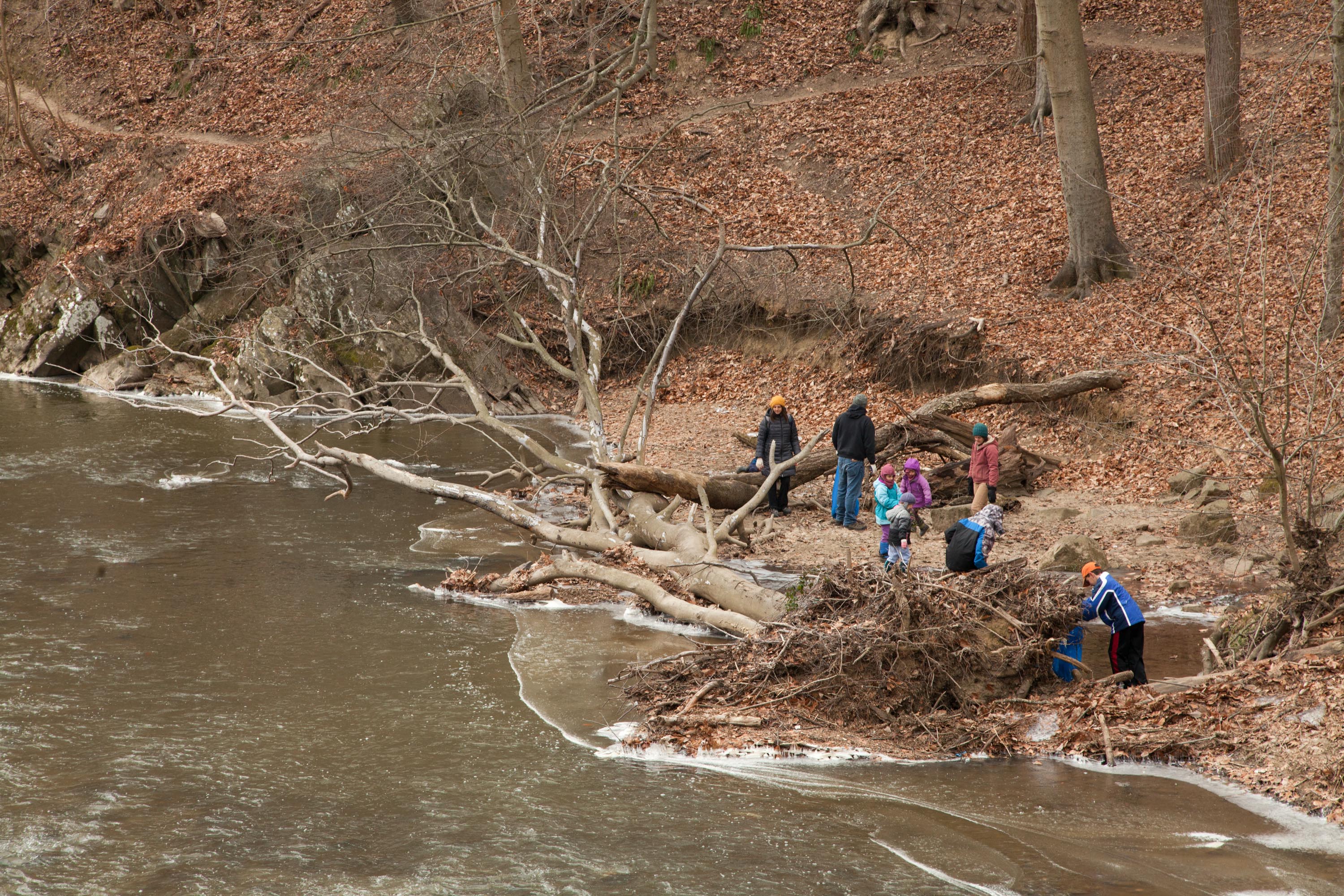
Volunteers pick up litter in Rock Creek Park during the 2018 MLK Day cleanup.Katy Cain / Rock Creek Conservancy
On a basic level, this makes no sense. Both Rock Creek Park and Anacostia Park are open to visitors — so why are they closed to do-gooders? Tina O’Connell, executive director of Friends of Kenilworth Aquatic Gardens, says one reason she canceled her group’s planned MLK weekend cleanup was equipment.
“We currently don’t have the trucks and all of the dumpsters,” says O’Connell, so there would be no way to haul out the trash volunteers collect. There’s also all the safety gear, owned by the National Park Service. “They’ve got the first aid kits, the defibrillator, all of that stuff.”
Jeanne Braha, with Rock Creek Conservancy, says park staff usually provides supervision.
“Particularly when we’re removing invasive plants from the park, park biologists do spot checks to make sure that we’ve removed what we’re supposed to,” she said.
Equally important, says Alycia Chuney, “There’s no access to water or restrooms with the government shutdown.”
Hundreds of people + no toilets = not a good combination.
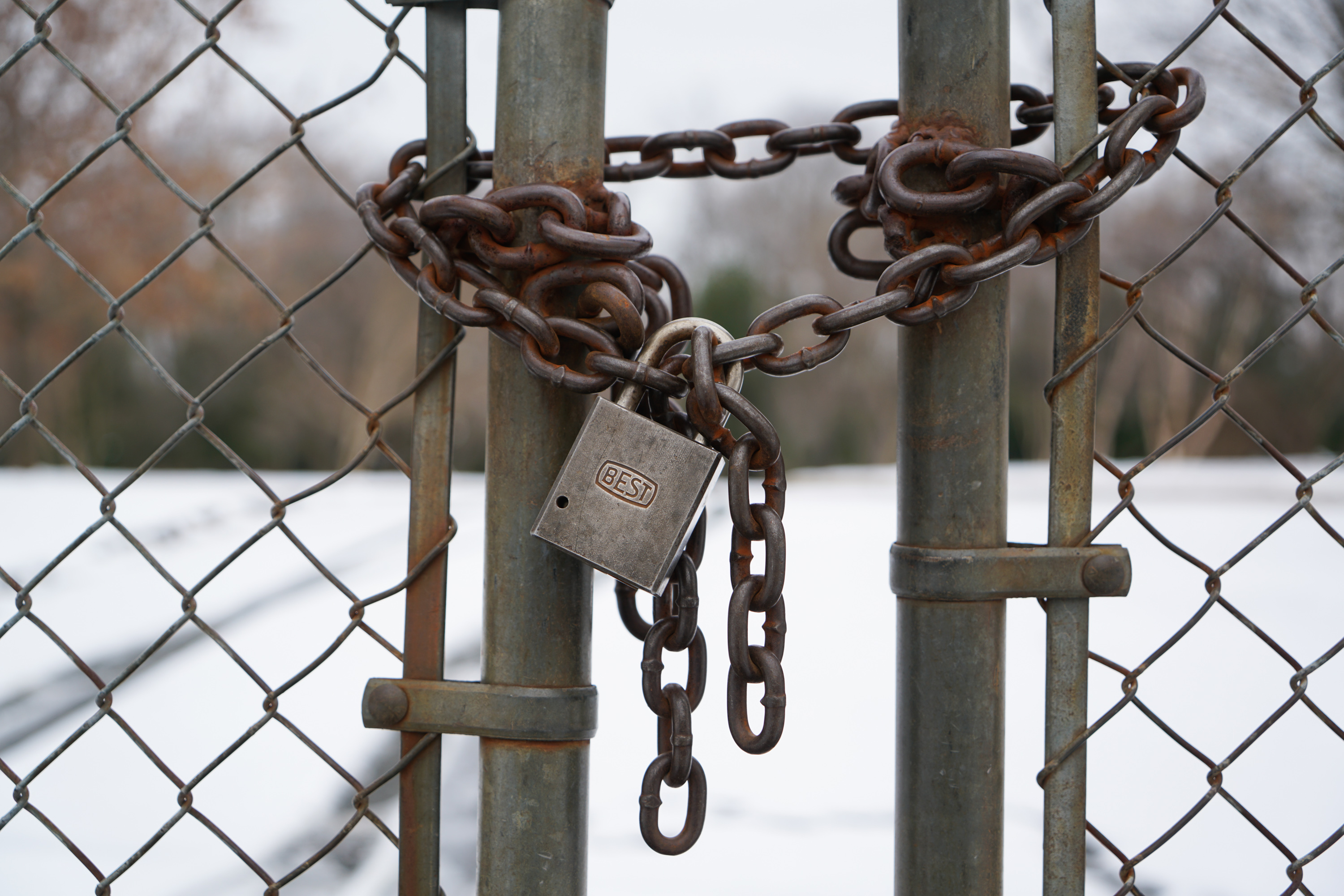
It may be the BEST lock, but locked national parks aren’t the best.Jacob Fenston / WAMU
Long-term effects?
Zandra Chestnut stands outside the chainlink fence that surrounds the Kenilworth Aquatic Gardens in Ward 7. It’s run by the National Park Service, right next to the Anacostia River, and famous for its water lilies that bloom in the summer.
“As you can see, the gates are locked, and we have a sign saying the area is closed,” says Chestnut, who is furious about the shutdown. “It feels like I’m being held hostage in my own community,” she says.
Chestnut has been volunteering at the aquatic gardens for about five years and is now chair of the board of the friends group. She says volunteers do just about everything, including the messy work of pulling lilies from the ponds at the end of the season.
“You have to put on these huge waders and get out there in the water. Being a senior, I’m like, ‘Let me work in the greenhouse. I love gardening.’”
Since the shutdown started, almost a month ago, volunteers haven’t been allowed inside. Unlike many national park sites, Kenilworth has a gate that closes, and it has been padlocked since December. Chestnut and other volunteers have no idea how the plants inside are faring.
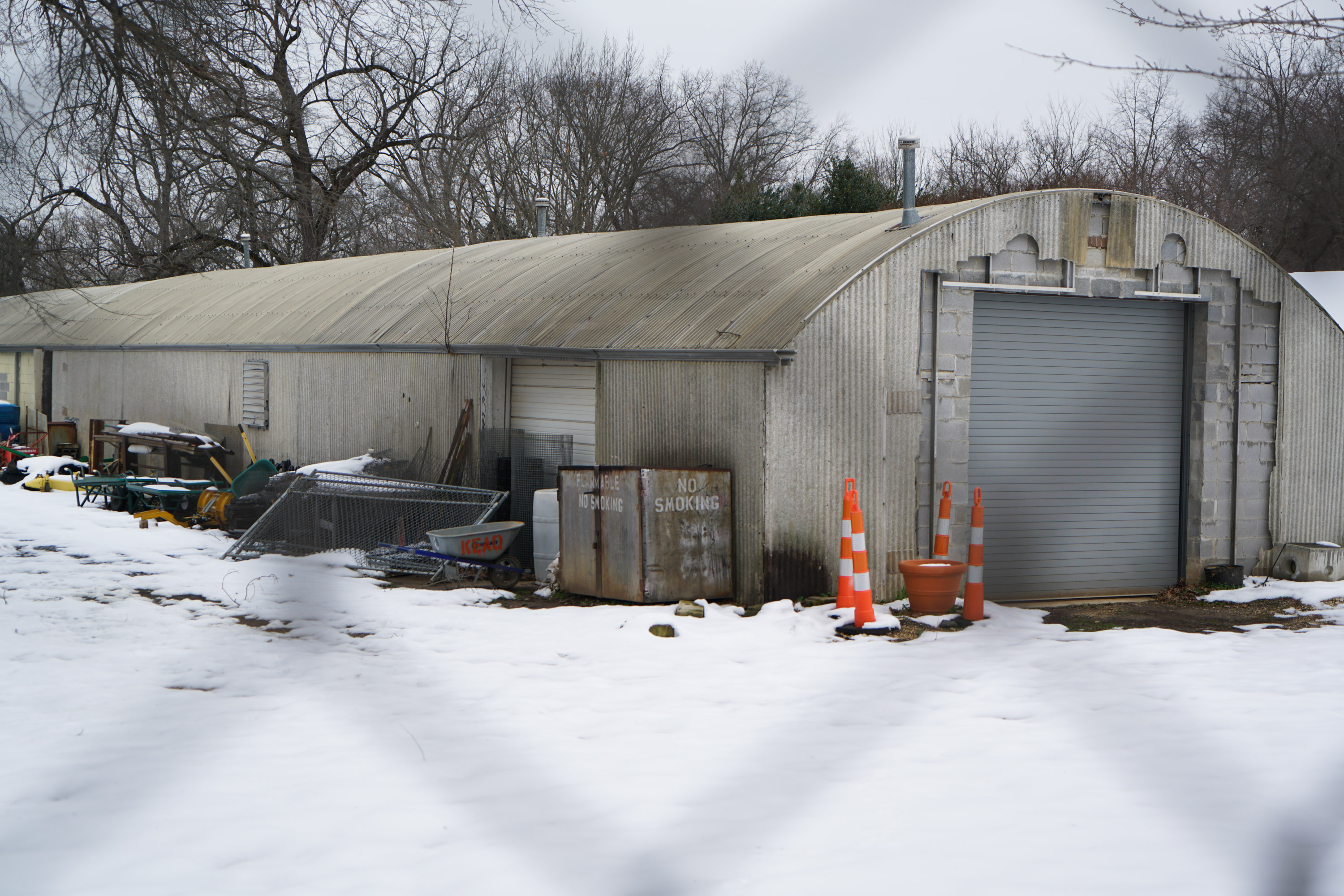
Volunteers usually do weekly work caring for plants in the Kenilworth greenhouses. Since December, they haven’t been allowed inside.
“There is one employee who is allowed through the shutdown procedure to check on things,” says Tina O’Connell, executive director of Friends of Kenilworth Aquatic Gardens. She says it’s usually a busy time of year for her group: caring for plants that are overwintering in the greenhouse, sharpening tools for spring work, and making work plans for the year. It’s all on hold while the park service is shuttered. Even something as simple as launching a new website for the nonprofit can’t happen without input from NPS.
“All of the work that we do really is in partnership with the park service,” says O’Connell.
Some volunteer groups worry that as the shutdown drags on, the backlog of work could be a real problem. Laurie Potteiger is with the Appalachian Trail Conservancy. The trail, from Maine to Georgia, is mostly kept up by an army of some 6,000 volunteers.
“There are not employees who are hired to do this maintenance,” says Potteiger. “It’s all volunteer.”
Volunteers lug hand saws into the wilderness to remove downed trees, they clear vegetation growing into the trail, and they shore up muddy areas. Right now, the AT needs a little TLC, after the record rainfall of 2018. But during the shutdown, volunteers are prohibited from working on the Appalachian Trail. Potteiger says it is because of liability — volunteers are usually covered by agreements signed with the park service.
Potteiger worries about what will happen if volunteers can’t start trail work again soon. Each year, more than 4,000 people hike the AT’s full 2,181 miles, and many of them start in March.
“That’s only six weeks away, and volunteers need time to schedule their work trips and sometimes get rained or snowed out. So the window in which to complete the work for the spring season is rapidly closing.”
So: what can you do if you’re looking for a way to help out this weekend? Jeanne Braha, with Rock Creek Conservancy, suggests looking for events in state parks or city or county parks. Or, she says, try hitting the trails on your own rather than with a big volunteer group.
“If someone’s ‘plogging’ through Rock Creek Park, that’s not governed as a volunteer activity because the impact is smaller.”
Plogging, in case you were wondering, is Swedish for picking up litter while jogging.
This story was originally published on WAMU.
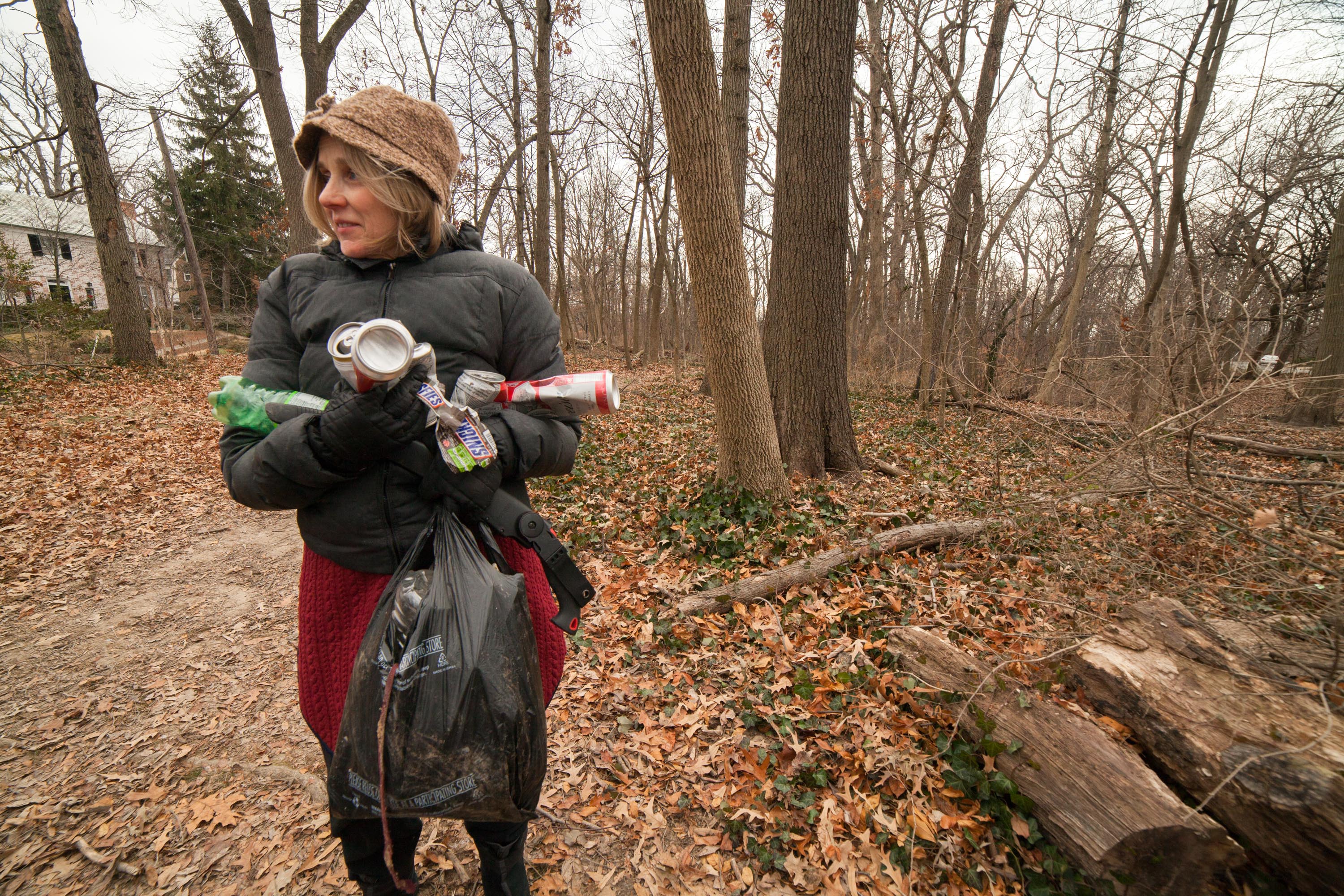
Bring a big bag when you go plogging.Katy Cain / Rock Creek Conservancy