Five weeks into the longest government shutdown in U.S. history and there have been countless stories: federal workers visiting food banks for the first time in their lives, unable to afford bills and health treatments, contractors without work and ineligible for back pay. But photographers Geoff Livingston and Kirth Bobb felt they weren’t seeing a full and accurate portrayal of the people they know.
“A lot of the stories we were seeing were demeaning. People are suffering, but we’re not seeing the real pictures of them,” Livingston said.
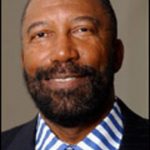
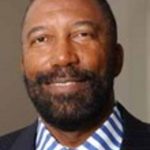
Livingston and Bobb, both award-winning photographers, took to social media and began planning a project aimed at capturing another side of the people being affected by the shutdown. The resulting series of headshots presents them as the professionals they normally are, and a majority of them are still managing to smile through it all.
The shutdown ”kind of thrust shame on people. It’s not just their finances that are affected, it’s their way of life,” Livingston says. “We feel like it’s an accurate way of presenting them because it’s how they would present themselves if you were to work with them or go to a meeting.”
Of the 800,000 affected federal workers (and an untold number of contractors), an estimated 145,000 live in the D.C. region.
“I hear talks of large numbers and it’s all kind of like white noise,” says Jason Schlosberg, a Department of Transportation worker who participated in the project. “We’re not just numbers or statistics. I think the media has only scratched the surface.”
The photographic essay features portraits of 21 furloughed workers in D.C. region, along with some insights into how the unprecedentedly long shutdown is affecting them. The personal narratives—from a State Department worker forced to defer her cat’s medical care to a single mom who works at the National Archive struggling to make her mortgage payment—show how the shutdown is taking its toll on families of all shapes and sizes.
“There is a lot of pressure,” Schlosberg says. “We’re forced to contact all our creditors and ask for forgiveness during the shutdown. It’s affected doing simple things like paying our mortgage for the month or our children’s daycare.”
The testimonies span many of the wide-ranging occupations furloughed by the shutdown, including scientists employed by NASA and workers at the National Gallery of Art.
Despite their frustration, many are trying to remain optimistic and hope for the long awaited end with the promise of backpay.
“We’re all kind of at our wits end.” Schlosberg continued, “I cannot control politics. I can post on Facebook and vent, but that’s the extent of my control. I’m trying to realize I don’t have control over this. I’m just trying to do the best I can with this situation.”
To learn more about the Shutdown Stories Project and other stories like Jason’s, check out the project’s website here.