 Rachel Sadon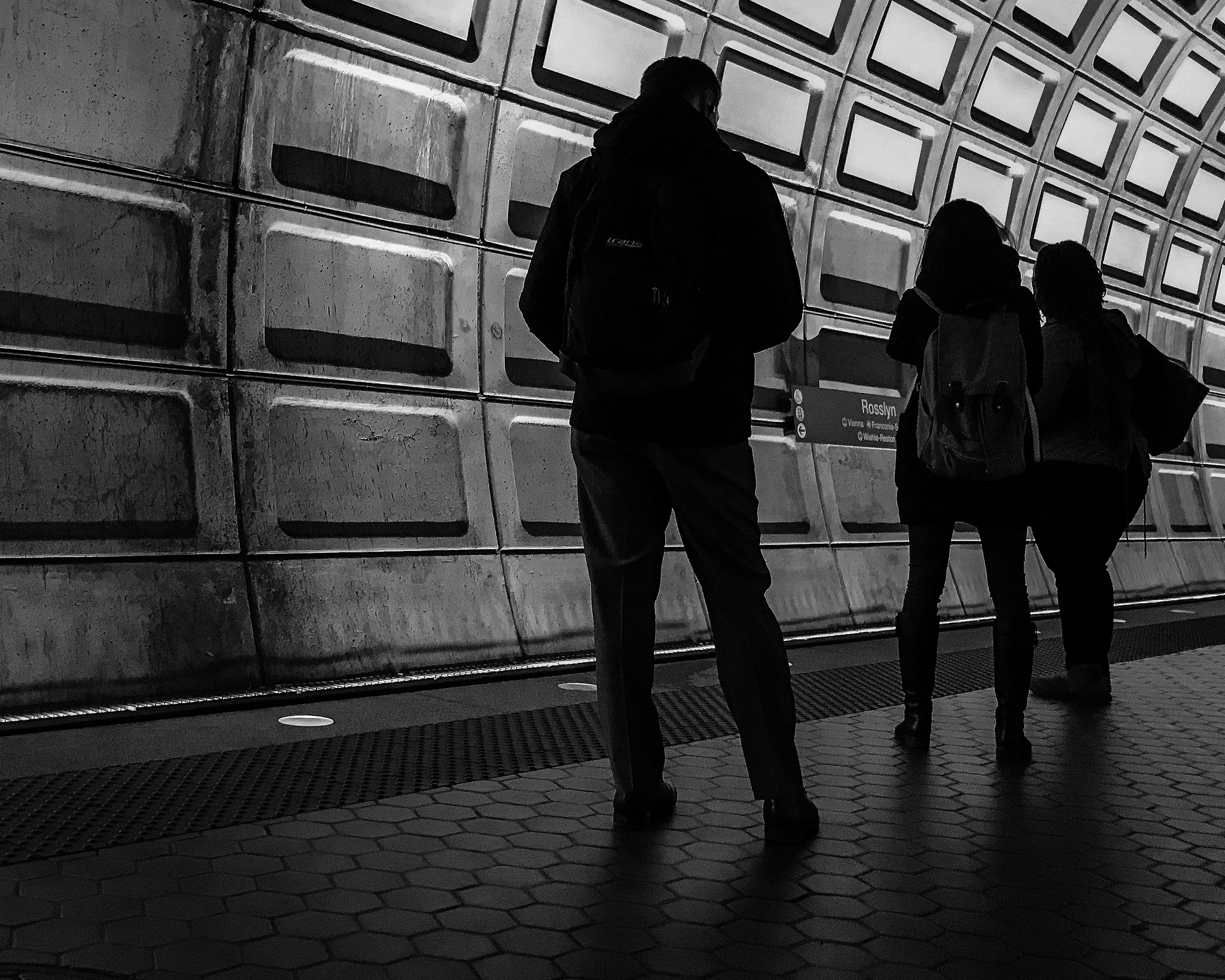
Washington’s streets had a different feel Monday morning as the region’s thousands of federal employees headed back to the office.
“I’m going to kiss my boss, I’m so happy to be back,” said Jeretha, an employee at Department of Housing and Urban Development. At a Starbucks, she greeted her regular barista with a hug.
Metro trains were packed again (and a sick passenger on the Red Line caused delays) as government employees returned to their desks after the longest shutdown in U.S. history. At L’Enfant Plaza, commuters were greeted with coffee, courtesy of the Southwest Business Improvement District.
“I’m glad to be back and make sure our air safety stays as it is,” said Ken, a Federal Aviation Administration employee.
https://twitter.com/tyronefoto/status/1089896414166040577
https://twitter.com/cecmunoz/status/1089876123503263745
https://twitter.com/StephCaccomo/status/1089853584467001344
For all the jubilation, there was also a lingering sense of unease. The deal to reopen the government will only last another three weeks.
“With the chance of another shutdown, everyone’s going to be trying to get work done, not knowing what the future holds,” said Shaneika, who also works at HUD. “It just goes to show you that nothing’s guaranteed.”
As the government machinery creaks back on, it also isn’t exactly clear when workers will get their missed paychecks.
While some landlords worked out arrangements for furloughed workers, Karen said her building manager wasn’t one of the sympathetic ones. On the way to work at the Department of Homeland Security, she said that saying home for so long had been deeply frustrating.
“It puts you into a depressed state, because you just don’t know what’s going to happen next,” she said.
About 800,000 federal workers (and an untold number of contractors) were affected by the shutdown, an estimated 145,000 of whom live in the D.C. region. One economist estimated that it cost the region $1.6 billion in lost economic activity and earnings.
“For me personally, I feel it was all done for naught,” said Ken, the FAA employee. “It was just a waste of time, taxpayers’ money and the whole nine yards.”
This story originally appeared at WAMU.