Rachel Kurzius

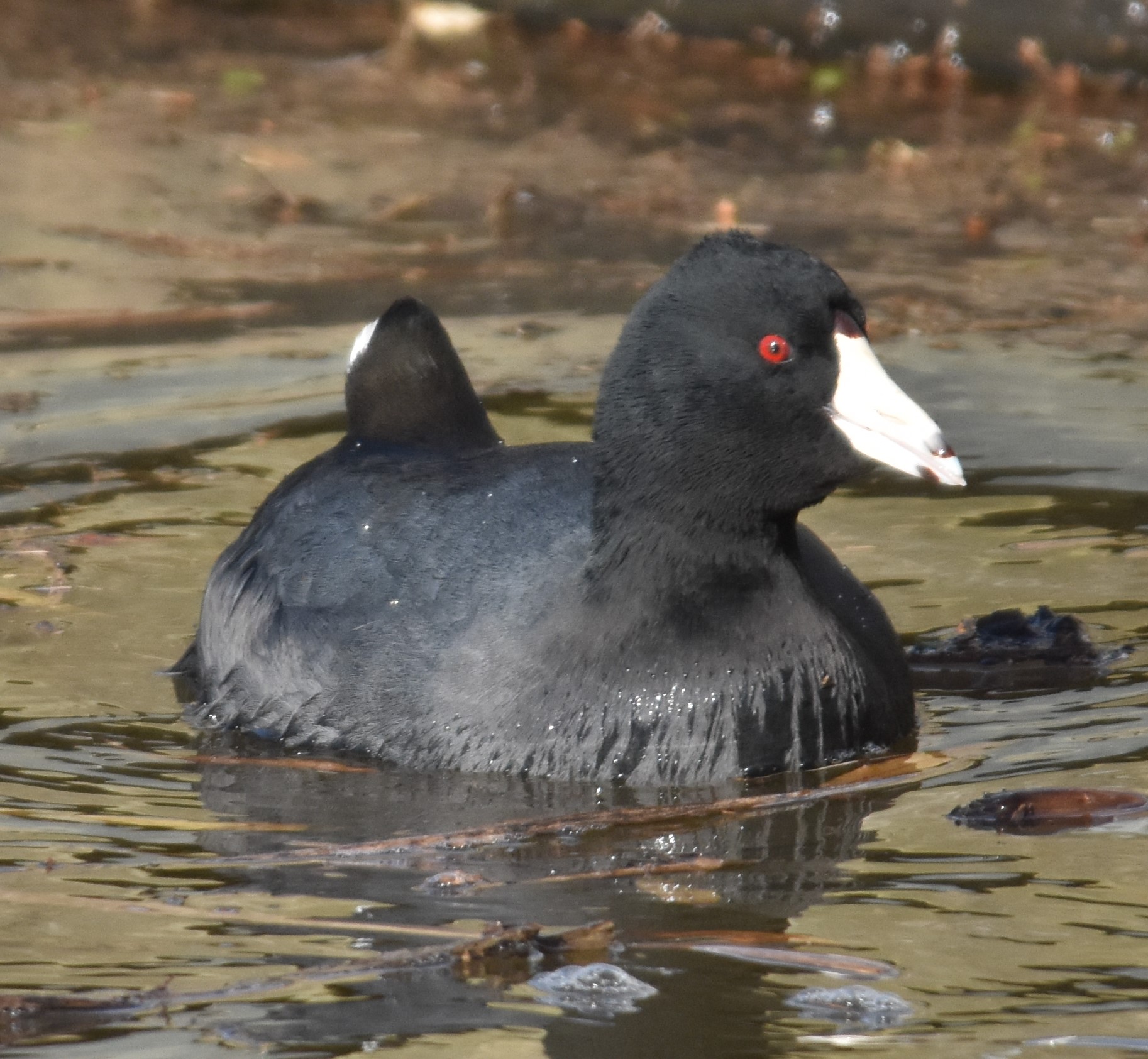
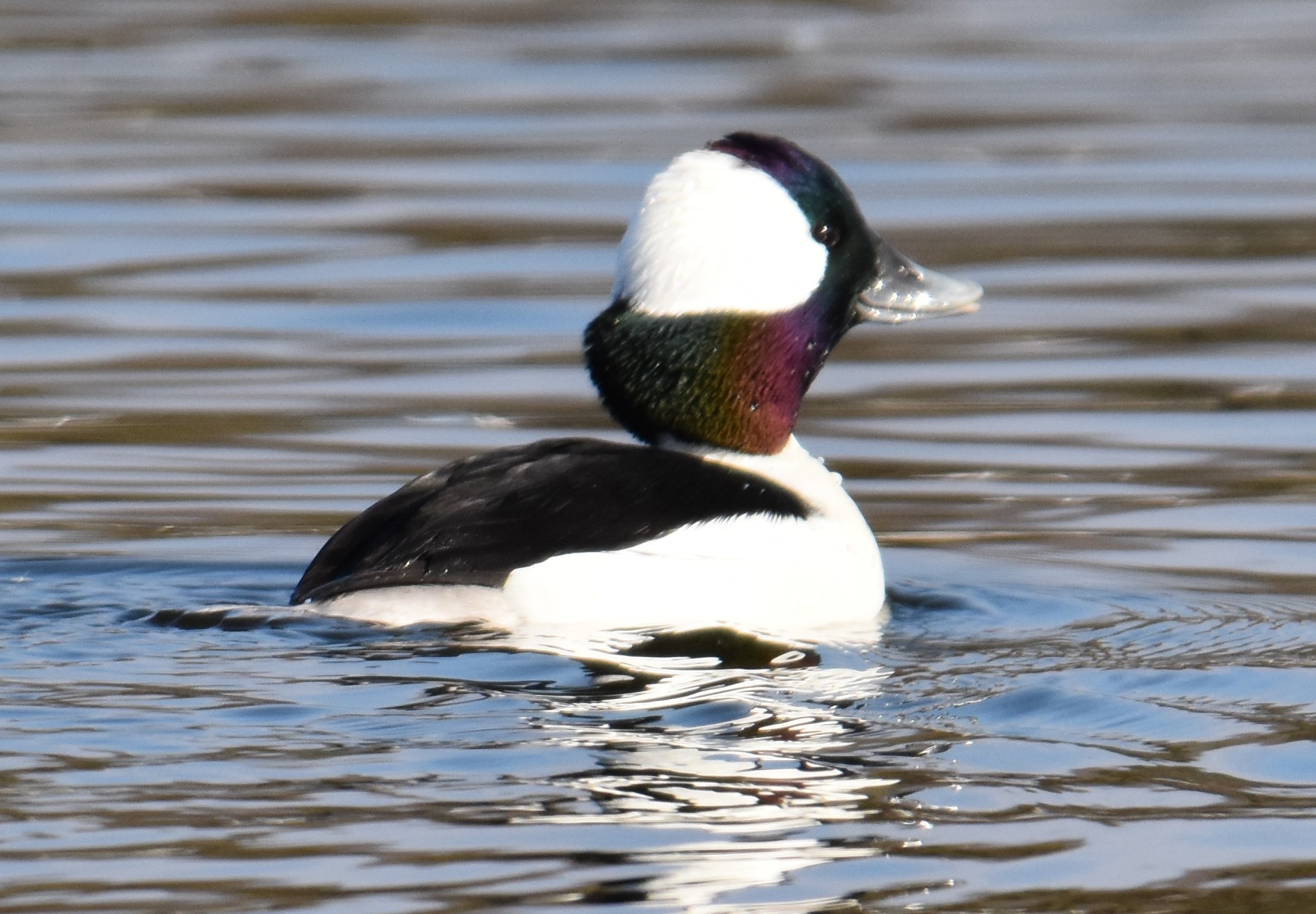
New Yorkers have been dazzled by a so-called “hot duck” since the latter part of 2018, when a stunning Mandarin duck, native to East Asia, arrived at the Central Park Pond. But never fear, Washingtonians, because we’ve got something better than one measly mysterious duck—we’ve got dozens of stunning varieties of the species deserving of your ardor and affection.
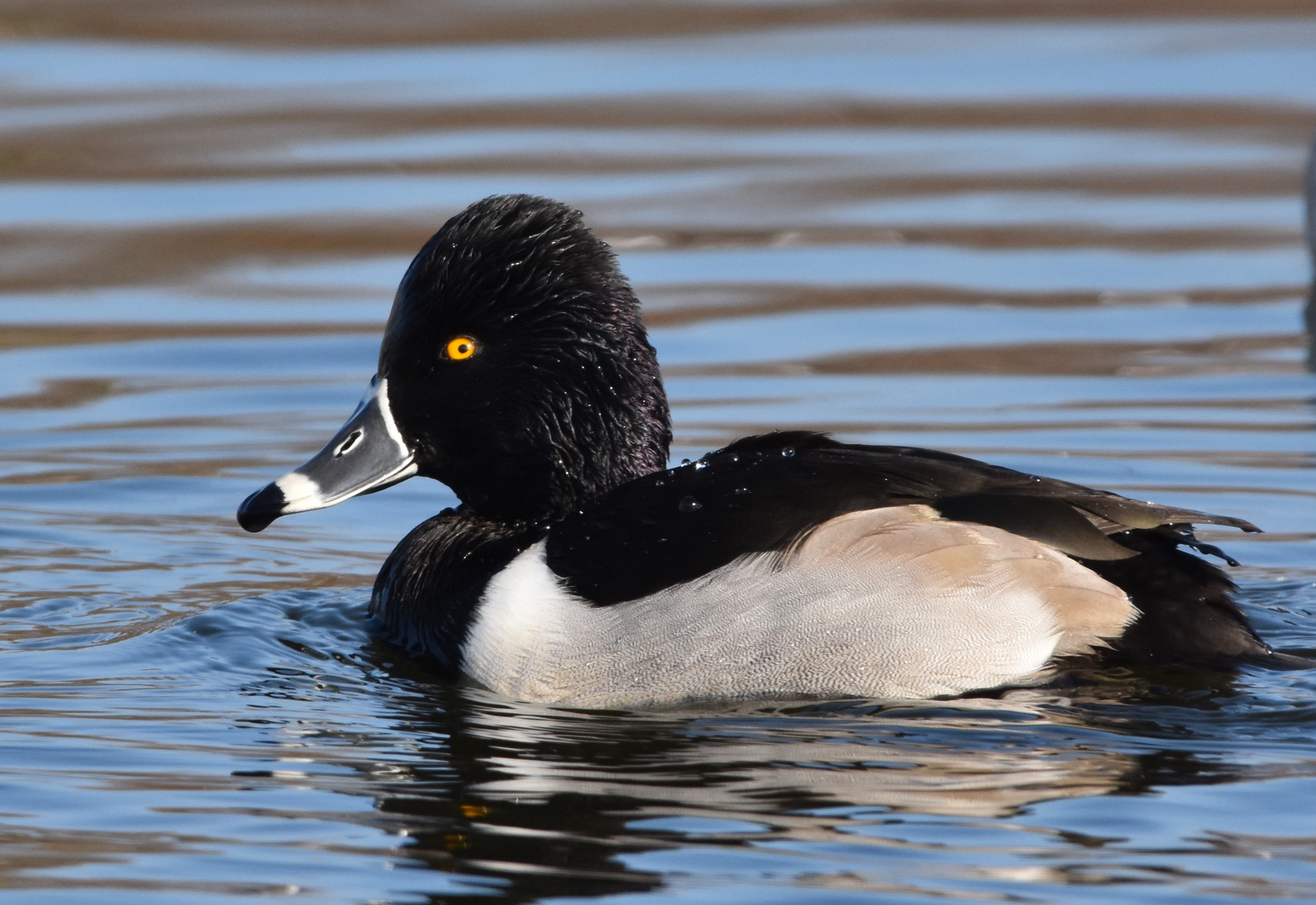
Jenny Glenn has captured many of these beauties as they go about their business on the Anacostia: the rainbow iridescence decorating the small but mighty Bufflehead, the haunting red eyes and goth vibes of the Coot (which is technically not even a duck—how exciting!), the ever-ready for a black-tie event stylings of the ring-necked duck, and my personal favorite, the Hooded Merganser, a fish-eating duck that looks like the thoughtful, sleek cousin of the Bride of Frankenstein.
“I misunderstood Twitter,” Glenn says with a laugh. “I thought that was where I was supposed to put my bird pictures.”
And indeed, her Twitter account is rife with avian photos. The computer programmer goes out for two to three hours on a near-daily basis to photograph wildlife, a habit she picked up after becoming a volunteer with the Anacostia Watershed Society in 2014. The environmental nonprofit annually participates in the City Nature Challenge, during which people across the globe compete to observe as many local wild plants and animals as possible, and upload them to a site called iNaturalist, which categorizes the organisms through crowdsourcing.
Glenn was hooked. She’s since upgraded her equipment multiple times. Originally she used her cell phone camera, but users on iNaturalist said it was too tough to make out the creatures’ distinctive markings, and would contest which species she’d captured. Now she has a Nikon outfitted with a bird lens, and “you can count the individual feathers” in a photo. She also went through the training of AWS’s master naturalist program.
She still posts photos on iNaturalist. “The Anacostia in general was never particularly seen as a cradle of biodiversity and wildlife,” Glenn says, but the site shows a total of 497 species (including plants and animals) spotted around Anacostia Drive. She also uses the AWS field guide.
“My philosophy is, nature’s out there—go look at it,” says Glenn. “I’ll always see things that just amaze me.”
Don’t interpret her many photos of our feathered friends as an indication of how she feels about them, though. “The truth is, I really hate birds, but in the winter there’s no bugs, no plants, so all I’ve got is birds,” she says. “There are a lot of very, very serious bird people and I am not among their number.”
One serious bird person is Brian Schmidt, a museum specialist in the division of birds at the Smithsonian Museum of Natural History. He says that the D.C.-area has historically been host to 34 species of duck, though a couple of those birds no longer occur as regularly as they did when the region had marshier habitats.
While that number isn’t an aberration for urban areas located near water, D.C.’s population does include both salt and freshwater species. But this isn’t necessarily their favorite place. “Some of the ducks that regularly are seen here, don’t prefer this area,” he says. “They just come here occasionally. They would prefer to be out in the Chesapeake Bay.”
While the Mandarin duck been a particularly splashy example of a rarity, meaning a bird spotted outside its usual region, Schmidt notes that the D.C.-area has been host to some of its own rarities, like a Barnacle goose spotted in Frederick, Md. this year, a long ways away from its traditional habitat of Northern Europe. Another European bird, the Tufted Duck, also shows up on occasion.
If you’re interested in observing some ducks for yourself, now’s the time. “Most of the birds that we’re seeing are primarily in the wintertime,” he says.
Schmidt says that efforts to clean the Anacostia River have resulted in more birds appearing there, including the Hooded Merganser, which can nosh on the increased amount of fish that now live there.
Thank goodness. I wouldn’t want any of my beloved Hooded Mergansers to end up like Trevor, “the world’s loneliest duck.“