Martin Austermuhle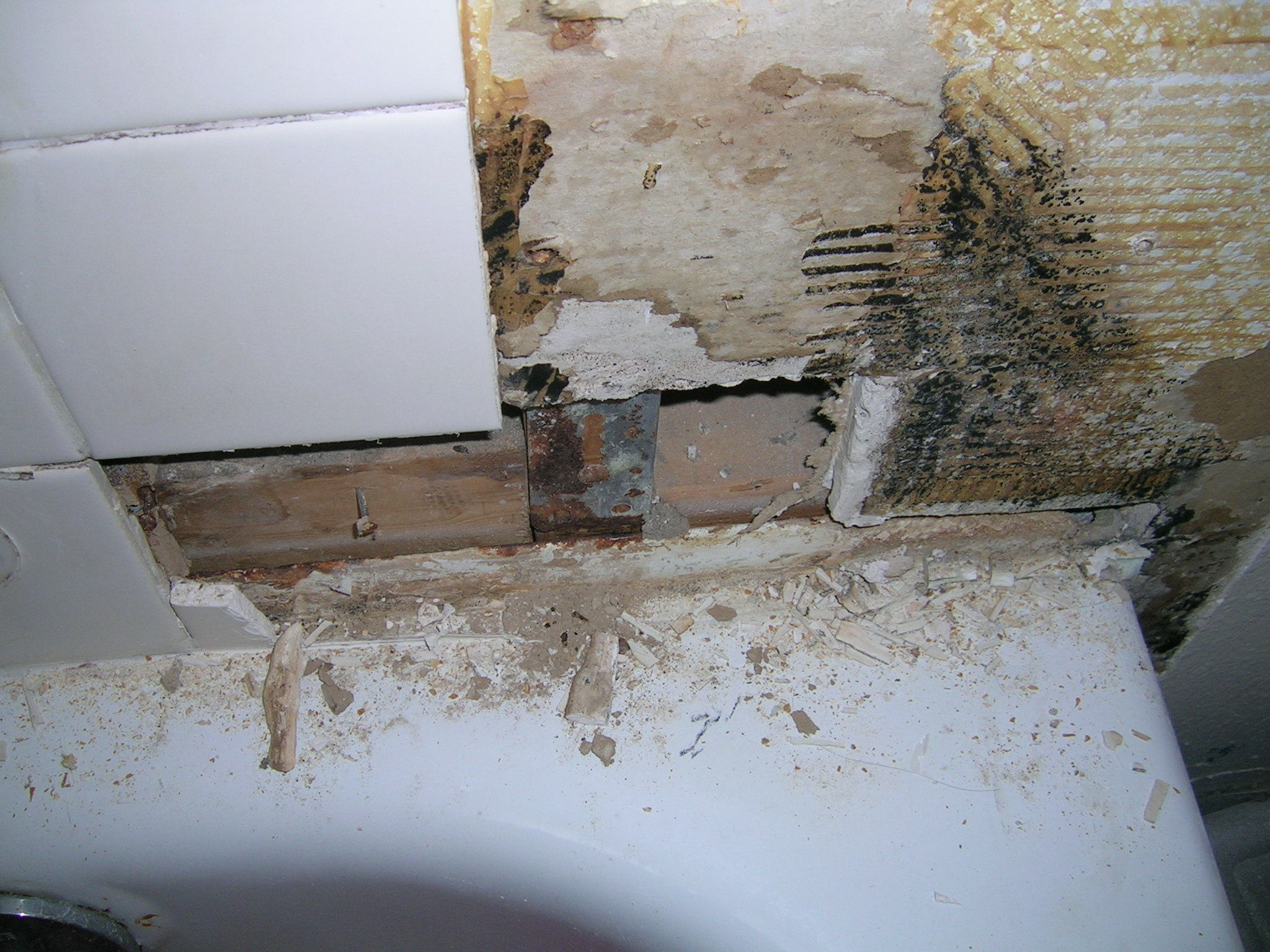
It’s a homeowner or renter’s nightmare. Something catches your eye in the corner of your living room. Upon closer look you see it’s a pattern of mold blooming at the base of the wall. You have to get rid of it immediately.
But that can be easier said than done in D.C. Landlords are responsible for remediating mold when it’s found, but existing city inspectors aren’t trained to spot it and can’t cite landlords for not getting rid of it.
A bill introduced in the D.C. Council would change the situation by handing that task to housing inspectors in the Department of Consumer and Regulatory Affairs.
“It’s a huge problem,” said Kathy Zeisel, who works on housing cases for low-income tenants at the Children’s Law Center. “I would say that in well over half, maybe even 70 percent, of the cases that we get referred people are reporting mold in their home.”
Under current D.C. law, if a tenant spots mold in their home, they have to notify the landlord, who is required to respond with seven days and address the mold within a month. If they don’t, the tenants can file suit in D.C. Superior Court or pay for a licensed mold inspector to come assess and address the problem.
Zeisel says the law—which passed in 2014, before which D.C. had no law on mold at all—leaves low-income tenants at the mercy of their landlords. It also leaves them on the hook for a professional mold inspection and abatement they may not be able afford.
“The mold law was really a compromise,” she said. “We really wanted it to be inspectors housed in D.C. government because it’s really expensive for low-income people to pay for inspections, but D.C. government did not want it.”
The 2014 law was considered to fill a gap in previous laws because it provided a framework of regulation where none previously existed. Housing advocates say, however, it’s long past time for DCRA inspectors—who can cite for everything from water intrusion to a bedroom window that’s too small—to also have the power to look for mold and cite landlords who don’t do anything about it.
Zeisel says this is especially true in low-income parts of D.C.
“Mold, it sounds disgusting, but besides that, it’s a really bad asthma trigger. We’re really interested in it because kids in Wards 7 and 8 go to the hospital at 20 times the rate as kids in Ward 3 for asthma. And we really think that’s tied to some of the housing conditions we see in Ward 7 and 8, especially a lot of water intrusion and mold issues,” she said.
If the bill is approved by the Council, DCRA would have six months to train its housing inspectors to spot mold. It would also create a schedule of fines for landlords who do not remediate mold within 30 days: $100 for the first offense, and up to $800 for a fourth offense.
This story was originally published on WAMU.