Natalie Delgadillo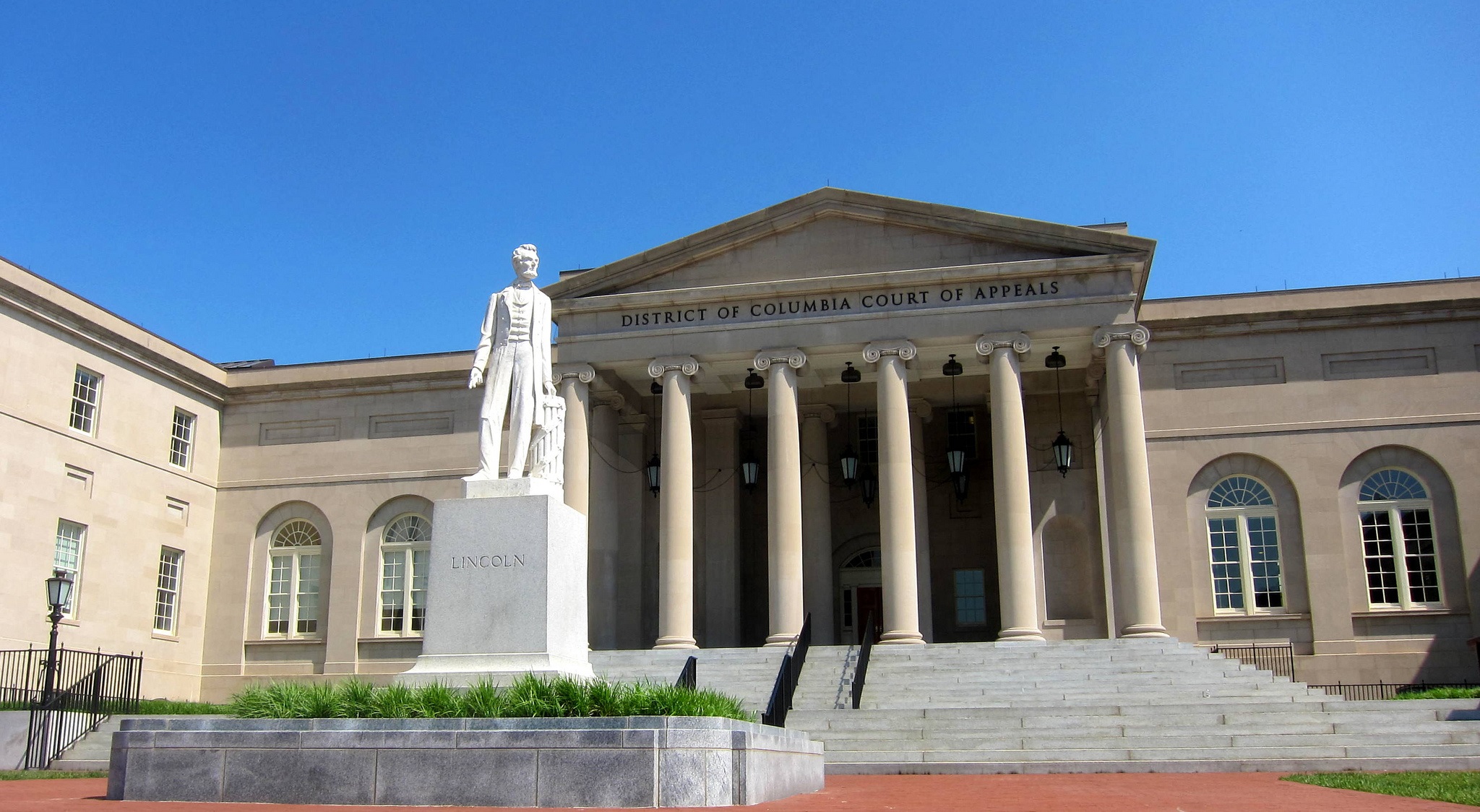
Next week, hundreds of prospective lawyers will sit down to take the D.C. bar exam. But while they do, hundreds more are still stuck in limbo, waiting on the D.C. Courts to give them permission to practice law after passing the bar exam more than seven months ago.
About 1,700 people sat down for the D.C. bar exam in July 2018, and about 1,000 of them passed the test. But about half are still waiting to actually get barred, a process that requires a background check and a letter of certification from the D.C. Court of Appeals Committee on Admissions. They can only actually practice law (and, sometimes, get employed) once they have that letter and are sworn in.
This process often takes a few months, and some jurisdictions are faster than others. But thanks in part to the five-week government shutdown, the process has dragged on for longer than normal. A whole new cohort is sitting down to take the bar exam before the court has even finished processing everyone who passed the last one.
“The Committee on Admissions (CoA) has worked diligently to get all qualified applicants—both successful exam-takers and those applying by motion—certified as quickly as possible, without sacrificing the thorough review necessary to ensure that those certified meet the standards required of lawyers practicing in DC,” D.C. Court spokesperson Leah Gurowitz told DCist via email. “However, given that the CoA was closed for five weeks as part of the recent partial government shutdown, the certification process was significantly impacted…We understand that this has caused difficulties for some of the successful July exam takers.”
This was an issue specific to D.C. because the courts are federally funded. While they mostly remained in operation during the shutdown, some departments—most prominently the Marriage Bureau—were closed down. The Committee on Admissions, which admits people to the D.C. bar, was one of them.
The 35-day closure created a backlog, but it wasn’t the only factor in the delay, says Gurowitz. The July exam saw the largest number of people sit for the test in D.C. history.
Whatever the reasons for the delay, however, some people waiting for their certification letters are growing increasingly desperate.
At least one person said they’ve gotten so frustrated by the process that they’re giving up on D.C. altogether. “I give up. I’m taking out a loan to apply to another jurisdiction,” said one person in a post to a Top Law Schools listserv thread dedicated to the July 2018 D.C. exam. “Can’t wait any longer for DC to do a simple task. Anyone feel like suing the bar for admission and/or lost wages?”
Another user wrote that they called the Committee on Admissions and essentially got waved off when they mentioned they were a July 2018 test-taker. “Before I could ask a question, I was told that things were affected by the shutdown and given the upcoming February exam the July ’18 test was no longer a priority,” they wrote.
The backlog creates problems for would-be lawyers, considering many of them get hired for jobs on the assumption that they will be admitted to the bar. That’s been the case for one recently-barred lawyer who works at a big law firm in D.C. and wished to remain anonymous because her contact information is publicly available. A. says that before she received her certification letter last week, her bosses checked in with her several times about the delay, since she could not actually practice law at the firm until she was sworn in.
After calling the Committee on Admissions “17 times,” A. says they finally told her they were sending her the certification last week. She feels that the CoA has not been taking people’s concerns seriously enough. “I understand they want to get people through the February bar, but they’ve completely ignored the rest of us,” she says.
Some of her friends have had similar experiences—one of them was told that her character and fitness examination, administered by the National Conference of Bar Examiners, had actually expired in the CoA’s computer system. The D.C. Court would have to contact NCBE to re-send it before they could give her the certification.
“It’s just been a real nightmare. This was a five-year process of law school and the bar, and everybody is just ready to get onto the other side of becoming a lawyer,” A. says. “This has just been a painful process.”
Another prospective lawyer in the area who also didn’t want to be named publicly tells DCist that his bosses have been pretty understanding up to now, but he’s unable to actually take on the title of associate lawyer at his firm until he gets barred. He’s listed as a “law clerk” on the firm website.
“I called yesterday to ask for a status update [on my certification,]” he says. “Before I could ask a question, [the person on the line] said to call back at the end of the week and just hung up.” Now that the new bar exam is next week, he says he does not expect to get his certification letter any time soon.
This isn’t the first time the D.C. bar has been embroiled in some controversy, even in just the last year. When the Committee on Admissions posted the bar exam results last November, it made crucial mistakes: 13 people were included on the passing list when in fact they failed, and 12 people were omitted from the list when in fact they had passed the exam. It had to post corrected information and personally contact the 25 people given erroneous information about their results.
Jonathan Smith, the executive director of the Washington Lawyers Committee, says that the D.C. Court has a reputation for being slow, particularly at waiving people into the bar from other states. Smith says the shutdown likely exacerbated delays, but “this is not a new issue.” For people who need to be barred in order to apply for jobs or get hired anywhere—often the case outside the context of large corporate law firms, which can afford to wait on delays—this kind of backlog can have a serious effect, Smith says.
“There are probably employers that can’t keep people on,” he says. “If you’re waiting for that license to be able to work, every month that goes by is painful.”
Gurowitz tells DCist that the Court of Appeals is trying to remedy the backlog (after D.C. adopted the uniform bar exam in 2016, it experienced a 400 percent increase in the number of applications, she says), as quickly as possible. The CoA has adopted some streamlining processes to deal with the uptick, she says, but the certification process for each person who passes the test still requires a 30-day waiting period for names to be posted to allow for any public comment, reviewing background reports, and sending out the certification letter.
“We understand that this requires patience by the exam-takers, especially this year given the shutdown,” she says, “but we are committed to upholding the highest standards for attorneys admitted in the District of Columbia.”