The Incas didn’t call quinoa “the mother grain” for nothing. While the tiny, bead-shaped cereal crop is a common component of lunchtime salads or protein bowls around the city, it’s capable of much more. And quite a few D.C. establishments—such as the spots offering crab cake-like quinoa cakes—are showcasing quinoa’s versatility.
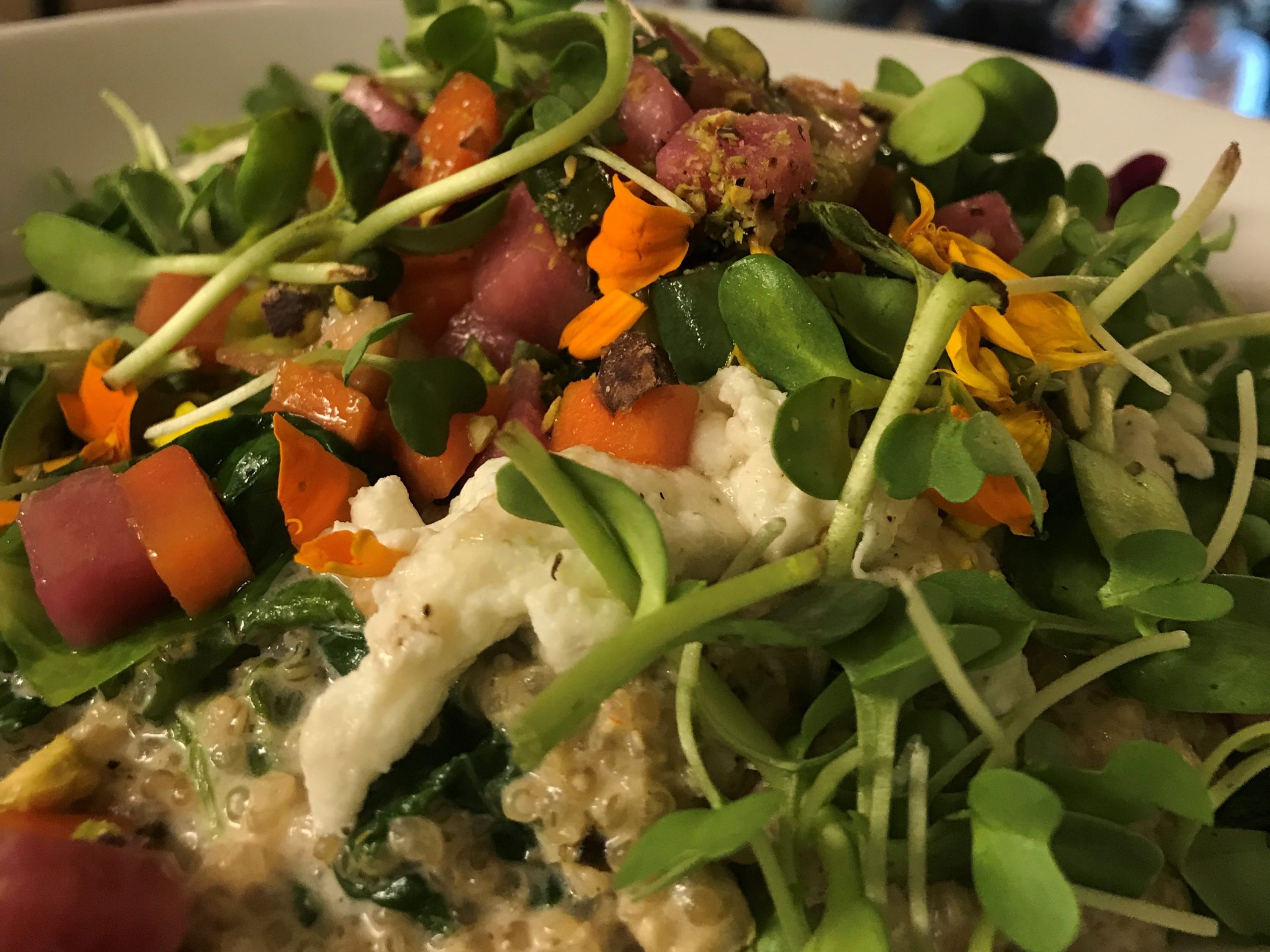
Take Shaw’s Convivial, where Chef Cedric Maupillier whips up a quinoa porridge ($16) for the brunch menu. Quinoa may seem more like a chewy rice substitute and less like something that can create a smooth, savory breakfast. But “once cooked, quinoa, although gluten-free, has a gluten-like consistency that helps create that creamy texture,” Maupillier says. His team crowns the porridge with goat cheese, egg whites, pistachio, and a vegetable succotash that changes seasonally. “I wanted to combine ingredients that are popular, healthy, colorful, and provided textural contrast,” he explains. It’s possible to dress up this kind of porridge for a sweet breakfast, too. At Aussie-inspired café Bluestone Lane in the West End, the warm coconut quinoa and oat porridge ($11) comes with seasonal berries, banana, and gluten-free granola from New York City bakery Husk, with the option to add Greek yogurt for $1.50 more.
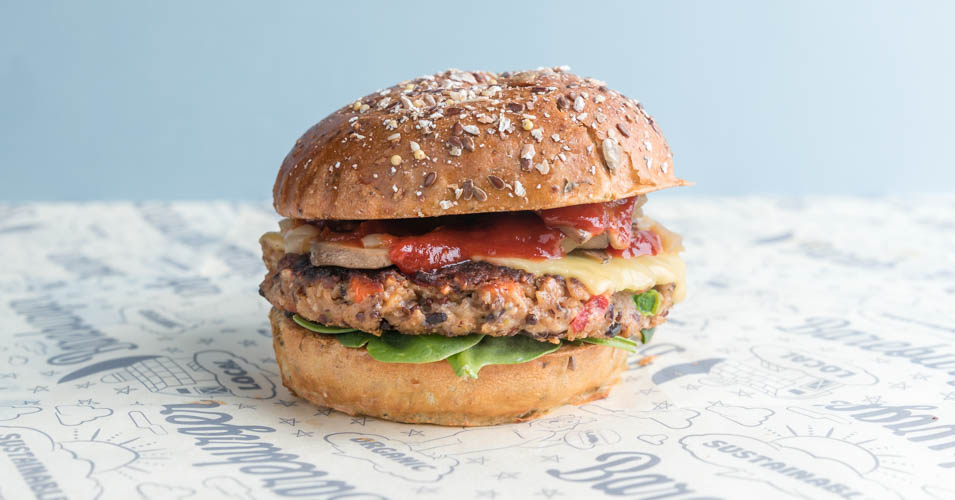
Quinoa can also fulfill those more substantial dinnertime cravings, if it’s packed into a patty like the one on Bareburger’s vegan Thai Chia burger ($10.95). Both red and white quinoa share the stage with chia seeds and green peas in the patty at the New York-based fast-casual restaurant with a location in Dupont Circle. Setting off the protein are vegan American cheese, caramelized onions, wild mushrooms, baby spinach, and seven-spice Thai ketchup, all between a sprout bun. “Not only does quinoa add a nice textural contrast to our vegetable-based patty, it is also high in fiber and considered a ‘complete protein’ as it contains all nine essential amino acids,” says Rudy Ramos, vegan culinary director for Bareburger. Meanwhile, at Roofers Union in Adams Morgan, the quinoa black bean burger ($14) takes a more typical topping tack, with aged cheddar and avocado complementing the traditional lettuce, tomato, and sesame seed bun.
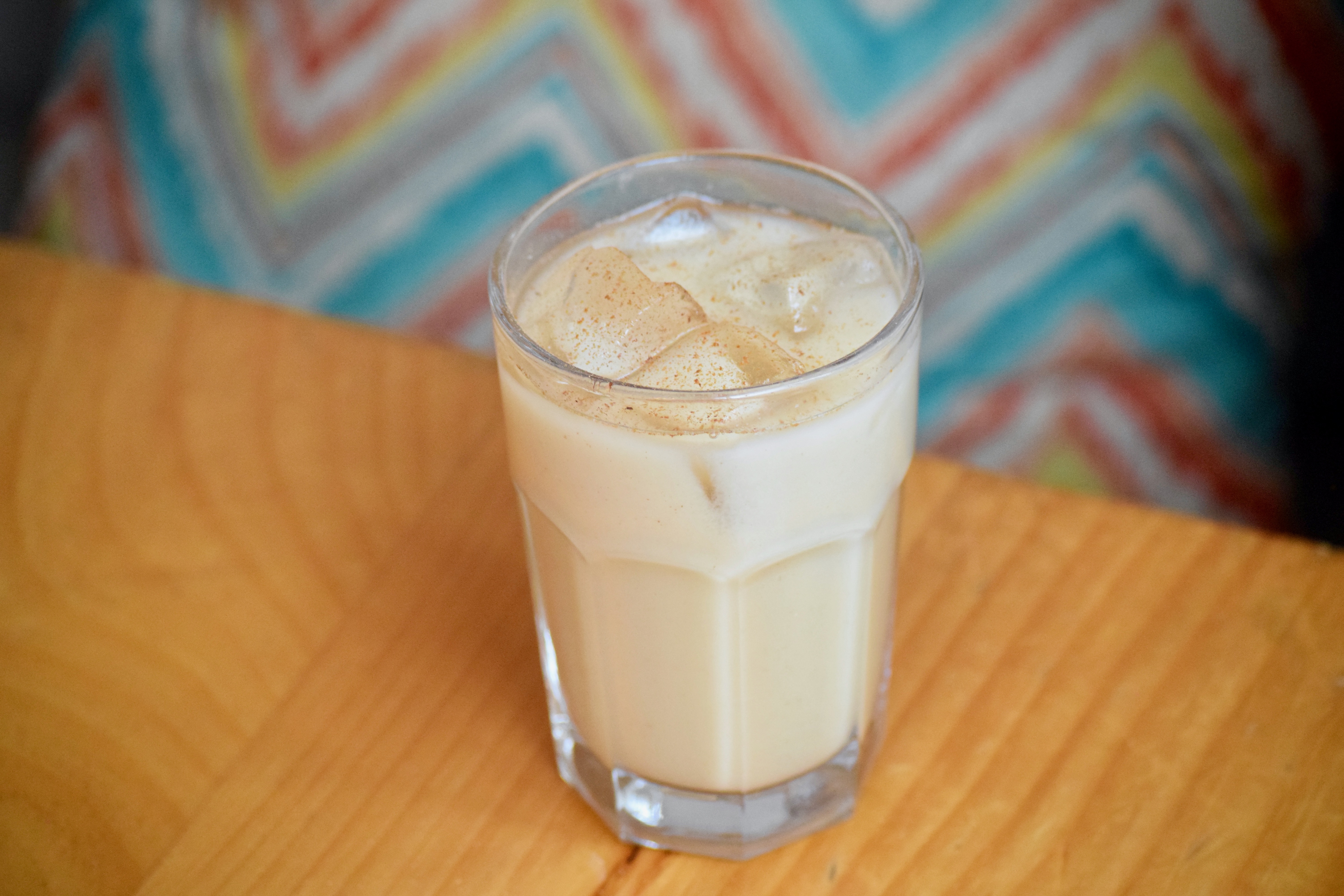
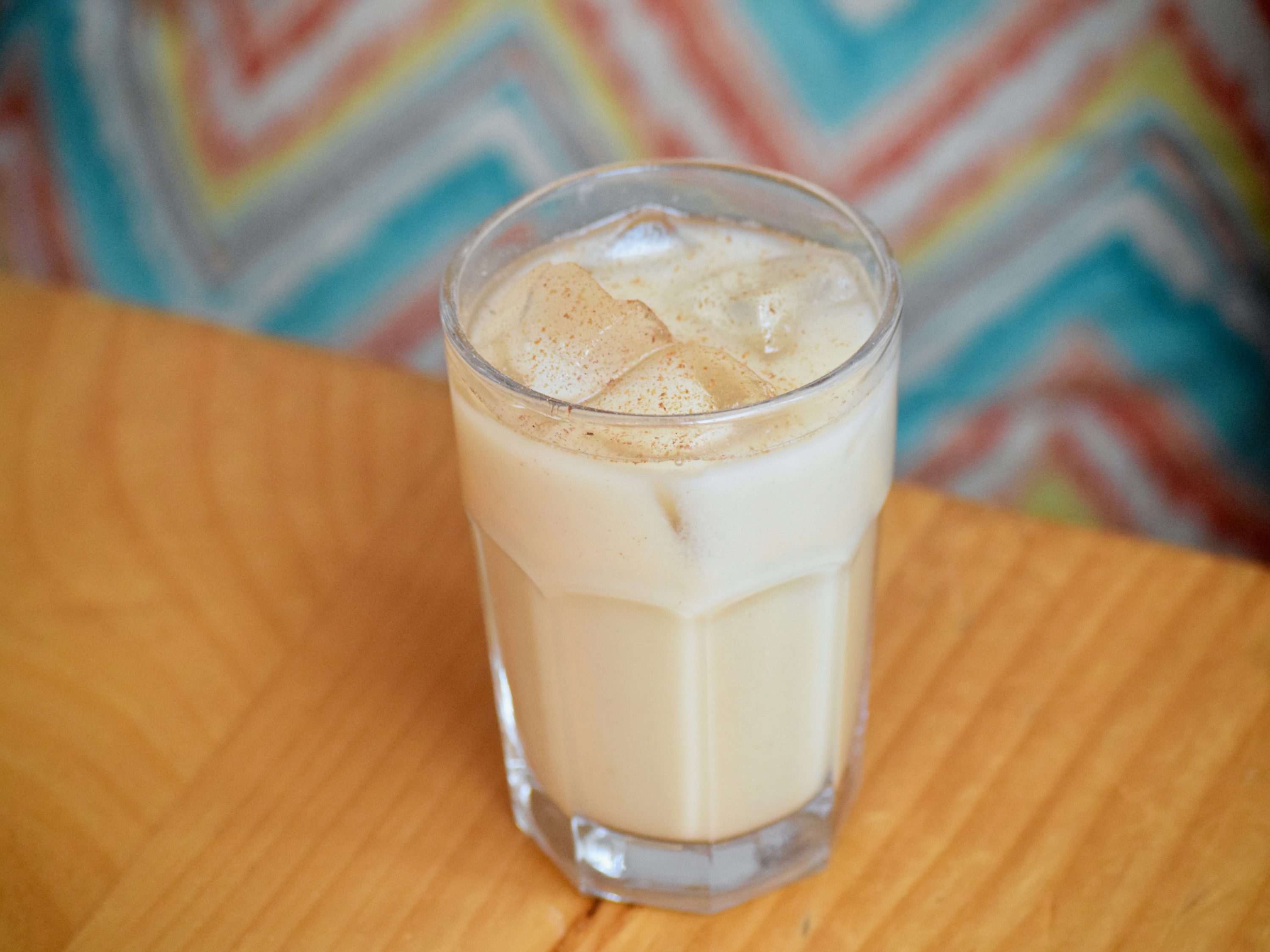
It’s even possible to drink your quinoa, if you enjoy a non-alcoholic horchata ($4) at Penn Quarter’s China Chilcano. Usually, this plant milk beverage contains tiger nuts or rice, but quinoa substitutes here. “The flavor when quinoa is toasted prior to blending gives it a nice, nutty quality,” explains Carlos Delgado, head chef at China Chilcano. “It isn’t a part of the traditional recipe, adding a Peruvian twist to the classic drink.” Quinoa was domesticated near Peru’s Lake Titicaca in the Andes mountains around 5000 BCE, and for the Incas, was second only to the potato as a staple crop.
If those options aren’t appetizing, a creative chef can do plenty more, Delgado adds. “Quinoa can be used as a thickening agent, a healthier alternative to flour, a breading agent, in a salad, as a replacement for rice in a stir fry, and even as a milk substitute by simply blending it with water.” Maupillier agrees—and adds vegan meatballs and grits-style preparations to the substantial list of possibilities.