 Mikaela Lefrak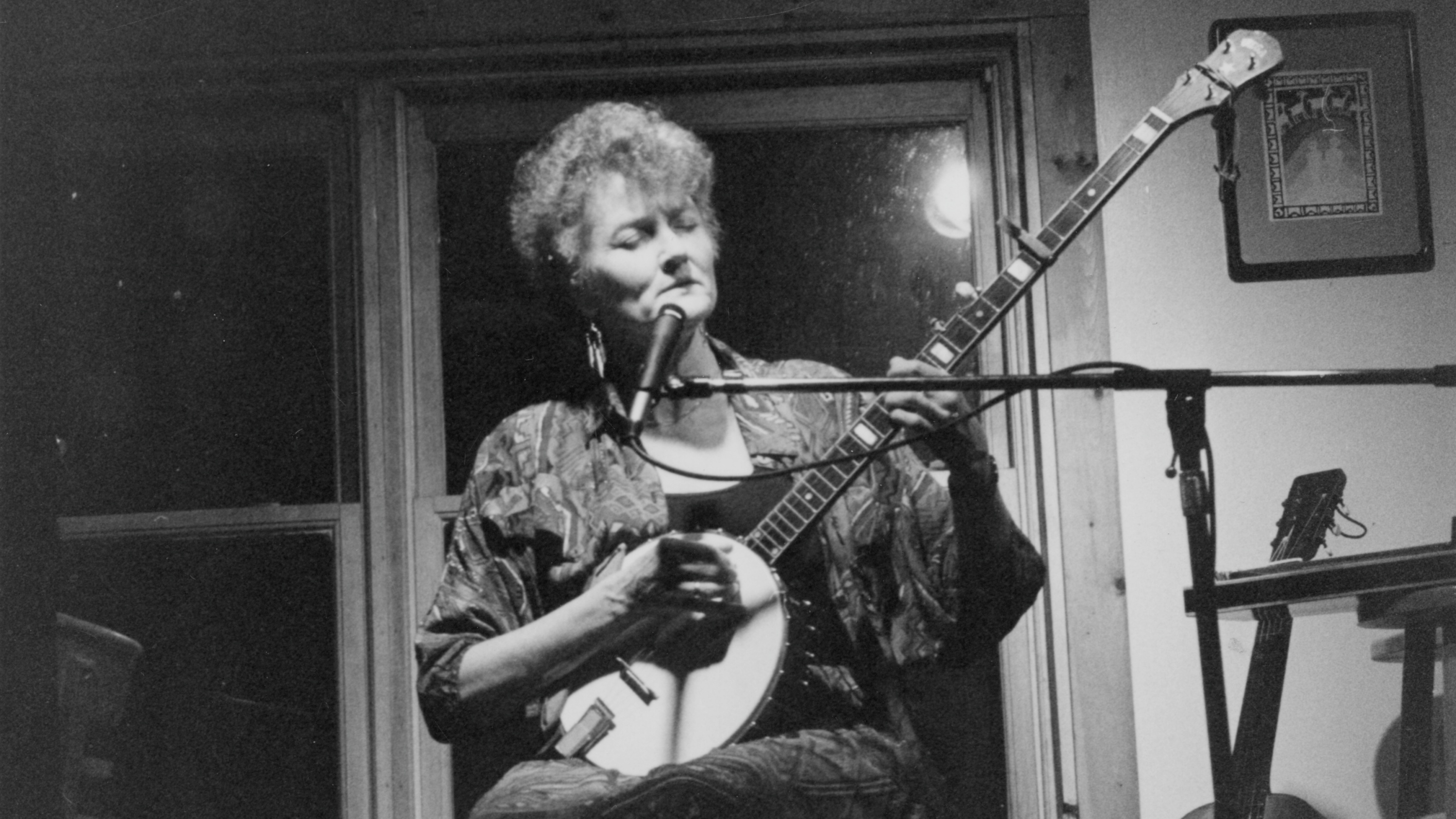
Music that inspires resistance. Music sung at church or in temple. Music played at weddings and funerals. Music sung by activists around the world.
“That’s kind of a really wide subject,” laughed Jeff Place, the curator and senior archivist for Folkways Recordings, the Smithsonian’s record label. “How do you put your head around that one?”
Place doesn’t need to ask—he’s done it. On Friday, Folkways Recordings released “The Social Power of Music,” a sweeping, timely 4-disc box set that explores music’s ability unite and energize communities around the world.
It was a Herculean task: Place and his colleagues had to weed through the 60,000 tracks available under Folkways and the smaller labels it’s acquired over the years, from Arhoolie to Paredon. They ultimately selected 83 songs.
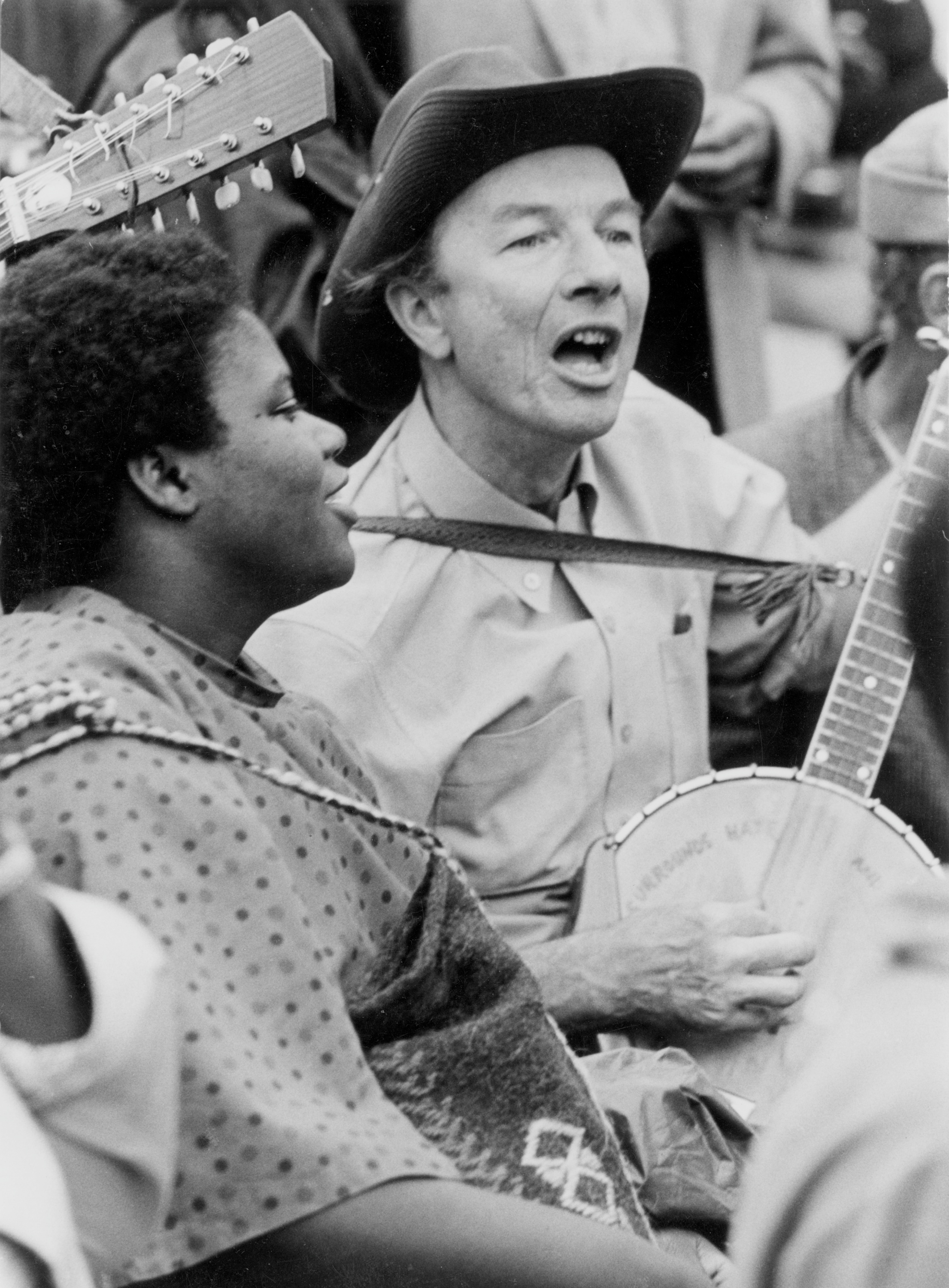
Pete Seeger sings at the Poor People’s Campaign in D.C. in 1968. Three of his songs appear on “The Social Power of Music.”Diana Davies / Smithsonian Folkways
“It’s like, kind of, creating this mix tape out of your head,” he said. The selections were organized into four discs: “Songs of Struggle,” “Sacred Sounds,” “Social Songs and Gatherings” and “Global Movements.”
A Clever Business Plan
The new box set isn’t just a frivolous showpiece. The label’s leadership hopes it will help the nonprofit remain commercially viable within the the modern music industry.
While the nonprofit label is part of the Smithsonian Institution, it must support itself financially. Philanthropic partnerships and music sales are responsible for most of its operating budget, although the latter has become less profitable with the advent of music streaming services.
“So, we have to come up with clever plans to keep having income in the face of the changes in the industry,” said Huib Schippers, the label’s director.
Folkways Recordings was started in 1948 by Moses Asch, a Polish immigrant. He worked with unknown artists as well as big names like Woody Guthrie and Duke Ellington. His recordings range from American folk songs to world music to ethnographic recordings.
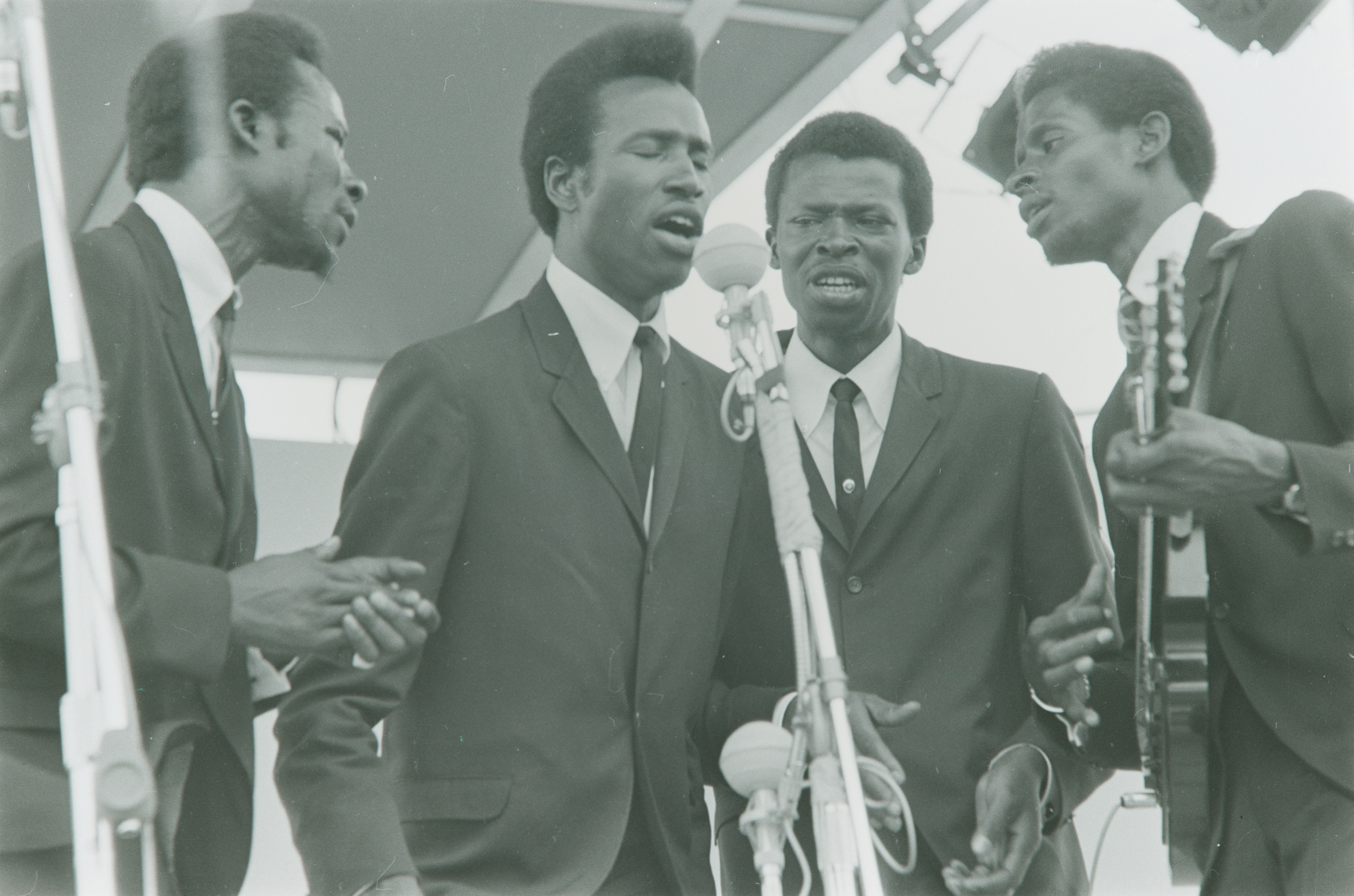
“Isn’t It Nice” and “Come By Hear” by the Chambers Brothers appear on Folkways’s new box set.Diana Davies / Smithsonian Folkways
“The sound of North American frogs,” listed Schippers, “or the bowel sounds of a healthy man smoking a cigarette just before dinner.”
The label was donated to the Smithsonian in 1987 after Asch’s death.
One of Schippers’s “clever plans” to keep Folkways afloat is to produce and sell more box sets like “The Social Power of Music.” The label packages the discs within a glossy coffee-table book full of essays and photos and sells it for $59.98.
Folkways has increased the number of box sets it produces in recent years; it plans to release three more in 2019. Schippers calls them “objects of desire.”
“We’re in the 21st century now, where availability of sound isn’t so much the problem,” he said. “But engaging with that sound in a way that is interesting and intellectually sound is a very different thing. And I think that is the job of Folkways.”
365 Days of Music
The box set also plays a role in an even more ambitious Smithsonian initiative: The Year of Music.
Every day of 2019, the Smithsonian plans to present music and sound events in D.C. and across the country, including lectures, concerts and exhibits.
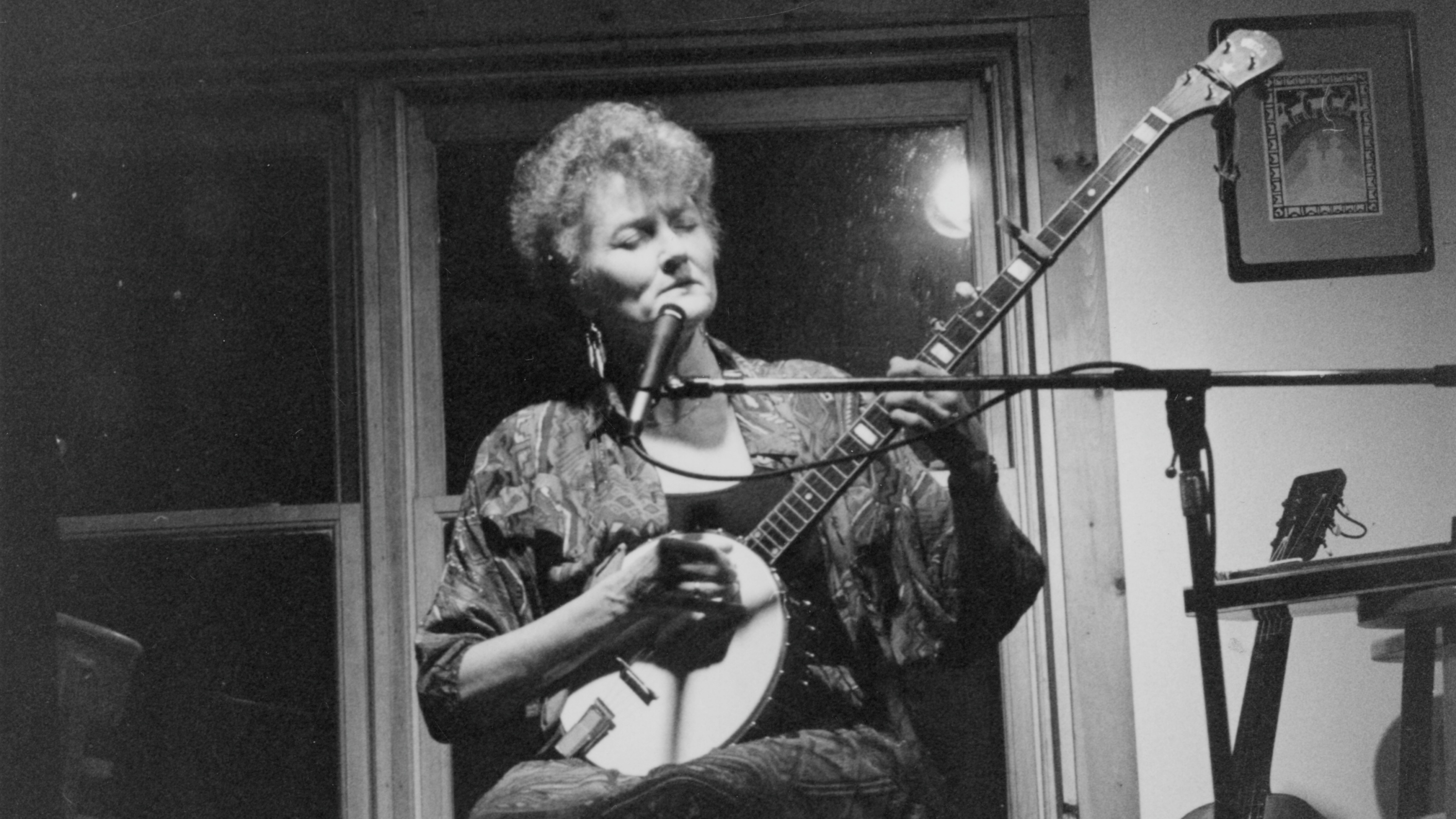
Folk singer Peggy Seeger performs.
Schippers and his co-curator, Dwandalyn Reece of the Museum of African American History and Culture, plan to promote music holdings culled from almost all the Smithsonian institutions. This year’s Smithsonian Folklife Festival on the National Mall has take “the social power of music” as its theme, as well.
It’s a lot of cross-promotion, but to Schippers, it’s more than just a business plan. The Year of Music, the Folklife Festival, the box set and the rest of Folkways’ planned releases could help Americans foster a much-needed sense of unity in this period of social division and upheaval, he said.
Or, as he put it, “we’re kind of the history of America in sounds.”
This story originally appeared on WAMU.