Natalie Delgadillo
The Metro board gave unanimous preliminary approval on Thursday to its $3.5 billion fiscal year 2020 budget, which starts in June of this year. The board will vote one more time later this month to finalize the proposed budget, which includes several provisions that might improve your commute (or just your attempts to get to certain places in Northwest Washington and Maryland).
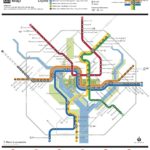
Here’s the most exciting stuff, right off the bat: Metro plans to extend service on the Yellow and Red lines. The Yellow Line will finally go past Mount Vernon Square during rush hour again, and even past Fort Totten, all the way to Greenbelt. This change would double service at rush hour and “address current crowding conditions at the nine stations north of Mount Vernon Square,” including Shaw-Howard, U Street, Columbia Heights, Georgia Ave-Petworth, and Fort Totten. Customers who now have to use the Green Line to get to DCA or stations in Virginia will be able to take the Yellow Line all the way to their destination, if the budget gets final approval.
The budget also plans for increased service on the Red Line. Right now, many Red Line trains only travel up to Silver Spring (three stops short of the end of the line) before turning back toward D.C. With the approval of this budget, all Red Line trains will to Glenmont, the end of the line, improving service at those final three stops (Forest Glen, Wheaton, and Glenmont).
Some Metro passes will also be cheaper under the new budget (7-day bus passes will be $15 instead of $17, for example) and the agency will add an unlimited bus pass under visitor and SelectPasses. The agency hopes these three service adjustments will help increase seriously flagging ridership numbers; ridership just reached a 20-year low.
As WTOP reports, this final version of the budget removes several other proposed benefits to riders that were originally proposed for feedback months ago. Those include extended rush hour service (including rush hour service fares, which are more expensive than during off-peak times), a flat $2 weekend fare, and extending all Metro trains to eight cars and getting rid of six-car trains. The agency said its proposal to increase peak hours was the least popular of all its proposals with survey respondents.
The budget keeps Metro’s current hours (the board has already voted against restoring late-night service). The agency is moving forward with a plan to seek subsidized late night rides for nighttime workers in the city.
The budget allocates $2 billion for the operating budget, and $1.5 billion for capital improvements. The board will vote again at its meeting in two weeks.