Rachel Kurzius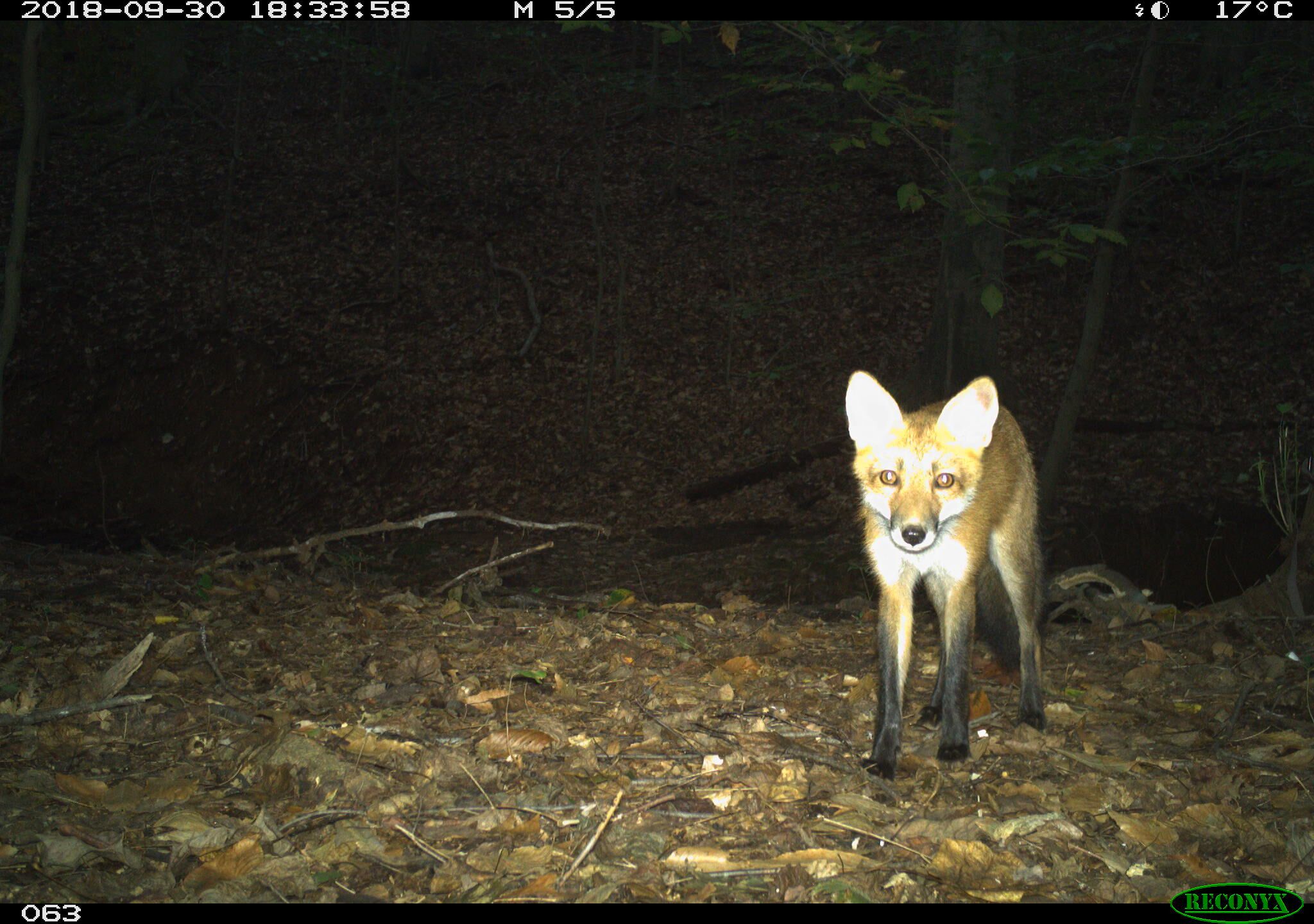
We’ve told you about the D.C. Cat Count: a three-year, $1.5 million effort to figure out roughly how many felines call the District home.
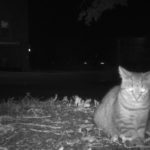
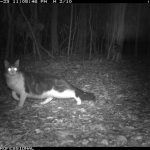
The cat census—a collective endeavor from the Humane Rescue Alliance, the Humane Society of the United States, the Smithsonian Conservation Biology Institute, and PetSmart Charities—officially kicked off last summer, and had its first field season from September through December. This is the biggest thrust of the effort, and involves setting up infrared camera traps throughout the city in neighborhoods, parks, backyards, and alleys.
During the first field season, most of the cameras were placed in and around Rock Creek Park, plus the surrounding residential areas and the neighborhood near the Humane Rescue Alliance’s adoption center at the northern tip of the District. “We started with some of the easiest-to-find permission locations to place cameras,” says Lauren Lipsey, the Humane Rescue Alliance’s vice president of community programs. But they didn’t expect a high concentration of kitties in the low-density park, and their findings were in line with that. The approximately 190 cameras, each of which were placed in a location for two to four weeks, hardly captured any cats in Rock Creek Park itself.
That “corresponded mostly with what I was expecting,” says Mike Cove, a researcher at the Smithsonian Conservation Biology Institute. “Cats tend to be rare where coyotes are roaming around on the prowl, and that they seemingly are occurring at fairly high populations in these more developed areas.”

The D.C. Cat Count’s first field season did yield 3,596 photo sequences with felines, many of which captured the same few creatures day in and day out. “The majority of those were in residential areas not even abutting the park,” says Lipsey, who adds that what they’ve learned so far from the census supports what they already know about cats: “They do have habits, they do have routines, they are active in the early evening when they know they’re going to be fed, they do have ranges of space and areas they stick to, and that’s fun to see on cameras.” Folks can follow along on Instagram.
The second field season, which could last through the fall and potentially into December, will bring the cameras out of the woods and into higher density parts of the city. “We will be leaving the forested areas and really expanding into the residential areas of the city, and the areas of the city where there’s a lot more business and industry,” says Lipsey. “We expect to see a lot more cats.” The project is still looking for more property owners willing to volunteer their yards for this second season, as well as people to send along photographs of cats they spot outside in the District.
She’s thrilled about what the team has been able to glean from the cameras so far. “It’s forcing all of these questions about the roles of the cats in the community, how they’re interacting with us, how they’re interacting with this urban environment that we have created that they have adapted to, and, I mean I sound like a total geek, but it’s totally fascinating,” Lipsey says. “I think that at the conclusion of three years of observing them via this manner, we’ll have a far greater understanding of how cats live amongst us.”

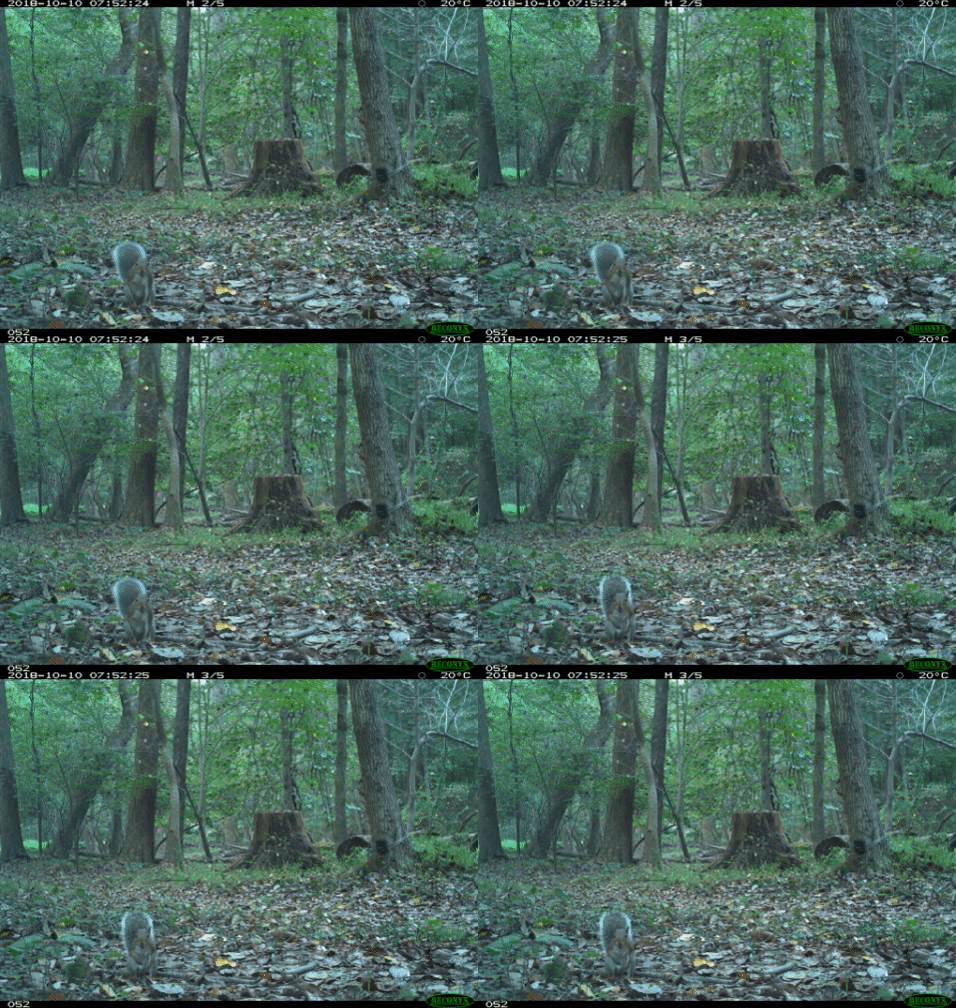
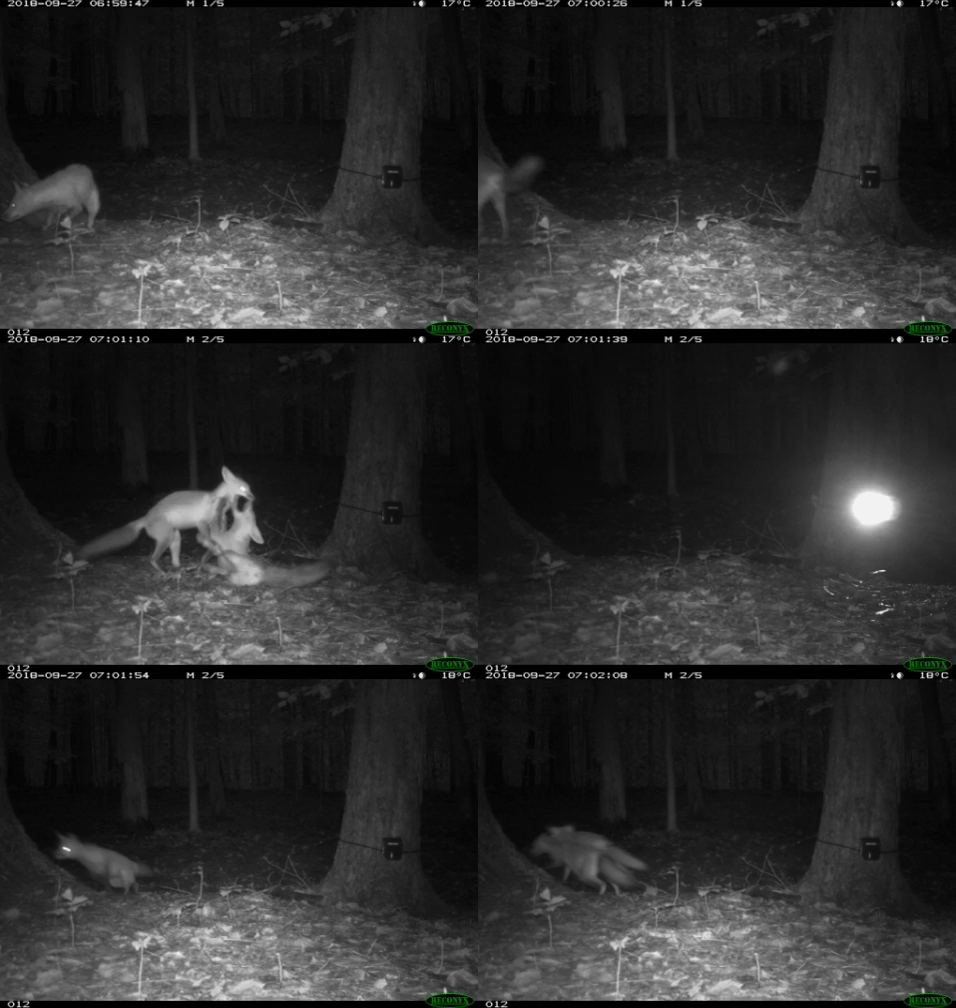
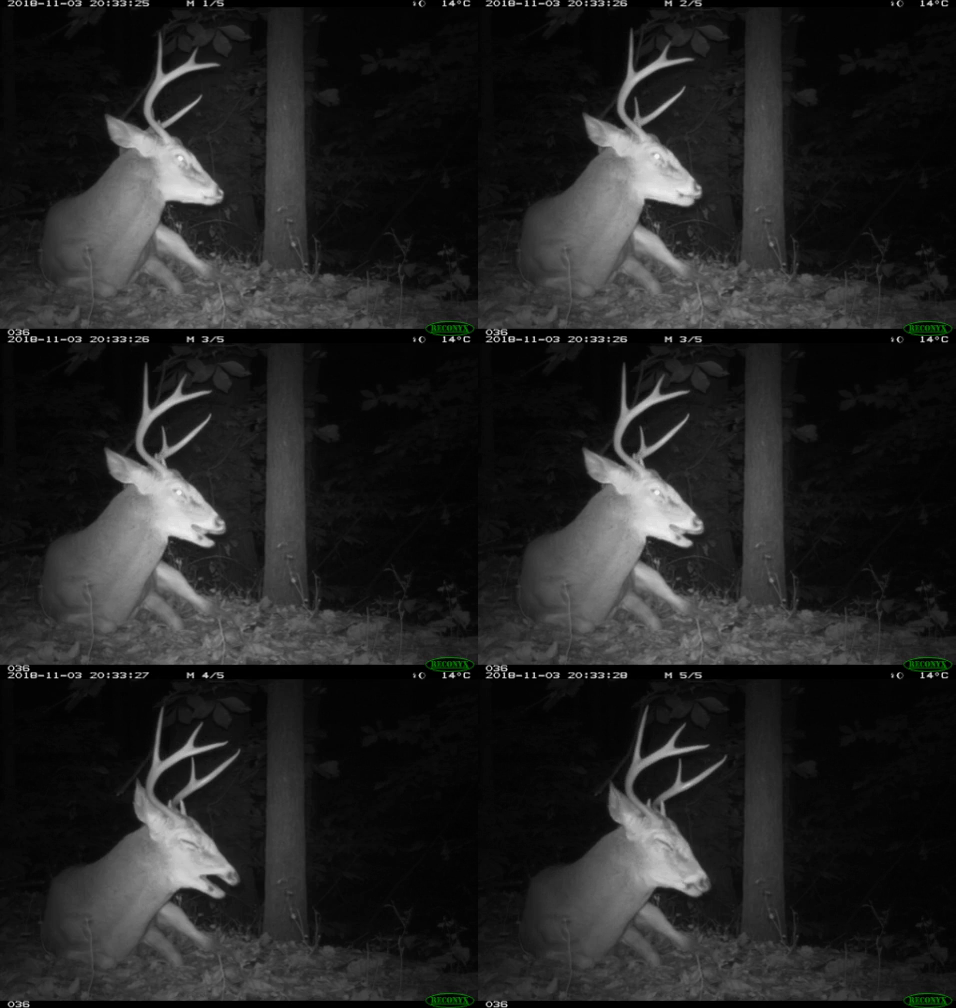
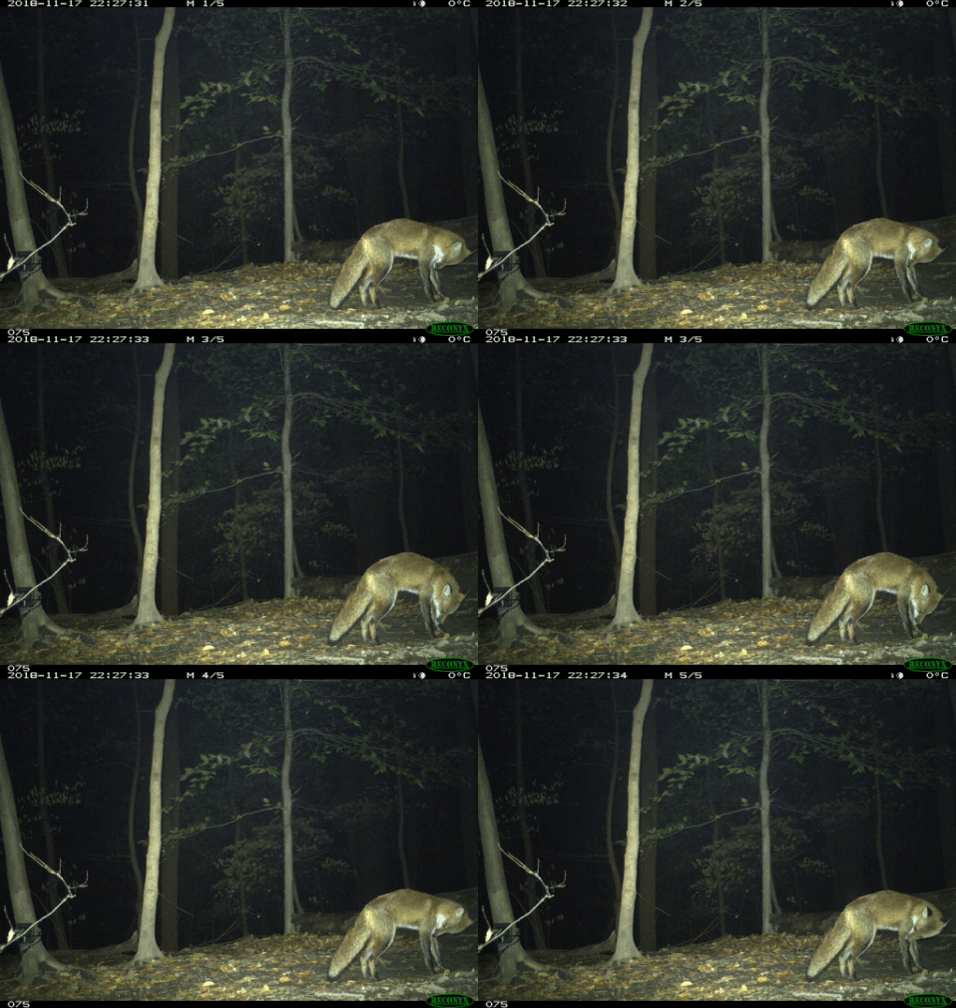
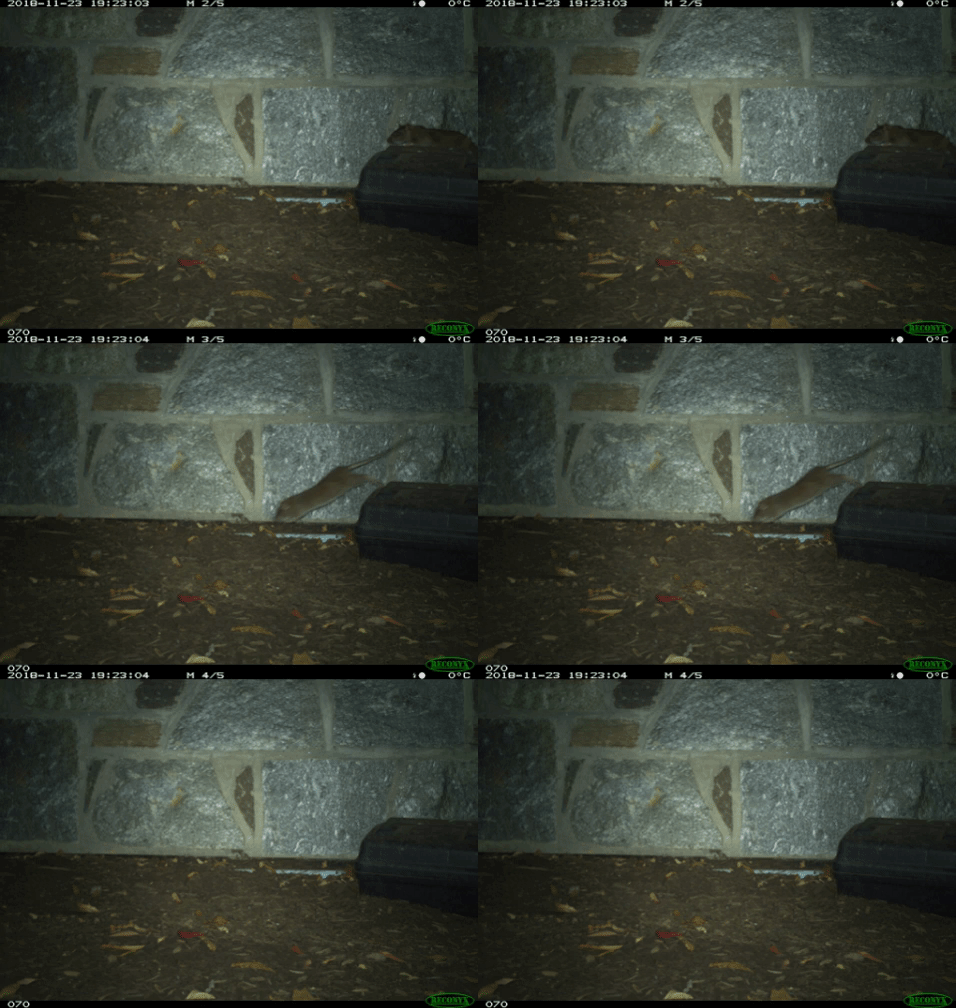
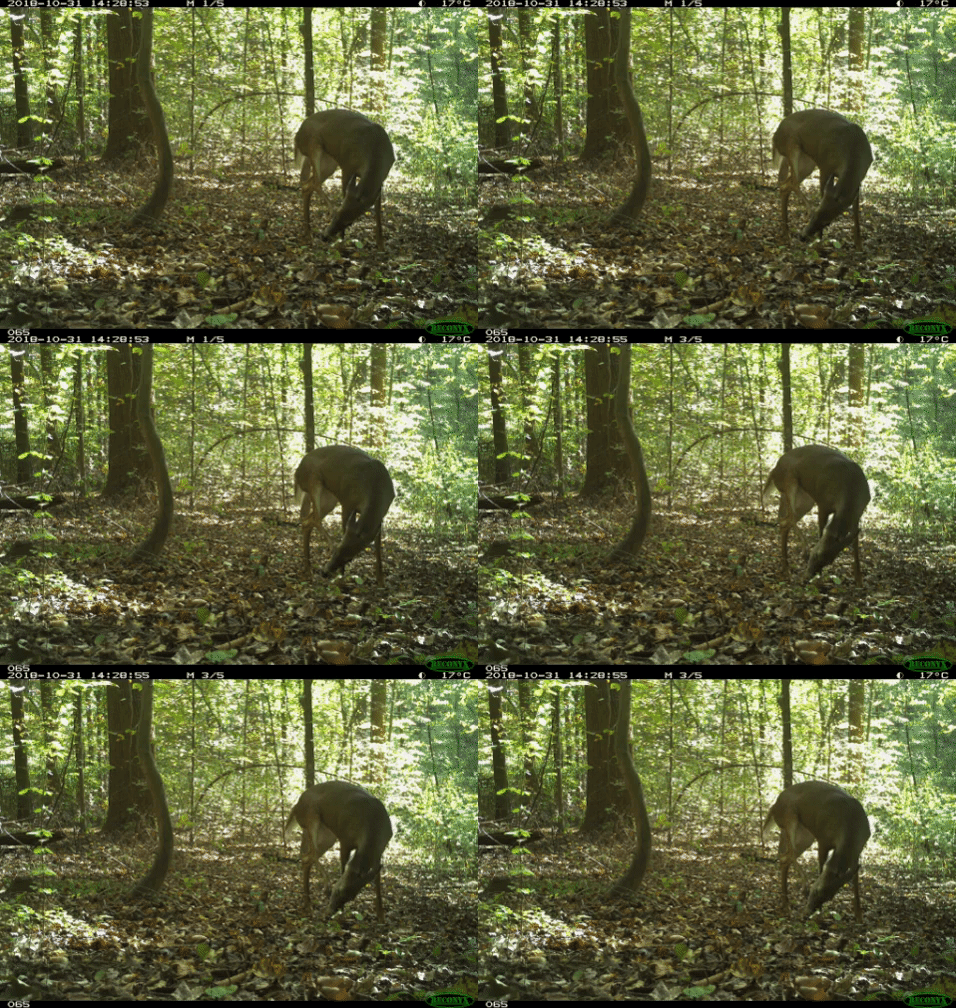
But cats aren’t the only creatures flouncing around the city, and the D.C. Cat Count’s cameras captured a bunch of other interesting animals going about their business, especially in Rock Creek Park.
“We got quite a few interesting species,” says Cove, including red foxes, coyotes, birds, deer, rodents, a turkey, and more. “What I thought was most interesting that I wasn’t really expecting to find in this highly urban waterway was we detected a beaver on one of our camera traps” in Rock Creek Park.
The cameras provided some insight into other initiatives for organizations like Humane Rescue Alliance. “What was surprising to us was the pure volume of dogs observed, a large majority off leash, running through Rock Creek Park,” says Lipsey, noting that her organization may encourage dog owners to keep their dogs leashed to “protect the other species we’ve observed, to include raccoons, red fox, robins, chipmunks, opossums, bunnies. Those are the sorts of things that we’ll also be gleaning from this study.”
“More than anything, we really just want people to engage,” says Lipsey. “We’re watching stalking of a predator and a prey in front of the camera in photo sequences. It’s just fascinating stuff. People get excited about Justice and Liberty, the eagle cam. This is another kind of version of that for our community.”
Technicians from the Humane Rescue Alliance turned many of these camera sequences into GIFS, which I plan on deploying all of the time. Enjoy:






Reporting contributed by Jacob Fenston.
Previously:
D.C.’s Three-Year Feline Census Will Make Herding Cats Look Easy