Natalie Delgadillo
The Metro board unanimously voted in favor of its $3.5 billion 2020 budget proposal on Thursday, solidifying several measures it had approved at a preliminary vote two weeks ago. We at DCist are riveted by the minutiae of government budget proposals and approvals, but just in case you don’t share this niche interest, here’s what you need to know about how this budget will affect your daily Metro commutes and weekend trips.
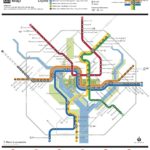
Firstly, the Yellow Line will be extended, finally running past Mount Vernon Square and all the way to Greenbelt (no more getting stuck on the platform at Gallery Place waiting for a Green Line train to take you further than one station). According to WMATA’s budget proposal, this extension will double service during rush hour at the nine stations north of Mount Vernon Square, including Shaw-Howard, U Street, and Columbia Heights.
Also, the agency is going to extend all Red Line service all the way out to Glenmont (currently, many Red Line trains turn back at Silver Spring, three stops short of the end of the line). Those three stations—Forest Glen, Wheaton, and Glenmont—will have increased service under the new budget.
If you rely more on buses than trains, there’s some relevant stuff in this budget for you, too: 7-day bus passes are now going to be $15 instead of $17, and there will now be an unlimited bus pass under visitor and SelectPasses.
The budget keeps Metro’s current hours (as expected), but backs a proposal to seek subsidized rideshare rides for late-night workers who need transportation after they get off work in the wee hours of the morning.
Several exciting proposals got left out of this version of the budget (though this was expected, as the board had given preliminary approval to a nearly identical version of the budget two weeks ago).
From our story then:
As WTOP reports, this final version of the budget removes several other proposed benefits to riders that were originally proposed for feedback months ago. Those include extended rush hour service (including rush hour service fares, which are more expensive than during off-peak times), a flat $2 weekend fare, and extending all Metro trains to eight cars and getting rid of six-car trains. The agency said its proposal to increase peak hours was the least popular of all its proposals with survey respondents.
The new budget takes effect starting on July 1.
Jordan Pascale contributed reporting.
This story has been updated to reflect that some Red Line trains turn back at Silver Spring, not Shady Grove.