D.C. is home to several annual festivals that local moviegoers eagerly anticipate: AFI Docs and the European Union Showcase at AFI Silver, the Freer/Sackler’s smaller Iranian and Hong Kong festivals: these all bring fresh, top-notch fare to Washington area theaters. But mention FilmFest DC to a seasoned cinephile, and more often than not you’ll just get a shrug. The festival has been chugging along for 33 years, and while programmers once brought daring fare like early films by Guy Maddin and the thrilling Tamil musicals of Mani Ratnam, recent programming has offered fewer must-see titles. This year, organizers have introduced a new film series, Foodflix, about all things cooking and food. We previewed titles from that showcase, as well as the series Global Rhythms, because musical documentaries should be harder to screw up. Right?
Screenings are at various locations and are $14 unless noted. See the complete festival program here.

Michelin Stars: Tales From the Kitchen
This 2017 documentary follows chefs around the world who have been awarded stars in Michelin’s prestigious restaurant guide. There are perhaps a few too many cooks in this soup. It would have been more interesting if director Rasmus Dinesen had gone deeper into the Michelin process, as in this New Yorker profile of an undercover inspector for the guide, but that may not have been possible on film. Stylishly photographed, Michelin Stars occasionally seems stiff and sterile. The movie comes most alive when the focus turns to Daniel Humm, head chef of New York’s 11 Madison Park; more than any other chef on this menu, he exudes an enthusiasm and passion that, even more than his three-star Michelin rating, communicates the excitement that he has for his field—and convinces you that his restaurant is more than just a pretty food lab.
Sunday, April 28 at 5:30 p.m. and Tuesday, April 30 at 6 p.m. at Landmark E Street Cinema. Watch the trailer.
Director Asori Soto was born in Havana, Cuba, but left in 1991, when he was just a child. When he returned to Cuba years later, he found a changed nation—and food traditions that were in danger of becoming lost. In Cuban Food Stories, Soto travels around the island to observe various mouth-watering regional cuisines and document the struggles that residents still face. In one tourist-friendly region, for instance, it can be hard to find fresh ingredients, and in another, an unreliable power source leaves food vendors with just a few hours in which they can operate their kitchen. The director hints at the generational and political divide that has troubled the island, so his closing plea for mutual understanding may come out of the blue for some viewers, and one wishes Soto had dug deeper into regional conflicts. But there’s no denying how incredible the food looks.
Sunday, April 28 at 8 p.m. and Tuesday, April 30 at 8 p.m. at Landmark E Street Cinema.
This profile of Los Angeles chef Evan Funke follows its subject from the failed restaurant Bucato to his highly anticipated follow-up Felix. With that comes the standard drama of a new business venture: Will it succeed, redeeming Funke for a past marred by his walking away from a well-reviewed business? Funke is driven by a passion for pasta that sends him to Italy, where he learns nearly forgotten techniques from master pasta makers who still make noodles by hand. Cinematographers Gareth Paul Cox and Robert Vroom will make you drool over a process that lights Funke like an old master craftsman. But Funke himself can be grating and self-important; he lets you know that he cares about pasta, and as mentors and acolytes alike tell you, he does. But the film has a harder time inspiring the viewer beyond the scrumptious presentation of its food. Chalk it up to personality. Daniel Humm in Michelin Stars (see above) and the late Los Angeles Times food critic Jonathan Gold in City of Gold (one of the highlights of AFI Docs in 2015) conveyed their passion in a way that’s engaging. Yet for some reason, Funke, while it insists on the passion that goes into hand-made pasta, doesn’t have much soul.
Friday, May 3 at 6 p.m. and Saturday, May 4 at 6:15 p.m. at Landmark E Street Cinema. Director Gabriel Taraboulsy to appear.
There was something in the water in Laurel Canyon in the ‘60s. Bands like the Byrds, the Mamas and the Papas, and Buffalo Springfield communed and commingled in the Los Angeles neighborhood, where they gave birth to folk-rock and formed an influential body of work that has endured to this day. Director Andrew Slater documents the scene through interviews with the musicians who were there, like David Crosby, Roger McQuinn, and Michelle Phillips, and those influenced by it like Tom Petty. When Echo in the Canyon chronicles that history, it’s a fine movie. But Salter has also used this opportunity to recruit younger musicians—Cat Power, Beck, and Jakob Dylan (who conducts many of the interviews) among them—to gather for an all-star tribute concert. Thus a group of musicians whose pipes aren’t exactly built for harmonizing are asked to perform songs that more often than not require a harmonic chemistry that they just can’t achieve. Even if you like the musicians who pay tribute to their predecessors, this isn’t the best tactic for a Laurel Canyon doc, and the movie ends up with too much tribute and not enough primary sources.
Saturday, April 27 at 8 p.m. at the Lincoln Theater. $25. Director Andrew Slater and executive producer Jakob Dylan to appear. A post-screening concert will feature Jakob Dylan, Cat Power and Jade Castrinos.
Hugh Hefner’s After Dark: Speaking Out in America
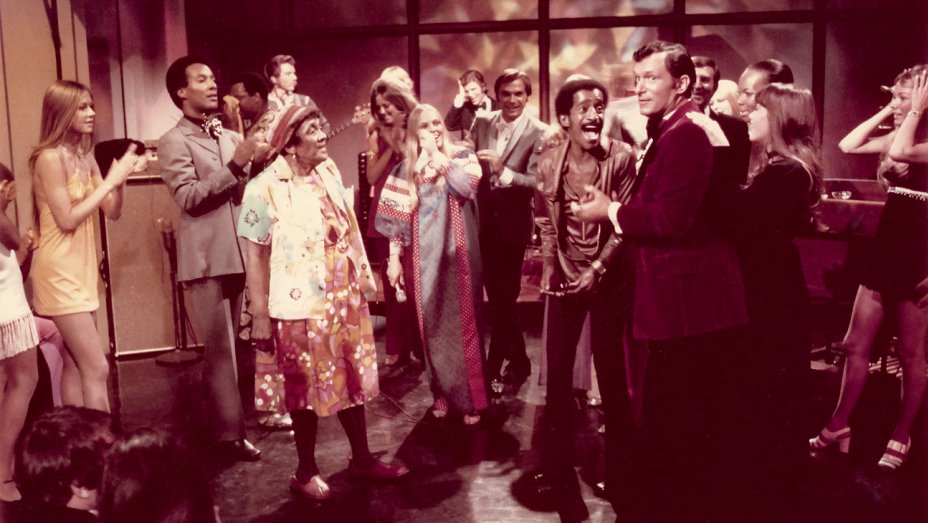
Much like Milos Forman’s 1996 film The People vs. Larry Flynt offered up the Hustler publisher as a first amendment hero, director Brigitte Berman follows up her 2009 doc Hugh Hefner: Playboy, Activist and Rebel with a further attempt to rehabilitate its subject as a champion of liberal values. With two syndicated talk shows in the ‘60s, Hefner booked guests that other programmers wouldn’t touch, like comedian Lenny Bruce and African-American musicians like Nina Simone, Sarah Vaughan, Ray Charles, and Sammy Davis Jr. The early ‘60s program Playboy’s Penthouse invited viewers into Hef’s apartment, where racial integration was a natural part of his sophisticated adult empire. At the end of the ‘60s, Playboy After Dark featured then-controversial guests like the Smothers Brothers (who, hard as it may be to believe today, were often subject to network censors). Hefner knew how to book a compelling show, but as a front man he was smarmy and self-serving, which makes references to his then-romance with Playmate Barbi Benton a little creepy. For all the excitement of that volatile decade, Speaking out in America doesn’t match the aspirations of its flag-waving title. There’s good music, but the host is kind of a bore.
Thursday, May 2 at 6 p.m. and Saturday, May 4 at 6 p.m. at Landmark E Street Cinema. Director Brigitte Berman to appear.
It Must Schwing! The Blue Note Story
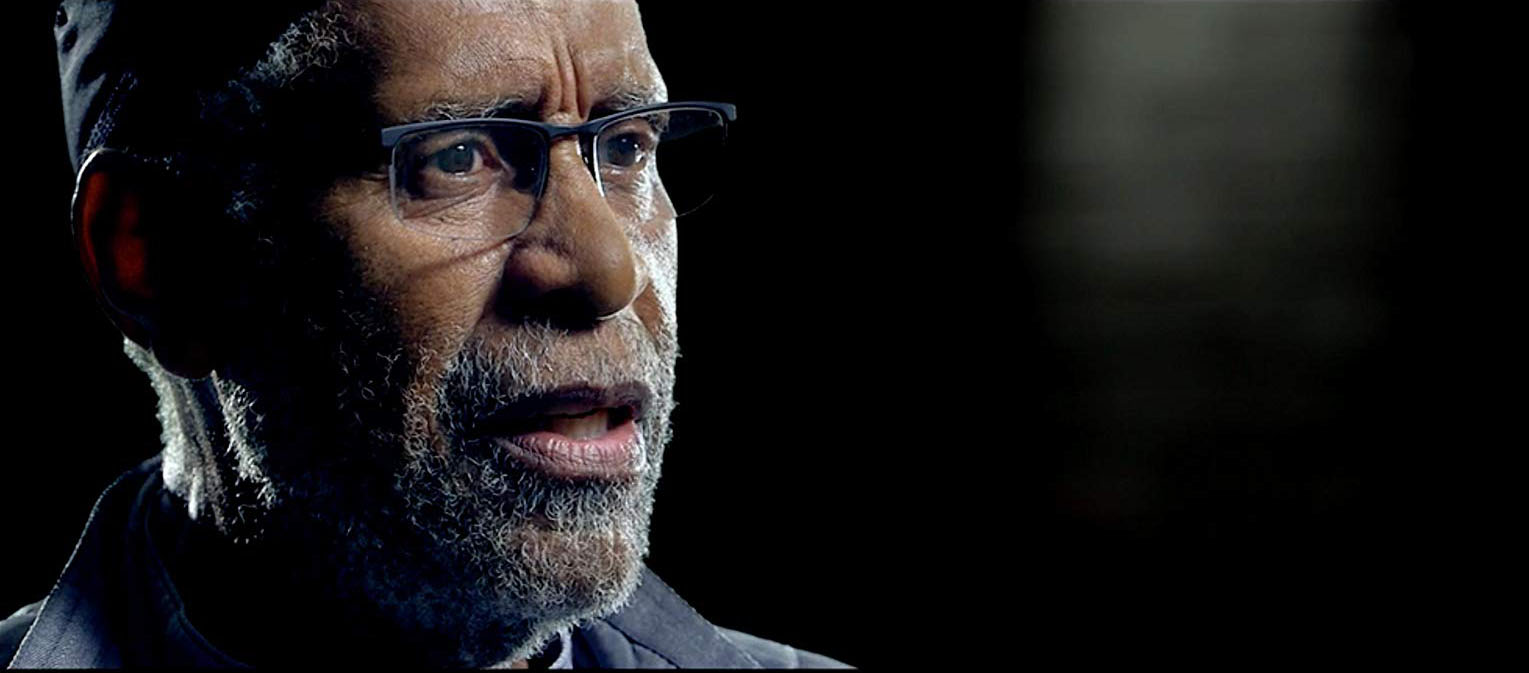
That “schwing” is taken not from Wayne Campbell but from the thick German accent of Blue Note Records co-founder Alfred Lion, who with his friend Francis Wolff escaped Nazi Germany for America. Here, they found themselves so enthralled by jazz that they started their own label. There’s great material here—how could there not be?—including interviews with Blue Note recording artists such as Sonny Rollins and Sheila Jordan photographed with care and depth. Unfortunately, the movie is ruined by absolutely hideous computer animation—not just for recreations from the lives of Lion and Wolff, but in cartoon performances of Billie Holiday, Bud Powell, and other jazz legends. Director Eric Friedler threw away good money at visuals that sully a company dedicated to brilliant musicians, gorgeous photography, and classic graphic design.
Sunday, April 28 at 3:30 p.m. and Tuesday, April 30 at 6 p.m. at Landmark E Street Cinema. Watch the trailer.