
 Rachel Kurzius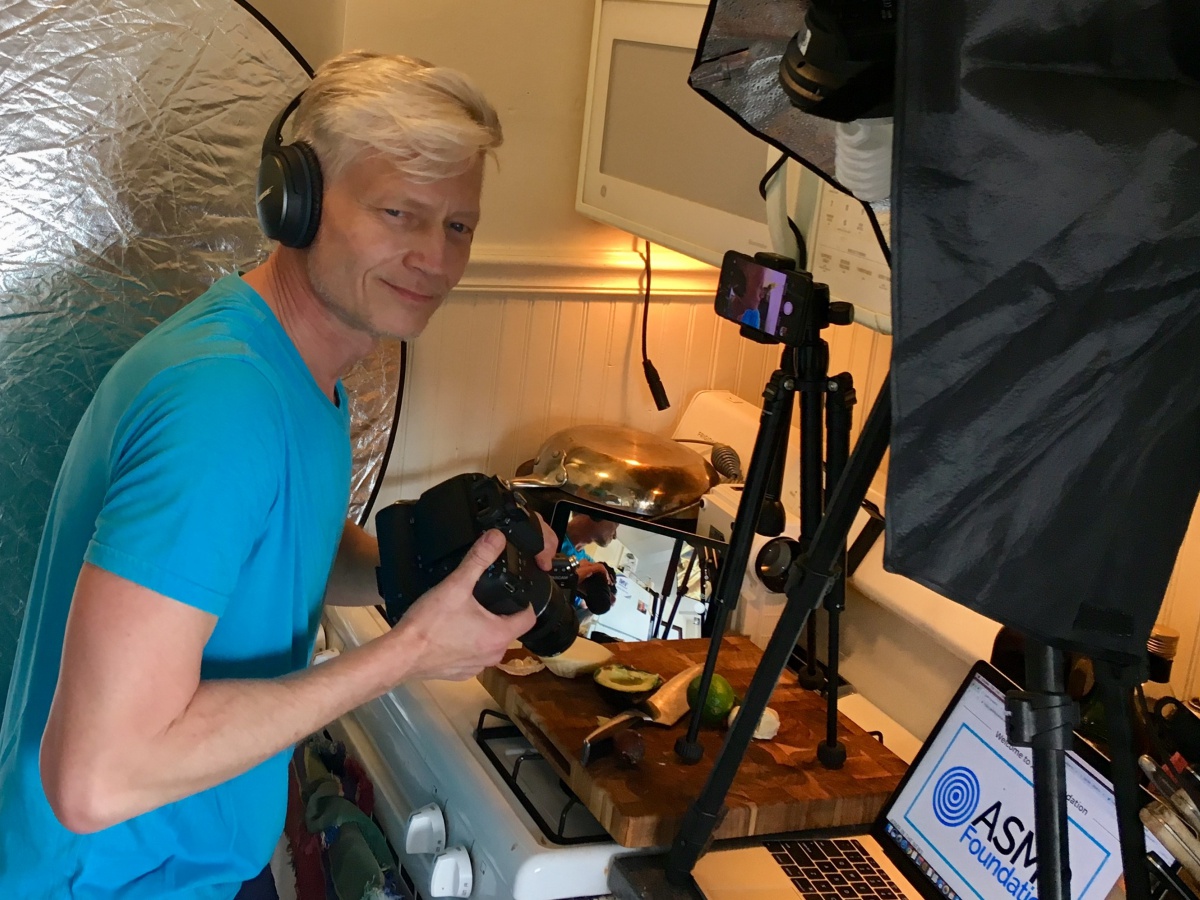
D.C. newshounds know Russ Ptacek from his spirited investigative features on WUSA 9, tackling discriminatory cab drivers, vermin-filled restaurant kitchens, and more during his half decade at the CBS-affiliated local TV station.
Ptacek, who DCist has previously described as “the WUSA reporter D.C. needs but doesn’t deserve” and calls himself “the most crotchety investigative reporter,” parted ways with the station in 2016, with a plan to travel “to the great spiritual spots of six continents” before finding a new job in journalism.
Instead, he found something else entirely when listening to some classical music about a year ago. “It was almost like I had been drugged with, I don’t know, a sedative that makes you feel content,” Ptacek says. “I had no idea what was happening other than that this music became five dimensional.”
This experience is commonly called musical frisson (think of the chills or goosebumps one feels when listening to a stunning song). But the feeling was fleeting, and Ptacek was desperate for its return.
“As an investigative reporter, what do you do?” he says. “You use a different skill set to find out what the hell is going on.” He tried to recreate that night by eating the same thing, by watching the same television programs as he had that day, and through research. Months later, he finally felt that frisson again while listening to jazz, but he couldn’t explain why he was able to achieve that sensation that day rather than during any of the other attempts.
Through his research, he learned about ASMR, which stands for autonomous sensory meridian response: the euphoric, tingly sensation people can feel upon hearing or seeing specific things. Searching “ASMR” on Youtube brings up videos with shower sounds, cats purring, nail tapping, soap carving, and lots and lots of whispering. Ptacek describes the relaxed feeling he gets from watching Youtube ASMR videos by comparing it to “the way you would feel listening to the rain pitter patter down as you’re comfortable beneath your covers” and “as though there’s this strong hand giving me a massage pushing up and down my spine in a way that’s almost too much but is actually perfect.”
Making ASMR a part of his daily routine has changed his life—he credits it with helping lift him out of a deep depression. “This morning I went to the roof to watch the sun rise and that is something that, a year ago, I would have been like, ‘whatever,'” Ptacek says. “It is, for me, really similar to Dorothy [from Wizard of Oz], and everything all of the sudden went to color, and all of these familiar places look so different. It takes you out of whatever world of crisis that you’re spinning in and it makes the world stop for you.” (He calls ASMR “Ozmyrhh,” inspired by Dorothy’s world going from black and white to prismacolor when she arrives in Oz.)
But he was flummoxed by how little people understood about ASMR, a relatively new term, and how to harness it. Enter the ASMR Foundation, which Ptacek founded this month. The goal is to compile and endow research about the phenomenon, create videos that will introduce people to ASMR, and experiment with the best ways to record sounds and sights to discover how people are most responsive to the medium.
Right now, Ptacek is the only employee of the foundation, which “is currently functioning on a very generous donation from Russ Ptacek,” he says with a laugh. Ideally, he wants the ASMR Foundation to score corporate sponsors, which will help him spread the gospel of ASMR and see if it can help others manage anxiety, depression, sleeplessness, and more. “The main goal is to help children and families,” he says. This week, the ASMR Foundation released its official definition of ASMR.
Still, he’s aware that those corporate sponsors might not come calling. “It’s very possible this might be a passion child for me and a few friends, but I see it as creating a chance for a new ability for people to make themselves feel better,” says Ptacek.
The first slew of videos coming from the foundation are called “Kitchen ASMR.” (One tagline on his teaser tweets: “#foodporn is never #dirty”) It’s basically a cooking show, hosted by Ptacek. He says that, unlike many ASMR videos available online, “this is the first program which doesn’t focus on hitting you in that certain spot. The idea of this program is, we’ll still hit you in that certain spot but we’re going to talk about other things.” So, people who aren’t receptive to ASMR sensations could still, for instance, learn how to cook steak. He says that it’s a “personality show” that is “being shot in ASMR senso-sound,” a phrase he coined in the moment to describe the different cameras, lighting, and other technical aspects that could improve the transmission of frisson to the audience.
Right now, he seems enthralled by the possibilities of these sensations. While he’s still outfitted with a microphone and camera, you likely won’t find him back on the investigative beat he carved out at WUSA 9. “I spent a career finding out what people did wrong,” says Ptacek. “Now I spend every day looking at what people do right.”