Jacob Fenston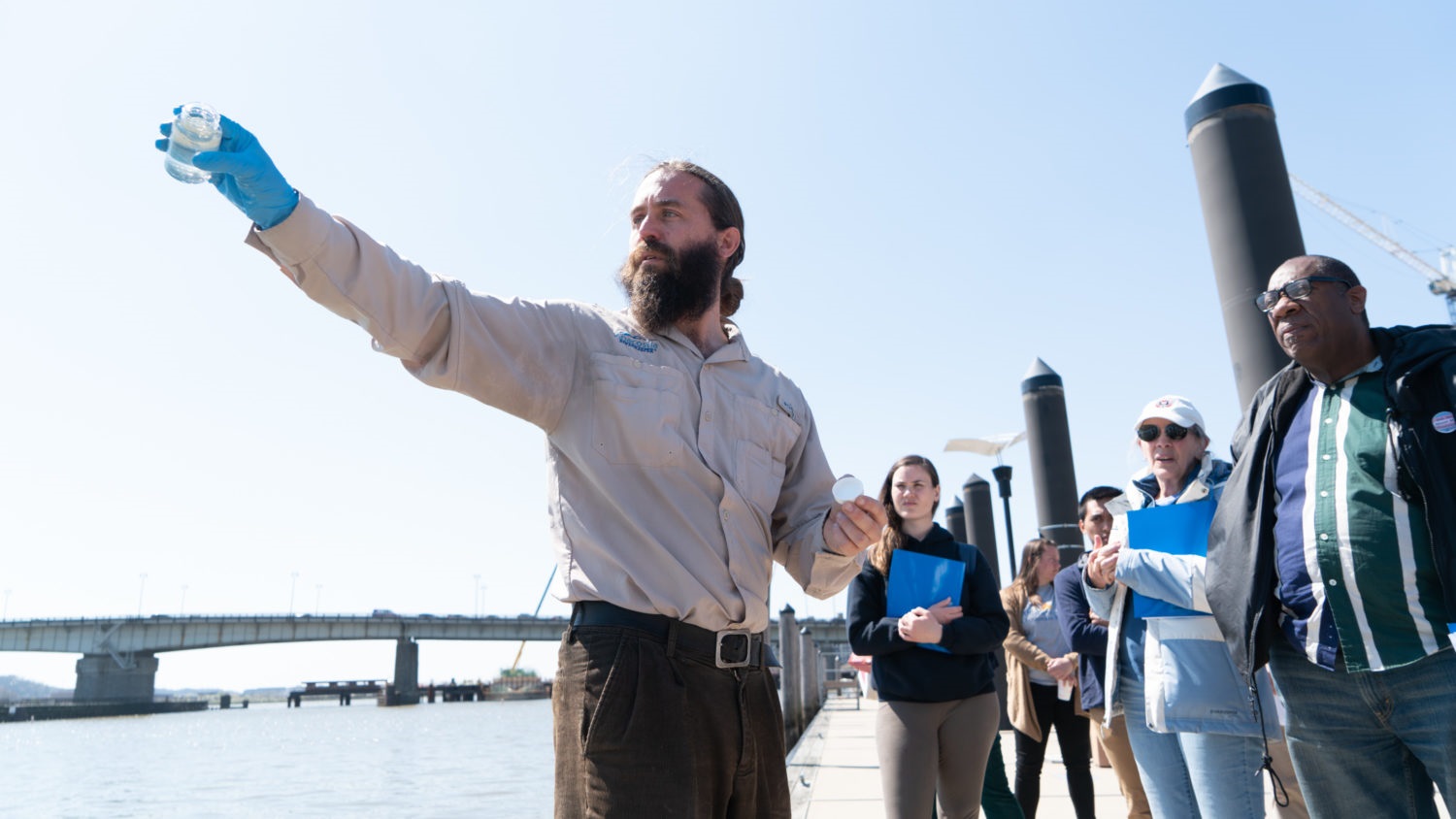
Ever wondered just how clean the water is in the Potomac River, the Anacostia or Rock Creek? Starting May 1, it will be a lot easier to find out. An army of volunteers will be testing the water weekly at nearly two dozen sites, and posting the results online.
“I live on this river, and I want it to be healthy,” says Renée Ater, one of dozens of people who signed up to collect water samples throughout the summer. “We haven’t been a very healthy river over time, and so this seems like a little small thing I could do to help with that,” says Ater, who has lived in Southwest D.C. near both the Potomac and Anacostia for 26 years.

Renée Ater during a recent volunteer training. She’s semi-retired, and excited to spend Wednesday mornings collecting water samples.Jacob Fenston / WAMU
Volunteers will take samples every Wednesday at 22 sites along the Anacostia, Potomac and Rock Creek. The samples will be tested for E. coli bacteria. That will give the public and city officials a much better idea of just how safe the water is for human contact. The samples will also illuminate how often, and where, the water meets standards set by the Environmental Protection Agency.
The water quality has been improving in recent years. But testing last year at a handful of sites showed the water frequently had levels of bacteria making it unsafe for swimming. Swimming is currently illegal in D.C. waterways, but the goal — first articulated in the 1972 Clean Water Act — is to make the rivers “fishable and swimmable.” (The original deadline was 1983.)
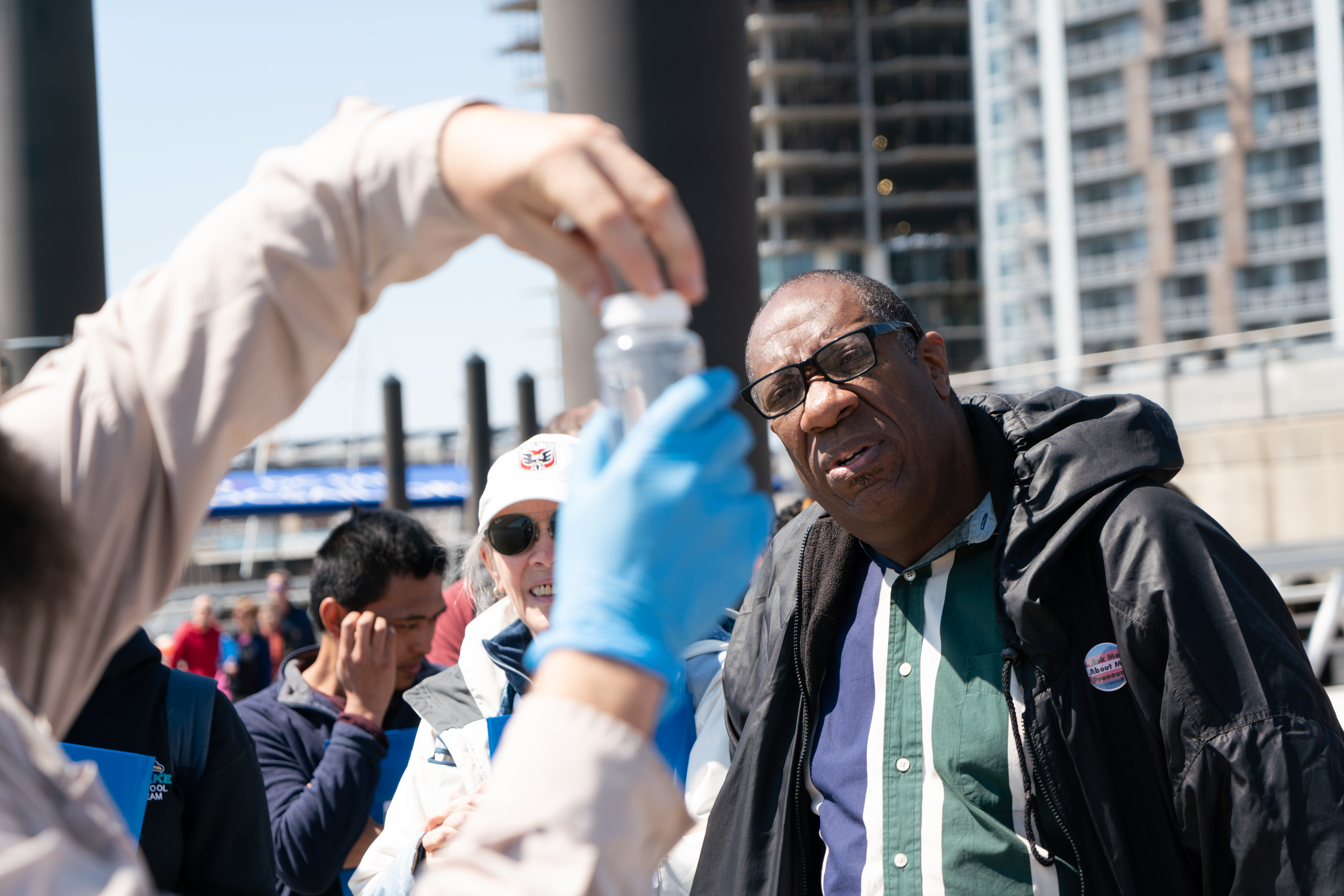
Volunteers learn how to take water samples without contaminating them.Jacob Fenston / WAMU
Billions Of Gallons Of Sewage
Dean Naujoks, the Potomac Riverkeeper, says he gets the same question over and over, every summer. “Is the water OK?”
“It’s always a loaded question because we want to encourage recreation, we know that there’s swimmable days in the river, but there’s also days where it’s not safe to go in the river,” says Naujoks.
He defaults to telling people to stay out of the river for two-to-three days after a storm. But he says because there wasn’t consistent water testing, he couldn’t give a more precise answer.
“It’s always been a guess,” Naujoks says.
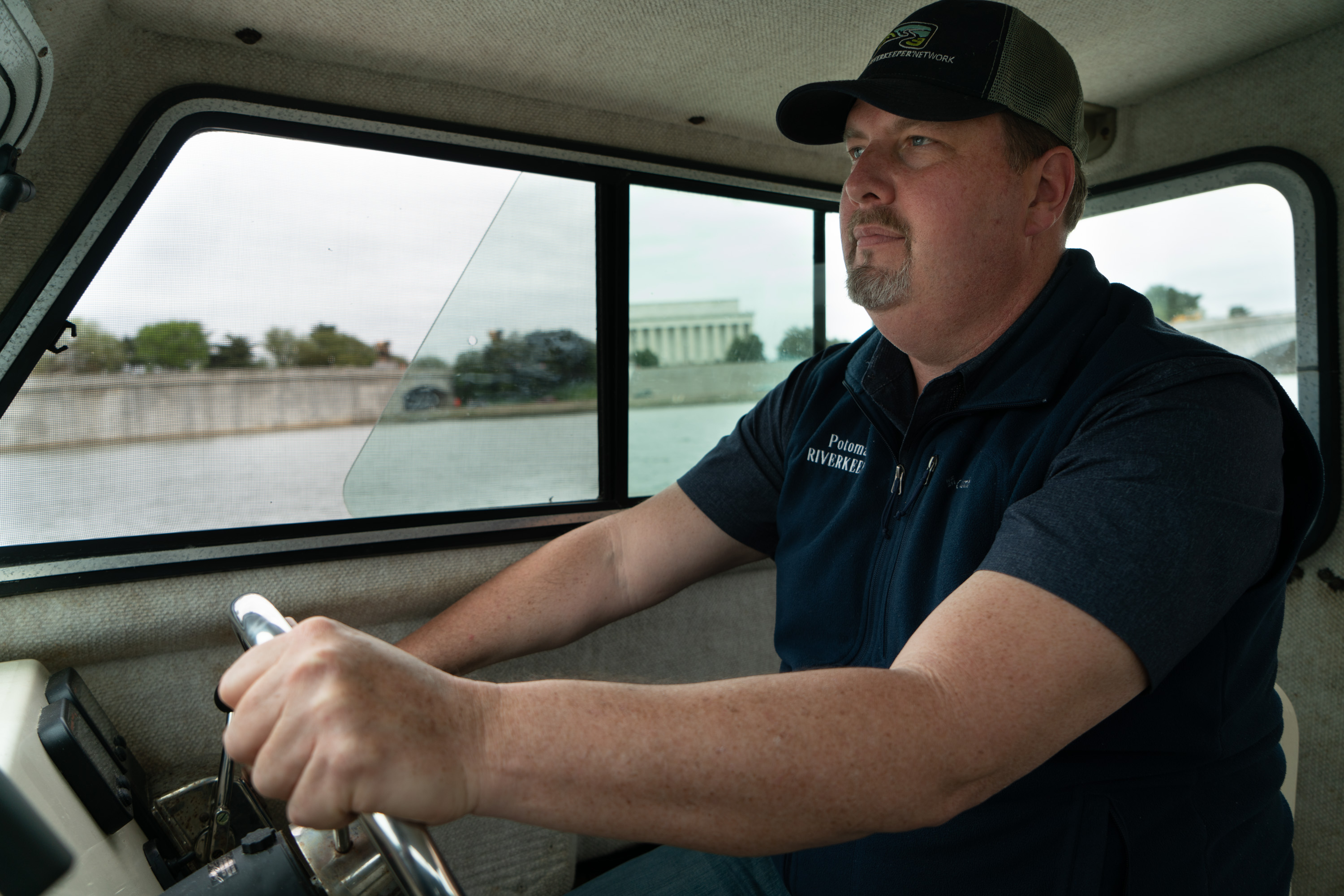
Potomac Riverkeeper Dean Naujoks says there hasn’t been consistent data on water quality.Jacob Fenston / WAMU
So, what exactly makes the water unsafe?
Sewage. Lots and lots of sewage.
On a boat tour of the Potomac, Naujoks points out one of the big sewer outfalls near the Georgetown waterfront, just downstream of the Thompson Boathouse. It’s huge — a gaping mouth leading up into the city’s vast underground network of sewer lines. Above the pipe’s opening, there is a nice grassy area where a couple is picnicking. On a summer day, there are often hundreds of people on the water right here, in kayaks and on stand-up paddle boards.
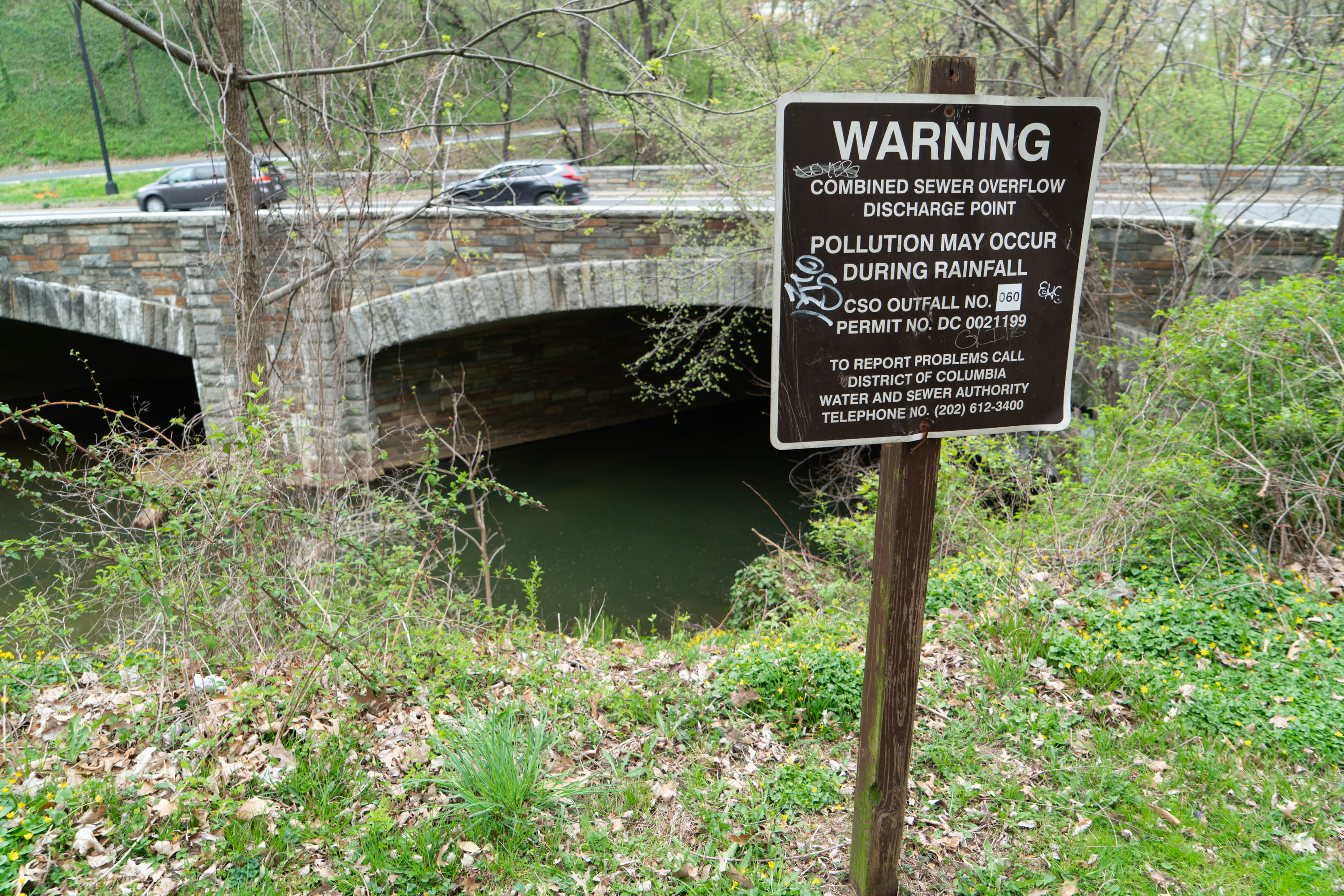
A combined sewer outfall on Rock Creek.Jacob Fenston / WAMU
This outfall is part of the city’s combined sewer system, which serves the city’s oldest neighborhoods — about one-third of the District. It’s called “combined” because unlike in modern sewers, stormwater and sewage share the same pipes. When it rains, those pipes fill up quickly and spill untreated sewage into the rivers.
DC Water is working on a $2.6 billion fix to this problem. It’s a series of massive new sewer tunnels to increase sewer capacity. Since the first of the tunnel opened a year ago, it has already kept more than 4.5 billion gallons of sewage from overflowing into the the Anacostia. But the full project, which will cover all three waterways, won’t be finished until 2030.
‘Anything That Poops Contributes Bacteria’
Each waterway faces different challenges when it comes to water quality. The Potomac’s watershed covers 14,670 square miles, across four states plus D.C., and includes everything from wilderness areas to agricultural land to dense urban areas. By contrast, the Anacostia watershed is 176 square miles, and it’s mostly urbanized. Rock Creek’s watershed is just 77 square miles and is almost entirely suburban, in D.C. and Montgomery County.
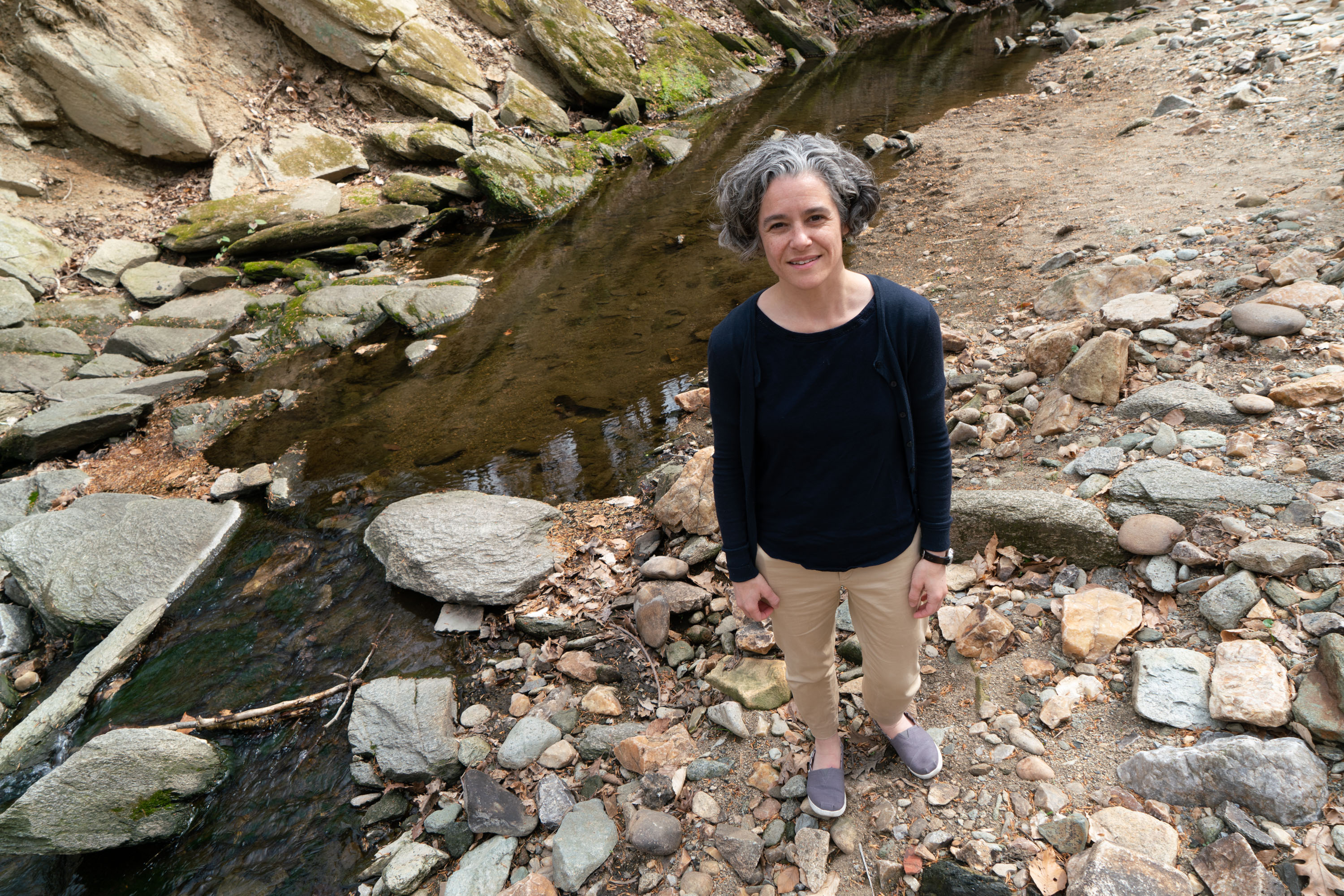
Jeanne Braha, next to Soapstone Creek, a tributary of Rock Creek.Jacob Fenston / WAMU
“So in terms of the types of pollutants that are coming in, it’s people, it’s all of us,” says Jeanne Braha, executive director of Rock Creek Conservancy.
She says Rock Creek doesn’t have big industrial polluters or agricultural polluters. Instead, pollution comes from the places we live and work and drive.
“Which means the solutions to those water quality challenges are things that we collectively can undertake, but are much more diffuse,” Braha says. “It’s not as easy as saying, ‘That factory.’”
Rock Creek gets far fewer sewer overflows than the bigger rivers. In fact, north of Piney Branch (near the National Zoo), there are no combined sewer outfalls, no sewage spilling into the creek. But that doesn’t mean it’s safe to jump in, says John Cassidy, with DC Water. He says most of the bacteria in the creek doesn’t come from the old combined sewers in D.C., but from the newer separate stormwater pipes in the northern part of the District and in Maryland.
“Stormwater is not as clean as you think,” says Cassidy. “The runoff that runs off from the street is not very clean, you would not want to swim in that.”
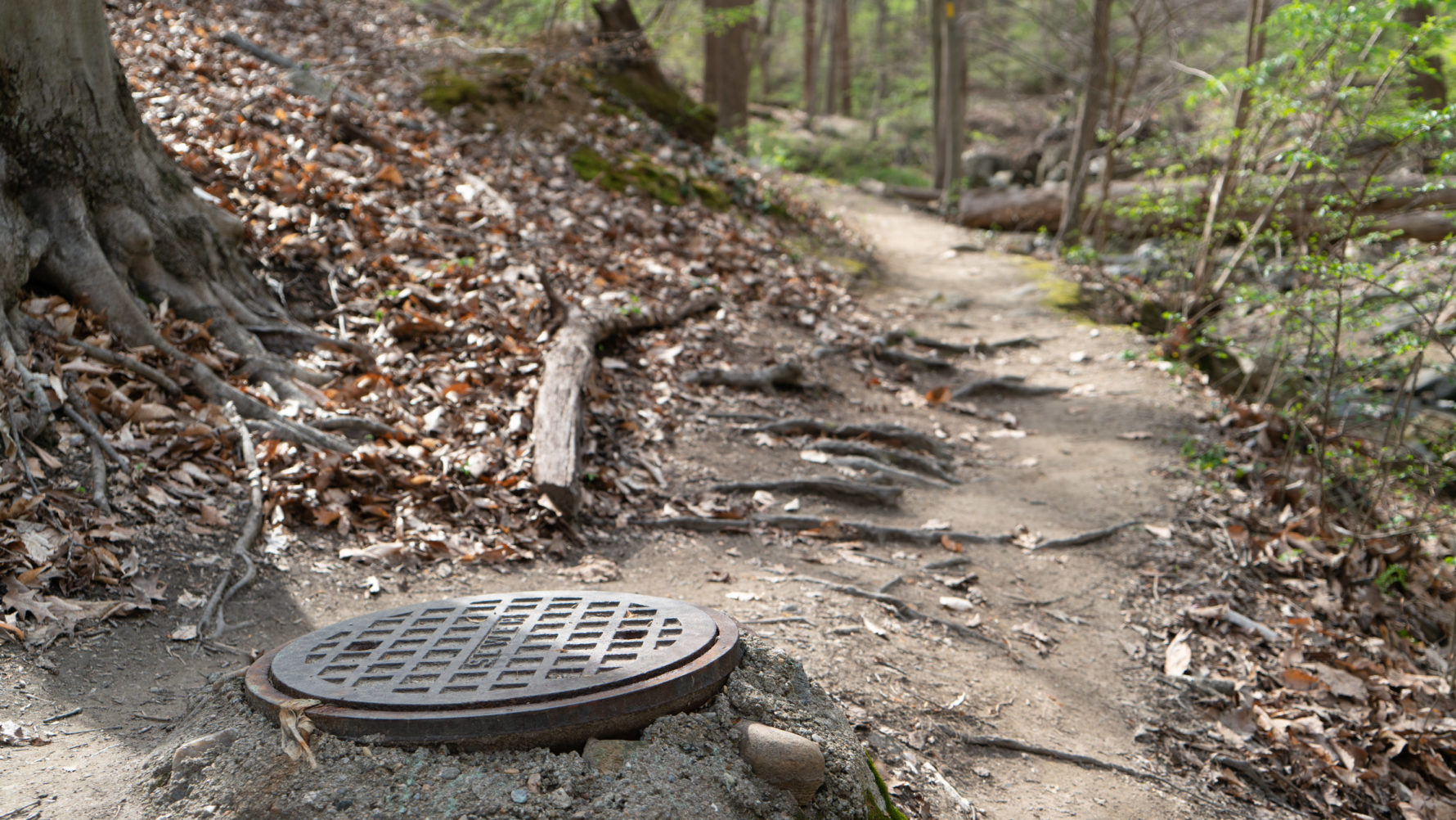
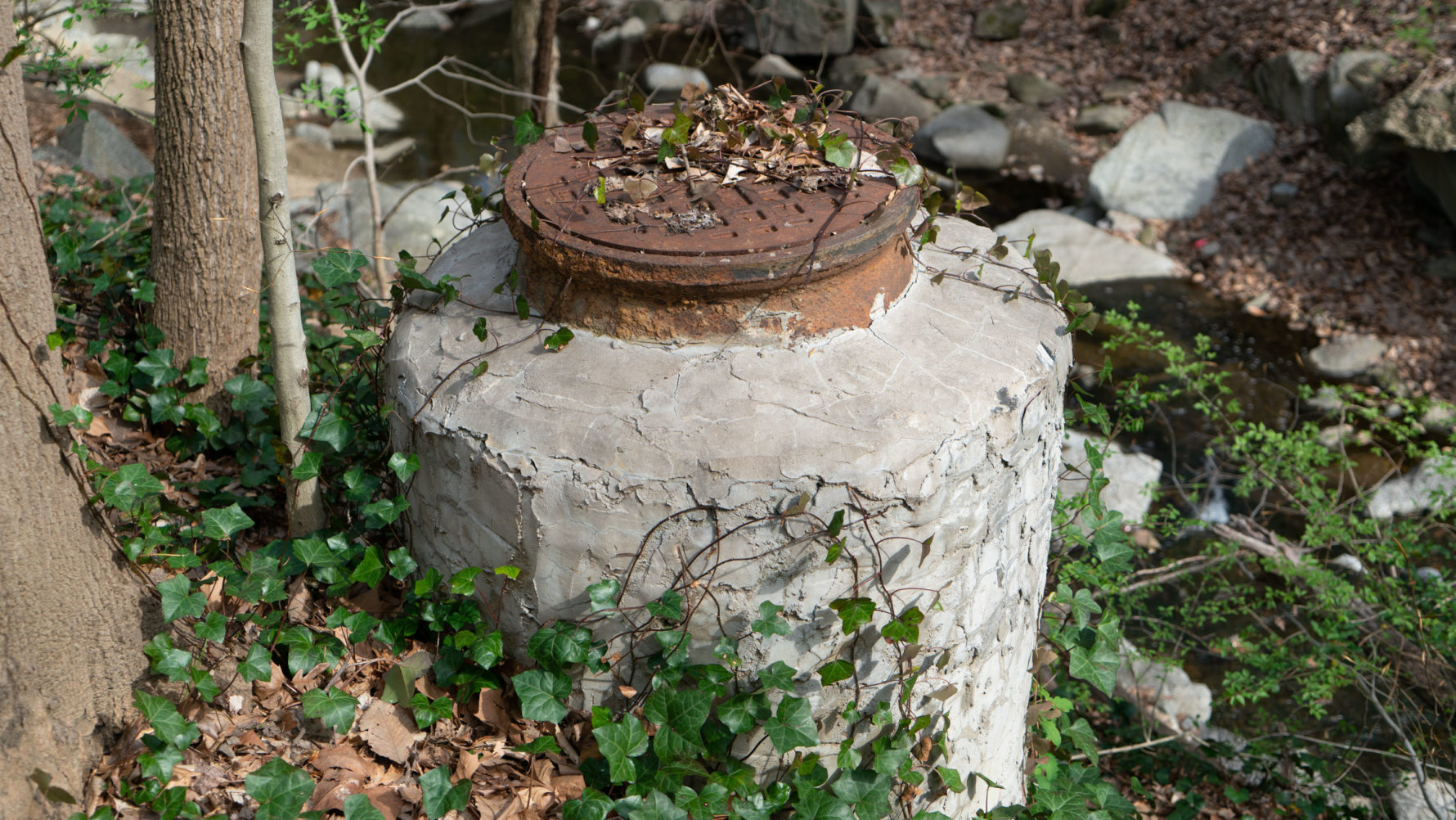
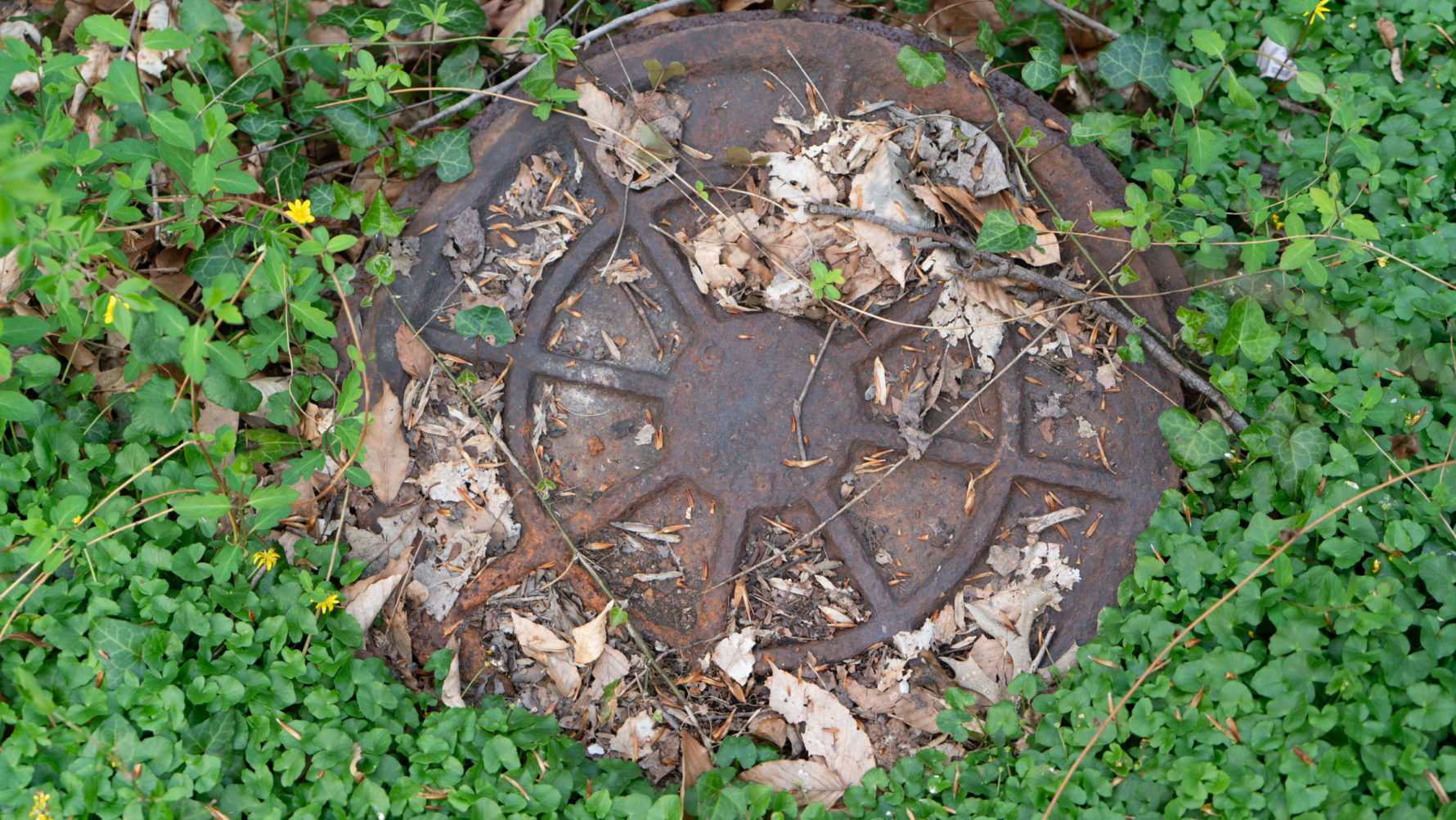
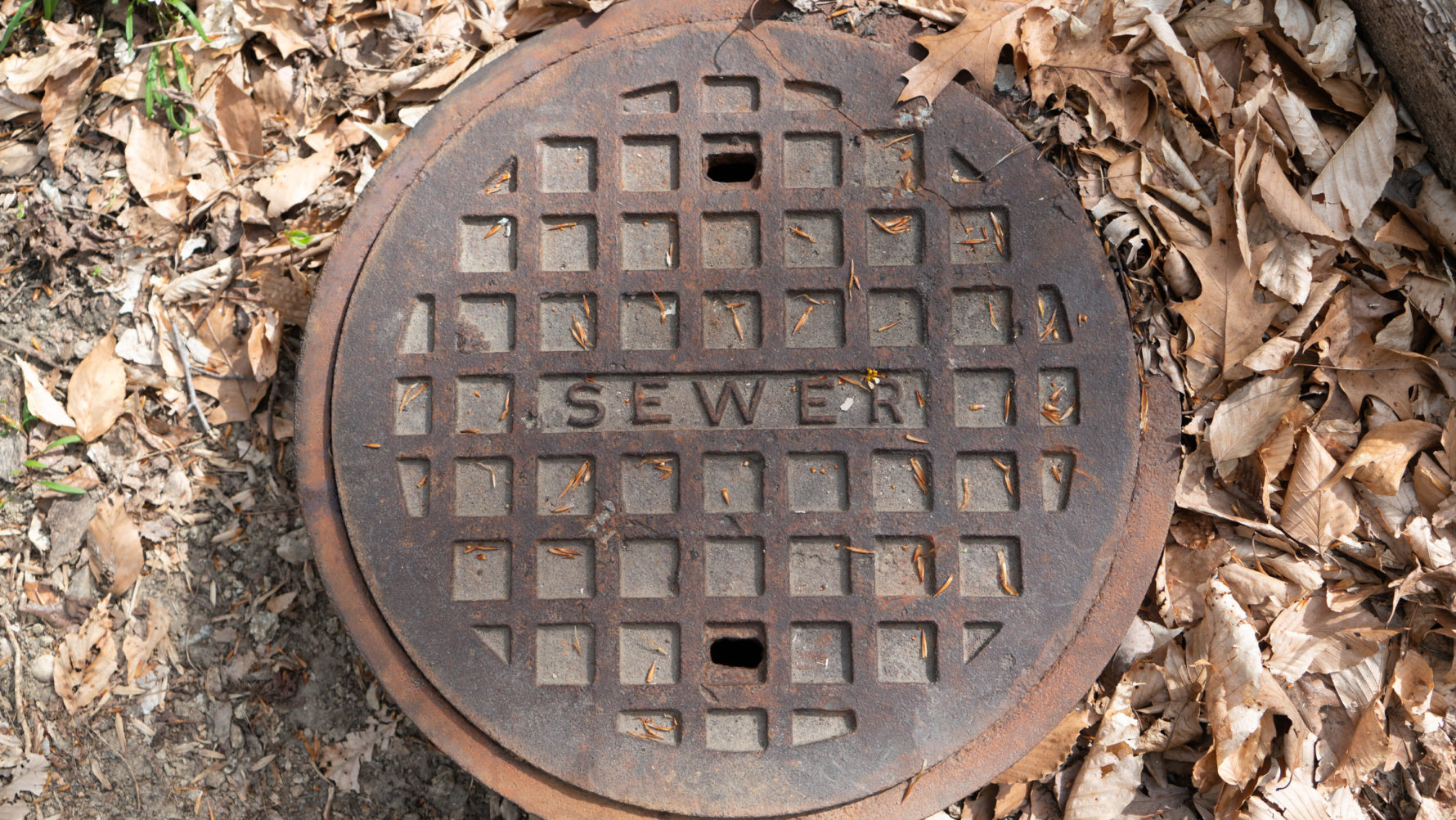
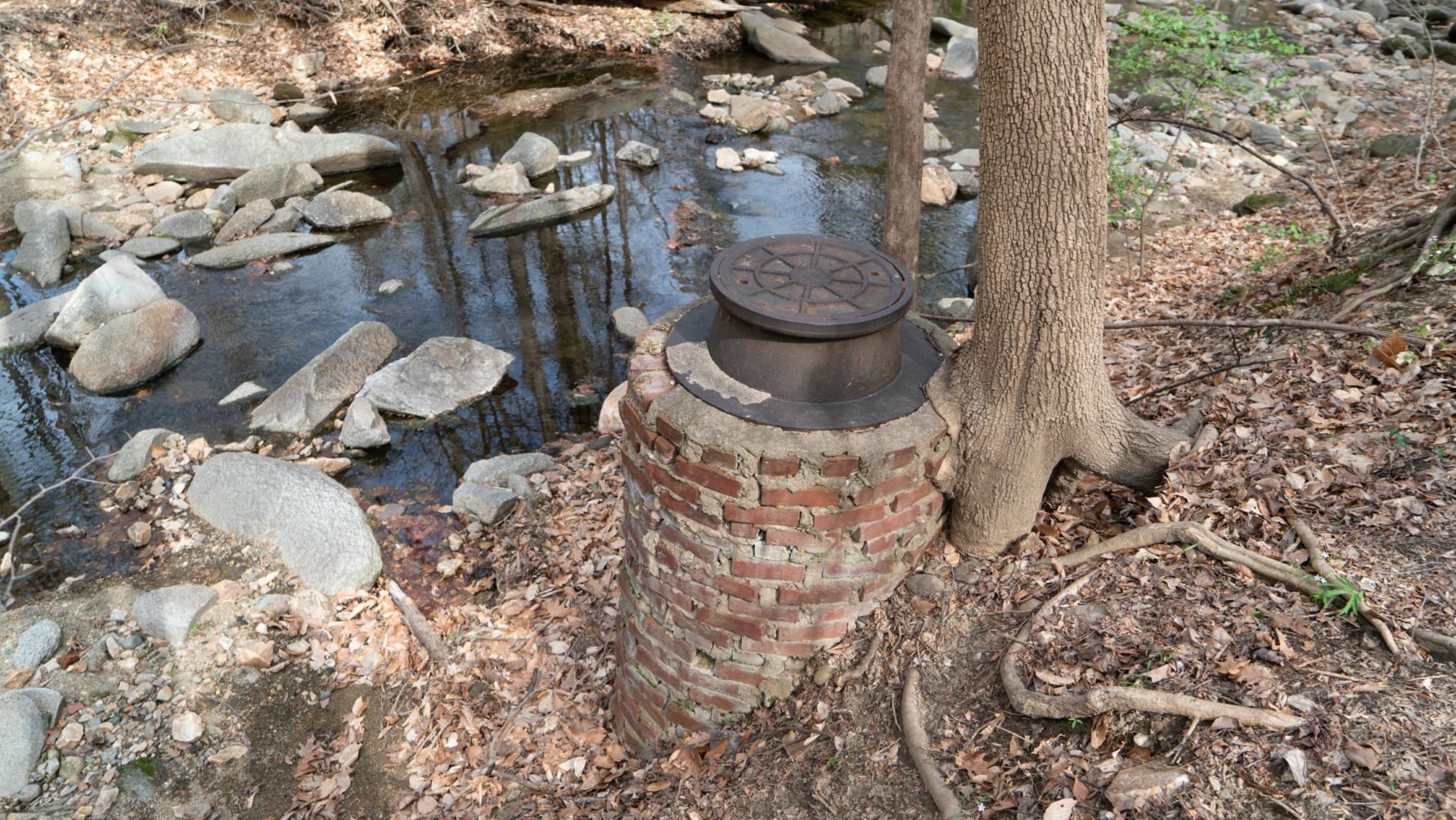
In separate sewers, stormwater is never treated, but flushes directly from yards and sidewalks and roads into the nearest creek.
“It may not be common knowledge, but the separate stormwater systems and upstream pollution sources have a major impact on water quality in Rock Creek,” Cassidy said. “We hope that sampling would help to quantify that.”
Where does bacteria in stormwater come from?
“Anything that poops can contribute bacteria to the creek,” says Braha.
Dogs, and their owners who don’t clean up after them, are culprits. So are geese and other wild animals.
Toward A Swimmable D.C.
Five local nonprofits are working together on the water testing program, and it’s funded for two years by a $200 thousand grant from the city.
“We as a public government, we’re never going to get there on our own,” says Jeff Seltzer with the District Department of Energy and Environment. “We need this types of partnerships with volunteers and nonprofits to really make progress.”
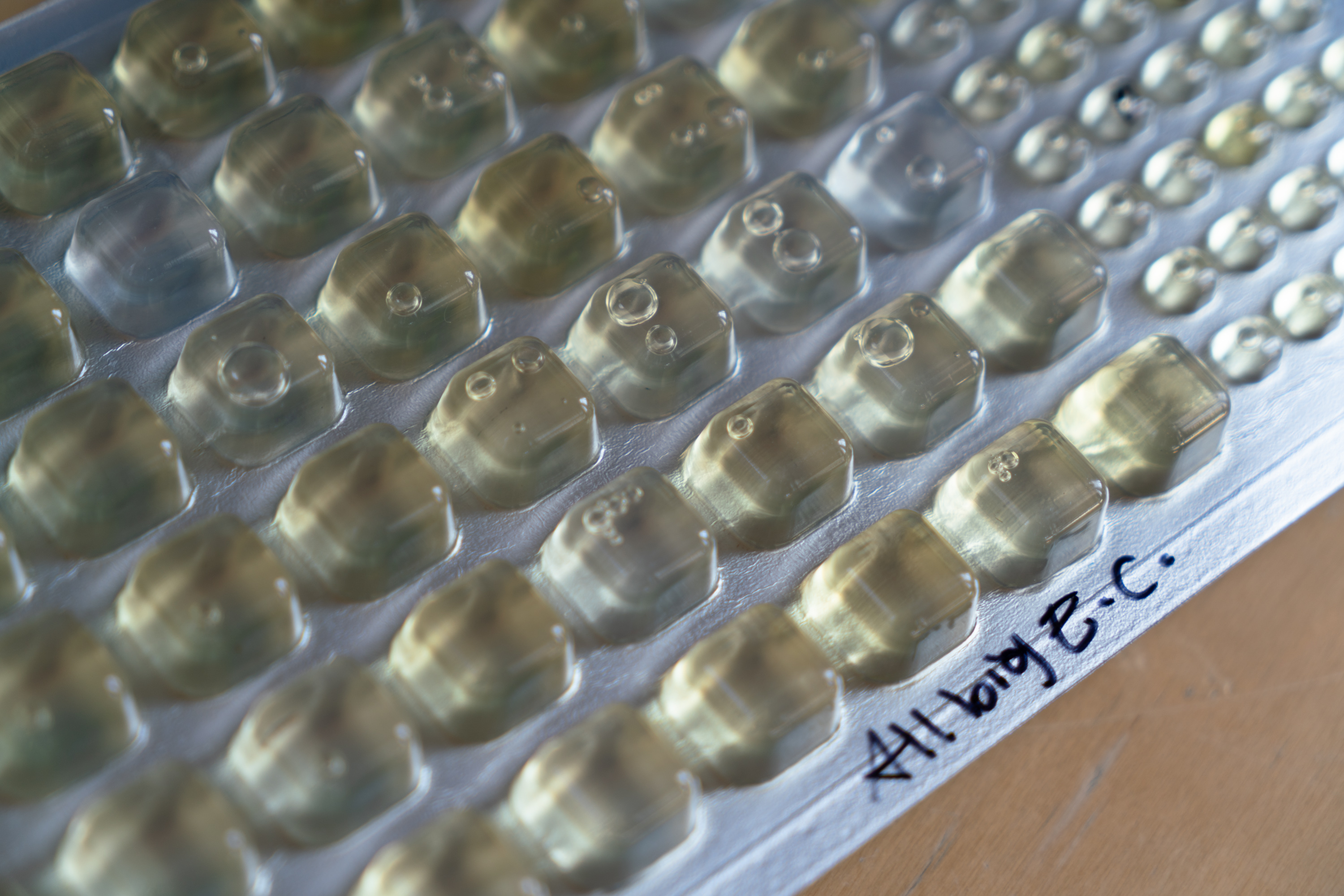
Anancostia River water samples being cultured to test for E. coli.Jacob Fenston / WAMU
The water testing results will be available online, and on an app called Swim Guide. But remember, swimming is currently illegal in all D.C. waterways.
Anacostia Riverkeeper Trey Sherard says he recognizes the irony.
“We want to document days when it would be swimmable, although it’s not yet legal,” says Sherard. “Our goal is a fishable, swimmable Anacostia River.”
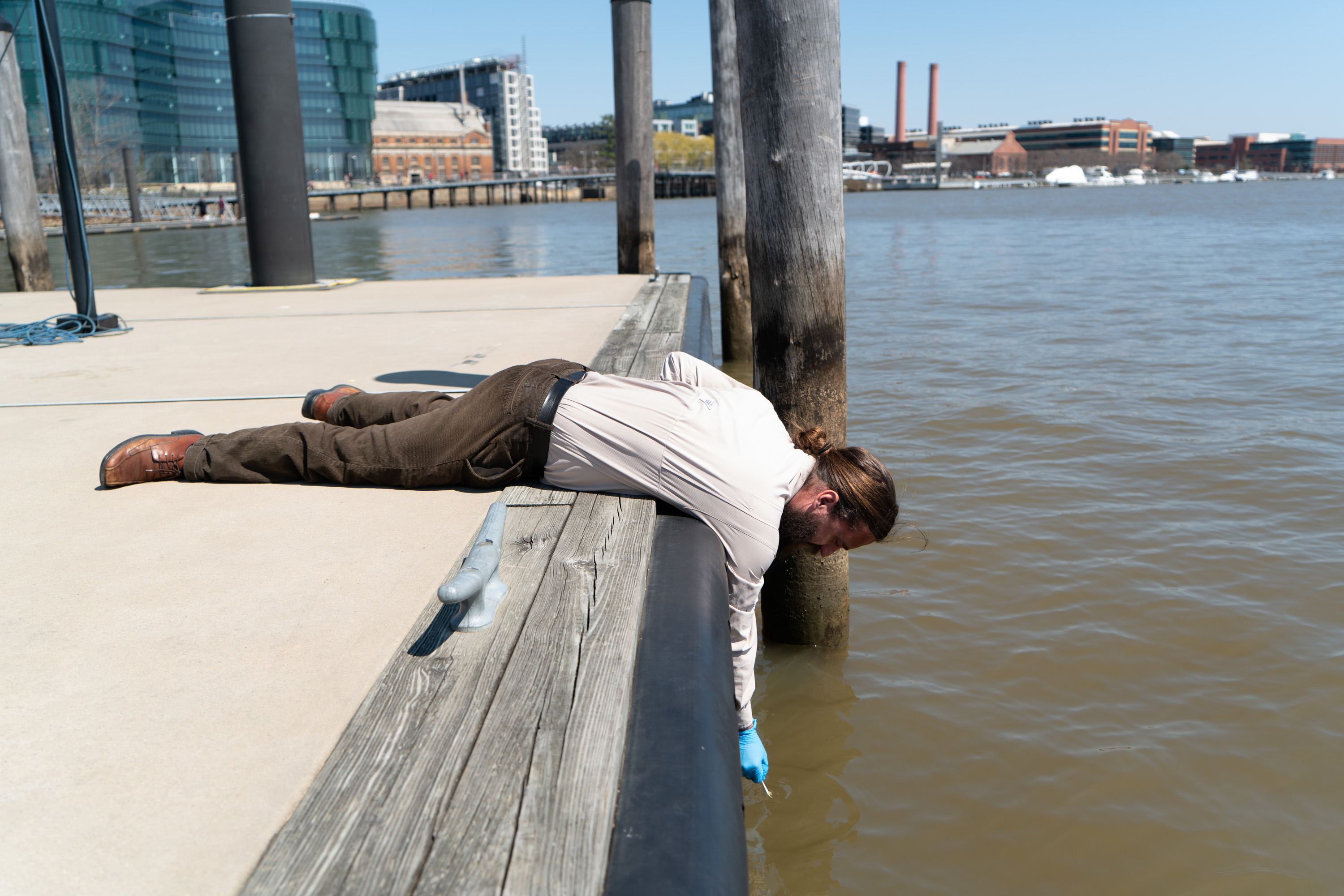
Trey Sherard tests the pH from a dock near the Navy Yard.Jacob Fenston / WAMU
If the weekly water testing reflects recent improvements, Sherard says it will help make the case that the city should lift the ban on swimming.
Seltzer agrees. “We’re not encouraging anyone to swim quite yet,” he says. “We really want to have the data and a track record to show that we have safe waters, and consistent safe waters before we lift that ban, but this is the first step toward getting there.”