 Carmel Delshad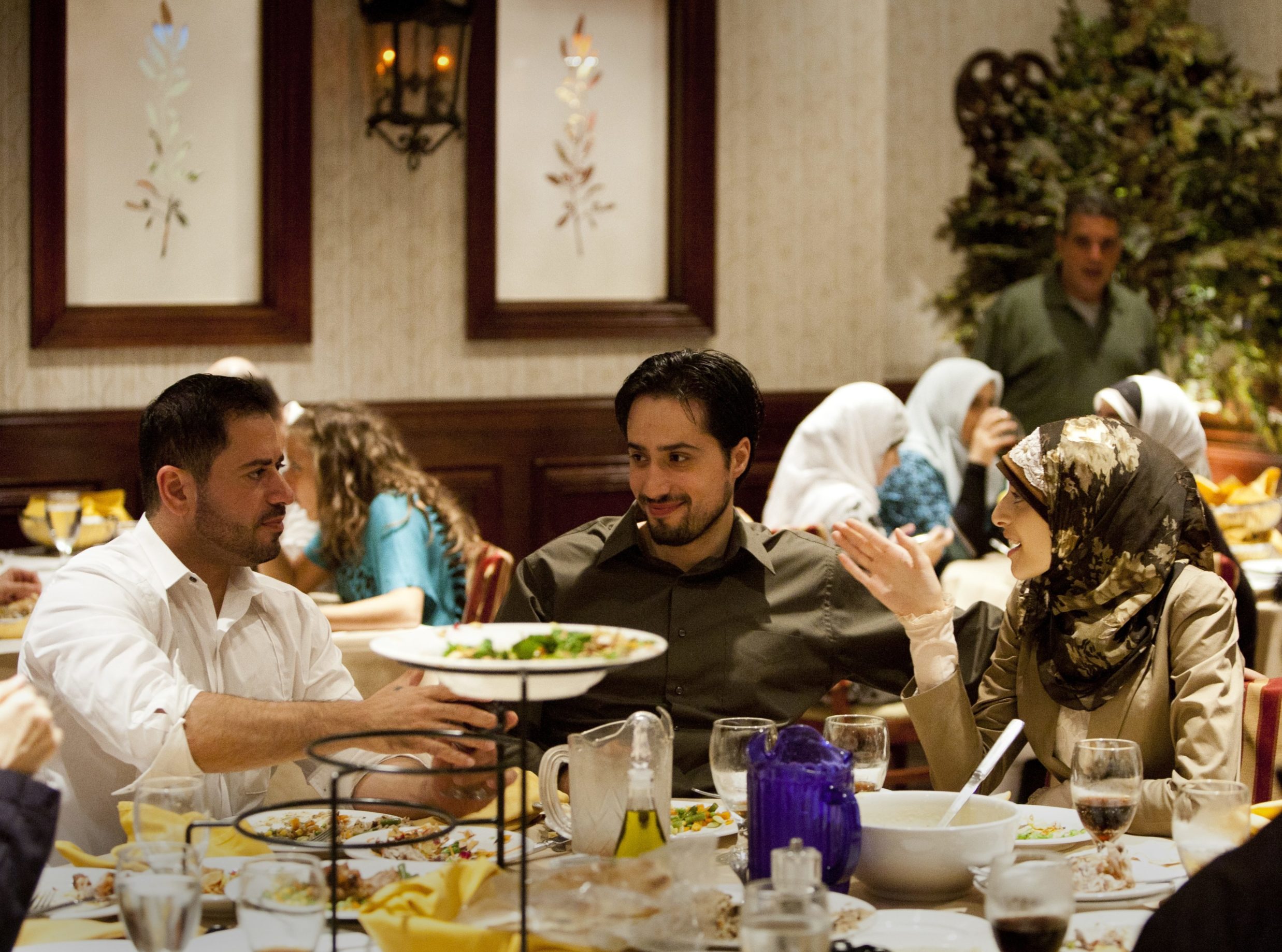
It’s the first week of Ramadan, a time when observant Muslims fast from dawn to sunset. In the Washington region, that can be as late as 8:30 p.m. And sometimes, going out to eat that late can be tricky.
Katherine Ashworth Brandt wants to make it easier for local Muslims who want to dine out during Ramadan. She’s the founder of Dine After Dark, a new initiative calling for restaurants in D.C. to stay open later to accommodate fasting Muslims. Brandt, who isn’t Muslim, says it’s good business to be inclusive.
“There is obviously a religious aspect to this, in that we’re talking about Ramadan and an Islamic holiday. But really, this is about capitalism,” says Brandt, a graduate student at George Washington University.
“This is about a business opportunity for businesses to serve their customers better. And we’re just trying to connect businesses to that market and prove that that market exists and there’s a demand for this,” she says.
According to the Pew Research Center, Muslims make up roughly 2 percent of the adult population in the Washington metro area. Brandt wants restaurants to tap into those communities.
This is Dine After Dark’s first Ramadan season. Brandt’s goal is to get participating restaurants to keep their kitchens open until at least 10:30 p.m. each night. So far, all seven Busboys And Poets restaurant locations are participating, in addition to City Winery DC. Brandt acknowledges a winery isn’t the first place people might think of to break their fast because many observant Muslims don’t drink.
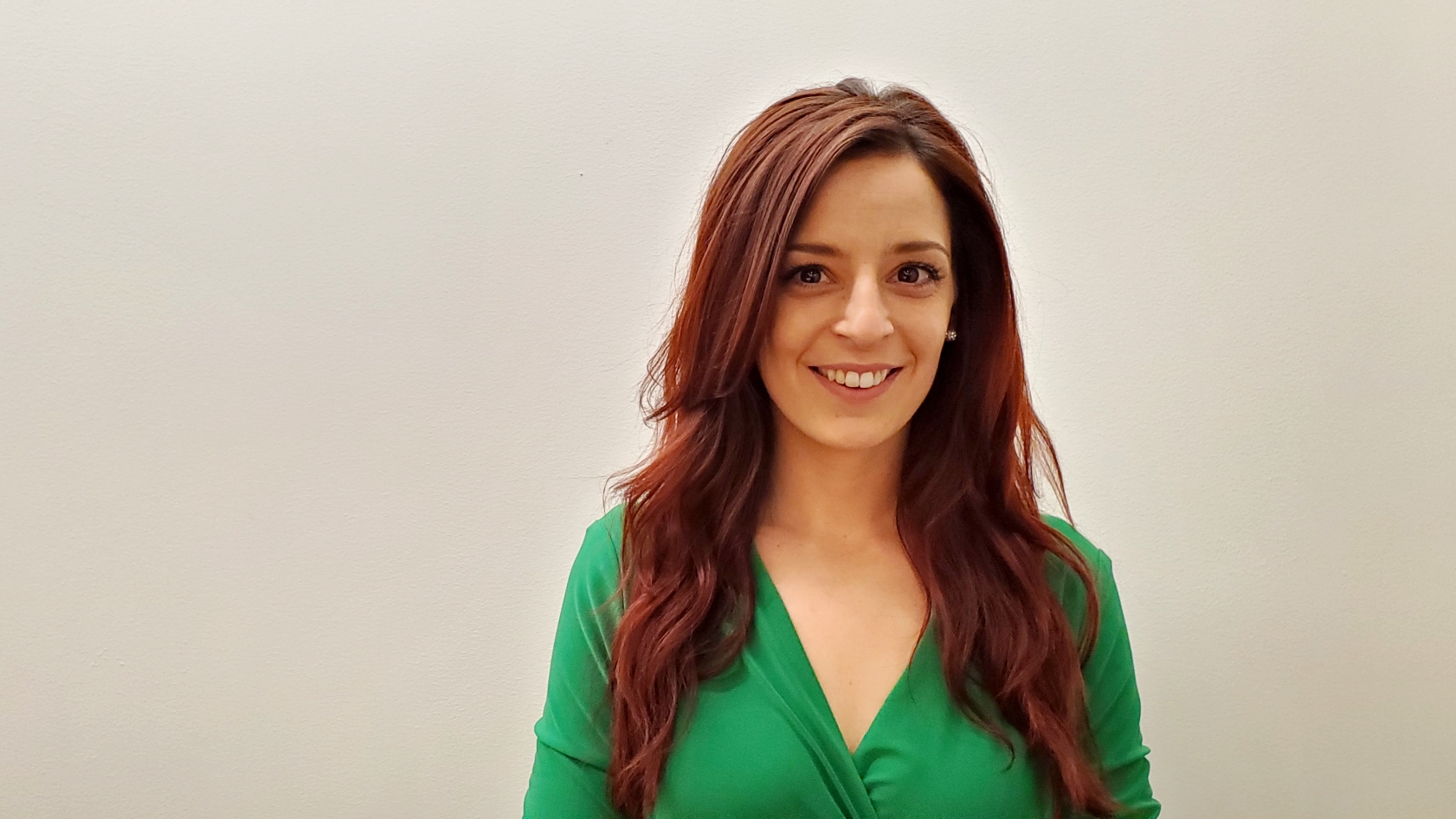
Katherine Ashworth Brandt says she was inspired to create Dine After Dark after hearing about a prom scheduled during Ramadan in New York City. Brandt says she couldn’t fix prom for those kids, but that she wanted to “contribute to just a greater kindness in the world.”
“We just want to give [people] the options so… they can decide for themselves what they would like to do in their evenings,” Brandt says.
While the comments on Dine After Dark’s Facebook page have largely been positive, some have questioned whether it’s appropriate to include an establishment so focused on alcohol. But others, including Dine After Dark, have commented that City Winery DC is a full-service restaurant and that most restaurants serve alcohol. Brandt says she’s not here to judge how people choose their time during Ramadan.
“I want everybody to join because we want to give consumers more options,” she says. “We don’t have any preconceived notions about how people might choose to celebrate.“
Martha’s Table, a local charity focused on food insecurity, is sponsoring Dine After Dark’s “Iftar Car.” The vehicle will serve nightly Iftars for communities in need throughout D.C. between 8 and 9 p.m.
Mostly, Brandt says she wants Muslims to have the same dining options she has during Christian holidays like Christmas and Easter.
“I think everybody would appreciate consumer services during their holiday season. I don’t think anybody gets mad about that,” Brandt says.
Dine After Dark is currently offering free membership to restaurants during their first year with the initiative. After that, an annual membership will cost $500. Brandt says that money will go toward advertising, like targeted ads on social media and direct mail, because the non-profit has virtually no overhead.
“There’s nobody on staff. I work out of my apartment. We really put every single dollar we raise back into Dine After Dark and promoting our cause and spreading the word to customers so that we can actually get those people in the door and make this a good fit for the businesses,” she says.
Brandt works with a Muslim friend who advises her on the project.
Can Inclusivity Be Profitable?
MaryEllen Georgiadis is a financial consultant in the restaurant industry. She represents about 15 businesses in the Washington region. She says she’s all for inclusive hospitality and likes the premise of Dine After Dark. But her job is to help those businesses focus on their bottom lines.
“When I look at [Dine After Dark] from an economic standpoint, what I look at first is, is there a return on investment that makes sense for for any of my clients?” Georgiadis says.
Restaurants should weigh the costs associated with staying open later, she says. Kitchen staff, waiters, hostesses and other employees have to be paid.
“From a financial metric, the most important part of that would be the kitchen staff. That is the the highest prime cost for any restaurant business,” Georgiadis says, because front-of-house staff like servers are typically paid at a lower hourly rate and earn tips.
“If you’re serving food, that’s where the costs can go up. If you’re doing a full menu, you need a full staff to stay on for another hour or two,” Georgiadis says. “Maybe [offer] a limited menu so that you have a good selection and reduce your kitchen staff a bit so that you have a reasonable return on investment for the evening.”
Georgiadis says D.C.’s core dining hours are generally between 6 to 9 p.m., so restaurants also have to weigh how much money they can make after-hours. Another aspect restaurants should keep in mind is clientele, Georgiadis says.
“So many people in D.C. are from all over the place and often don’t have families to to break fast with,” she says. “I still think they are forming some sense of community among their friends or within their mosques that I’m not sure the value of having restaurants specifically add cost if they’re not already open ’til 10 p.m. or later as needed.”
Georgiadis says Dine After Dark could have longer-term effects for restaurants after Ramadan is over.
“Say you had an extra 100 people come in. It’s about those 100 people feeling welcome and and happy and invested in your business, and they come back and they each tell 5 more people,” she says.
“It’s not just about the population that may take advantage of this. It’s how does that grow exponentially.”
A National Movement?
Brandt is hoping the first month of Dine After Dark goes well so more restaurants will sign up next year. She’s also planning on including restaurants in Maryland and Virginia next year so Muslims living in the suburbs can have more dining options, but the paperwork this year stalled that process.
Brandt has dreams of going national, too.
“Even if the Dine After Dark name isn’t attached to it. I just want this to be a common business practice. I want this to be something that every restaurant does. I think it’s the considerate thing to do, and I think we’re all better when we treat each other the way we’d like to be treated.”
For more on Dine After Dark and inclusivity during Ramadan, listen to the Kojo Nnamdi Show segment on the initiative.
This story originally appeared at WAMU.