Natalie Delgadillo
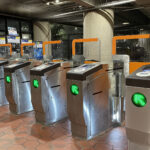
Earlier this month, the Metro Transit Police Department stopped issuing tickets to people for evading their fare, eating or drinking, spitting, and playing loud music on the transit system while they are riding in D.C., Metro spokesperson Dan Stessel confirms. The decision stems from apparent administrative confusion over a bill that decriminalized fare evasion and other infractions on Metro. Although a legislative fix was signed today, it’s not clear when the transit agency will resume issuing citations in D.C.
The fare evasion decriminalization law passed—over strenuous objection from WMATA—in January, but it didn’t take effect until May 3. It eliminated the possibility of arrest or jail time for these infractions, and reduced the fines to $50.
The directive to stop issuing tickets in the District came in an email on May 8 from MTPD Chief Ron Pavlik. “Members shall cease and desist from issuing criminal citations in the District of Columbia for Fare Evasion; Eating; Drinking; Spitting; and Playing a musical instrument without headphones, until further advised,” Pavlik wrote in the email, which was provided to Buzzfeed. “Additionally, members shall not make a custodial arrest for these offenses either, until further advised.”
The decriminalization law blocked transit police from issuing criminal citations for fare evasion and other infractions (Bowser vetoed it, but her veto was overturned by the D.C. Council). But Stessel says the law has also prevented officers from issuing civil citations. The Washington Post first reported that Metro had stopped doing so.
“Because in their original legislation DC Council did not provide any process for adjudication, there is currently no mechanism for issuing a civil citation if we wanted to,” Stessel wrote in an email to DCist on Thursday.
On Thursday morning, Mayor Muriel Bowser signed a bill meant to patch up the administrative snag, setting up an appeals process for the civil citations and clarifying that Metro transit police (and Metropolitan Police Department officers) have the authority to issue the new civil citations.
“We made a technical change clarifying things in the [fare evasion decriminalization] bill that we thought were already implicit in the law,” says Erik Salmi, a spokesperson for Ward 6 Councilmember Charles Allen, who shepherded the bill through the D.C. Council. Salmi says now that the mayor has signed the bill, MTPD should be able to immediately be able to begin issuing tickets again.
MTPD argued that the law didn’t give them the authority to issue the new citations. Salmi says that the Council disagreed with that interpretation, but chose to simply clarify the law with an emergency bill. The Council also believed that the mayor’s office would set up the adjudication process for the bill, but when that didn’t happen, members decided to include that in the emergency bill, too. The Council will eventually introduce a permanent version of the bill, Salmi says.
“You don’t always have to spell out every single little thing in a piece of legislation,” Salmi says, because many technical matters can be left up to the discretion of the executive. But it’s typical to have to write amendments that clarify small matters in legislation after it’s passed, he says—in fact, the emergency bill the mayor signed on Thursday also contains a number of such technical adjustments to other bills.
Asked whether MTPD would begin ticketing these infractions again immediately, Stessel said “not immediately. Setting up an entirely new adjudication process takes time.”