 Jordan Pascale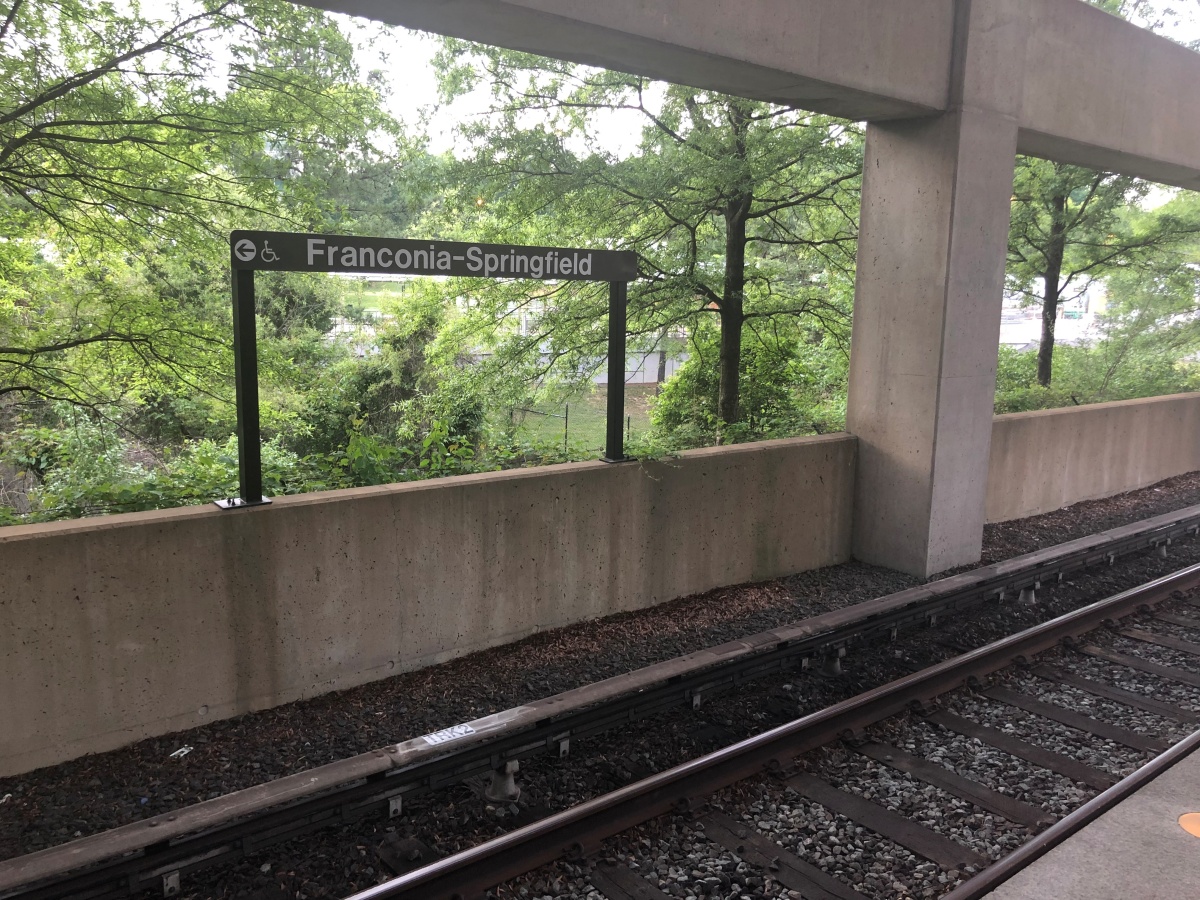
Transportation planning procrastinators: This is for you.
You’ve heard of the Blue and Yellow Line closures this summer, but you’ll get to it tomorrow. You still have time, right?
Well, it’s that time.
Six Blue and Yellow Line stations in Virginia close this Saturday for the entire summer. They’ll re-open Sept. 9, but may still need occasional weekend work.
Here’s everything you might’ve ignored over the past year and what you need to know to be prepared.
What’s happening?
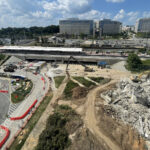
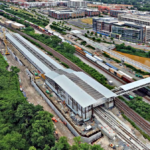
Over the next three years, Metro is reconstructing all 20 of its outdoor concrete platforms, which have deteriorated over time from weather exposure.
The 20-station project is estimated to cost between $300-400 million and is the first major construction project to use new dedicated capital funding approved last year by the legislatures in Virginia, Maryland, and D.C.
Last May, Metro announced six Blue and Yellow Line stations would be the first to undergo repairs. Workers from the construction firm Kiewit will demolish and rebuild the platforms.
Metro will operate regularly north of National Airport, but if you live or work south of there and take Metrorail, you’ll have to make alternative plans.
How can you get around?
About 17, 000 rides begin at the six shuttered stations each morning. So, that’s a lot of people to move without trains.
Your best bet is to start at wmata.com/platforms and enter your origin and destination. That will provide you with several options.

Metro is running multiple shuttles to help move the 17,000 riders.
Metro is providing a free shuttle network, local bus companies are adding routes, and even water taxis are an option. Parking at the closed stations will be free during the shutdown. On its website, Metro says customers should plan ahead and add an additional 30 minutes onto their normal commute times.
Other options include Virginia Railway Express, Amtrak, slugging, carpooling, ride-hailing, bikeshare, and electric scooters.
Some local members of Congress are encouraging the federal Office of Professional Management to allow more flexible telework, too.
“The station closures will begin in just five days, but OPM has not yet issued guidance on expanded telework options for federal employees. In keeping with past agency practice ahead of major Metro construction projects, we urge you to expand telework options for federal employees for the entirety of the Platform Improvement Project,” Virginia Reps. Don Beyer, Jennifer Wexton, and Gerry Connolly wrote on Monday.
The same day, OPM Acting Director Margaret M. Weichert sent a letter to her staff with more detail.
“In response to the project, the U.S. Office of Personnel Management (OPM) is strongly encouraging agencies to allow affected employees to utilize various workplace flexibilities throughout the upcoming Project, including telework and alternative work schedules.”
Are communities prepared?
Alexandria Mayor Justin Wilson was initially concerned about WMATA’s plans, but says Metro has done a lot to improve capacity since.
Metro told him the shuttle system can carry 97 percent of peak riders.
“If that works, and we’re able to keep the volume of the shuttles and the headway of the shuttles moving, then I think that will make the best of a bad situation,” Wilson said. “I think our biggest concern is we want to make sure that that first week is a success.
“A lot of people, including myself, are going to make their decisions about what they’re going to do throughout the shutdown that first week.”
Wilson said many are aware of the shutdown—“I get asked about it a lot”—but he says many won’t make plans “until it gets right up on us.”
But, he says, business and residents still have reason for concern.
“They depend on transit as a way for people to visit their businesses, but especially their employees,” Wilson said. “A lot of these businesses, particularly our service economy businesses, rely on their employees being able to get to their jobs via transit.”
Why is Metro closing the stations all summer?
Metro rebuilt platforms at 10 outdoor stations in the past, but the latest reconstruction took three years and involved years of single tracking and customer inconvenience.
“The approach improves safety while significantly reducing project duration because workers do not have to repeatedly set-up and break down their equipment … and it minimizes customer impact by allowing Metro to continue to provide normal rail service elsewhere on the system,” Metro said in its announcement last year.
The remaining 13 station platforms to be reconstructed in 2020-2021 are: West Hyattsville, College Park, Greenbelt, Rhode Island Avenue, Vienna, Dunn Loring, West Falls Church, East Falls Church, Cheverly, Landover, New Carrollton, Addison Road and Arlington Cemetery.
This story originally appeared on WAMU.