Natalie Delgadillo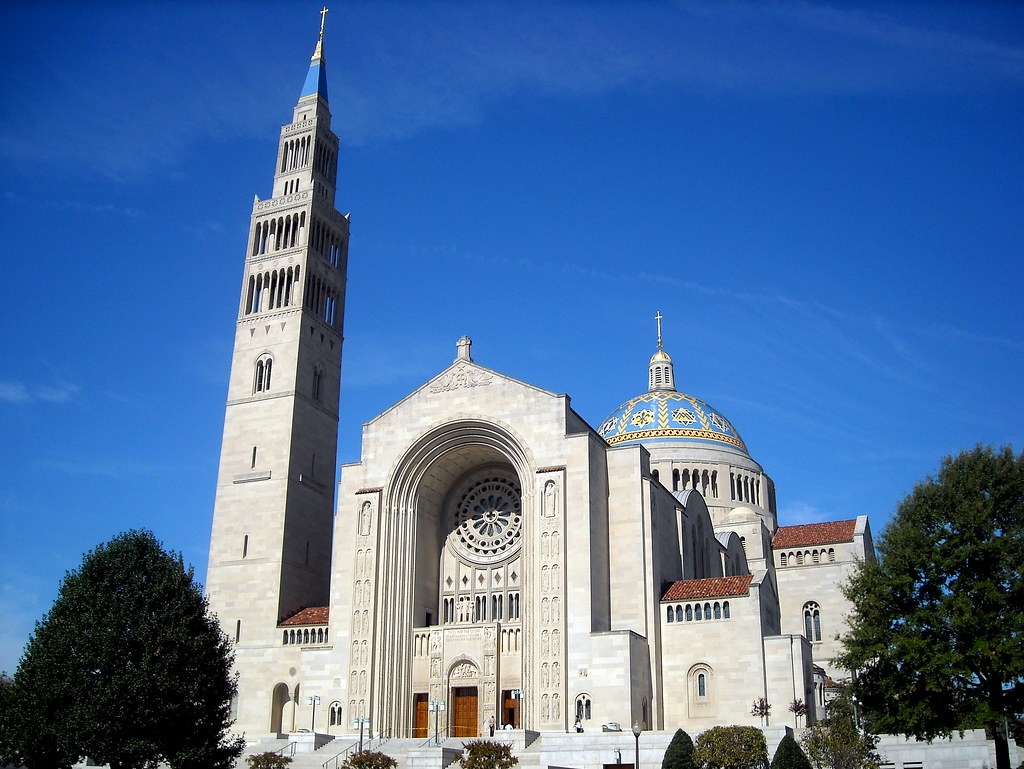
When the former owner of Heather Benno’s Edgewood apartment building died, her family’s future was thrown suddenly into flux.
She learned in January 2018 that the rental property, where Benno and her family had been living for three and a half years, was bequeathed to the Basilica of the National Shrine of the Immaculate Conception. The towering and ornate building—and the largest Catholic church in North America—is located a few blocks from her home. The basilica is prevented by church rules from owning property for profit, and it put the rent-controlled building on the market shortly after the deed transfer went through.
This was worrisome for Benno and the other three households in her four-unit building on Girard Street NE, she says. They feared that the church would sell to an owner who was exempt from keeping the property rent controlled; if that happened, she says, they would likely face an exorbitant rent hike and eventual displacement.
“Right now, all of the units are far below market. All of our rents are under $900 per month, so the building attracted low-income people,” she says.
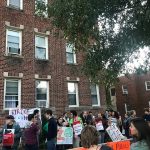
Benno and other tenants began a struggle to exercise their rights under the District’s Tenant Opportunity to Purchase Act, which gives tenants in rental properties the first right of refusal to purchase when their buildings go up for sale.
The tenants in Benno’s building soon realized they weren’t alone—the former owner of Benno’s property, Joanne Doyle, owned a half a dozen similar four-unit rental properties in Northeast, all of which she left to the church when she died. Property owners who own no more than four rental units in the District are exempt from rent control, which made Doyle’s four-unit properties particularly vulnerable to rent hikes when they were put on the market.
Some of the buildings eventually sold, and tenants did not use their TOPA rights to purchase them.
But after months of working to try to find an affordable housing developer that would not displace them from their homes, Benno and other tenant organizers announced this week that they had succeeded: Benno’s building and two other buildings formerly owned by Doyle had reached an agreement with community developer Kaizen Community Strategies, who plans to develop the properties and then either sell or rent the units to current occupants at affordable prices, Benno says. The developer is planning to modernize and renovate the buildings, and then turn some units into condos for occupants who want to buy and keep others as rental units, she says. The plan is to keep the units available for all occupants at below market prices.
Beth Harrison of Legal Aid, who helped the tenants in their search to find an affordable developer, is pleased with the outcome but notes that it “could have gone the other way, it could have been four fewer units. [Gentrification] happens building by building, unit by unit. Preserving one four unit building is one small piece of that, but it’s important that we try to preserve as many of these buildings as possible.”
Benno characterizes the process as “a really long road with many additional fights … The problem is that the basilica wanted to sell the building as fast as they could, and they became aware the building could go for a very high price in this area.”
Despite the tenants’ eventual victory, Benno says she wishes the basilica had shown more willingness to help them find resources to purchase the buildings, and more general concern about the possibility of displacing them in the first place.
“Their practice suggests that they sell [properties bequeathed to them] as fast as possible through whatever their regular channels are without consulting the tenants at all, without communicating in any way, and just kind of throwing their hands up,” Benno says.
Initially, the church planned to sell her building on Girard to a woman named Ongelle Higgins for $675,000. The contract of sale said that Higgins planned on occupying the building herself, according to Washington City Paper, which would have displaced the residents living there. Benno says Higgins also wouldn’t have been required to keep the rent stabilized, as she didn’t own other rental properties in the District. “They had no problem with that,” Benno says of the church.
Moreover, Benno says that the basilica’s initial asking price for the property would have necessitated drastically higher rents. When tenants asked the basilica to lower the price, the church agreed once, but when asked to lower it again, the basilica declined.
The basilica disputes Benno’s characterization of its actions throughout the sale process. In an email, spokesperson Jacquelyn Hayes says the entity was limited by IRS “private benefit” regulations of its tax-exempt status from lowering the price of the properties as far as tenants wanted. But the church did agree to a price offered by tenants that was below market rate, as well as an extended amount of time to secure financing, Hayes says.
“The Basilica has never displaced, or threatened to displace, any tenant. The Basilica has spent the past nine months going out of its way to ensure the tenants had every opportunity to purchase the property, as was demonstrated by the fact that they did purchase the property last week, more than $85,000 (or 15 percent) below the original contract,” Hayes tells DCist. “The Basilica is unclear why any tenant would be upset with the outcome for which they have asked.”
Despite the controversy and tension with the basilica, once this is all over, the tenants at 636 Girard Street NE, 1364 Bryant Street NE, and 1265 Raum Street NE should be able to stay in their current units at below market rents or mortgages. The developer will make a series of systems improvements that will benefit all the tenants (like installing central air conditioning), and then customize improvements unit by unit depending on what tenants ask for. The residents agreed to a limited rent hike under rent control, Benno says, and future increases will happen at the levels specified under rent control laws. As the remodel is underway, Benno says tenants will have to leave temporarily, “so we’re not entirely avoiding displacement,” she says.
Benno says she and other tenants are glad the process is over, because fearing they may not be able to stay in their homes has taken an emotional toll.
“With gentrification, you know a lot of people who have left, but you don’t know what it’s like to fight to stay,” she says. “And now that I’ve done it, I understand why people just give up.”
This story has been updated to clarify that January 2018 marks the time when tenants learned that the basilica had acquired their buildings, not the time of the landlord’s death.