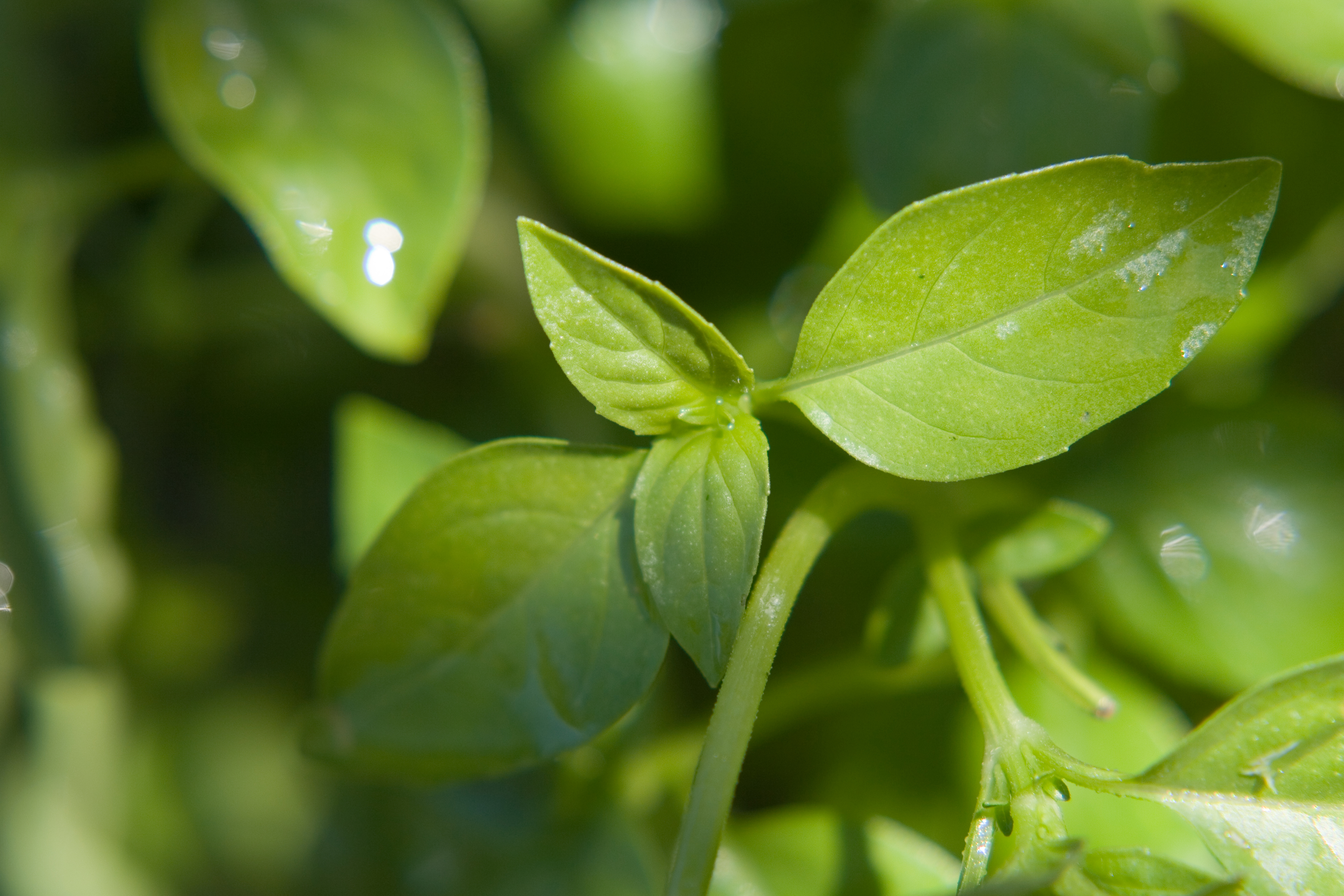
A tiny parasite is making some District residents sick to their stomach and health officials say it may be linked to fresh basil brought to the region from Mexico.
D.C. is experiencing an uptick in cyclosporiasis, with 14 cases 19 cases reported this year compared to eight cases in 2018, according to a Friday press release from the D.C. Department of Health.
It’s an intestinal infection caused by a microscopic parasite that can lead to diarrhea, loss of appetite, stomach cramps, fatigue, and other flu-like signs, according to the Center for Disease Control. The symptoms can last anywhere from a day to longer than a month.
Cyclosporiasis isn’t contagious—you’re unlikely to get it from someone else. You’re most likely to catch it by consuming food or water contaminated by feces, and yes, that means poop.
Regional health authorities are still investigating the cause of the outbreak, but the Food and Drug Administration has traced the disease back to fresh basil from Siga Logistics de RL de CV, a producer based in the state of Morelos, Mexico. Officials say the increase in domestically-acquired cases of cyclosporiasis started around May 1 of this year.
And the outbreak isn’t limited to the District. The disease has been found in at least 11 states, including Maryland and Virginia. There’s a total of 132 reported cases across the U.S., according to the FDA.
The FDA is currently asking people to avoid buying, eating, or serving fresh basil exported by the Mexican producer. If you’re unsure where your basil (or pesto) came from, it’s best to throw it out, according to health officials, who are recommending that restaurants do the same.
Cyclosporiasis is most common in tropical and subtropical regions, but it’s not uncommon for it to spread to the United States via fresh produce. Last summer, McDonald’s had to pull salads from thousands of restaurants after an outbreak linked to Del Monte vegetables was reported in multiple states.
Luckily, the parasite is not generally life-threatening—people with healthy immune systems will recover from the infection without treatment, according to the Center for Disease Control. However, if you think you’ve caught it, health experts say you’re best off seeing a doctor, who may decide to prescribe antibiotics.
There are a few ways you can avoid contracting cyclosporiasis, including washing your hands before touching fruit and vegetables. You can find more information on how to prevent the illness on the D.C. Health website.
This story has been updated with a new total of cyclosporiasis cases for the District.