 Lori McCue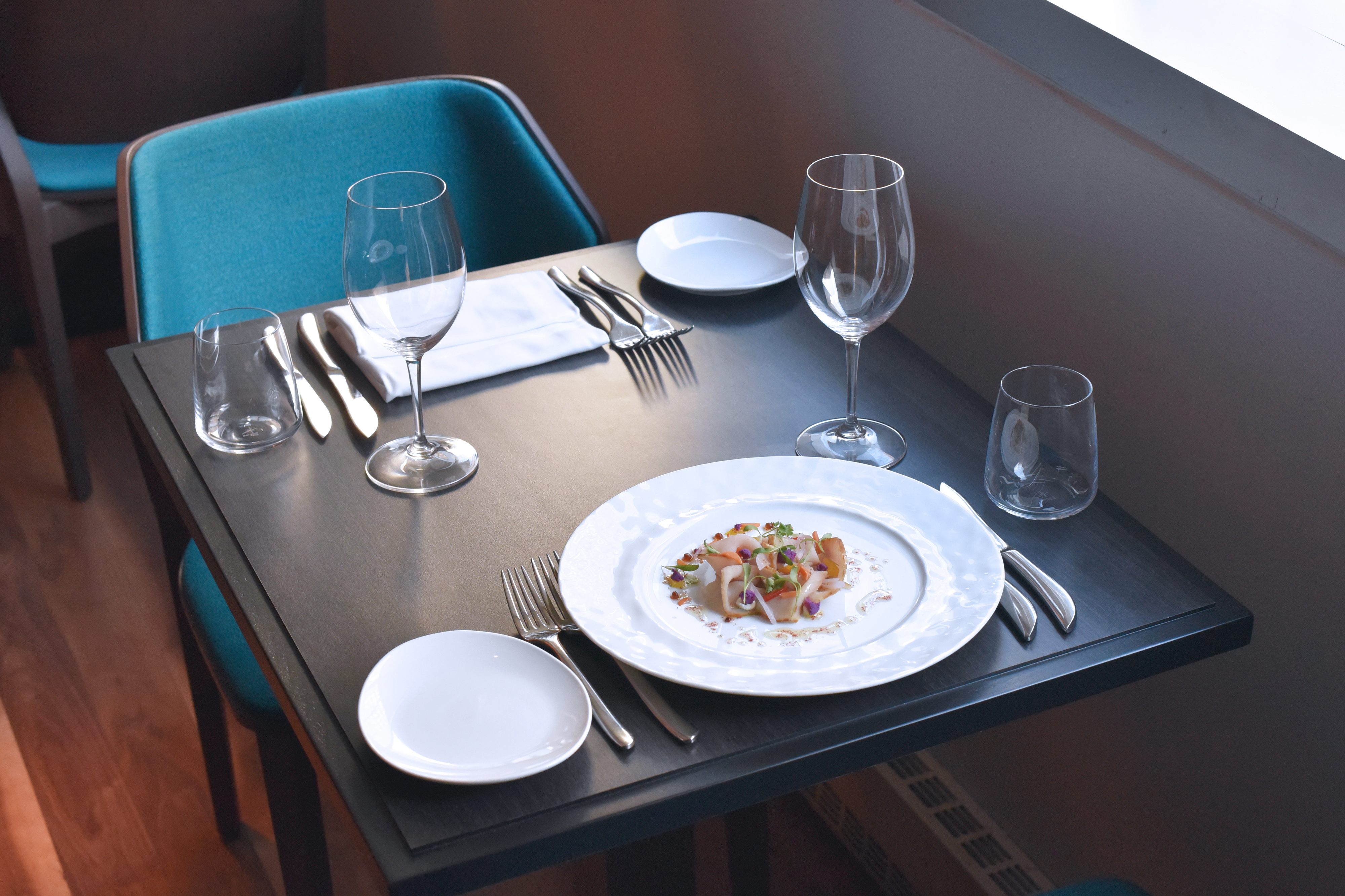
If you walk into the storefront at 1100 New York Ave. NW next month, don’t expect “Italian-Italian” food—get ready for “Italian-inspired” cuisine instead. At least, that’ll be the case when 10-year-old Bibiana Osteria-Enoteca shutters and Modena opens in its place under the same ownership.
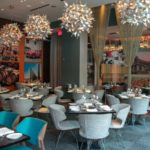
After Bibiana closes on Aug. 31, Ashok Bajaj, head of the Knightsbridge Restaurant Group, anticipates it’ll take less than two weeks to renovate the space with a fresh coat of paint, plenty of greenery, and other additions before Modena opens on or around Sept. 9.
To hear Bajaj tell it, he’s not just revamping his current business—he’s opening an entirely new one.
“When you walk into [Modena], then you’ll see different color scheme, you’ll see the antipasti trolley, something that’s not the experience you’re used to when you walked into Bibiana,” Bajaj says. “I’m changing it so much. I want people to know that they’ll be getting a different experience. Why disappoint people?”
Bajaj has a habit of doing this with restaurants in his Knightsbridge Restaurant Group portfolio. In 2016, the company flipped Bardeo into Bindaas, a restaurant specializing in Indian street food. Two years later, Ardeo next door became Sababa, an Israeli spot. Earlier this year, NoPa Kitchen + Bar in Penn Quarter transformed into Mediterranean-ish restaurant Olivia.
But the Bibiana-to-Modena quick change is easily the closest swap. As he describes it, where Bibiana—which earned accolades from Esquire magazine, the James Beard Awards, and others—specialized in authentic Italian food, Modena will use the cuisine as a jumping-off point. Where Bibiana offered dishes like squid ink pasta, cacio e pepe, pizza, and swordfish, Modena will serve up sweetbreads, egg pasta with Calabrian chili, sea urchin, and others.
He’s most excited about introducing that antipasti trolley—kind of like a dessert cart, but loaded up with seasonal plates like marinated peppers, fresh beets, pasta with tomatoes, and octopus salad, or traditional appetizer dishes like prosciutto or cheese. It will travel around the dining room for guests to select from.
To helm the kitchen, Bajaj is bringing on John Melfi as executive chef, who previously worked in Bajaj’s The Oval Room and at such fine-dining standbys as Fiola Mare, Vidalia, and Blue Duck Tavern.
Bajaj is just hoping all these changes help his Italian restaurant stand out in a crowded field.
“Ten years ago, there weren’t a lot of Italian restaurants,” Bajaj says. “Now there are. So how do you differentiate yourself? How do you stay relevant?”
He isn’t the only owner to pull such a switcheroo with his restaurant: Earlier this year, The Bird morphed into Frenchy’s Naturel after business got slow (it closed less than six months later), and up in Petworth, Crane & Turtle became Cappy’s Crab’s, which is now Himitsu. Bajaj says he tends to switch things up when he senses that diners are bored with the concept.
“People want more of an experience, people want to be transported,” Bajaj says. The switchups have allowed him to bring more international concepts to D.C.—his old spots Ardeo, Bardeo, and NoPa Kitchen all specialized in American cuisine.
“Somebody said to me [of Ardeo], ‘We can get a piece of salmon or a burger anywhere,'” Bajaj recalls. “But they couldn’t get the food we serve at Sababa everywhere.”
Today, you can find Middle Eastern-inspired dishes at Little Sesame, Lapop, and The Green Zone—and that’s just the spots that have opened in the last year. What happens when diners can find Israeli food anywhere in D.C.?
“Maybe by then I’ll be retired,” Bajaj says.
Previously:
When The Neighborhood Chicken Spot Becomes A Steakhouse: Why Some Restaurants Hit The Reset Button