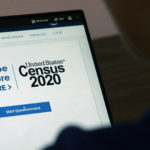
With the help of an $800,000 D.C. government grant, several community organizations will soon hit the ground running to ensure all residents are counted in the 2020 census. Their community outreach efforts will focus on so-called hard-to-count populations, such as low-income residents, African Americans, Hispanics and other immigrant communities, as these groups aren’t always represented accurately in the head count.
This type of misrepresentation occurs at the national level, too. And participating in a federal government survey can be frightening because of the painful history that exists between the U.S. government and some communities of color.
“Unfortunately for us in D.C., we do not have a vote in Congress, but it’s still important that everyone counts,” says Abel Nuñez, executive director of the Central American Resource Center (CARECEN). “It’s crucial for everyone here to complete the census form to show a full count of everyone that’s living in the city.”
The organization was announced Thursday as one of Mayor Muriel Bowser’s 16 grant awardees. According to Nuñez, the process from application to funding was a quick one — CARECEN only waited three weeks before it was accepted. Nuñez says advocates will soon begin knocking on doors and organizing special events to motivate D.C.’s Hispanic residents to fill out the census form.
“The city knows that for every person that’s not counted, it means … that they will lose [funding] from the federal budget,” says Nuñez. “So, that limits their ability to provide the services they need to make sure that the communities are strong in D.C.”
CARECEN staff will first focus on addressing qualms within Hispanic communities, given the recent spike in immigration arrests ordered by President Donald Trump. And they’ll have to clear up any lingering misconceptions about the idea of a citizenship question on the 2020 census. In late June, the Supreme Court put a block on the measure. Following the high court’s block, the Trump administration decided not to fight the decision any further and removed the question from the census.
According to Neel Saxena of D.C.-based organization Asian American LEAD, the community’s lack of trust in the federal government stems from historic events, like World War II, when thousands of Japanese Americans were relocated and incarcerated in internment camps.
“That has resonated within the community and as it continues to grow and engage in civil rights and advocacy, that historical point is something that stays in the mind of not just Japanese Americans, but all Americans,” says Saxena. Asian American LEAD was also awarded funds through the D.C. grant.
Saxena says when it comes to the census, Asian Americans are the most likely group to say they feel the census will be used against them, and the most skeptical about whether the census will impact them.
In order to educate community members and to dispel census myths, Saxena says the youth development organization plans to get the message across through college students.
“We’ve seen, particularly with the Asian community, the young people are the trusted voice,” Saxena says.
In May, Bowser announced members of her Complete Count Committee, which includes representatives of the community and non-profit organizations, higher education organizations and the private sector. The committee will help “spread awareness about the importance of the census and overcome any barriers to counting residents in all eight wards,” according to a statement from Bowser’s office.
Other grant recipients include the bilingual LGBTQ organization Casa Ruby and the Anacostia Coordinating Council.
This story first appeared on WAMU.