Martin Austermuhle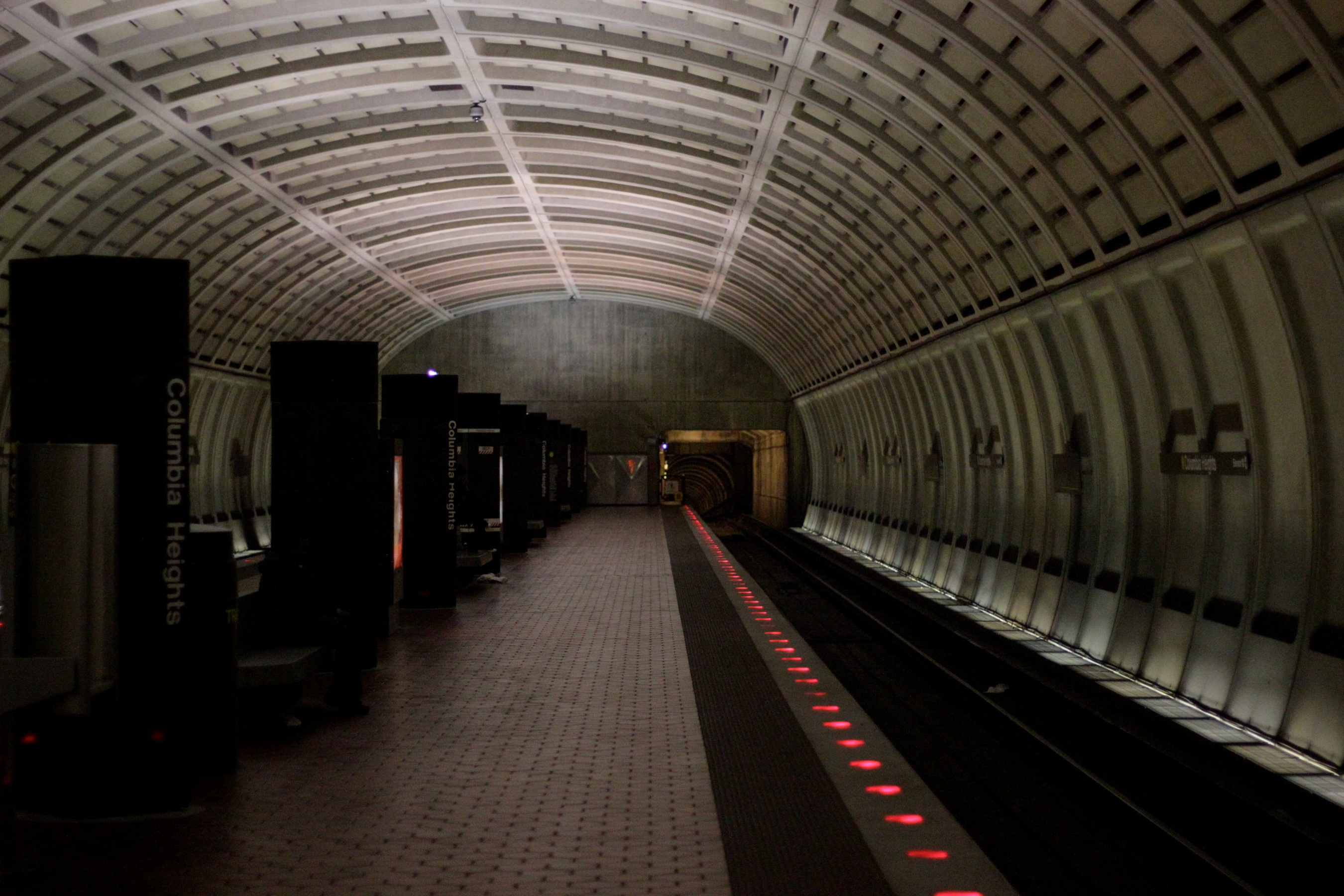
When Metro decided to scale back its late-night hours in 2016, some workers worried that they would be left without an easy way to get home—especially in a city and region bustling with new bars, restaurants and nightlife options.
A new report finds that they are certainly not alone, and that a nationwide dearth of late-night transit options is taking a toll on workers and businesses that operate outside of the traditional 9-to-5 schedule.
In the report, titled “Supporting Late-Shift Workers: Their Transportation Needs and the Economy,” the American Public Transit Association concludes that the lack of transit options has especially tough impacts on the 17 percent of the workforce in metro areas across the country that work between the hours of 4 p.m. and 6 a.m.—everyone from bartenders and cooks to janitors and nurses.
“Late-shift workers represent an underserved segment of America’s public transportation network, as many public transit systems do not operate or operate at reduced schedules when late-shift workers are commuting to and from work,” said Paul Skoutelas, APTA’s president and CEO. “A lack of public transit late night essentially cuts out a segment of the U.S. population from being able to participate in the expanding late-shift job market.”
The lack of late-night transit options impacts both workers and the businesses that employ them, says the report. For workers, it means having to rely on other more expensive means to get to work. For a security guard making just under $14 an hour, for example, the report estimates they could spend 42 percent of their income leasing a car and 31 percent keeping the car running. Public transit, on the other hand, would only take up 3 percent of their income.
And for businesses—especially bars and restaurants—the lack of public transit options for their employees can mean less workplace stability.
“Insufficient transportation options can also increase other problems in the restaurant industry, like absenteeism and lateness and employee turnover as well,” said Laura Abshire, the director of food and sustainability policy with the National Restaurant Association. “Employee turnover in the restaurant industry can be high, so more transportation options are always helpful.”
The report concedes that a host of factors have led to the situation many cities find themselves in: a lack of funding for transit, maintenance backlogs and a lack of political will. In Metro’s case, the decision to do away with late-night service and close the system at 11:30 p.m. Monday through Thursday, 1 a.m. on Fridays and Saturdays, and 11 p.m. on Sunday was prompted by a need to increase the amount of time maintenance and upkeep could be done. Before the 2016 vote, Metro stayed open until 3 a.m. on weekends.
While late-night hours are currently slated to return in July 2020, it is possible that the board could vote to delay them, just as they did earlier this year, much to the chagrin of D.C. Mayor Muriel Bowser and other city officials. “It seems to me that the public transit system in a major metropolitan area should be working long hours,” said D.C. Council Chairman Phil Mendelson in February.
The report encourages jurisdictions to increase funding for transit, explore new options like special late-night bus lines, establish public-private partnerships with businesses that benefit from the late-night economy, and collaborate with on-demand ride-hailing services like Uber and Lyft to get workers home late at night and early in the morning.
Metro took that step in July, when it kicked off a program to offer $3 subsidies for workers who use Lyft to carpool home or to work between the hours of midnight and 4 a.m. Similar programs have been launched in Detroit and outside San Francisco. But while it is creative, it has received a critical response from some organizations that represent late-night workers.
“The proposal is a PR stunt meant to distract from Metro’s long-standing indifference to the transit needs of working families in our region,” said Benjy Cannon, a spokesperson for hospitality workers union UNITE HERE Local 25, to WAMU in June. “The $3 per-ride subsidy would hardly make a dent in the cost of a rideshare from the center of town to the suburbs, where many of our members live.”
General Manager Paul Wiedefeld has defended the partnership with Lyft by saying that Metro’s ridership—more than 600,000 trips a day—travels predominantly during traditional business hours. And a Metro spokesperson said Wednesday that transit officials have not forgotten about workers in late-night jobs.
“Metro agrees that supporting late-night workers is an important priority,” said Ian Jannetta, the spokesperson, citing the Lyft subsidy as an example. “We should also note that Metro provides near-around-the-clock service on 17 essential bus routes in the region on weekdays and 24 routes on Saturdays.”
More broadly, the APTA report concludes that leaving late-night workers aside when it comes to transit options threatens the entire economy.
“The late-shift is a growing source of opportunity for Americans, and many key late-shift industries are expected to add jobs at a faster rate than overall employment,” it says. “The lack of adequate late-night mobility options is costing both employees and employers.”
This story originally appeared on WAMU and has been updated to to reflect the fact that late-night hours are set to return in July 2020, though they could again be delayed by Metro’s board.