DCist is providing special coverage to climate issues this week as part of Covering Climate Now, a global collaboration of 250 news outlets designed to strengthen coverage of the climate story. Many of these stories originated as questions from our readers.
So you’re ready to plant some perennials or shrubs in your yard or maybe have some empty pots on the balcony, but you don’t know where to start. No worries. There are a variety of native flora that will not only be suitable for your space but also beneficial to the environment.
Although many people plant for beauty, you can also plant for purpose. Plants, shrubs and certain trees have elements that can benefit pollinators (birds, bees, butterflies) and wildlife—especially if the plants you choose are from around these parts. According to Bill McLaughlin, curator of plants at the United States Botanic Garden, plants that are not native to this region can stress out the plants that are already in place.
“[A non-native plant] can invade pristine areas and out compete native plants,” he says. “Native plants are more plugged in to the insects and wildlife, and that’s the main reason that people have gotten into planting them.”
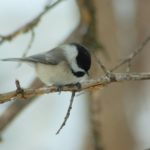
According to a study conducted last year by The Proceedings of the National Academy of Sciences, a garden that includes at least 70 percent native plants can help sustain the population of chickadees, as well as other kinds of critters. And it’s not just what you plant that can help sustain the birds and the bees: It’s how you plant it. Sandy Farber Bandier, coordinator of the master gardener program at the University of the District of Columbia, says mixing tall plants with short ones will help bees land on plants and pollinate. “Bees don’t fly in straight patterns,” she says.
If you’re ready to get your hands dirty, we asked local flora experts about the native plants that are best for our area’s wildlife. And if you want more information on the D.C. area’s native plants, the U.S. Department of Agriculture’s Natural Resources Conservation Service has a guide, and the National Wildlife Federation can help you find native plants by your zipcode.

Perennials
Preferred Environment: full sun (but not too hot)
These bell-shaped flowers bloom in a variety of colors and are a favorite with hummingbirds. They start pretty quickly as long as you give them space to grow. They do well in moist, well-draining soil. Plant in early spring to mid-summer.
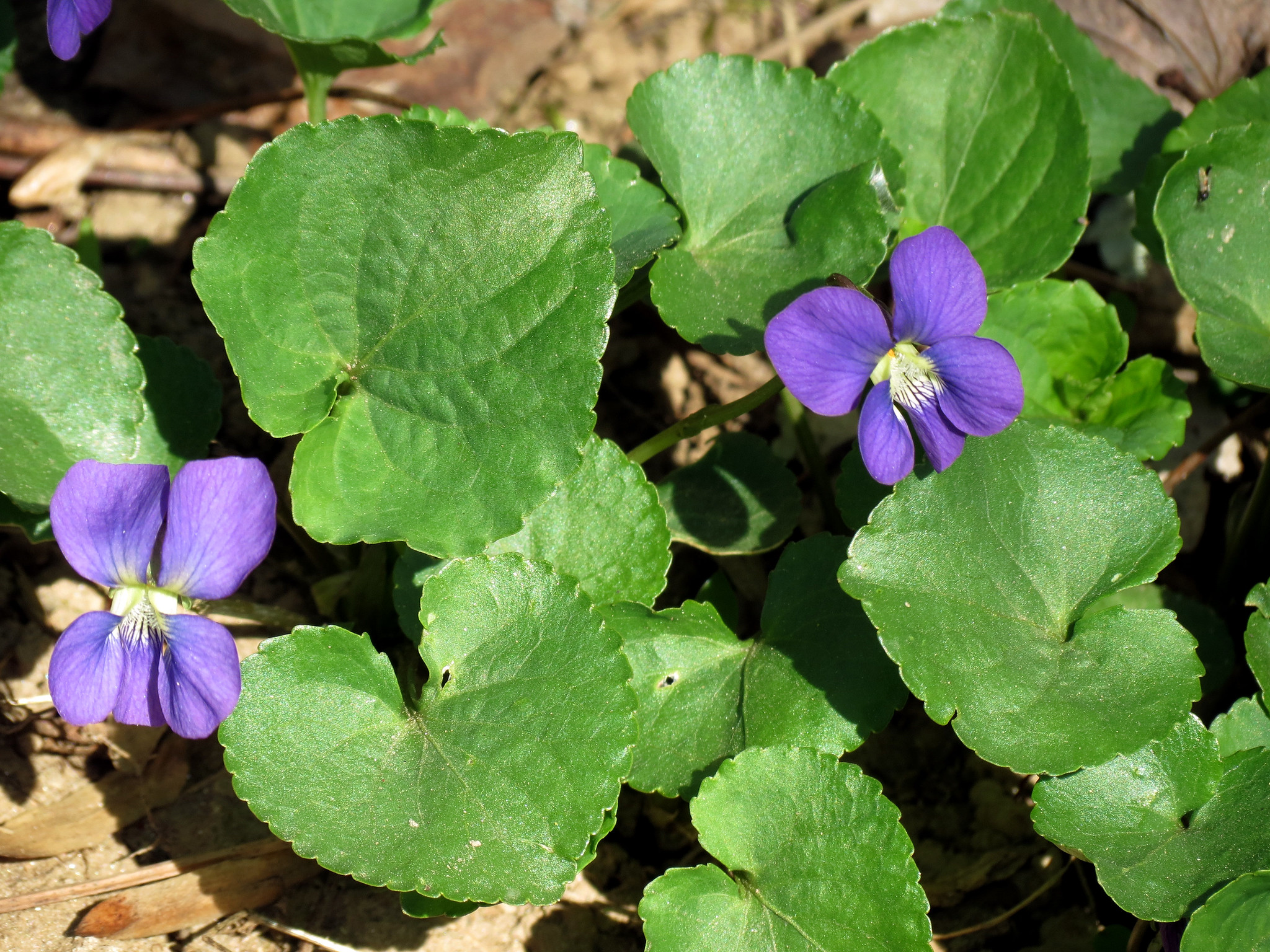
Preferred environment: full sun to partial shade
Blue violets are blue or purplish-blue in color and prefer moisture-retentive soils. They are deer resistant, meaning the animals typically won’t eat them. Plant in the fall.
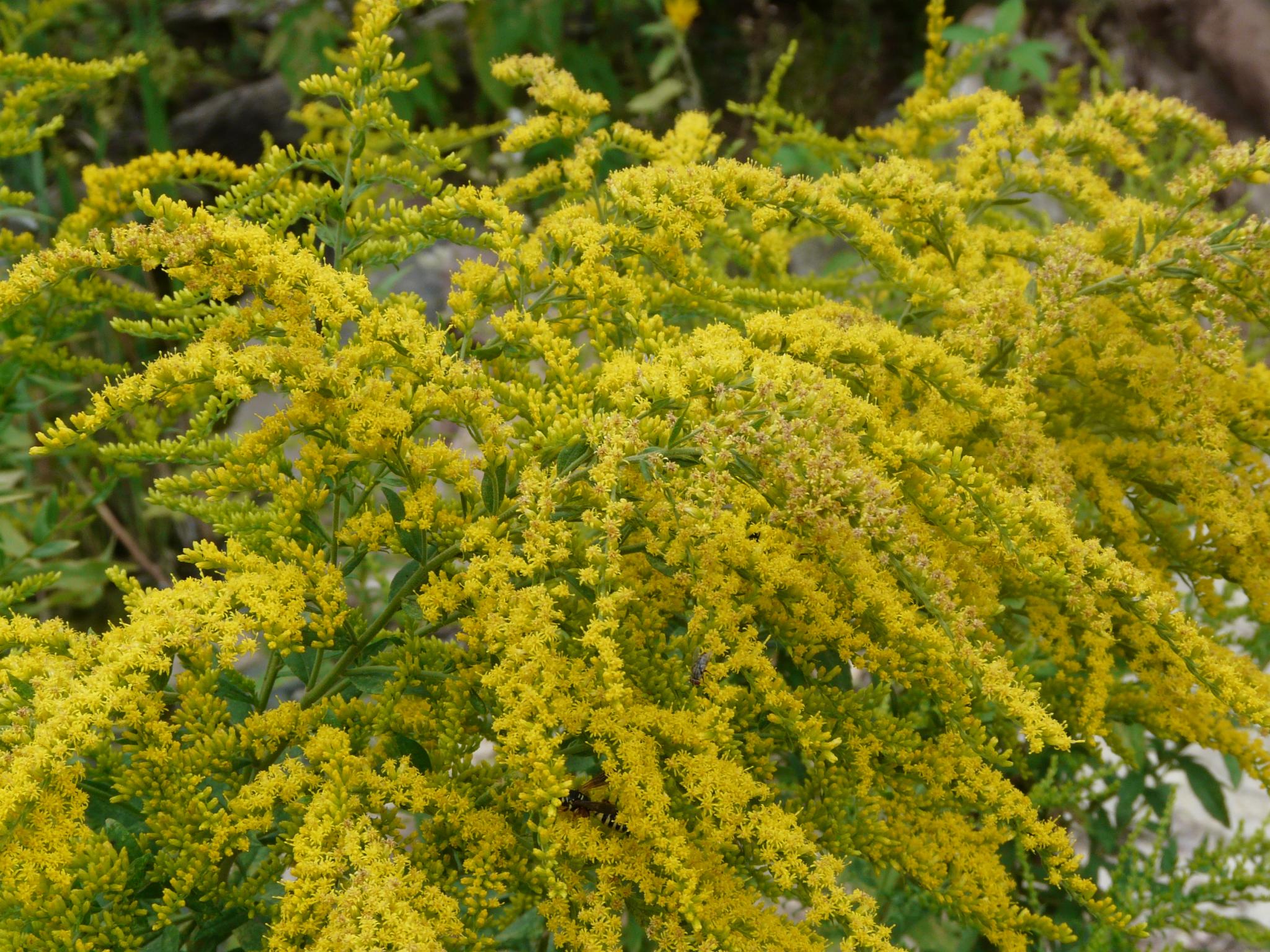
Preferred Environment: full sun
Because it is common to see these flowers growing along the sides of highways, you might mistake them for weeds. But they’re worth a closer look. These fluffy, yellow plants can provide nectar for migrating butterflies and insects that feed birds. They can also act as a natural pesticide of sorts, by distracting bugs from your vegetable garden. Plenty of varieties are native to our region. Plant them in well-draining soil in early spring.
Preferred Environment: full sun, well drained soil
Depending on which perennial you plant, the bloom colors can range from sky blue to gray-green to dark purple. These fragrant flowers need space in their containers and attract hummingbirds and butterflies. Plant after the last frost in spring.
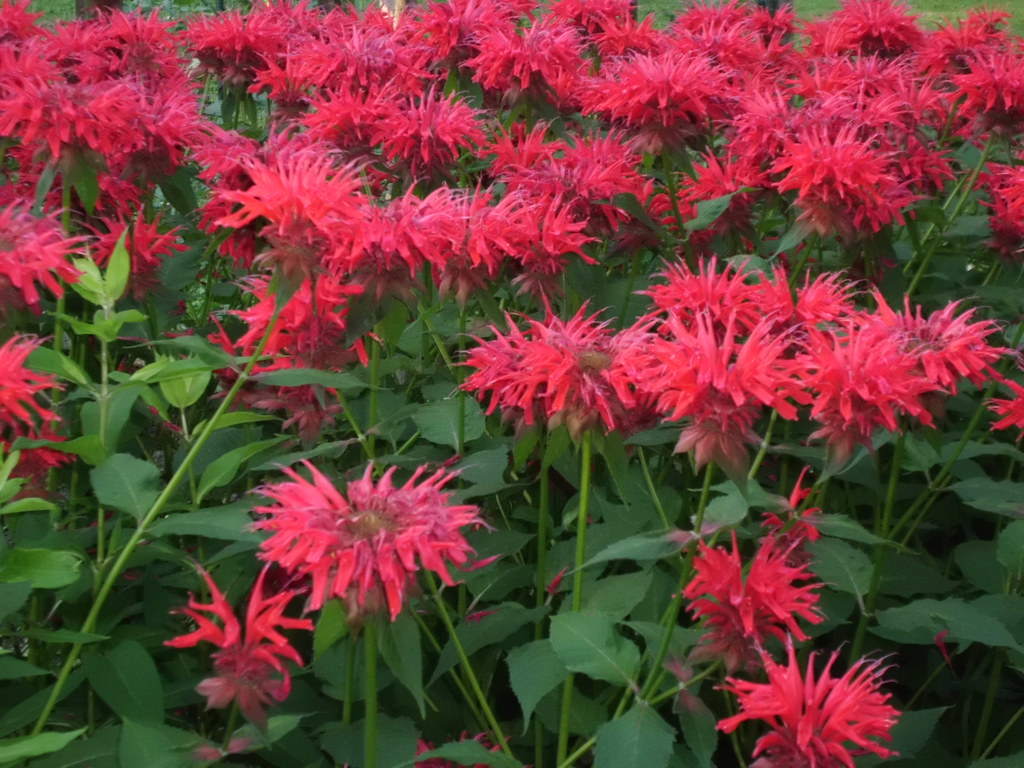
Preferred Environment: full sun to partial shade
These crown-shaped flowers with tubular petals come in shades of pink, purple, and red, and they thrive in moist soil. As the name suggests, they attract bees, as well as butterflies and hummingbirds, and resist deer and rabbits. Plant in the spring or fall.

Preferred Environment: full sun
This classic perennial named for its color and shape is recommended for beginner gardeners. The hardy flowers can withstand hot, dry summers and grow well in poor soil or even clay. Pollinators love them. Plant the seeds in the fall or small plants with blooms in late spring.
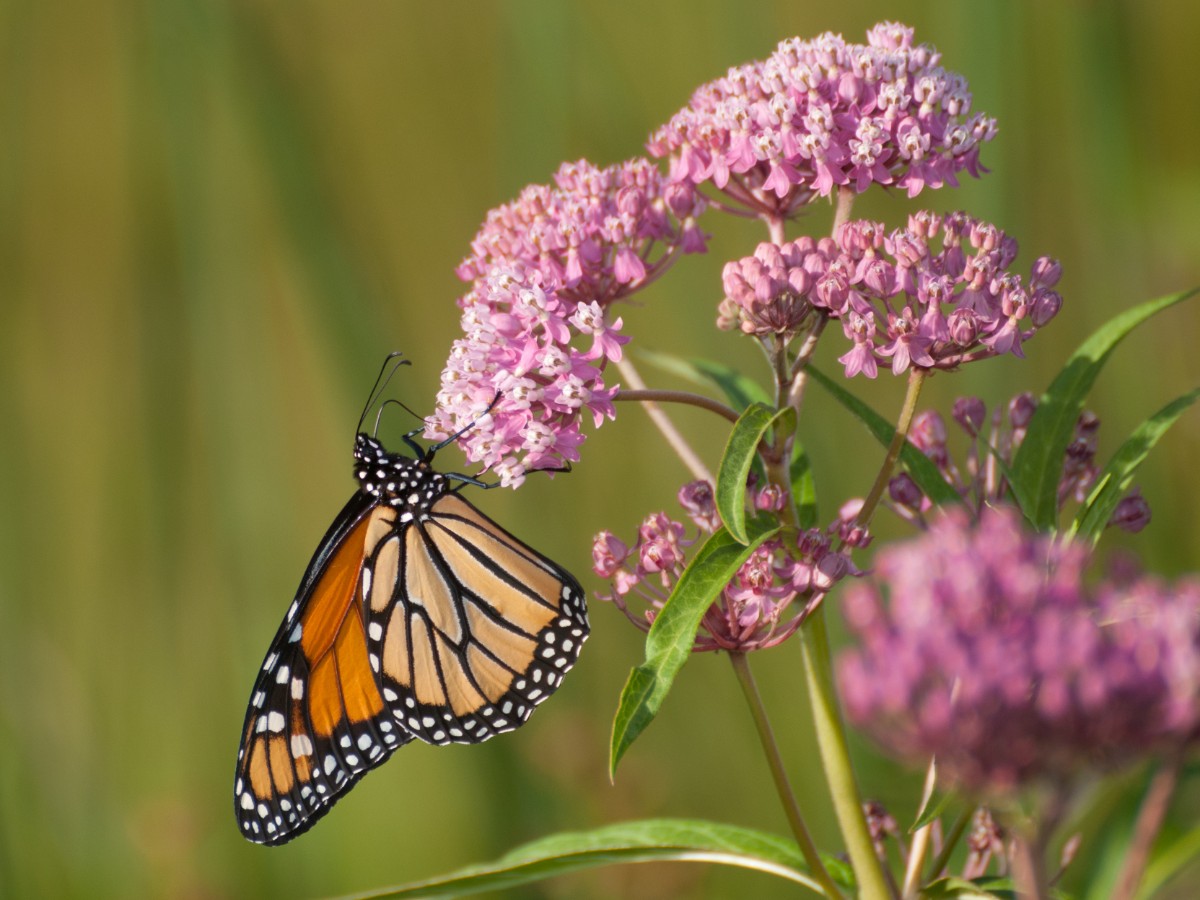
Common Milkweed (Asclepias syriaca)Butterfly Milkweed (Asclepias tuberosa)Swamp Milkweed (Asclepias incarnata)
Preferred Environment: sun to partial shade
Common milkweed present as small clusters of flowers in shades of pink and purple. They like rich, wet soil or murky clay. Butterfly milkweed bloom in bright orange bundles. They grow well in sandy soils and can even survive droughts. Swamp Milkweed bloom in deep pink or purple colored bunches, and prefer moist soil. Damien Ossi, lead wildlife biologist at the Department of Energy and Environment, says that where you plant them depends on which variety you get. “Butterflyweed does not get very tall, and might do better than swamp milkweed in containers,” he says. “Swamp milkweed is a good species to plant in rain gardens. Common milkweed is the best species for attracting monarch butterflies, but it does get tall and will spread if not contained.”
Shrubs
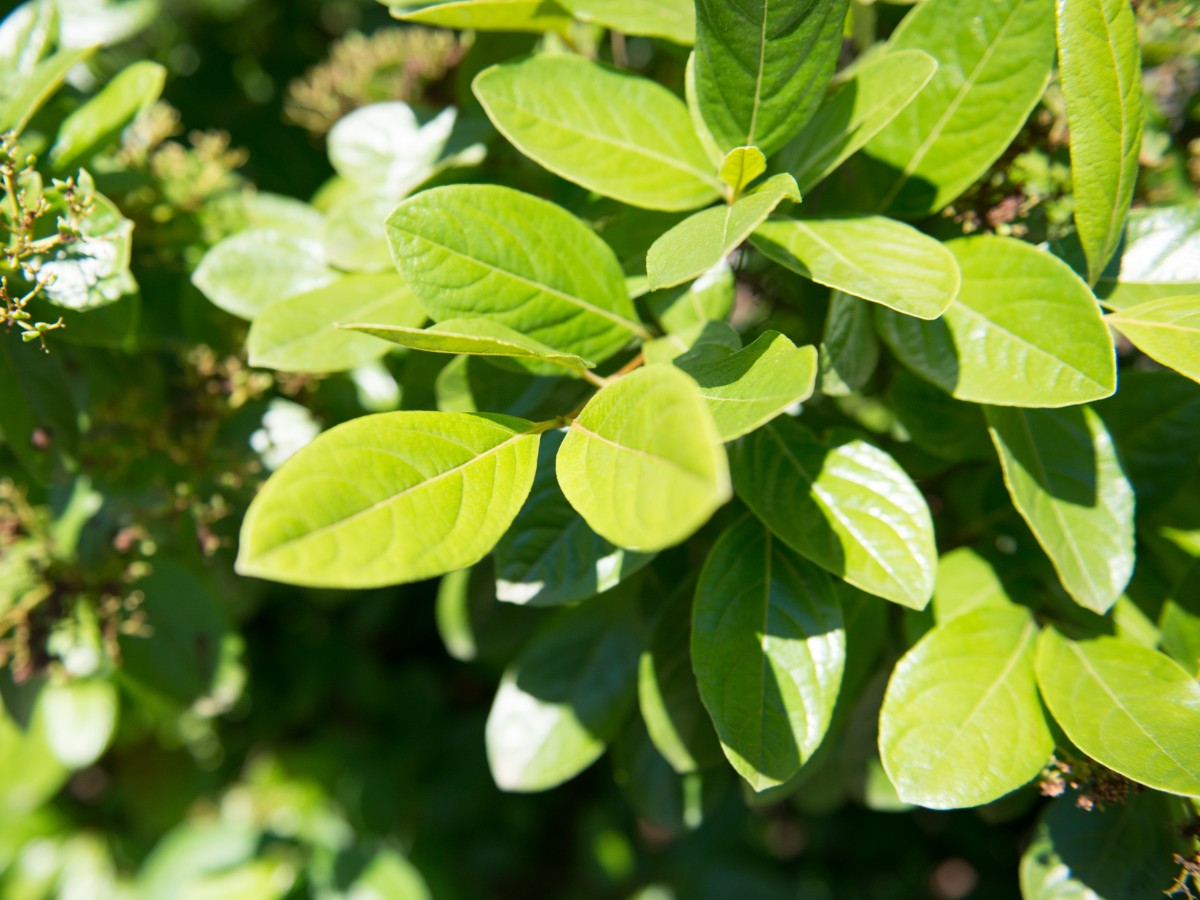
Preferred Environment: Full to partial sun
Dr. Desiree Narango, a researcher at the Smithsonian Conservation Biology Institute Migratory Bird Center, calls them the “super plant” because of their ability to produce berries, nectar, pollen, lovely flowers and foliage all while hosting insects for birds to eat. Ossi explains that there are several varieties of them around the District: “Arrowwood and mapleleaf viburnum are common in upland forests, while blackhaw viburnum is found in floodplains along the Potomac and Anacostia rivers and Rock Creek.” He says their umbrella-shaped flower clusters usually arrive in May, and their red, black, or pink seeds hang around until winter.
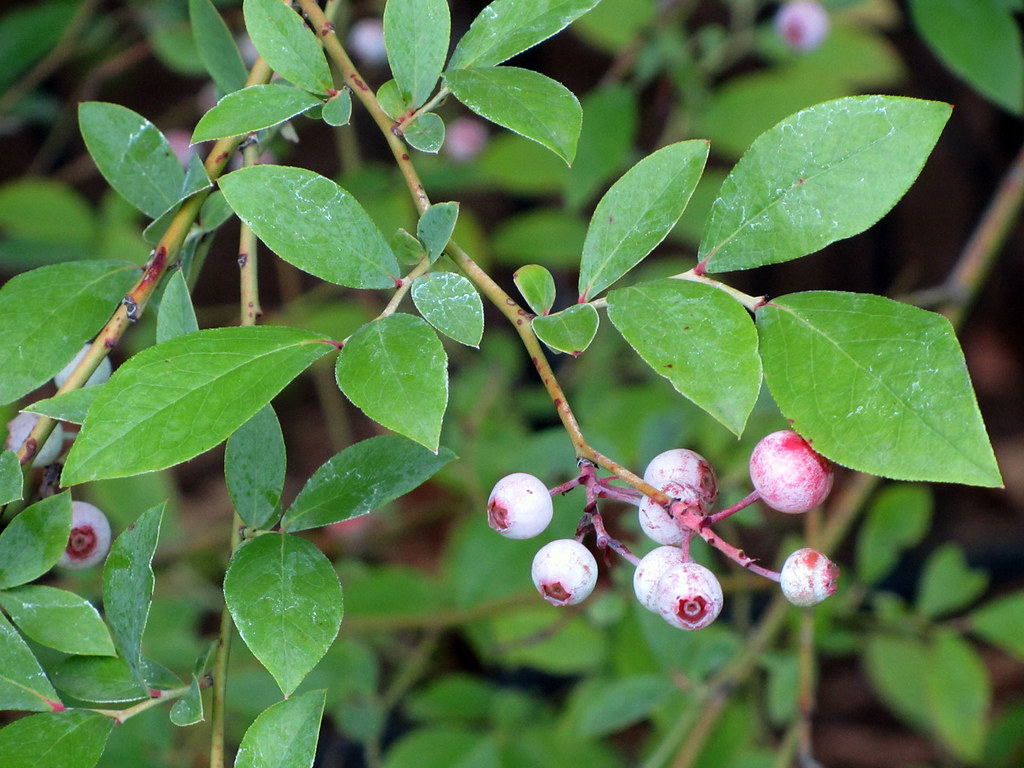
Preferred Environment: Full or partial sun
Easy to grow, produces beautiful flora—and yes, you can eat the berries. This shrub prefers acidic, moisture retentive soil. Great for birds. This is a shrub that can also be planted in containers.
Preferred Environment:
Narango explains that this member of the birch family is good for very poor (clay or sandy) soils and provides great yard cover. It produces green, red, and sometimes yellow foliage that attracts butterflies and moths.The blooms come in early spring.
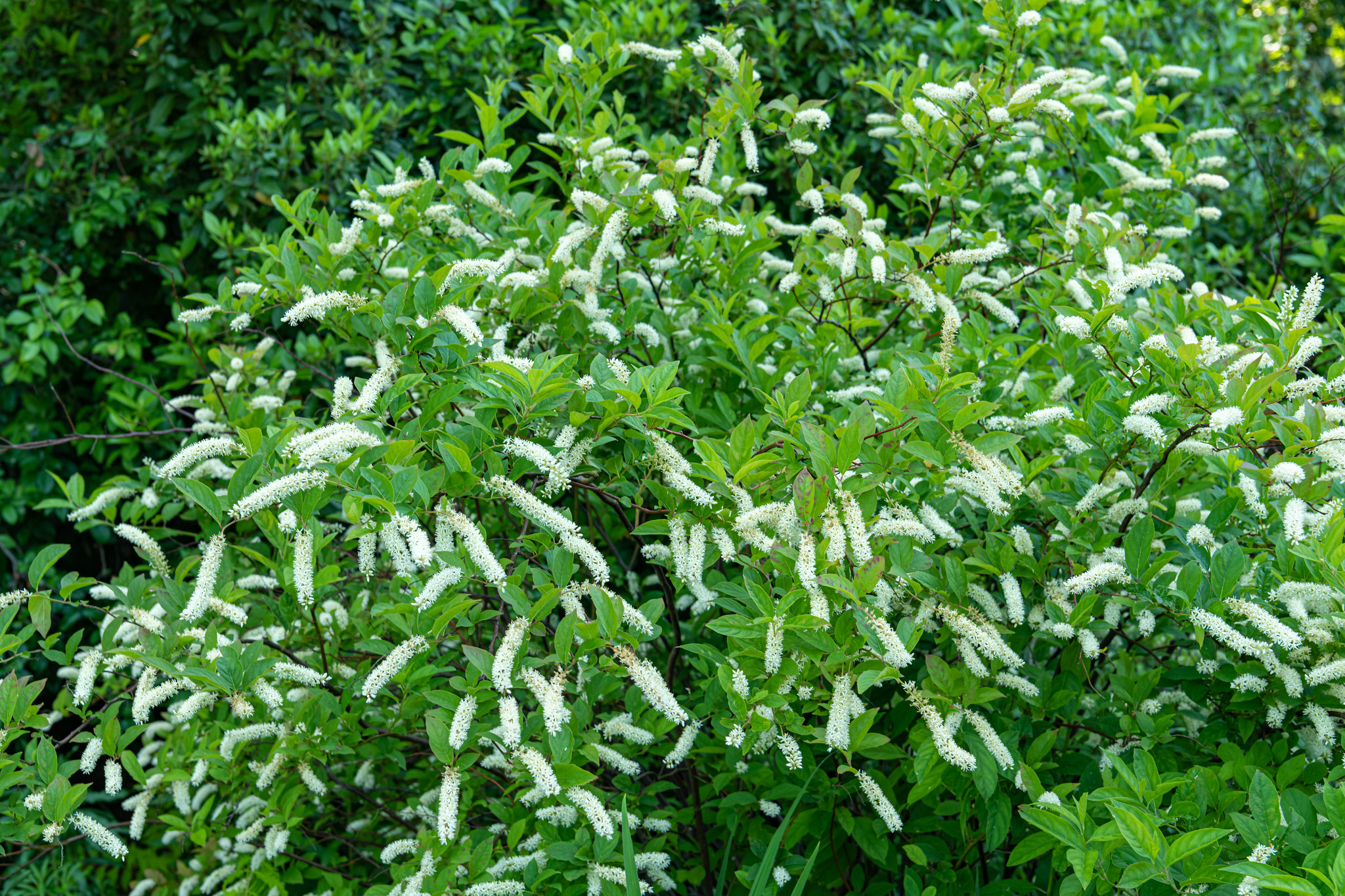
Preferred Environment: partial shade
Also known as the Virginia sweetspire, this deciduous shrub produces white drooping flowers. The leaves turn red in the fall which adds a seasonal touch to your garden. It prefers moist, acidic soils, but can also survive in areas with poor drainage.
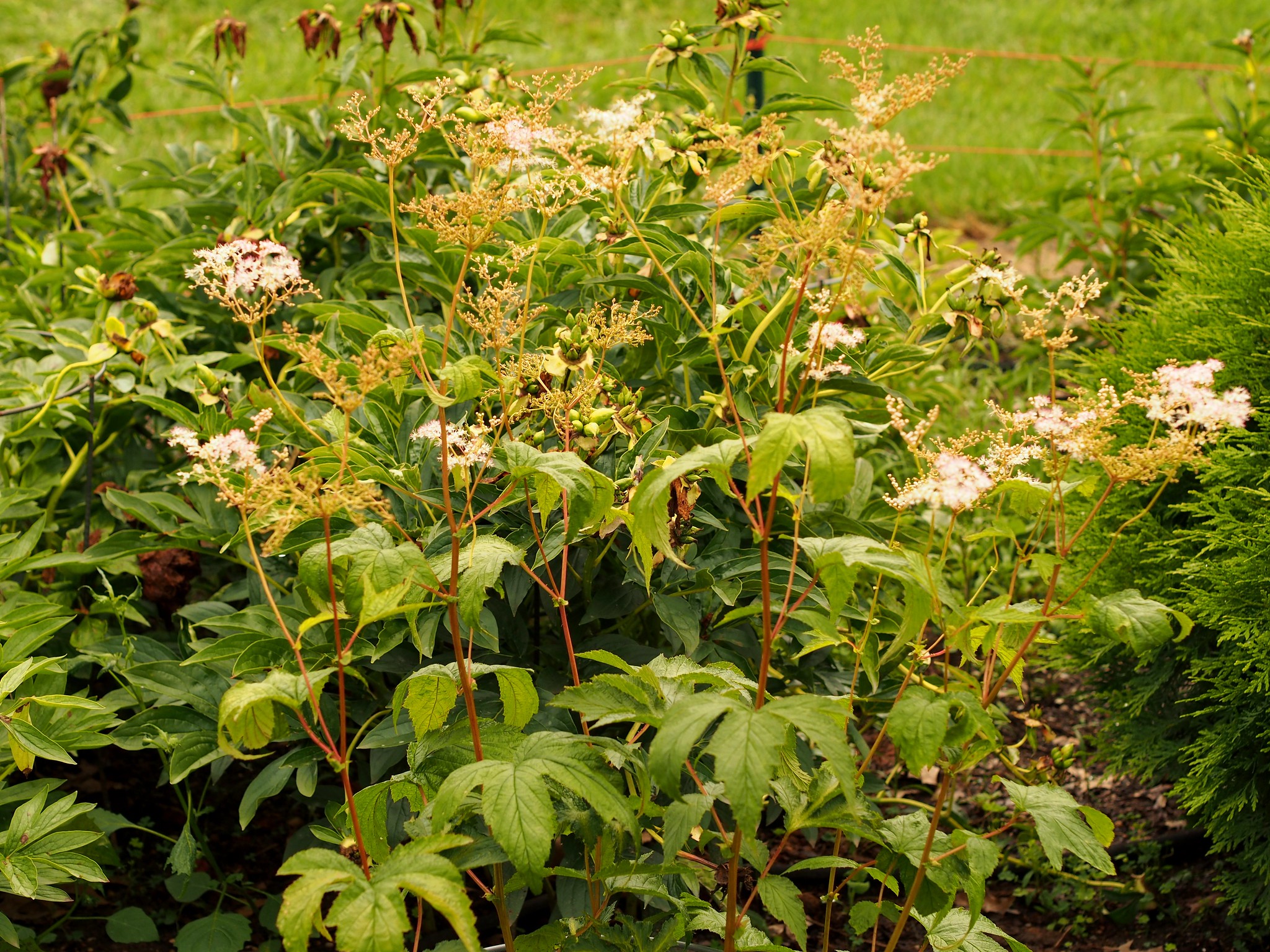
White Meadowsweet (Spiraea alba)
Preferred Environment: full sun or partial shade
They grow fast and hardy, producing clusters of fluffy white flowers. You can grow dwarf varieties of this shrub in containers; just be sure to give them space. As long as you plant them in well-drained soil, the maintenance on this shrub is low.
Trees
Preferred Environment: Full sun
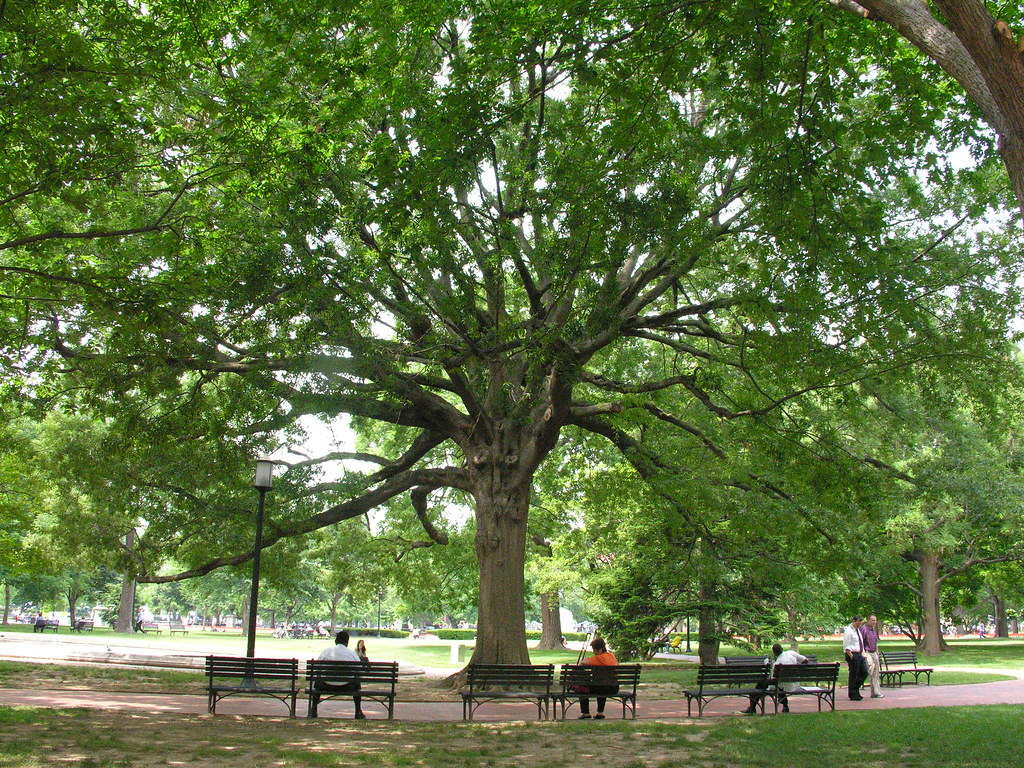
If you have been living in the D.C. area for a few seasons, chances are you have already seen these deciduous trees that produce acorns in the fall. Narango and McLaughlin highly recommend planting these familiar trees. “Things like oak trees are the most beneficial things you can plant,” McLaughlin says. “It hosts a lot of insects that are eaten by birds and creates shade and cooling.” Narango adds that many are tolerant to drought and poor soil. “They are amazing for our migrating birds and great carbon storage” (meaning they keep carbon out of the air). They prefer very specific soil so do your research before planting.
Sweetbay Magnolia and American Holly
Preferred Environment: full sun (magnolia) partial shade (American holly)
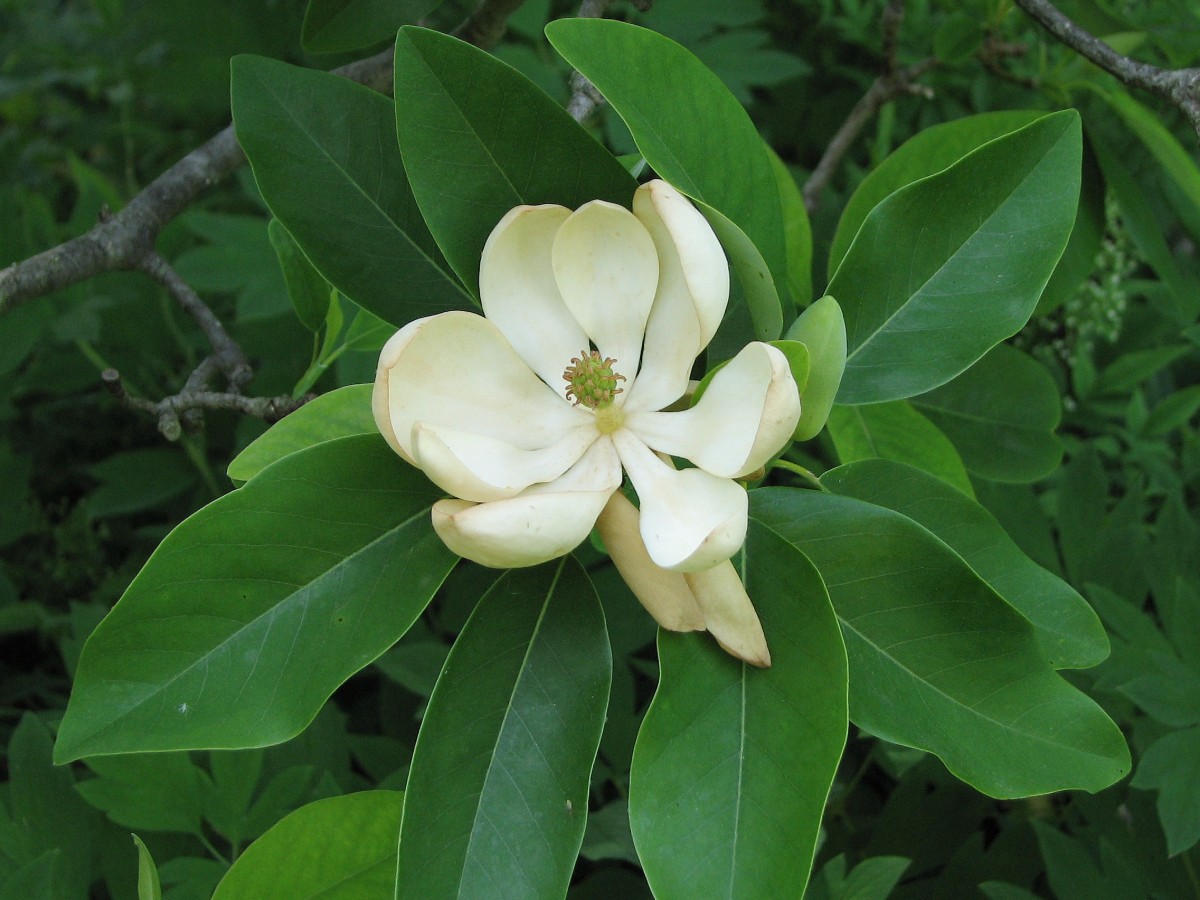
Ossi explains that sweetbay magnolia and American holly are both beneficial plants for wildlife that can be grown in containers. “Both are small understory trees that can be trained into a shrub-like size and shape,” he says. “American holly is an evergreen that may be useful as a visual screen on a porch or side yard. And sweetbay is usually evergreen but will sometimes drop most or all of its leaves.” Sweetbays produce the classic white magnolia flowers (and flourish in the increasingly rare magnolia bogs in the D.C. area) while the holly’s red berries are hidden among thorny, leathery leaves.
Preferred Environment: sun, partial shade, shade
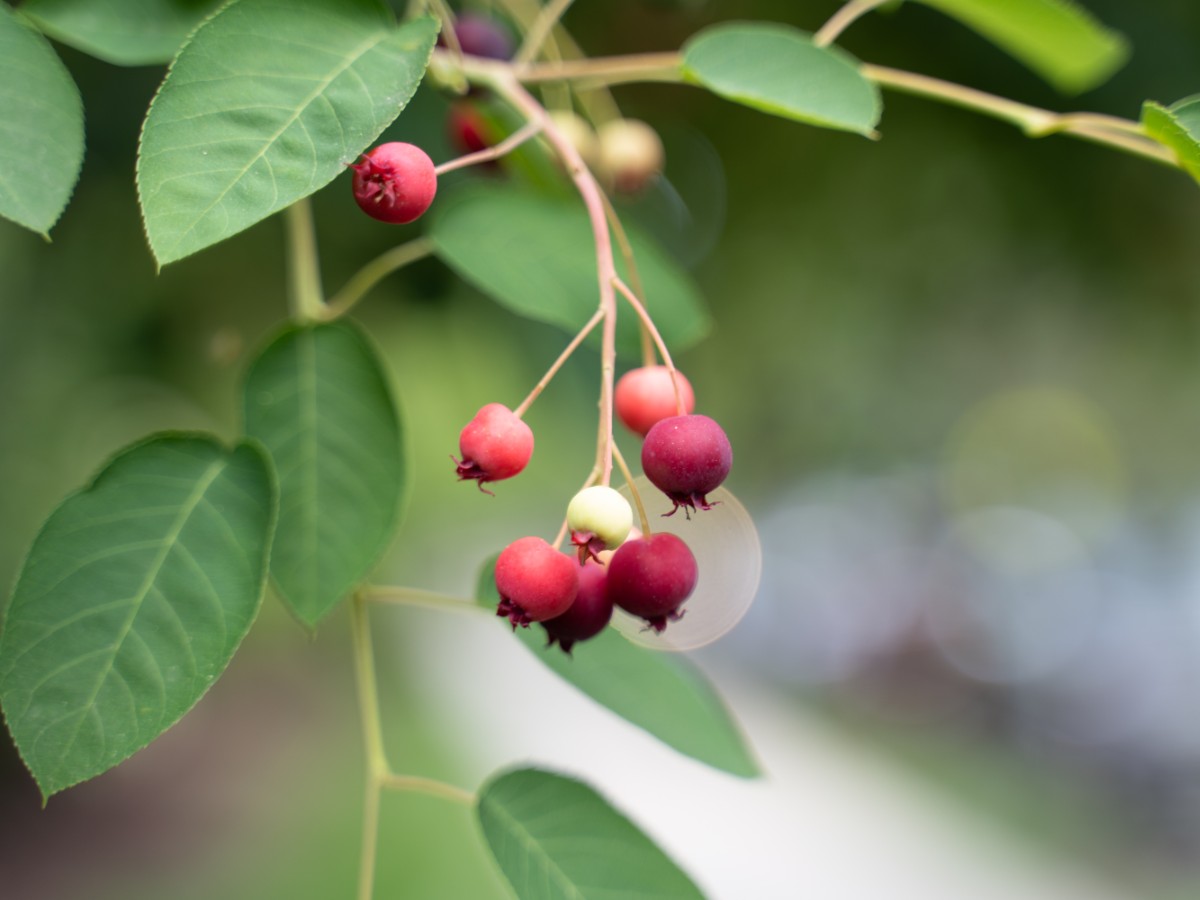
This deciduous plant can be a small tree or a tall shrub. It produces white flowers that appear to droop in clusters. It is favored for birds and other wildlife and grows best in well drained acidic soils. Because they’re so hardy, the District Department of Transportation has planted serviceberry trees around the city’s sidewalk boxes and medians to diversify the tree canopy. Added bonus: It produces red and purple berries that taste similar to blueberries.
Previously:
Where To Find The Most Unusual Trees In D.C.
It’s Time To Appreciate D.C.’s Colorful Crape Myrtles