 Jordan Pascale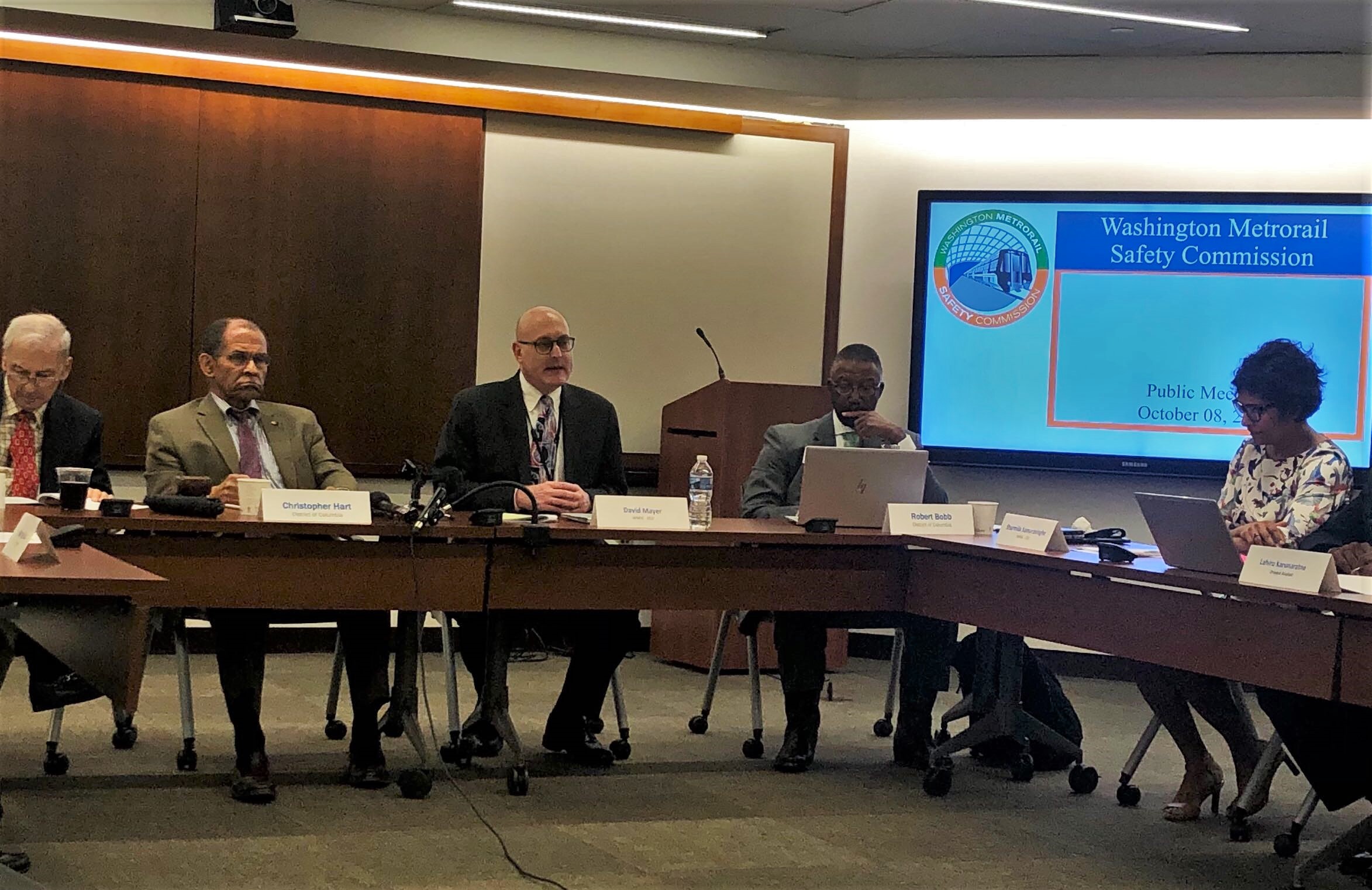
Metro’s Rail Operations Control Center did not give a train operator permission to move a train immediately before it hit another train at low speeds early Monday morning.
Metro investigators have already ruled out signal malfunctions as the cause of the collision between the passenger-less trains near Farragut West.
But Tuesday’s Washington Metrorail Safety Commission meeting gave new insights into the lead-up to Monday’s crash.
David Mayer, head of the commission that oversees Metrorail safety, said the control center did not give the OK to move the train, which was waiting behind a line of trains picking up passengers transferring from a Nationals game and trains waiting to go back to their yards.
Per WMATA rules, the control center must give operators permission to move a train if it has what’s known as a “zero speed command.” That means trains should remain stationary. However, operators can override that instruction if they get permission and proceed at speeds less than 15 mph.
“Radio traffic and other records reveal that no such permission was requested or granted in Monday morning’s collision,” Mayer said.
Mayer would not definitively say whether the incident was due to human error, as the investigation is ongoing. He also declined to assign blame.
“The focus of a safety investigation is understanding what happened, trying our best to understand why it happened, and most importantly, working to prevent it,” Mayer said. “I have no reason to believe that this employee was anything other than an employee attempting to provide good train service and do what he thought was appropriate.”
Amalgamated Transit Union Local 689, the union representing WMATA operators, had no comment on the incident.
The WMSC’s role is to oversee Metro’s investigation and make sure fixes are put in place. Mayer said he wants Metro and WMSC staff to meet to sit down next week to discuss a potential engineering fix for each type of train to prevent operators from moving trains when they’re not supposed to.
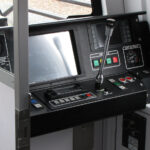
Newer 7000-series trains are in the process of getting a keypad system that would plug in a code number to allow train movements. Mayer said it’s a tougher retrofit for the older trains, but he hopes to find a way to do it.
Mayer is also asking his staff to go through the 62 corrective action plans and to prioritize those that specifically address preventing train to train collisions.
The investigation began shortly after the collision that happened just before 1 a.m. Monday.
Mayer, who went on-site Monday, had trouble describing what the scene looked like.
“There was damage to just about all of the interior car furnishings, there was damage apparent on the exterior of the car, and I’m aware that that undercard equipment was what was broken off in in the impact,” Mayer said.
Power in the tunnels was cut for safety, so only limited lighting was available.
The investigation caused delays on the Blue, Orange, and Silver lines throughout Monday before the trains were moved early Tuesday morning to a train yard where investigators could get a better look at the damage.
The 3000-series trains did not have cameras ahead of each train or in the cab.
This story originally appeared on WAMU.