Natalie Delgadillo
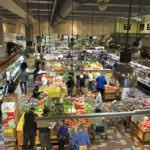
More than two years after a persistent rodent infestation started this long-running saga, the residents of Glover Park still do not have their Whole Foods back.
The grocery store, which had been on Wisconsin Avenue in the neighborhood for more than two decades, closed down for a comprehensive rehabilitation in 2017, after it was shut down twice in two months by the D.C. Department of Health for persistent signs of a rodent problem.
That shutdown kicked off a tense battle between Whole Foods and Wical Limited Partnership, the owner of the building in which the grocery store resides. The two are fighting over whether Whole Foods can perform construction in the building, which requires Wical’s sign off. The store has remained shuttered as the battle plays out in the courts.
Earlier this month, the court denied both parties’ requests for summary judgment (basically asking for a judge to rule on the merits of a case without a trial). In his ruling, D.C. District Judge Royce Lamberth laid out pretty much all the issues at stake in the case, providing a preview of what might be to come at trial next year. For those of you who—like me—love a dramatic legal filing, there are some juicy tidbits to sift through.
Perhaps the juiciest (and most deeply ridiculous) element is the linchpin of the whole case: the court must decide whether the rodent problem in the Whole Foods was an “act of God.”
If it was, Whole Foods wins the argument, and it should be able to commence construction inside the store, which Wical has stalled by declining to sign the necessary permits required by D.C. law. If it wasn’t, then Wical wins the case, and it’s justified in refusing to sign the permits.
Here’s a short and sweet rundown of the details: Both Wical and Whole Foods are accusing the other of violating the terms of their lease. Wical says that Whole Foods’ plan to close the store down and comprehensively remodel the interior over the course of months was not allowed, because the lease prohibits the store to close down for more than 60 days.
Whole Foods, on the other hand, argues that it was exempt from that requirement by another clause, called the force majeure clause, which allows parties to break a contract when there are extenuating circumstances outside of their control—in this case, a rodent infestation that required a total overhaul of the interior of the store.
Per the court filing, a force majeure clause applies to “acts of God, strikes, lockouts, labor troubles, plan approval delay, inability to procure materials, restrictive government laws or regulations, adverse weather, unusual delay in transportation,” and other circumstances beyond the parties’ control.
The court can’t rule on any part of the case, Lamberth says in his ruling, until it decides whether the rodent infestation counts as an “act of God.”
An expert for Whole Foods says that, due to Georgetown’s rat problem and a nearby baseball field, the infestation was totally out of the company’s control, the court filing says. An expert for Wical, on the other hand, says that Whole Foods didn’t maintain proper conditions in the store, which allowed a large extended family of rodents to make a home there.
The extent of God’s involvement in the rodent problem will remain a mystery until next year, when the bench trial in the case begins on May 26.