Ally Schweitzer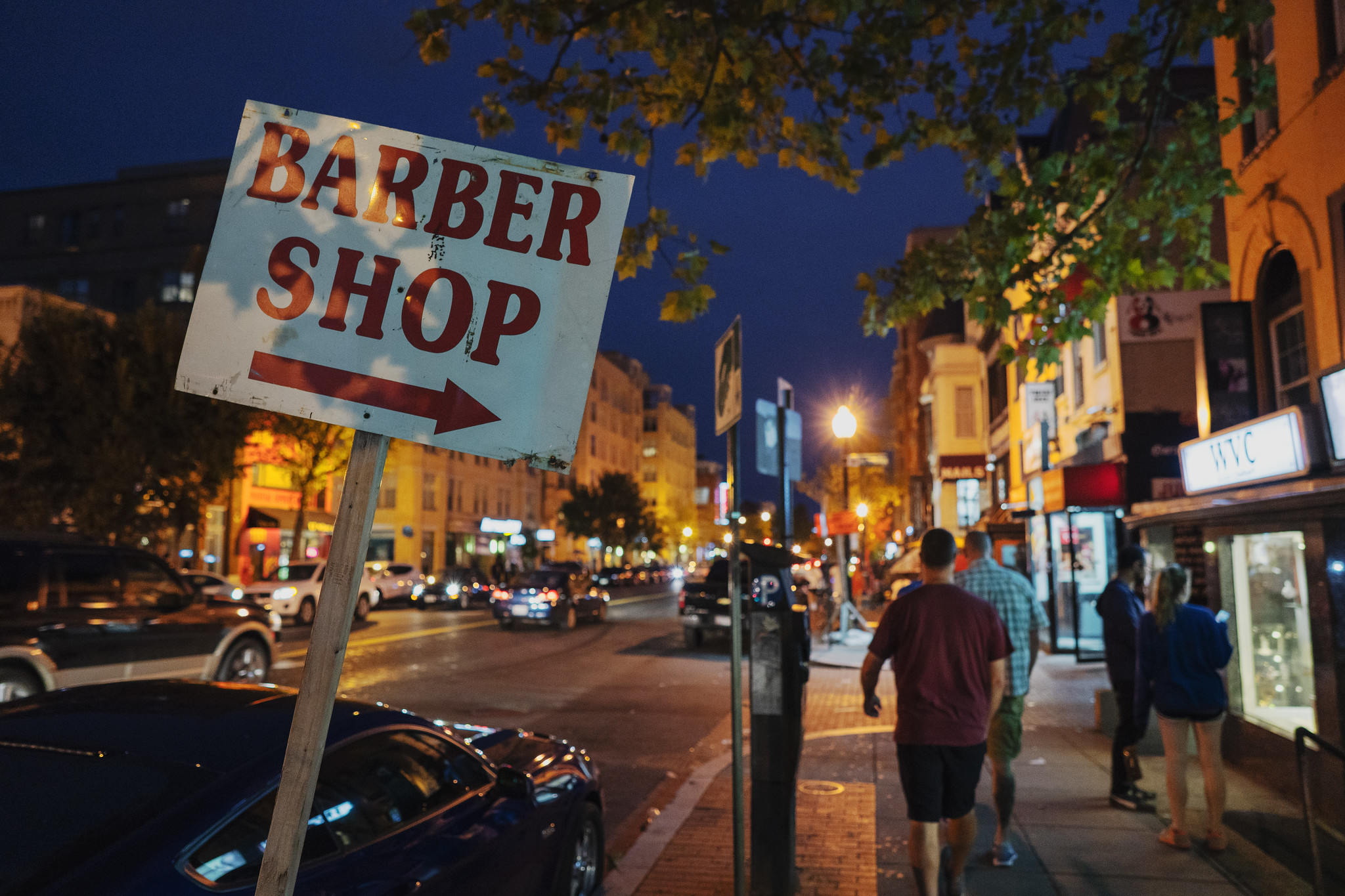
A well-attended public hearing in the D.C. Council sent a clear message to lawmakers: Small and minority-owned businesses need help staying afloat.
Dozens of witnesses testified before members of the Business and Economic Development committee Wednesday on a trio of bills introduced by committee chairman Kenyan McDuffie, the Ward 5 councilmember, and Ward 6 Councilmember Charles Allen that would offer financial assistance to small and “legacy” businesses facing high rents and intense competition from national retailers.
What’s In The Bills
- The “Protecting Local Area Commercial Enterprises (PLACE) Amendment Act,” introduced by Councilmember Kenyan McDuffie, would establish a Legacy Business Program to issue grants to longstanding, financially healthy businesses that “would be likely to continue operating but for rising rent.”
- The “Small and Local Business Assistance Amendment Act,” introduced by Councilmember Charles Allen, offers a tax credit to eligible local businesses to offset rent and property taxes. It would also guarantee rent payments to landlords if qualifying tenants become unable to pay, which could encourage landlords to lease to local businesses instead of national chains.
- The “Longtime Resident Business Preservation Amendment Act,” also introduced by Allen, would offer longstanding local businesses grants and low-interest loans to pay for capital improvements and operating expenses. It also would supplement rents—up to 10 percent—paid to landlords who sign long-term leases with longtime resident businesses.
Proprietors, local business advocates, ANC commissioners, and others described a crush of challenges facing small business owners in the District, including rent-gouging landlords, high property taxes, excessive regulations, and a lack of small commercial spaces, in addition to larger forces like consumers’ migration to big box stores and online shopping.
Some of those challenges are visibly impacting commercial corridors like lower Georgia Avenue, testified Jennifer Kuiper, neighborhood director of the area’s Main Street program. Despite its prime location near U Street and Howard University, the neighborhood has a 20 percent commercial vacancy rate, she said—something she attributes to property owners’ unrealistic rent expectations.
“We are right now looking at losing a business that’s been [here] almost 10 years because their lease is up for renewal, and it’s going up from $6,000 to $10,000,” Kuiper said during an exchange with Allen. “The current owner asserts that this is market-rate, because he’s convinced two other less experienced businesses to move in at that rate. And both of those businesses are at risk of closing.”
One of the bills, Allen’s “Longtime Resident Business Preservation Amendment Act,” would supplement rents paid to landlords who sign long-term leases with longstanding businesses. Another, the “Small and Local Business Assistance Amendment Act,” guarantees rent payments to property owners if their tenants become unable to pay. The goal, Allen says, is to encourage landlords to rent to local businesses instead of deeper-pocketed chains perceived as less risky.
The legislation follows the council’s recent approval of a 10-year tax abatement for Sankofa Video Books & Cafe, a longstanding black-owned business on Georgia Avenue NW that asked the city to help pay its hefty tax bill. Both lawmakers supported the tax break, but they have since acknowledged that granting individual tax breaks is not the most sustainable way to aid small businesses in the District.
Most witnesses who testified Wednesday agreed that small businesses need support to prevent job loss, a takeover of chains, cultural erasure, and deepened economic disenfranchisement of black residents. But many proposed tweaks to the bills and alternative ideas.
Raj Aggarwal with Think Local First D.C. and BBQ Bus owner Che Ruddell-Tabisola both floated the idea of an inclusionary zoning-type program for commercial property, similar to what the city already has in place for new residential development.
“Rising rents and property taxes alone don’t force businesses to close. It’s also because our neighbors don’t support us,” said hardware store owner Gina Schaefer.
“We require developers building these condos and things to put aside some affordable housing,” Ruddell-Tabisola said. “What would it look like if we required them to put [aside] some affordable retail space?”
McDuffie responded that he’s considered a program like that before, and remains open to the idea. But developers view it as a “tough pill to swallow,” the committee chairman said.
Other ideas raised in testimony included a commercial real-estate version of the city’s Home Purchase Assistance Program, which gives financial assistance to eligible homebuyers; a new zoning category for small retailers; and, ambitiously, an overhaul of the way the District assesses commercial properties.
At one point during the hearing, economist Yesim Sayin Taylor contended that McDuffie and Allen’s bills would amount to little more than bandage solutions if larger changes aren’t made to the city’s business climate.
“D.C. consistently falls behind Fairfax, Loudoun, and Arlington counties in terms of business creation, business retention, and business survival,” said Taylor, who leads the business-backed think tank D.C. Policy Center.
Taylor pointed to findings that D.C. business owners are more likely to attribute low profits to slow business or lost sales, not high rents. District establishments also tend to pay higher wages than employers in the suburbs, Taylor said, and the city’s frequently changing tax regimes have created uncertainty for business owners.
“If the committee wishes to support these small, local, and legacy businesses, it should consider policies with a broader lens,” the economist said.
Lurking within some testimony was an acknowledgment that consumer behavior is changing, and local businesses are feeling the effects of that, too. Consequently, said hardware store owner Gina Schaefer, the District should consider helping market small businesses.
“Rising rents and property taxes alone don’t force businesses to close. It’s also because our neighbors don’t support us,” Schaefer said. Massive companies like Target, Walmart, and Amazon “sell many of the same things our small businesses do, and people just need to know they have an alternative option.”
This story originally appeared on WAMU.