 Jordan Pascale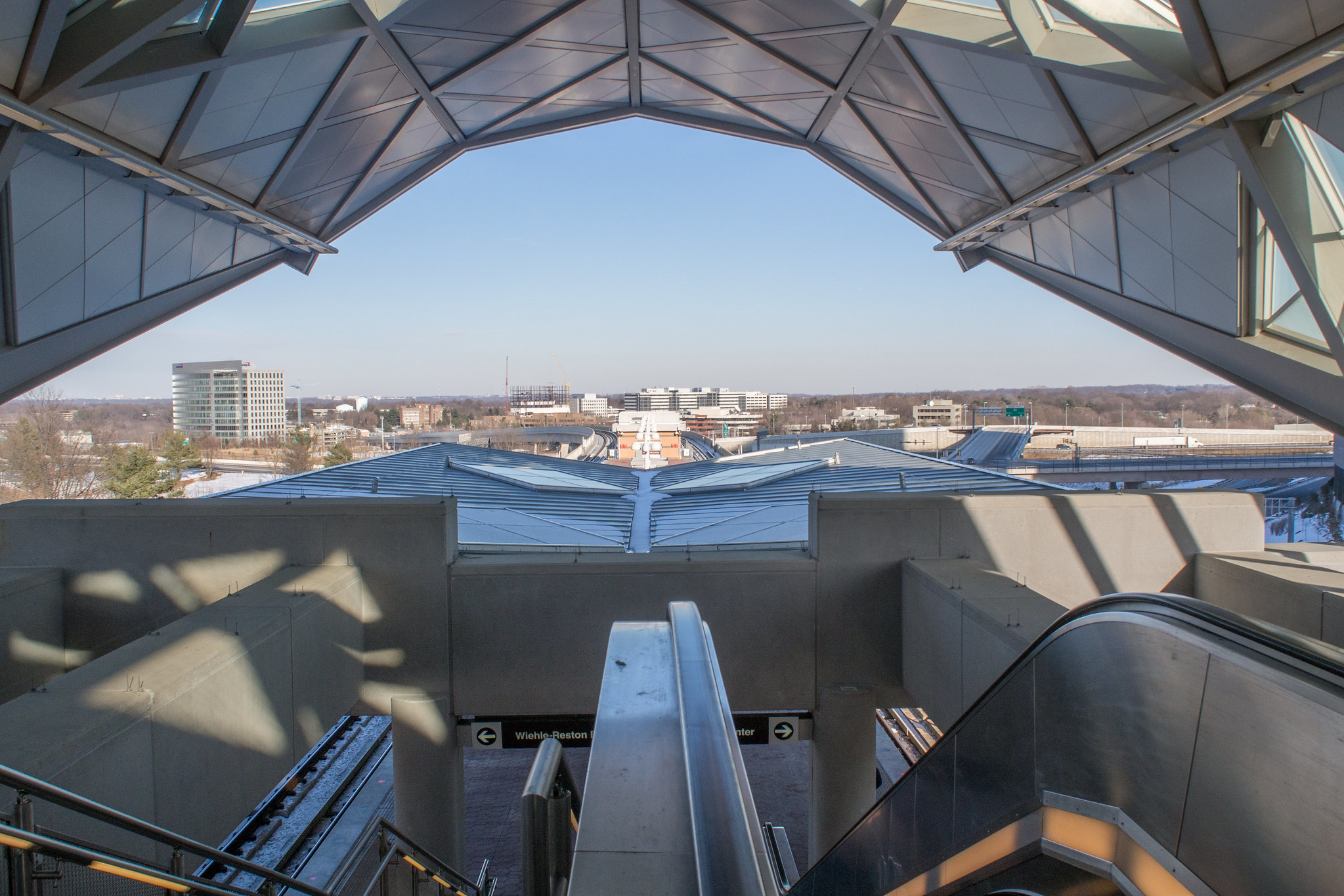
The opening of the Silver Line extension could come as soon as September if all things go according to plan, Metro officials said.
But with a sprawling $6 billion project, that’s not always guaranteed.
The project is being completed in two phases. The first opened in 2014 and added five new stations to the Silver Line: McLean, Tysons Corner, Greensboro, Spring Hill, and Wiehle-Reston East. The second phase will add six stations, including one at Dulles Airport. But changes and construction delays have set back the initial 2018 deadline considerably.
Four “major” quality issues were covered during Metro’s board meeting on Thursday.
The Metropolitan Washington Airports Authority is building the Silver Line and said it will reach substantial completion of the project in April. It will hand over testing and operations to Metro once completed. Board Member Michael Goldman asked about that September timeline being accurate.
“The contractors work for the Airports Authority, so we have no real direct means of knowing or controlling their completion,” said Neil Nott, who heads the Silver Line work. “So it’s difficult for us to anticipate when that will happen, but those are all reasonable assumptions from what we know.”
After six or so months of testing and training, Metro may turn over operations to a private contractor to cut costs.
But first, they’ve got to tackle the ongoing construction issues. In September, the board heard about eight outstanding issues, and now it’s down to four.
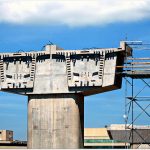
The biggest: 1,500 precast concrete panels in the station have the wrong air content, and in some places, not enough concrete covers the steel. The question is: Should Metro accept panels with known issues that will disrupt service, or replace them altogether?
If Metro doesn’t accept the panels, the project opening could be significantly delayed since new ones would have to be made, delivered, and installed.
If they do accept it, that means other long-term impacts. Consultants recommend inspecting all the panels four times a year. They also recommend the re-application of a sealant every five to seven years. The panels are in stations near escalators and above tracks that would likely require a partial or total shutdown.
“We’ve got 1,500 panels … how do you go (inspect them all)?” said General Manager Paul Wiedefeld after the meeting. “That is a significant effort and if we have to do that over the third (electrified) rail, you’re not running trains.”
“We’re trying to get more service hours and this works against that,” he added.
The issue could bring significant cost: $1 million to $1.8 million for every sealant application.
“The balancing act, the choice to be made is a high cost and high operational impact concentrated just prior to the beginning of revenue service versus a long term consistent cost and operational impact that we’re just eating over time. So can we take it? Is it worth bearing that over time? Or is it better to get it all out of the way?” asked board member Steve McMillin.
Wiedefeld said he’s unsure which is the best route, but he described it as a major concern.
Other issues include:
- Track ballast that has small rocks that could affect drainage in the train yard
- Areas where tracks aren’t level
- Track plates, which hold the track down to the ties, have a gap between the track and the plate.
The board was also briefed on other Silver Line considerations. Testing will shutdown the Wiehle-Reston station multiple weekends through March.
The budget may also be adjusted in January to account for the opening and added service costs.
This story originally appeared on WAMU.