Natalie Delgadillo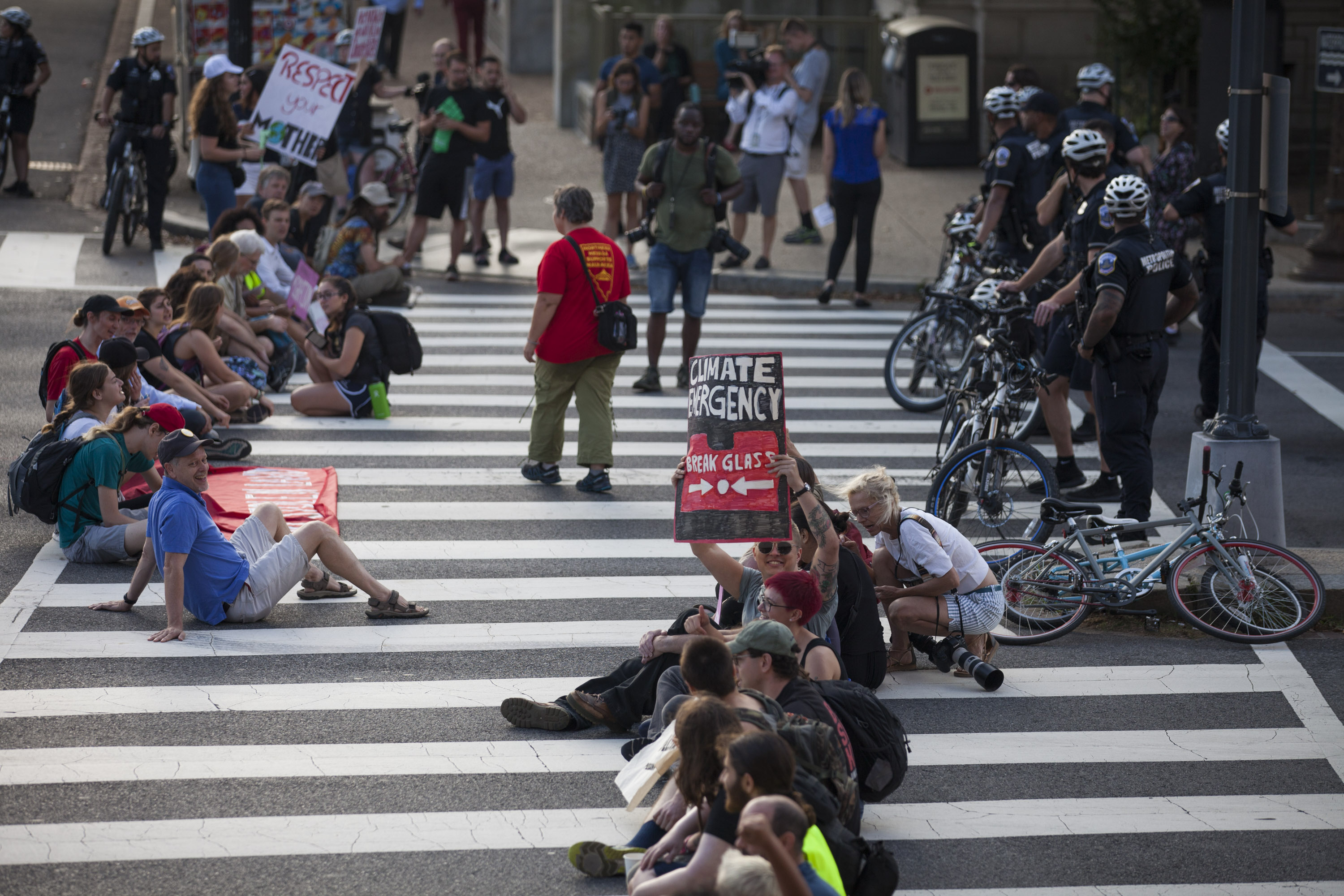
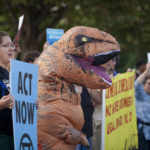
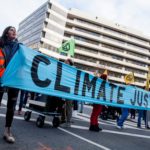
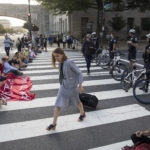
For the fourth time this year, a group of D.C. protesters plans to cause gridlock during the morning commute to draw attention to the global climate crisis.
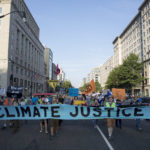
On Friday, a coalition of activists that call themselves Shut Down D.C. plan to blockade several busy streets surrounding the World Bank starting as early as 7:30 in the morning, the group announced in a press release on Wednesday. The protesters will be demanding that the bank fully divest from fossil fuels, which it hasn’t yet done, despite increasing its investments in clean energy projects.
“We wanted to draw connections with international institutions that are essentially propping up the climate crisis with their continued support of fossil fuel use,” says Nick Brana, an organizer with Shut Down D.C.
The event is supposed to mirror earlier actions by Shut Down D.C., most notably its largest event on September 23 when protesters managed to blockade 22 intersections during the morning commute, some for more than three hours. The group held another traffic blockade a few days later, on September 27, to close out global climate action week. And in early November, protesters took to the streets again and blockaded a few key intersections downtown (this protest was the smallest one so far).
The events are part of a larger turn toward civil disobedience as the next chapter in organizing around the climate crisis, Brana says.
“For decades, the climate and environmental movement has tried everything that we were told we were supposed to do to make change in a democratic society,” he says. “We have protested, we have written our members of Congress, we have put in phone calls, we have done private lobbying. None of it has produced any change.”
So, Brana says, activists are turning to the successful movements that came before them for guidance—civil rights and suffrage, for example. “The climate movement has come together and turned to civil disobedience because of how ineffective these other tactics have been,” he says. “We need to shake the world out of its complacency and out of its advancement of this crisis.”
Friday’s protests are being conducted in concert with the international Climate Strike, which is tied to the Fridays for Future movement started by Swedish teenager Greta Thunberg. Starting in August of 2018, when she was 15 years old, Thunberg began skipping school to sit in front of Swedish Parliament every day and protest a lack of action on climate. Her protests have grown into a global movement of Friday strikes and other forms of protest and civil disobedience over climate change.
After the action near the World Bank, there will be an 11 a.m. rally at Franklin Square featuring movie star and climate activist Jane Fonda, who has been running a series of protests every Friday modeled after Thunberg’s. Fonda has been arrested several times for her actions at the Capitol building, and she often brings famous friends along with her to make speeches at her rallies.
This Friday, Fonda will speak along with actress Taylor Shilling, per a release from Shut Down D.C. After that, there will be another traffic blockade, this time targeting financial institutions downtown. Brana would not reveal exactly which ones, nor what other actions activists might be taking besides a traffic blockade.
Organizers are expecting hundreds of people to turn out for the morning blockade in D.C., and even more people to show up as events continue throughout the afternoon, Brana says.
There’s No Paywall Here
DCist is supported by a community of members … readers just like you. So if you love the local news and stories you find here, don’t let it disappear!