Natalie Delgadillo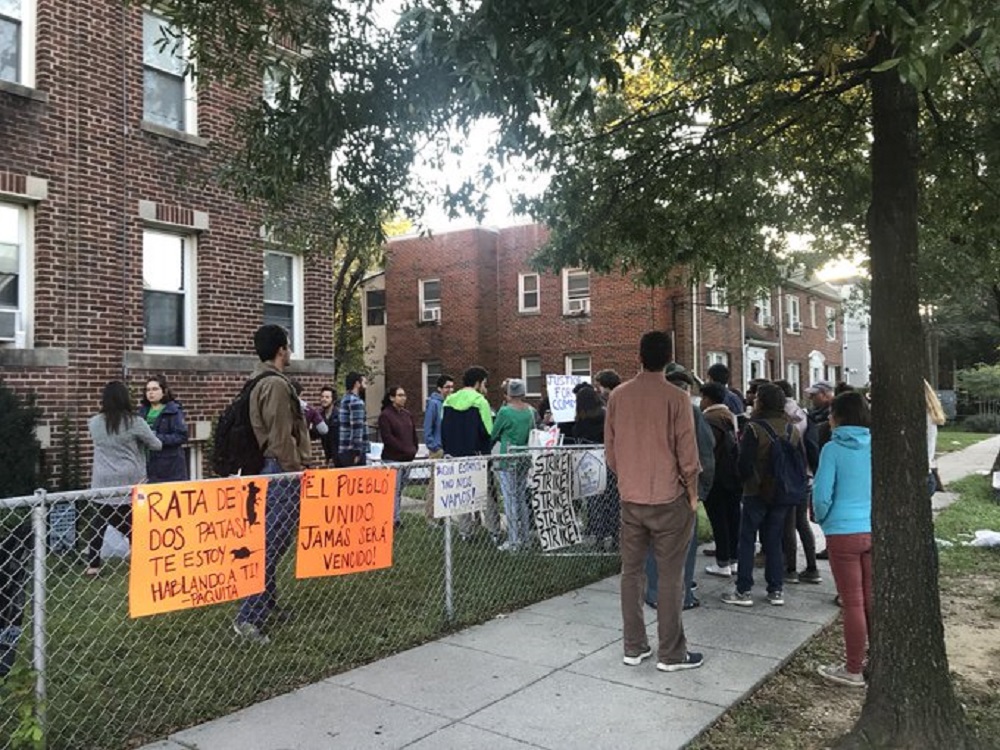
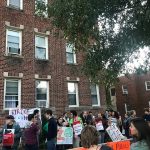
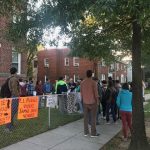
It’s been well over a year since residents at 1320 Nicholson Street NW began a rent strike to protest what they said were substandard living conditions. Tenants described a litany of problems that they claimed their landlord, Michael Lesesne, refused to address: A mice and roach infestation throughout the building, cramped units, waterlogged ceilings that sprouted fuzzy mold, an intermittent lack of hot water, and toilets held together with duct tape.
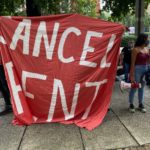
In October of 2018, some of the building’s tenants began withholding rent to try to force Lesesne to make the repairs. Last month, the strike ended as the building sold to Novo Properties, a developer hand-picked by residents. After years of living in poor conditions, residents are hopeful that their new landlord will bring the building up to code, says Citlalli Velasquez of the Latino Economic Development Center, the organization that helped the Nicholson tenants organize their rent strike.
“Tenants have already been telling me that they met with Novo a couple of days after they closed on the property. They came to collect inspection sheets and introduced themselves, they changed the front door lock and gave everyone new keys,” Velasquez says, explaining that tenants have long wanted the locks changed for security purposes. “Novo has been cleaning the property aggressively and has staff there regularly which I think is a good sign. We are hopeful and tenants are hopeful that their homes are in better hands.”
The tenants at 1320 Nicholson are all low income, and many of them are also Latin American immigrants who don’t speak English. Last summer, Lesesne tried to raise rents at the property, and tenants protested the hike. On June 19, 2018, a group of residents sent a letter to the management company, SCF Management, that they would refused to pay rent increases set to begin on August 1.
“In addition to the many violations which exist in individual apartments, we continue to experience leaks through ceilings, broken windows, damage to walls and floors, missing carbon monoxide detectors in all units, plumbing and pest issues and have endured several days without hot water. Additionally, routine maintenance is not being conducted in a timely fashion,” the letter reads. A representative for SCF told DCist in October 2018 that the tenants’ claims were untrue, and that the company addressed all maintenance concerns in a timely fashion.
Velazquez says that SCF put the hike in place without addressing the maintenance problems, prompting 16 of the building’s 23 units to engage in a rent strike starting in October. The tenants paid rent each month into an escrow account managed by LEDC, to try to ensure that they wouldn’t get evicted if Lesesne decided to take them to court.
After the rent strike began, Lesesne put the building up for sale, triggering tenants’ TOPA rights (the D.C. law gives tenants the first right of refusal when their building goes up for sale, or allows them to appoint a buyer in their stead). After months of interviewing potential owners, the tenants decided on Novo, which has promised to bring the building up to code, but not to engage in drastic renovations that will require tenants to move out or drastically raise rents, according to Velasque.
Lesesne has been ill with cancer since 2012, and the illness factored into his decision to sell, according to Bisnow, which first reported on the sale. But Velasquez says she and LEDC believe that the rent strike significantly sped up the process and lead to a faster resolution.
For more than a year now, LEDC has been experimenting with rent strikes as an organizing strategy for tenants who believe their landlords are refusing to complete repairs in order to push them out and charge higher rents for new residents, and the number of rent strikes in the city has been increasing. Velasquez argues this outcome shows rent strikes can work, though she doesn’t recommend them as a blanket solution, and emphasizes that tenants on rent strike should always organize with a community organization who can help them put their rent payments in an escrow account.
“I ultimately think this rent strike forced the landlord to sell,” Velasquez says. “He preferred to get rid of the building altogether, which was honestly a good thing for the tenants in this case.”
Previously:
Facing Decrepit Conditions, Another D.C. Apartment Building Goes On Rent Strike
There’s No Paywall Here
DCist is supported by a community of members … readers just like you. So if you love the local news and stories you find here, don’t let it disappear!