 Rachel Sadon
Winnowing down the more than 2,000 stories that we published this year to 25 was no easy feat, and I couldn’t be happier about it. DCist broke a series of stories about how gentrification is playing out in Shaw, we covered how the closure of Express played out for its distributors, and our reporting on the city government’s medical marijuana policies led to a lawsuit. We published our first story in Spanish. We dedicated days of coverage to the city’s homelessness crisis, climate change, and D.C.’s barbershops. And some of our finest work told the stories of everyday Washingtonians—the street musician turned big, the unofficial DJs of Columbia Heights, one of the city’s first street vendors, the superstitious Nats fans who willed the team to victory. Read those stories and many others below. Oh, and we launched a membership program! If you appreciate this work, join in.

Social Media, Bubble Tea, And EDM: How Eden Center Is Wooing A New Generation
By 2012, Mi Lam says, the recession and her father’s death prompted the family to reconsider their options. Her mother and her cousin both loved to cook, and had some experience catering, so they decided to open a restaurant.
The new mission? Cook for everyone—Vietnamese and non-Vietnamese, older immigrants and their children—but keep the food authentic while doing it. “I would love to introduce our food to this whole world,” she says.
That’s the challenge facing Eden Center as the decades-old shopping center looks to the future, according to Graham Eddy, the associate general counsel and vice president at Capital Commercial Properties, which owns the mall. “We have the customers who have always gone to Eden Center to get their hair cut or to eat food or buy their jewelry,” he says, “But we need their children and their children’s children to come and do the same thing.”
These two stories put the spotlight on one of the D.C. area’s most beloved strip malls. Matt Blitz traced the history of the Eden Center and the Vietnamese community that transformed the shopping development in the mid 1980s, while Margaret Barthel then looked at how shop owners are transitioning to the next generation, both as owners and as customers.

‘Some Of These Nests Are Like A Soap Opera’: Welcome To The World Of D.C. Eagle Obsessives
It’s safe to say that this is the most dramatic mating season of Liberty’s life—she’s spent at least 14 Februaries incubating eggs and then raising chicks with Justice by her side. But there is perhaps no one for whom this drama more intensely felt than the legion of loyal eagle-obsessives who’ve been watching with bated breath as Liberty struggles to keep her eggs viable after Justice’s disappearance.
The eagle drama last winter was riveting. Honestly, all of Natalie Delgadillo’s stories about the mysterious disappearance and reappearance of one half of a long-standing eagle couple are worth reading. But it turns out that the humans involved—the community of people who obsessively watch the eagle cameras—are just as fascinating.

RFK Stadium Once ‘Had A Holy Feel To It.’ Now, Its Days Are Numbered
Whatever the future holds for the site by the Anacostia River, plenty of people relish its past. Former quarterback Joe Theismann says he drives by it on his way to football games in Laurel and got a chance a few years back to go back inside one last time. “You can almost hear the crowd, smell the smells, and see how close fans sat,” remembers Thiesmann. “When they do it tear it down, at least I have my memories.”
As city officials look to tear down the crumbling stadium—and prepare for a fight over the future of the site—Matt Blitz looked back at the heyday of Robert F. Kennedy Memorial Stadium. Continuing the historic stadium beat, he also profiled Nats Park’s predecessor on Georgia Avenue.

El Salvador Just Had A Historic Election. It Almost Included The Owner Of Lauriol Plaza
El Salvador Vivió Una Elección Histórica. El Dueño De Lauriol Plaza Casi Fue Parte De Ella
For the first time since the end of the country’s civil war in 1992, a third-party candidate wrested the presidency from the two dominant political forces in the country, the leftist FMLN and right-wing Arena.
In D.C., where Salvadorans are the largest immigrant group, Nayib Bukele’s fight to the presidency has reverberated in some unexpected ways. For one thing, one of the city’s most prominent Salvadoran business owners nearly ran against Bukele himself, as the vice-presidential candidate for the country’s leftist party.
For the first time ever, we translated one of DCist’s stories into Spanish. And what a story it was: Natalie Delgadillo learned that the owner of Lauriol Plaza is such a power broker in El Salvador that he was invited to be a vice presidential candidate in the historic election this year.
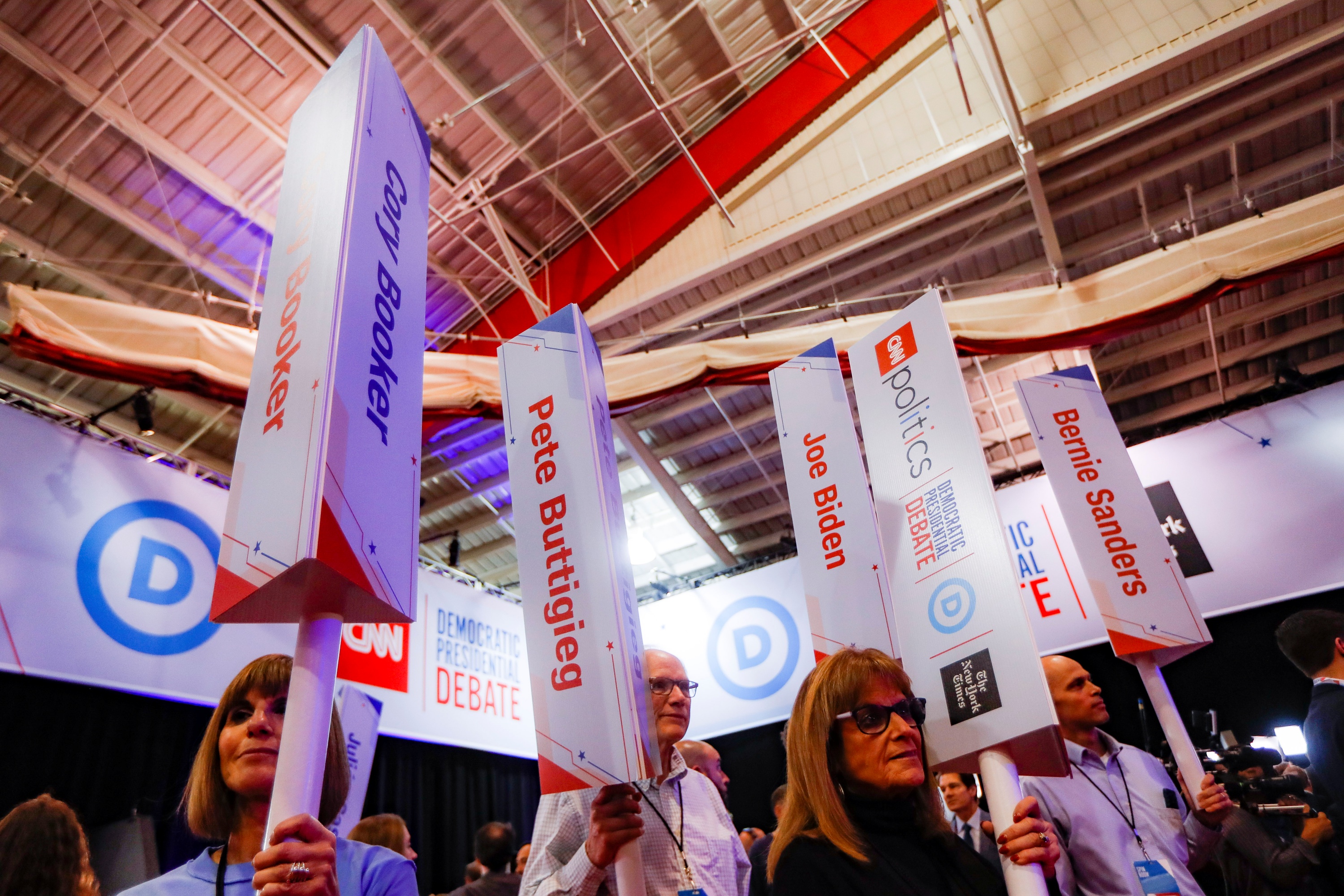
Primary Love: How The Democratic Contest Is Impacting D.C. Dating
“I was getting the meanest twerk at Cloak and Dagger, that booty was making my heart skip. But she turned around and was wearing a Mayor Pete shirt so now I’m celibate.”
We’re tired of all the references to how this town is split among party lines—it’s not. But there is definitely intra-party friction, and it’s playing out in all sorts of ways, including in the dating scene. Barbara Sprunt looked at how the city’s singles have been divided by the Democratic primary.

B.J. Treuting, better known to many Washington fans as @BeardedNatitude, proclaimed in 2012 that he wasn’t shaving his beard until the Nationals won the World Series.
“I was very, very confident that we would win that year,” he says. “Now, seven years later, here we are. And so I use oil, balm, shampoo, conditioner, I have a hair dryer just for my face. I used to make fun of, you know, girls taking an hour to get ready, and I absolutely, totally understand and I get it now.”
We published more than two dozen stories over the course of the Nats improbable World Series run, but none had as much charm as this Rachel Kurzius dive into the superstitions of die-hard fans.
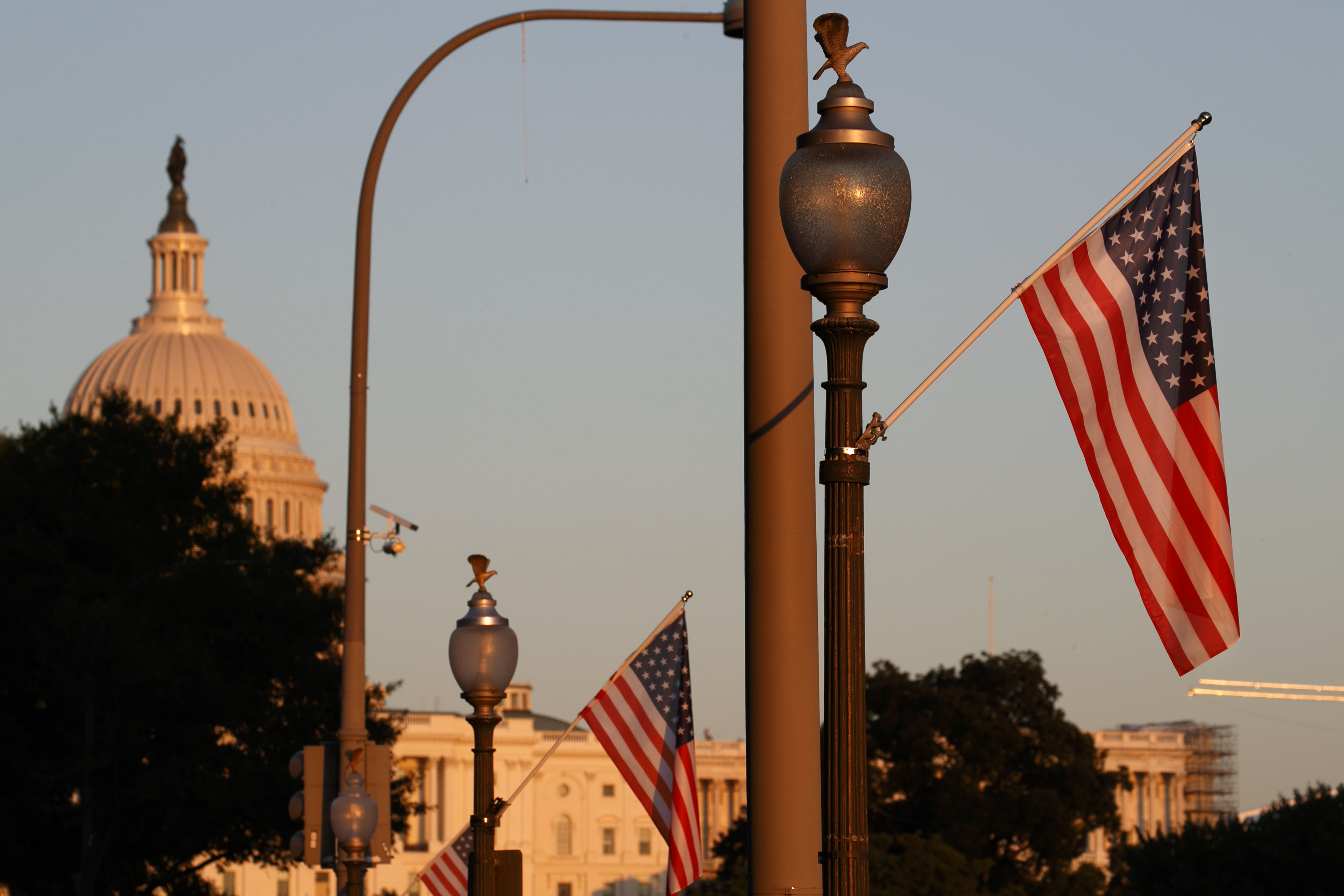
The Past, Present, And (Potential) Future Of D.C. Statehood, Explained
From the beginning, lawmakers opposed to statehood have implied—or directly said—that D.C. is incapable of governing itself, and they’ve couched those claims in racist ways.
After the government moved to strip D.C. of its local governance rights in the 1870s, Senator John Tyler Morgan of Alabama, a former Confederate soldier, said that it had been done “to burn down the barn to get rid of the rats … the rats being the Negro population and the barn being the government of the District of Columbia.”
This year saw the first D.C. statehood hearing in decades in the House of Representatives. We took the opportunity to dig in—deep—on how D.C. came to be disenfranchised, what it means for how we’re currently governed, and what the future might hold. A good one to bookmark and send to confused family and friends.

The Story Of The D.C.-Area Disney Park That Almost Was
“I still think about it,” says Debbie Jones, who was the president & CEO of the Prince William County-greater Manassas Chamber of Commerce (a role she remains in today). “Twenty five years later, would I still be so enthusiastic? Was it a missed opportunity? Or did we luck out that Disney didn’t come here? You know, I’m not sure.”
The arrival of Amazon isn’t the first time that the D.C. region has grappled with what it means when a multi-billion dollar company wants to move to town in a big way: Disney very nearly built a 3,000-acre, history-themed park in Haymarket, Virginia in the early 1990s. Matt Blitz revisited how the the contentious plan played out, and the lessons learned along the way.
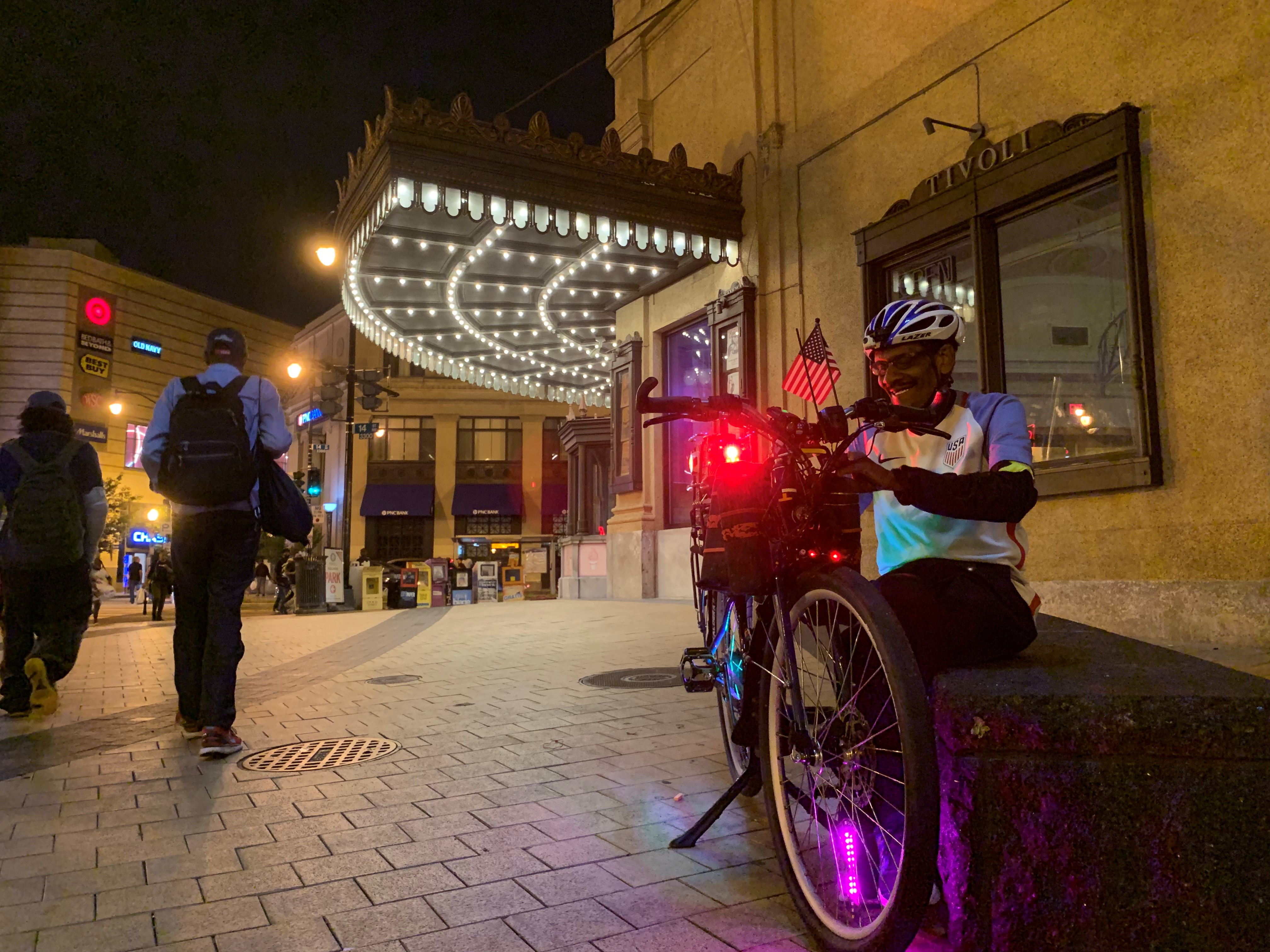
On The Block Or By Bike, Meet The Two Legendary Music Men Of Columbia Heights
It’s close to 8 p.m. on a recent weeknight, but at Anthony Burley’s home in Columbia Heights it’s “Round Midnight,” or at least it is on his stereo.
The sun is setting over Rock Creek Park, enveloping the rowhouses on Park Road in a pink glow. With the sound of Miles Davis echoing down the road, everything seems rosier than usual: the salmon-colored house across the street, the pink button-down that Burley wears with a paisley pocket square peeking out, and, it seems, the neighborhood’s mood.
Anyone who has spent much time in Columbia Heights has found themselves with a little extra jive in their step thanks to two men who serve as the neighborhood’s unofficial DJs. Where Anthony Burley provides Park Road NW its soundscape for personal reasons, George Whitlow pedals around with the explicit goal of bringing others joy. Leigh Giangreco profiled these hyperlocal celebrities.

The 75 Distributors Of The Now-Shuttered Washington Post Express Received No Notice, No Severance
Hassan Nezhadessivandi, a hawker in Dupont, didn’t learn about Express’ closure until Thursday morning. He arrived about 20 minutes before his 6 a.m. start time to get ready for the day. When he handed the first paper to a bus driver, she started talking to him about the news. He didn’t believe her at first, until she prompted him to look at the paper.
“I looked, and it was the front page that said Express is closing down,” Nezhadessivandi says. “That was the only time I found out about it. I was really disappointed.”
While two dozen journalists lost their jobs as yet another local news outlet folded, Rachel Kurzius looked at how the once ubiquitous Metro distributors were treated during the closure. The answer: not well. And she followed up on the attempts at crowdfunding in the aftermath—more than two months later, the hawkers still hadn’t received the thousands of dollars raised on their behalf.

Yes, The Water Bar Is Real, And It Might Just Be The Beginning Of The Luxury Water Wave In D.C.
That price keeps growing, it seems. As consumers move away from sugary drinks, sales of water increase. In 2017, bottled water outsold soft drinks and alcohol by volume in the U.S. And new brands are scrambling to get a piece of the ever-growing pie.
Each new water brand offers some characteristic—bubbles, flavors (“essences” as many call them), minerals, purity, presentation. But luxury itself is also a characteristic.
At first, we were mostly just curious about what could be going on at a “water bar” that cropped up in Park View. Gabe Bullard learned what was going on there, but he also explored the local luxury water market, which is a real thing.
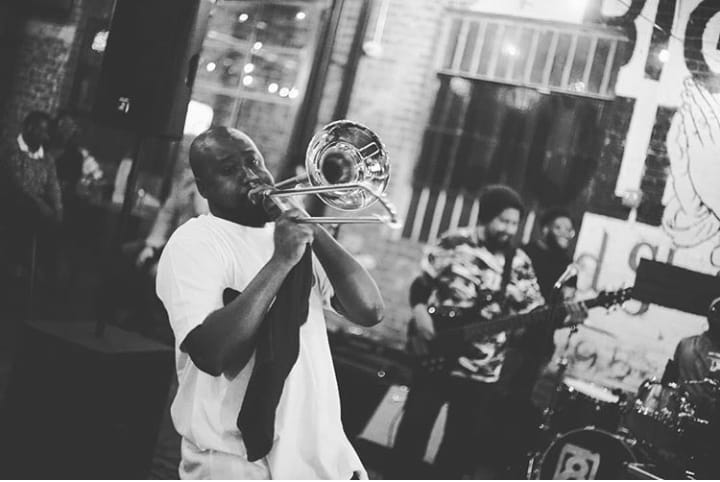
The ‘Trombone King’ Used To Play Outside Gallery Place. Now His Band Has Gigs Most Nights In D.C.
Someone in the crowd makes an offhand comment about the group’s history—“Isn’t this the band that used to play outside Gallery Place?”—and, as the word spreads throughout the bar, even the people drinking by themselves start paying attention.
The band is performing R&B and rap covers just a few blocks from where they used to play for commuters every day. The difference is, they now perform indoors with twice as many members as they started with two years ago, and their old tip bucket is nowhere in sight. But their energy is just the same.
Wherever you land in the amplified noise debate, there’s no denying that many of D.C.’s street performers have serious talent. Elliot Williams profiled the charismatic Trombone King as he’s grown his band from performing outside Gallery Place to playing clubs and restaurants around the city.

Barbershops Can Be Fraught For People Who Aren’t Straight Cis Men. These Women Want To Change That
This Program Uses Black Barbershops As Ground Zero To Quash Stigma Behind Mental Healthcare
This Italian Immigrant Has Been Barbering In Foggy Bottom For Nearly Sixty Years
The Senate Has Its Own Longstanding, Secretive Basement Barbershop
So often, a barbershop is more than just a place to get a haircut. The classic fixtures and familiar rituals serve as the backdrop for community.
Over the summer, DCist published a series of stories that turned the mirror onto the barbershops themselves. As Ryan Benk wrote in his profile of Lady Clipper, a barbershop on U Street owned and staffed entirely by black women: “Haircuts are some of the most intimate experiences you can have in daily life. Think about it: you’re in a chair, up close and personal with another person for an extended period of time. You could emerge, back straight and headstrong into the world a better version of yourself. Or you might hang your head in shame and stick to wearing hats while your mane grows out again.” Barbershops are also gathering places—places where men, and increasingly women and nonbinary folks, become regulars. They are the sort of place where one man might cut hair for decades, where senators get the same treatment as junior aides, where mental health professionals might find a captive audience for their life-saving message.
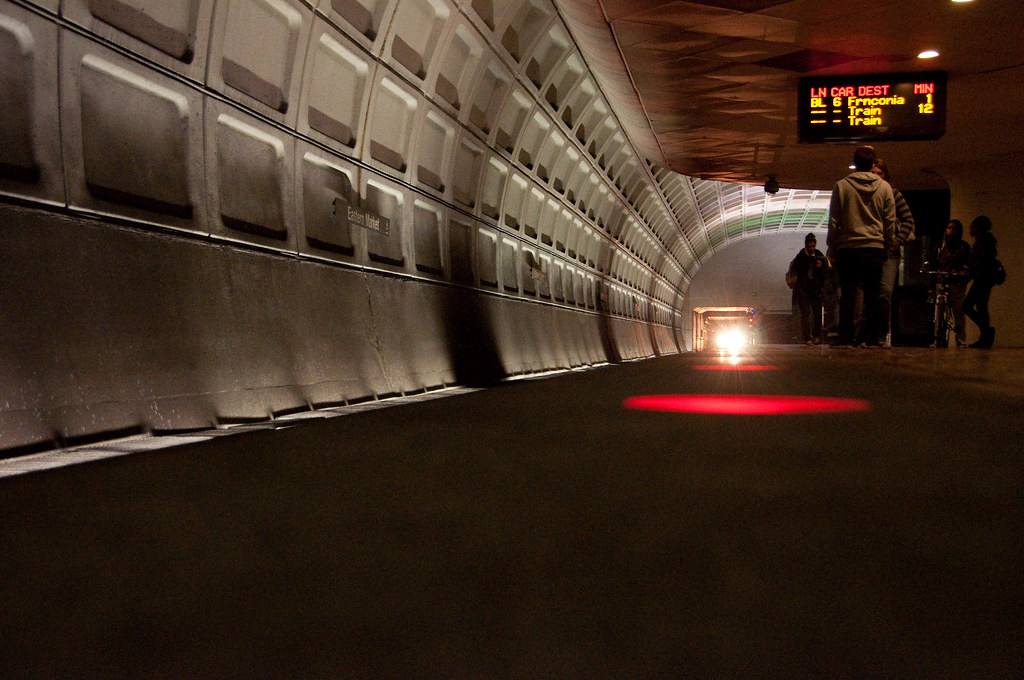
From Watchdog To Attack Dog: The Story Of Unsuck D.C. Metro
Unsuck D.C. Metro has been a release valve for frustrated riders. They tweet at the account when trains whizz by without stopping, or don’t arrive at all, or have floors covered in mysterious liquid, and Unsuck retweets them. The blog was also at the forefront of noticing that the quality of Metro’s service had worsened, long before the transit agency acknowledged it….
But over the ensuing decade, the tenor of the Unsuck D.C. Metro account changed sharply. Service updates are mixed in with hostility and public shaming. The targets of his attacks—often low-level Metro employees or the riders themselves—don’t have access to the same large social media platform.
How did a Twitter account (and blog, at one point) go from being many people’s primary source of Metro updates and a lauded watchdog for WMATA to a forum for acrid hostility? Rachel Kurzius chronicled the evolution of Unsuck D.C. Metro.
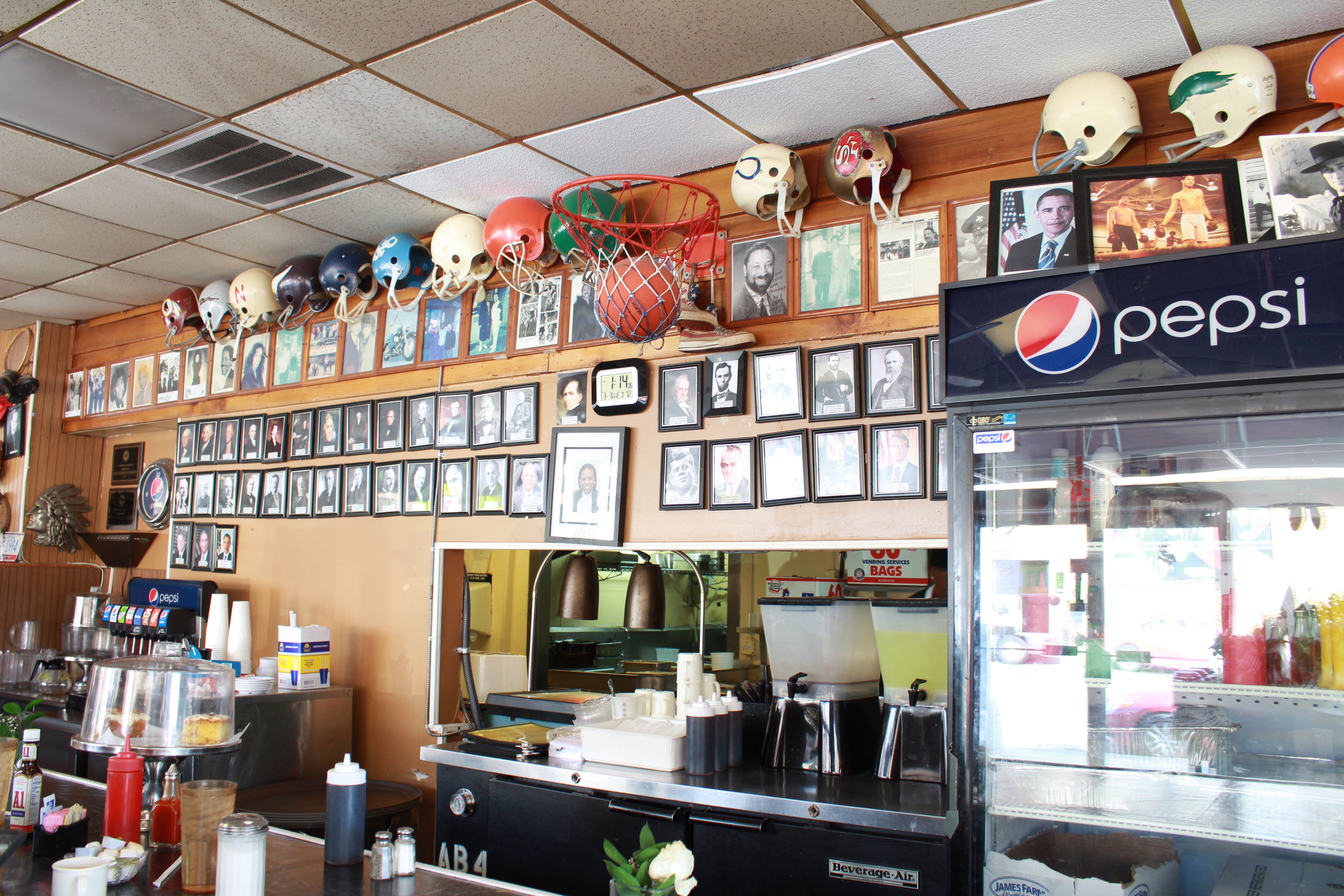
Loyal customers continue to partake in the Torrie’s experience. “It’s a part of D.C.’s black historic landmarks.” Desma Blocker, another long-time Torrie’s diner, tells DCist as she slides into a booth dedicated to former D.C. Mayor Marion Barry, a frequent customer. It’s located just inches from the restaurant’s memorial photo of D.C. civil rights activist, comedian, and Torrie’s customer Dick Gregory. “It’s had stars and all this history in the walls here,” says Blocker.
A reader asked why all the attention has gone to Ben’s Chili Bowl and Florida Avenue Grill, when Torrie’s has been just as much a staple. It was a good question, and BreAnna Bell set out to give the Shaw landmark its due. Even as the surrounding property values go up, owner John Goodwin says Torrie’s is here to stay.
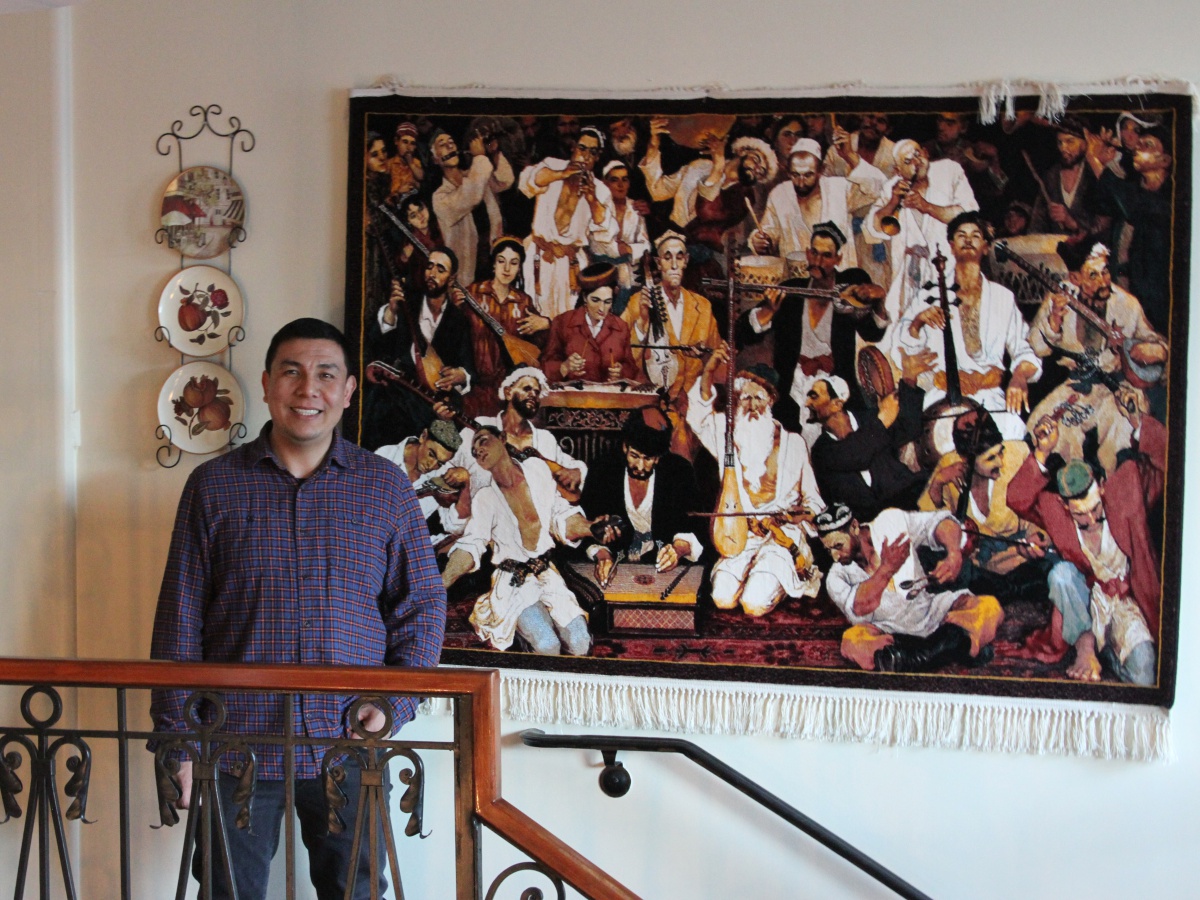
‘We’re A People That Are Grieving’: Local Uighurs Have Escaped China, But Still Fear Repression
Murat Ataman last heard from his mother on Mother’s Day 2017.
“I called her, I said ‘Happy Mother’s Day.’ She said ‘thanks.’ Then she said she would call me back. And that’s the last time we spoke,” Ataman says.
Their final communication came over the app WeChat minutes later. Ataman’s mother texted him, told him she was deleting him from her contact list, and advised him to delete the app. Ataman, a dutiful son, did as he was told. He has no idea about her current whereabouts.
The largest Uighur community in the United States is here in the D.C. area, largely in Fairfax County, Virginia. With increasingly bleak headlines about “re-education camps” in western China, Colm Quinn learned what life is like for Uighurs here.

New Neighbors Keep Walking Their Dogs On Howard’s Campus. Students Say It’s Disrespectful
Darren Jones, a 60-year black resident of the neighborhood and president of the Pleasant Plains Civic Association, says that in all the years he’s lived in the neighborhood, he has never considered picnicking or walking a dog on Howard’s campus. But he’s increasingly noticed new neighbors doing so. “Younger people today just feel that it’s their neighborhood and they’re going to use it,” he says.
As the number of dog-walkers, joggers, and picnickers has grown, so too has the friction with students.
This story was picked up far and wide after Natalie Delgadillo first reported on tensions at Howard University over newcomers walking their dogs on campus.

Shaw’s Metro PCS Store Has Been Forced To Turn Off Its Go-Go Music, Owner Says
The identity of Campbell’s store, incorporated under the name “Central Communications,” is so closely intertwined with the music known to play out front that three of the four Yelp reviews mention it, and one is solely about the go-go. “I cannot speak on the phone services. I try not to drop my phone,” says one reviewer. “My two visits were to buy music that I’ve heard playing … For $10.00 you can get a nice Cd to play for a weekend trip, a cookout or to kick it old school with family and friends.”
The outcry was immediate after Rachel Kurzius reported that the iconic go-go music at 7th Street and Florida Avenue NW had been turned off. After a series of demonstrations, the tunes were reinstated. But #DontMuteDC activism lives on.
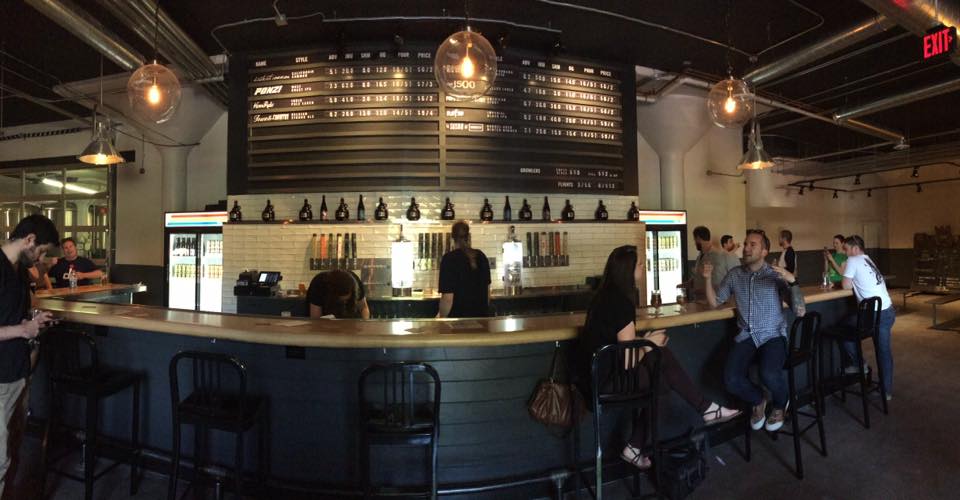
New Craft Beers Are ‘In A Holding Pattern’ Thanks To The Shutdown
Now the Ivy City brewery is stuck with a whole tank of IPA brewed with fresh apricots that may never hit shelves. “It’s fermenting, currently,” says Justin Cox, Atlas Brew Works’ CEO and founder. “That will have to sit in our tank.”
The government shutdown (yep, that was this year) hit the city in all kinds of expected and unexpected ways. As Lori McCue discovered, local craft breweries were left in the lurch because a little-known government office called the Alcohol and Tobacco Tax and Trade Bureau was deemed nonessential.
A Form Letter For You To Use After The Latest Terrible Tweet About D.C.
Why do we have to spend our day proving to some rando we’ve never heard of that the District is actually home to 702,000 people, not all of whom wear pleated khakis and house massive amounts of steak for lunch?
We got tired of writing the same takedowns of tired takes about D.C., so Rachel Kurzius made a handy Mad Libs style response to address all inevitable future idiocy. It’s already been useful multiple times since it was published in October.
Climate Change Won’t Affect All Washingtonians Equally
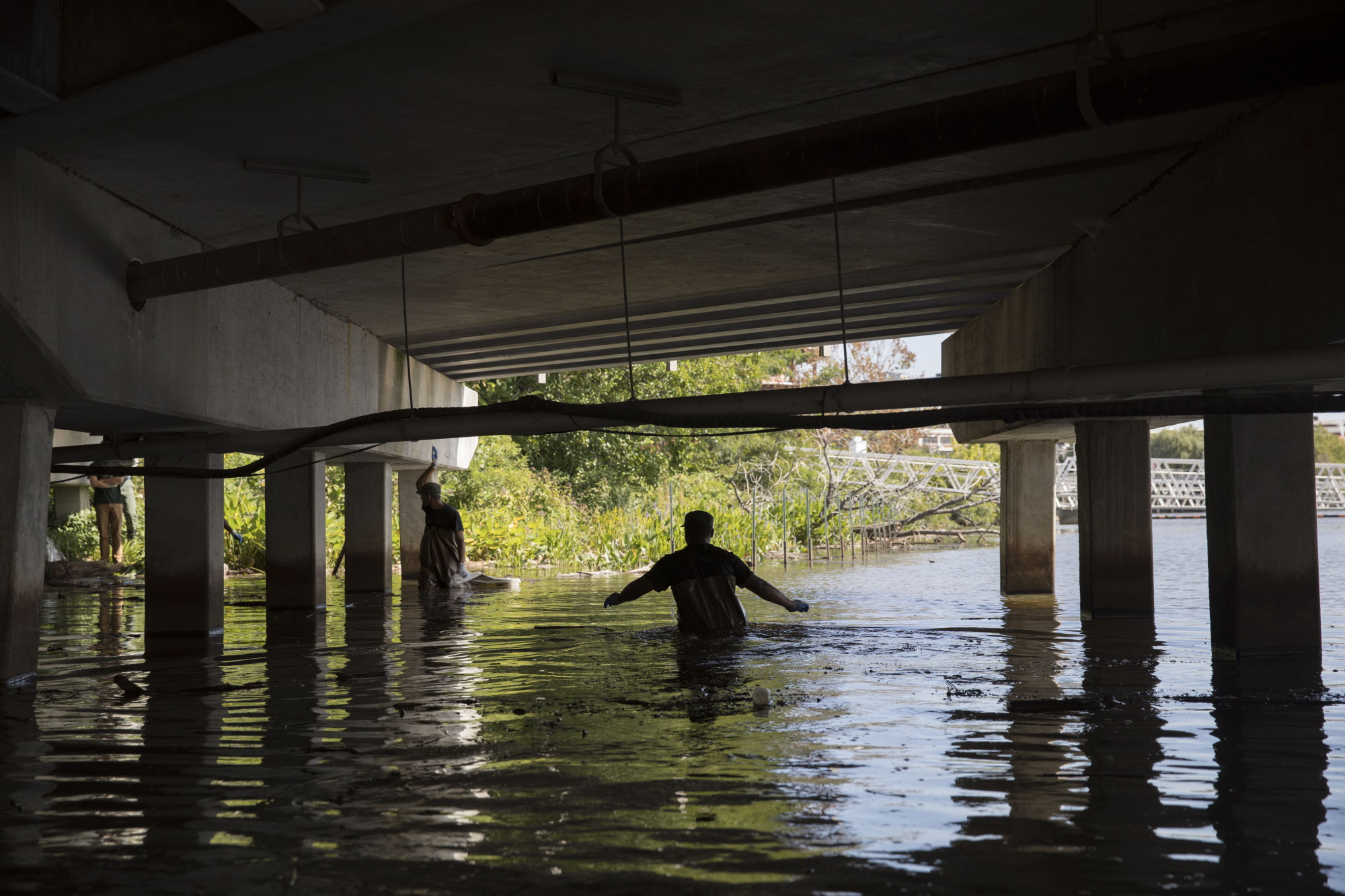
Climate change is expected to make D.C.’s weather conditions warmer, wetter, and wilder, as the District Department of Energy and Environment’s climate chief recently put it. The District’s poorest residents are already facing enormous challenges around housing and health. And without significant intervention, advocates say that rising temperatures, increased rain, and more intense flooding will almost certainly exacerbate these interrelated problems.
Over the course of a week in September, DCist published more than a dozen stories as part of the global #CoveringClimateNow initiative, looking at how transportation is already being affected by extreme weather, what Washingtonians can do as individuals to minimize their impact on the environment, how teachers are addressing climate change in local classrooms, the species of bat that is now making its home here, and many others, a number of which were influenced by reader questions. But the query that we got most frequently was how the city’s most vulnerable residents would be affected by climate change, and Jenny Gathwright ably tackled it.

Inside The Tonys Of Local High School Theater
Mid-way through the opening number of the Cappies, I found myself wishing I had followed one event organizer’s advice and worn earplugs.
More than 2,400 high school students, parents, and supporters—all decked out in sparkling gowns and freshly-ironed suits (even a couple of tuxedos out there)—took turns shrieking as they saw friends parade out as nominees. The noise was deafening.
Lori McCue ventured behind the scenes at the Cappies, which she described as the Oscars meets a pep rally for local high school theater.

For Kids Experiencing Homelessness, Back-To-School Can Mark A Return To Stability
“All the backpacks are brand new. We always specifically ask for that because we feel the families deserve it,” says Melanie Hatter, the communications coordinator for Playtime. “A lot of families are dealing with hand-me-down, second-hand clothes all the time, and our goal is to give them new things, new toys.”
For the fourth year in a row, DCist participated in a citywide day of coverage dedicated to homelessness, dedicating six stories to the subject on August 29. In this story, Rachel M. Cohen explained how the return to school can mark a return to some form of stability for many children experiencing homelessness.
Meet The Abuela Of Columbia Heights Street Vendors
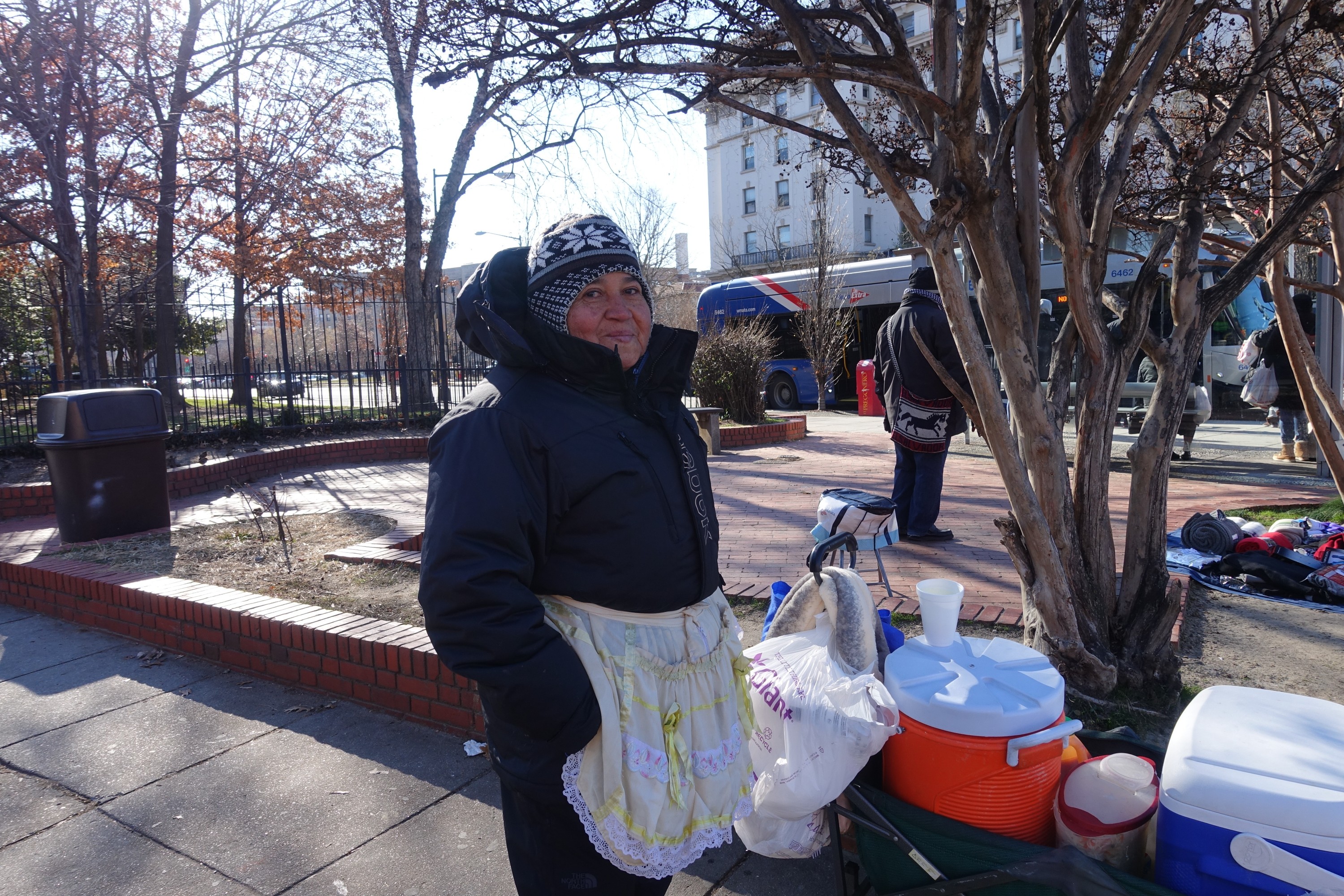
She sleeps and wakes at times that have come to seem natural, even when the exhaustion feels like an extra body she has to lug around along with everything else: the heavy thermos of steaming atol de elote, the stacks of Styrofoam cups, the dozens of pupusas or taquitos, the pastelitos, everything loaded into her small four-wheeled cart.
Colochita says she was the first person to sell mangoes and pastries on the sidewalk in Columbia Heights—about 26 years ago—and she’s been a fixture in the neighborhood ever since. She shared her story with Natalie Delgadillo after street vendors started organizing in the wake of a confrontation with police officers.

These City Workers Were Told They’d Lose Their Jobs If They Used Medical Marijuana
“They were saying there was zero tolerance—so you would lose your job” if a drug test came back positive for marijuana, even if you were part of the medical marijuana program, said a DPW employee nicknamed Deuce, who has been with the agency for 20 years. He asked we not use his full name because he fears repercussions at work. “That’s kind of crazy. It scared me and a lot of my co-workers.”
City employees have ostensibly been allowed to partake in D.C.’s medical marijuana program since 2016. But workers at several D.C. agencies have been told otherwise, as Rachel Kurzius first reported. After some employees received an ultimatum, the ACLU filed suit on behalf of a sanitation worker at the Department of Public Works.
Editor’s note: You can now be a DCist Member
Not only is our journalism back and better than ever, but DCist is now part of a long tradition of publicly funded news. There are no capricious billionaires here. There’s no corporation making cuts and pushing clickbait. We’re now funded by you.
Becoming a member means keeping our coverage alive. It means getting to go to really cool, really free events. And it means helping shape the DCist of the future.
This was also the year that we launched a membership program. These stories are made possible by the support of this community, and we wouldn’t have it any other way.
Want more stories like these in 2020?
DCist is a non-profit newsroom, which means that our work is funded and supported by our readers. Becoming a member helps ensure that these kind of stories get told in the year to come. Plus, there are some pretty sweet perks along the way.