Natalie Delgadillo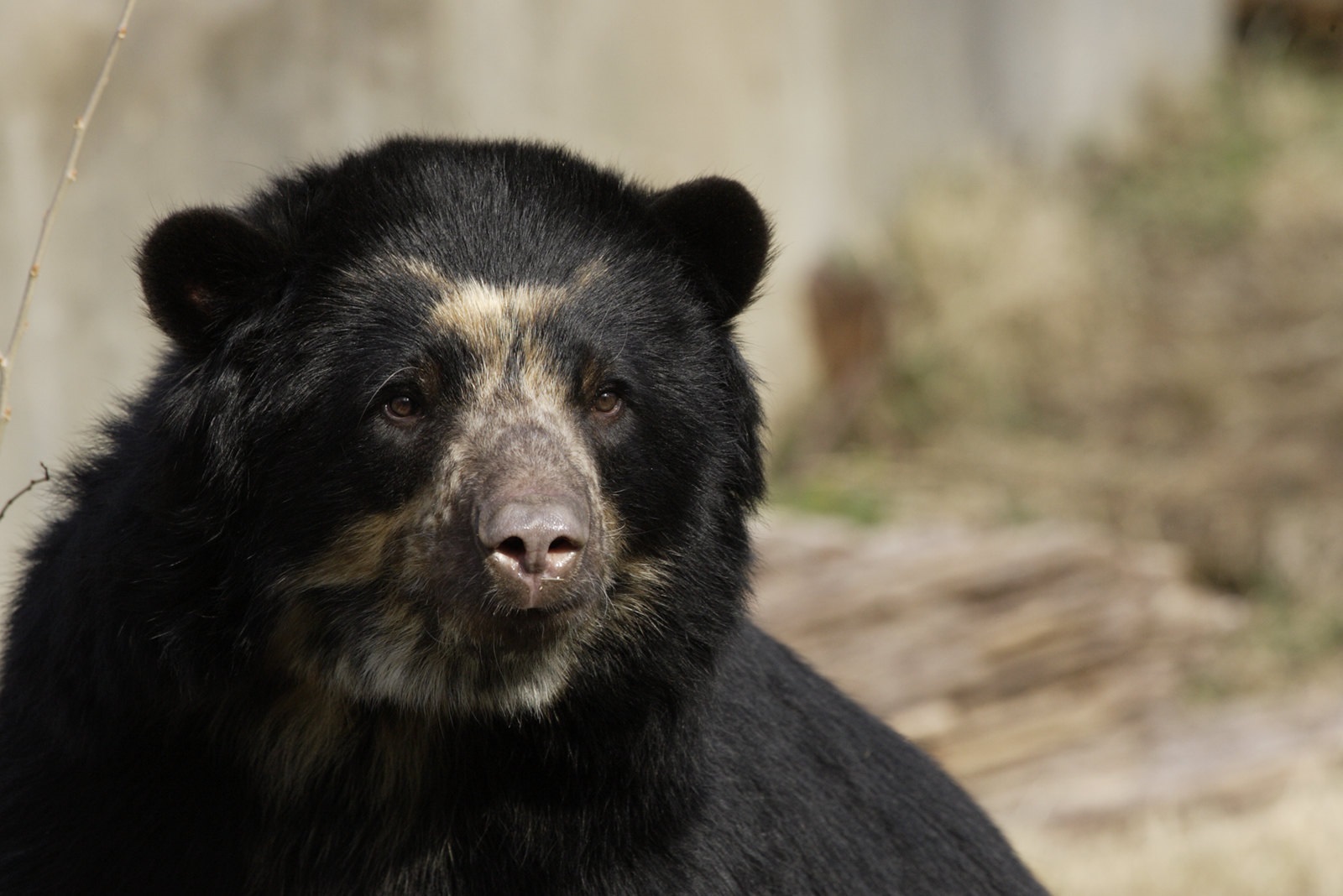
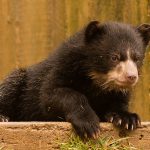
Keepers at the Smithsonian National Zoo are waiting with bated breath this Andean bear breeding season as their 14-year-old female, Billie Jean, embarks on her latest (and likely one of her last) journey to potential pregnancy.
It’s only been a few years since a potentially fatal infection in Billie Jean’s uterus left her possibly infertile, says her keeper Sara Colandrea. Staff hasn’t been sure she could reproduce again with her love match at the zoo, a 300-pound Andean bear named Quito.
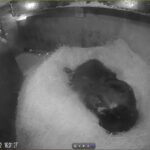
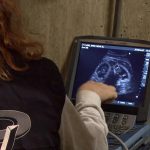
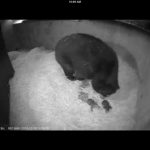
Hope swelled for the first time over the summer, when Billie Jean never went back into estrus (the state in which female bears are receptive to mating) after a few frisky romps with Quito in the spring. Her appetite changed and she started pulling hay into her den, a nesting behavior common in pregnancy, according to a release from the National Zoo. An early October ultrasound confirmed suspicions: veterinarians could clearly see two fetuses developing.
But by mid-November, hopes were dashed—a routine ultrasound revealed that the twins were suddenly gone, likely resorbed by the mother’s body. Resorption is fairly common in female bears, and can happen for any number of reasons, per Colandrea, including stress in the mother or health problems with the fetuses.
Still, Billie Jean’s pregnancy told her keepers that she was still fertile, even after her health problems. It also confirmed that Quito is in working order—the six-year-old bear had never gotten Billie Jean pregnant before. He’d been brought to the zoo from Germany specifically to breed with her, based on recommendations from the Association of Zoos and Aquariums’ Species Survival Plan.
Billie Jean is a particularly valuable female to the struggling population of Andean bears on this continent, Colandrea says. “She’s kind of the matriarch of our North American population right now,” she says.
Billie Jean was born in the U.S., where zoos have struggled to breed the species successfully. Many of the cubs born here since have been hers (with partners other than Quito). She’s a mother of five surviving Andean bears living in the U.S. and Europe, and many of the cubs being born in the U.S. now are directly related to her, Colandrea says.
After losing her last pregnancy, Billie remained indifferent to Quito for a while. But in November, she suddenly started showing some interest in him again. The two bears have visual access to each other, but they have to keep them separated via a mesh barrier because “Billie does not tolerate males,” Colandrea says. When she’s not in estrus, Billie Jean has a habit of charging at Quito and smacking him in the face with her paw through the mesh. When she’s ready to breed, however, Billie suddenly becomes very sweet, sitting placidly by the mesh and licking Quito’s face. “That’s how I know she’s ready to be put in there with him,” she says.
The two mated for about a week in November, and a few times since then, when Billie decides she’s in the mood. She in fact entered his enclosure on Friday, Colandrea says.
Not that much is known about Andean bear reproductive cycles, so Colandrea says it’s impossible to know when Billie might become pregnant. Much like pandas, Andean bears experience delayed implantation, which means the female can hold a fertilized egg in her body without gestating it for an undetermined period of time. Eventually, something “triggers” the bear, per Colandrea, the egg implants, and gestation begins.
“Usually Andean bears don’t give birth in the summer, so she would possibly hold onto an egg until the fall,” Colandrea says.
There’s No Paywall Here
DCist is supported by a community of members … readers just like you. So if you love the local news and stories you find here, don’t let it disappear!