Martin Austermuhle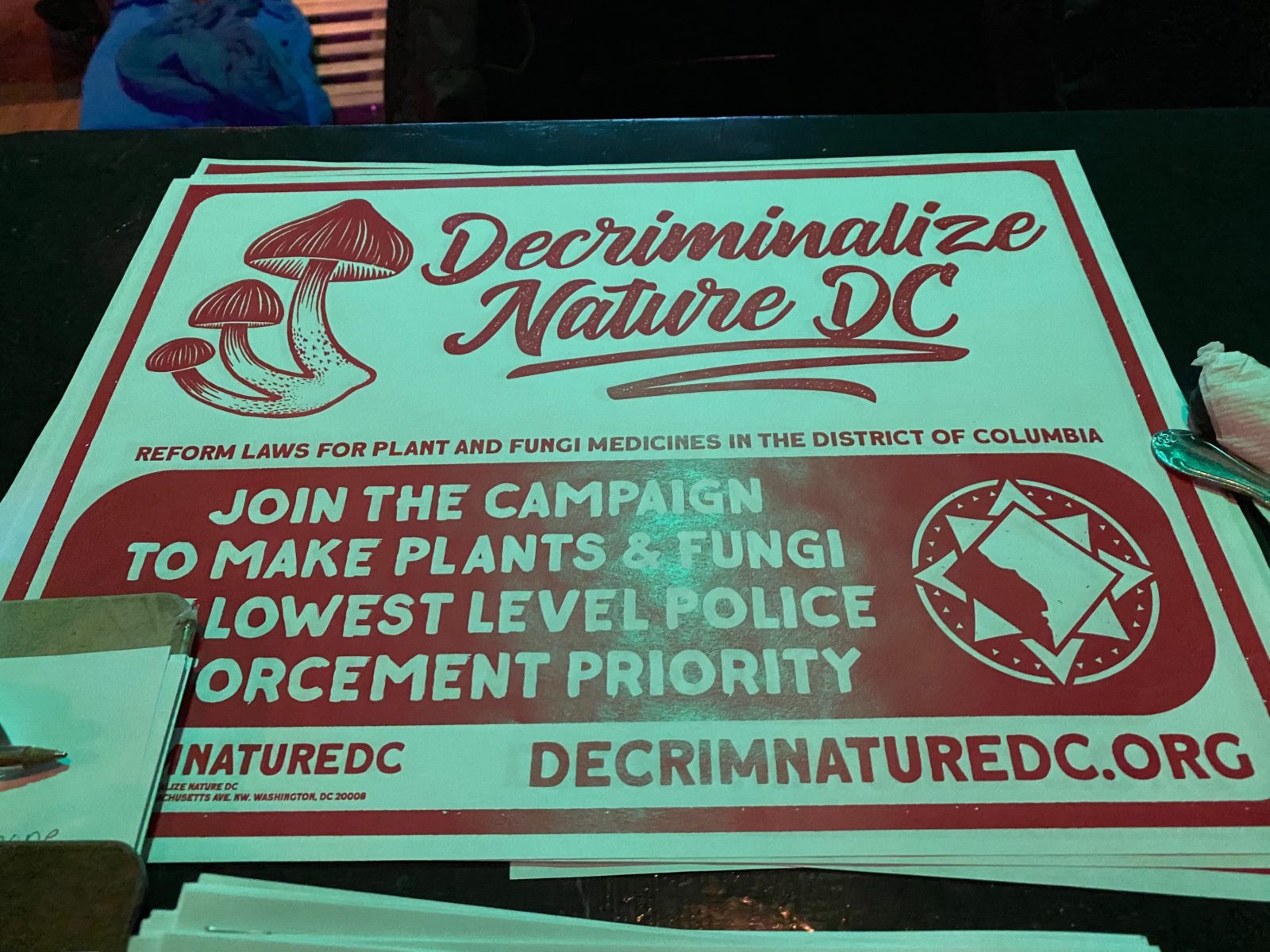
After D.C. resident Melissa Lavasani gave birth to her first child in 2014, she fell into a deep depression. She powered through it, eventually relying on her daily routine to feel normal again. But that feeling didn’t return after her second child was born in 2017; in fact, she says she felt worse, dealing with anxiety, paranoia, and even suicidal thoughts.
It was only a chance encounter with an episode of the Joe Rogan podcast that made her consider a radically different approach to the traditional anti-depressants her physicians had recommended: psilocybin, better known as psychedelic or magic mushrooms.
“It worked pretty immediately. Within a week I had no panic attacks, my suicidal thoughts were gone, the voices were gone. Everything was improving,” she says. “However, it’s a Schedule I drug and I have two little kids and I have a job and I am a professional. I lived in this constant duality that I feel so much better but I am breaking the law and I could lose everything I have. So I stopped, and I didn’t know what the path forward was.”
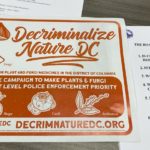
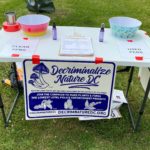
That path forward is now political. Lavasani is part of a nascent effort known as “Decriminalize Nature D.C.” to reduce penalties on the use, possession and cultivation of mushrooms and other psychedelic plants. The group, which held its inaugural meeting at an Adams Morgan pizzeria on Wednesday night (Mellow Mushroom, of course), is proposing a ballot initiative that would make pursuing and prosecuting residents for having mushrooms or other psychedelic plants the “lowest law enforcement priority for the District of Columbia.”
“It’s not going to be easy, but this is happening everywhere,” says Lavasani, 38. “This is a movement that’s going on across the country.”
That movement kicked off in earnest last year when Denver residents voted to decriminalize the possession and use of psychedelic mushrooms. Oakland followed, and now groups in 100 cities across the U.S. are pushing for similar changes. Not unlike the push to legalize marijuana for medical and recreational use, advocates say psychedelic mushrooms and plants—including cacti, Iboga and Ayahuasca—have significant medicinal value, more of which they say is entering the mainstream due to research at places like the Johns Hopkins Center for Psychedelic and Consciousness Research.
“Slowly but surely our colleagues throughout the health fields have started to recognize that these treatment models may have something very positive and very unique to offer,” said UCLA psychiatrist Charles Grob in a December interview with NPR.
Wyly Gray attended the D.C. campaign kickoff, largely because of his own experience and the work he does. Gray, 38, served in the Marines for eight years, later turning to Ayahuasca—a tea made from a vine found in South America—to help address PTSD that had left him with insomnia and suicidal thoughts.
“I found an immense amount of healing,” he says of his use of Ayahuasca, which he first tried in Peru. He’s now created Veterans of War, a non-profit to connect veterans suffering from PTSD with psychedelic options to address symptoms. “One thing it showed me was that this is an opportunity to help other people, to give them a safe and secure outlet if this is the means they want to use to attack their trauma.”
While efforts to decriminalize psychedelic mushrooms and plants are slowly gaining steam in some parts of the country, they still face a number of obstacles, the first of which is educating the public. Lavasani says she became intimately aware of this challenge with her own mother, who hails from Iran.
“I discussed my therapy with my mom, and her response was, ‘Well, [psychedelics are] illegal, so they’re not good,” she says. “It’s going to be a hardcore education campaign of, ‘This is going to heal what ails you and this is not something you need to be afraid of.’ It’s going to be a lot of hearts and minds campaign.”
It’s also going to have to jump over a hurdle, not of D.C.’s making: the current Congressional prohibition on the city easing any laws on possessing, using or selling Schedule I drugs, which includes marijuana and many psychedelics. Members of the Decriminalize Nature D.C. campaign—which also helped legalize marijuana possession and cultivation in D.C. in 2014—say the ballot initiative they are proposing is worded conservatively, only asking the Metropolitan Police Department to make enforcement of drug laws against psychedelics the “lowest law enforcement” priority.
It will be up to the D.C. Board of Elections to decide next month if the language violates the Congressional ban. If so, it could lead to litigation or spell an early end to the ballot initiative. If it allows the initiative to proceed, the campaign will have to collect more than 25,000 signatures from D.C. voters over a six-month period to get on the ballot.
Lavasani says the campaign isn’t hanging all its hopes on the ballot initiative, and knows that plenty of work lays ahead. “We’re doing the ballot initiative hand in hand with the legislative route,” she says. “It’s an uphill battle and we’re aware of it.”
This story originally appeared on WAMU.