Natalie Delgadillo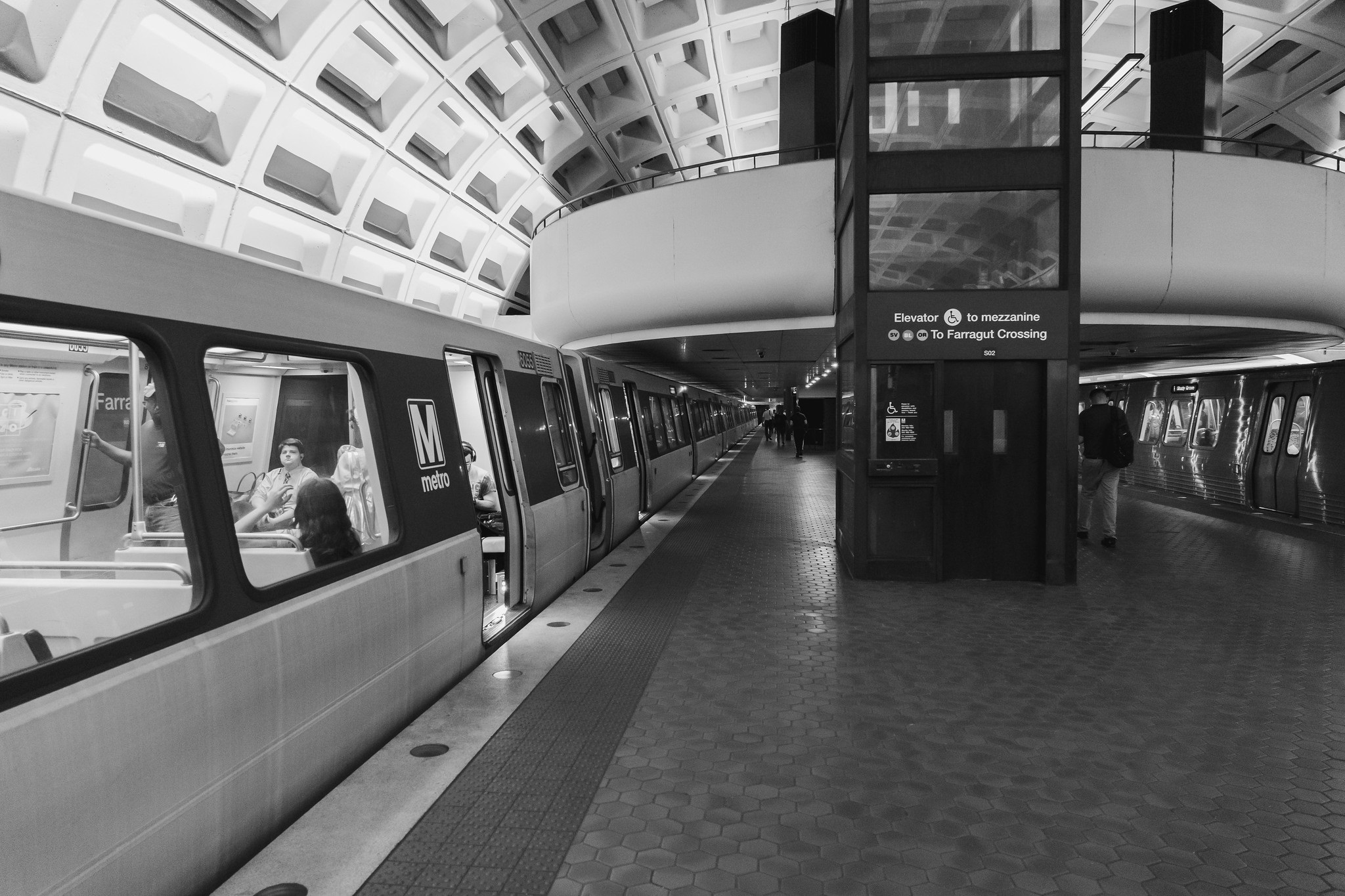
After a decade of steady ridership decline and service problems, including waning reliability and a fatal smoke accident in 2015, there appears to be some reason for optimism at Metro.
The transit agency announced Wednesday that it logged a four percent uptick in trips during the 2019 calendar year—the first ridership increase in nearly ten years.
Riders took 182 million total rail trips on the system last year, up from 175 million in 2018, according to Metro.
Those increases were seen on every day of the week. Weekday ridership grew by 3.3 percent, averaging 626,000 trips a day. Put another way, riders took roughly 20,000 extra trips each weekday, WMATA notes. The proportional growth was even higher on the weekend, with Metro seeing a 9.4 percent increase in ridership on Saturdays (to an average of 264,000 trips) and 6.5 percent on Sundays (averaging 168,000 trips).
The growth in ridership is all the more encouraging considering that it came in the midst of a long-term track work project. Six stations to the south of National Airport were closed for the length of the summer on the Blue and Yellow lines for a major overhaul of the platforms. The federal government shutdown in January also suppressed ridership numbers by about 100,000 per day, Metro says.
Rail ridership on the system peaked in 2008, when there were nearly 752,000 rides each weekday on average, per Metro. But the system saw a decade-long slump as the system struggled to provide reliable service amid a host of deferred maintenance issues.
Just last March, the agency released a ridership report showing that weekday ridership in the latter half of 2018 had reached a nearly 20-year low. That means fewer people were riding Metro during that time than in the year 2000, when there both were fewer people in the region overall and fewer stations.
In 2016, newly instated general manager Paul Wiedefeld instituted a maintenance and repair program called “Safe Track,” which cut down on late night hours, instituted round-the-clock single tracking on some lines, and closed groups of stations for months at a time to complete major track work. The goal was to complete three years of maintenance work in just one. Ridership, predictably, plummeted. Even with the gains in 2019, Metro still hasn’t recovered to pre-Safe Track numbers.
While Safe Track technically ended in the summer of 2017, the agency has continued to curtail its hours and perform major maintenance projects that require station shutdowns (with particularly major work planned for the summers).
But Metro has also instituted service improvements, which it credits for the recent bump. In last year’s budget, for example, the Yellow Line was extended to Greenbelt and all Red Line trains were extended to Glenmont (before, some trains turned back around at Silver Spring, three stops short of the end of the line).
Looking ahead, Wiedefeld proposed a budget in November that would largely restore late-night hours. And Metro says that riders will soon be able to pay fares using a smartphone.
Meanwhile, Metrobus numbers didn’t share the rosy rail picture: the number of bus riders declined by 3.5 percent last year, WMATA said.
There’s No Paywall Here
DCist is supported by a community of members … readers just like you. So if you love the local news and stories you find here, don’t let it disappear!