Natalie Delgadillo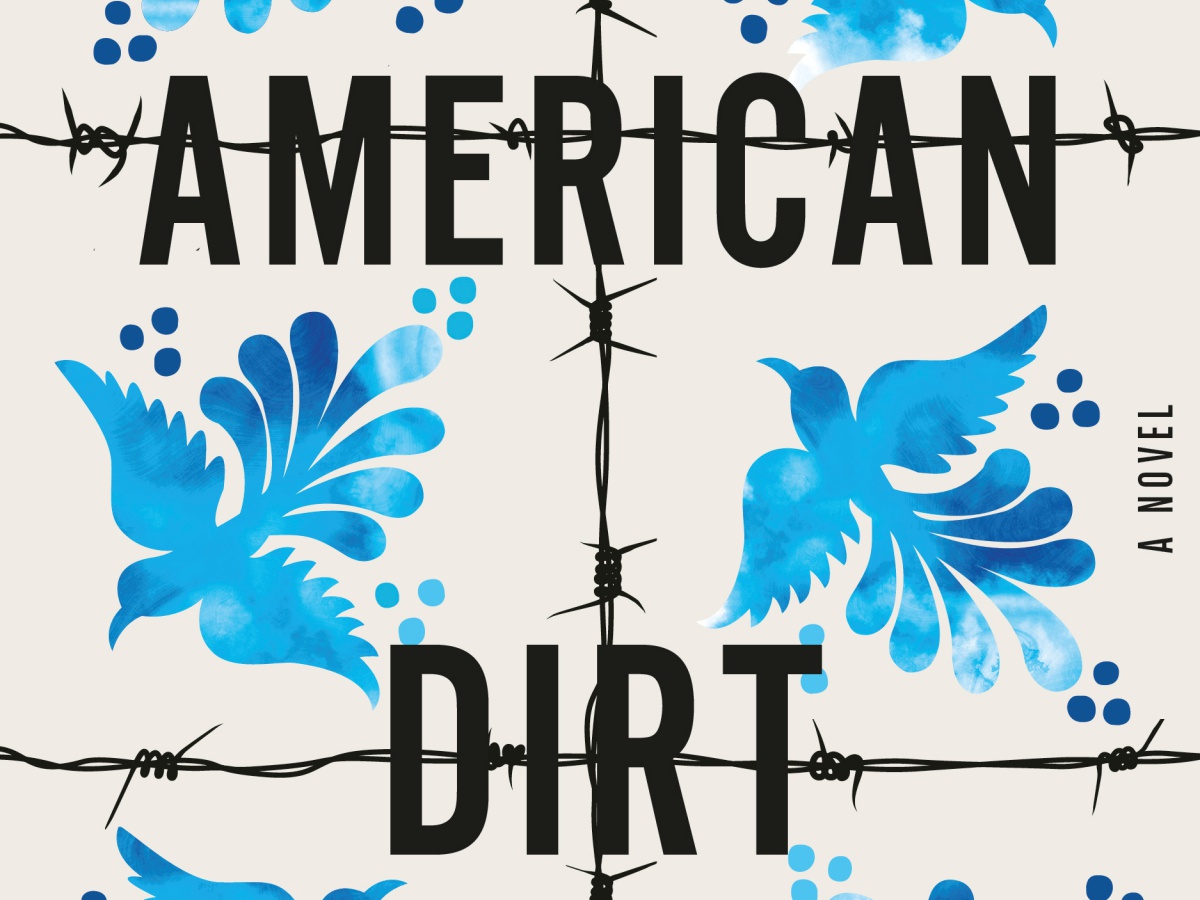
Natasha Tynes, a local author who generated widespread internet outrage last year after Twitter-shaming a Metro employee for eating breakfast on the train, stepped back into the fray on Wednesday, firing off several tweets in defense of another author facing backlash online.
“Authors should never be in the business of canceling other authors,” she wrote in a tweeted reply to famous essayist and author Roxane Gay. “No one is perfect and no book is perfect. This ‘cancel’ culture should stop.”
“First of all, aren’t you the woman who narc’ed on a black woman eating on a train?” Gay wrote in response to Tynes. “Secondly, criticism is not cancellation.”
Right about now some of you may be asking: what is this about, and why might it matter to people who don’t spend a majority of their waking hours online? There are a lot of parts to this story, my friends, so buckle up.
Tynes is a Jordanian-American novelist who lost her book deal amid controversy over one of her tweets. On the morning of May 10, 2019, Tynes tweeted out criticism, and a photo, of a black woman in a Metro uniform eating breakfast on a train. “When you’re on your morning commute and see @wmata employee in UNIFORM eating on the train. I thought we were not allowed to eat on the train. This is unacceptable,” Tynes tweeted. “Hope @wmata responds. When I asked the employee about this, her response was ‘worry about yourself.’”
She faced swift backlash for her apparent attempts to get the Metro employee disciplined. “Just mind your own business and leave Black people alone,” went one such response. As the backlash reached its fever pitch, Tynes lost her book deal. She later sued her publisher for breach of contract.
Among the people to respond to Tynes’ tweet about the Metro employee was Roxane Gay, who said: “We all complain on social media but you … don’t identify the person you’re complaining about, in a photo no less, and try to get them fired. What on earth? For eating on the train?”
Those comments last year prompted Tynes to respond to Gay’s recent take on the latest controversy gripping the publishing the world. Many Latinx writers and reviewers have been angered by the novel American Dirt, by Jeanine Cummins, which has been released to feverish praise from (largely white) reviewers and accusations from some (largely nonwhite and Latinx) people of being out of touch, stereotypical, inaccurate, or offensive.
American Dirt is the story of a Mexican mother and son who make a perilous journey north to the United States after their entire family is killed by a drug cartel. It has been lavished with good reviews from big names—Don Winslow called it “A Grapes of Wrath for our times,” and just this week Oprah Winfrey chose it for her book club. Cummins, who has identified herself as a white woman but has also laid claim to Puerto Rican heritage through a grandmother, writes in the afterword of the book that she wanted to give a voice to the “faceless brown mass” at the border, though she did “wish that someone slightly browner than me would write it.” Cummins received a seven-figure advance for the book, and it already has a movie deal.
Mexican-American and other nonwhite writers have been making noise about the book’s problems for weeks now. Among their issues with it: the Spanish in the novel is stilted and not remotely idiomatic or recognizably Mexican; the main character appears unaware of some basic realities regarding cartel violence that anyone in Mexico would understand; and there are consistent clunky descriptions of the several gradients of the characters’ brown skin.
For her part, Tynes has been excited about the novel—she tweeted to that effect on January 15, celebrating that the author also hails from Maryland (Cummins grew up in Gaithersburg and went to Towson). As criticism of the book has piled on, Tynes has jumped to its defense. “There is a lot of discussion happening around the novel #americandirt. As an #ownvoices author myself, I don’t mind reading books written about my culture by non-Arab authors as long as they are accurate,” she tweeted Wednesday. “I’ve already ordered the book & will read it. I’m against canceling books.”
She said that Gay “was among the authors who publicly shamed me,” and called for a larger conversation around internet mobs and cancellation, which she said almost ruined her life last year.
In her last tweet to Gay, Tynes again defended her actions last May: “I’m disappointed to see that you are continuing with the public shaming. And FYI, the woman was an employee in uniform breaking a rule ( I still can’t eat on the train),” she wrote. “This is exactly how you rile up a crowd. It’s useless to argue with you. Have a nice day.”
Tynes did not respond to a request for comment from DCist.
Gay argued that she wasn’t shaming her. “I am pointing out your terrible perspective and how you are trying to insert yourself into a narrative that had nothing to do with you, and has nothing to do with cancellation, when you could have just sat there and said nothing,” the author said in response. “Like on the train.”
Previously:
After A D.C. Author Snitched On A Metro Employee For Eating On The Train, Her Publisher Is Canceling Her Book
D.C. Author Sues After Losing A Book Deal For Publicly Shaming A Metro Employee
There’s No Paywall Here
DCist is supported by a community of members … readers just like you. So if you love the local news and stories you find here, don’t let it disappear!