 Jenny Gathright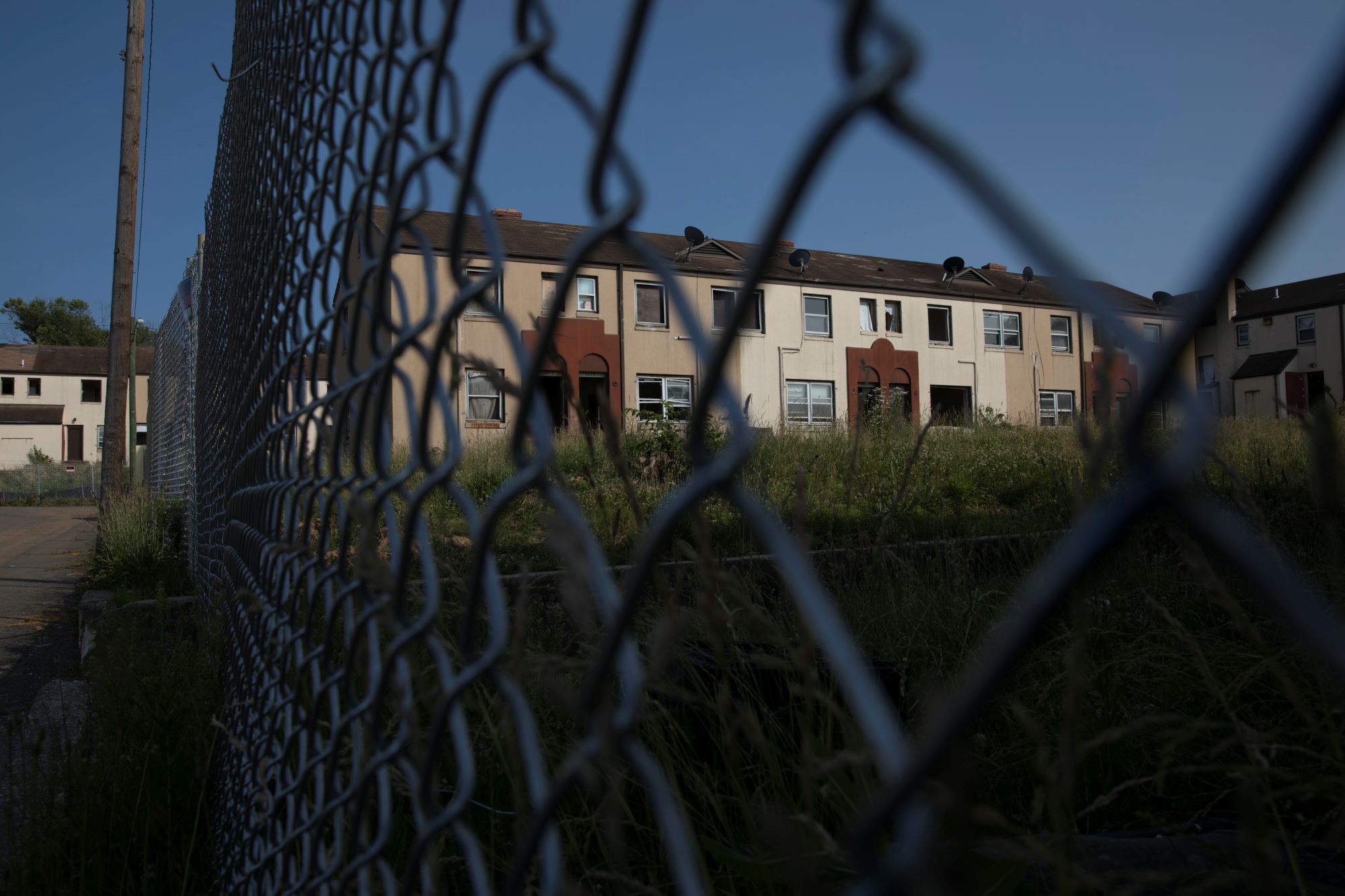
Former residents of the Barry Farm housing complex in Southeast have been pushing for months to get a historic designation, which they say will allow them to preserve some of their community’s history — and perhaps exercise some control over the plans for its redevelopment.
Now, the D.C. Historic Preservation Review Board has voted to designate a portion of the site a historic landmark. According to Washington Business Journal, the vote was unanimous.
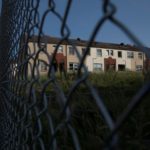
But former Barry Farm residents consider it just a partial victory: Washington Business Journal reports that the historic landmark designation includes an area along Stevens Road Southeast that encompasses five buildings. The residents had originally pushed for a designation to cover 32 buildings.
A memo by the Historic Preservation Review Board says that at an October meeting, “the Board expressed its intent to recognize Barry Farm as a historic landmark but also voiced the desire that such designation allow the proposed redevelopment of the site to move forward expeditiously.” That could explain why the board voted to designate some, but not all, of the site as historic.
Barry Farm has been slated for redevelopment for years; many residents have been displaced from the property and given housing vouchers to live elsewhere until new mixed-income housing is built at the site. But the process has been tied up in litigation. In 2018, the D.C. Court of Appeals sent the redevelopment plans back to the Zoning Commission. The city was proposing a mixed-income development with about 100 fewer affordable units than the original Barry Farm had.
“We’ve shown again that an organized group of people can win something, even if it wasn’t what we ultimately wanted,” said Daniel del Pielago, an organizer with Empower D.C. who works with former Barry Farm tenants.
According to the Housing Preservation Review Board’s memo, “a portion of the landmark should house a museum and cultural center to commemorate and extend the memory and legacy of Barry Farm.”
Residents have been asking for historic designation to ensure that the property’s history will be preserved. After the Civil War, a group of formerly enslaved and free-born African Americans founded a community at Barry Farm.
Detrice Belt, the president of the Barry Farm Tenants and Allies Association, announced the application for historic preservation in April. At the time, she explained that to her, the look of the Barry Farm housing complex was important to preserve.
“These design elements nurtured the community that produced Emily Edmonson, Frederick Douglass Jr., The Junk Yard Band and many others,” said Belt. “We want to protect and continue that legacy in Ward 8 — at the original footprint.”
In an emailed statement on Thursday, a D.C. Housing Authority spokesperson applauded the board’s decision for the partial historic designation of the site.
“We share the [Housing Preservation Review Board’s] desire to create a new beginning for Barry Farm while preserving the history of the past,” said the statement. “Today’s decision will help expedite the return of residents to their community and Barry Farm neighborhood and help us move this plan forward.”
The D.C. Housing Authority had previously opposed a historic designation for the full site; In July, the agency’s former senior deputy director of Capital Programs Kerry Smyser requested that the Historic Preservation Board deny BFTAA’s application. Smyser said the Housing Authority would be open to other methods for preserving the history of the site, including oral histories, public art and photography.
The nonprofit Preservation of Affordable Housing, which is part of the development team working with the D.C. Housing Authority to redevelop Barry Farm, says the historic designation could limit their options on the site.
Anthony Waddell, POAH’s vice president for real estate development in D.C., told Washington Business Journal that the historic designation might lead them to scrap an entire apartment building — about 200 housing units — from the plans.