Ally Schweitzer
It’s getting harder to be considered wealthy in the District of Columbia. In 2019, the percentage of D.C. residents reporting at least $100,001 in personal income hit an all-time high.
At least that appears to be the case, going by an audit of the city’s finances published last week by the Office of the Chief Financial Officer. The document shows almost a quarter (24.73 percent) of personal income tax filers last year reported six-figure-plus incomes — 11 percentage points higher than a decade ago and possibly the highest in D.C.’s history, according to a spokesperson for the agency.
“There is no way to say [it’s the largest share of high-income residents] in the District’s history without going through all the [audits] ever issued,” CFO spokesperson David Umansky writes in an email to WAMU. “However, we will not say you are wrong.”
As the percentage of high-income residents has grown in D.C., the share of lower-income residents has shrunk. In 2010, tax filers who reported incomes of $50,000 and lower accounted for almost 66 percent of all filers in the city. In 2019, they made up less than half of the same group.

Those 87,759 high-income tax filers contributed more than $1.6 billion in tax revenues last year, the audit shows, accounting for more than 80 percent of the District’s income tax revenue.
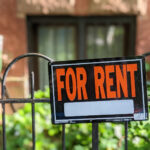
But while the revenue bump is good news for D.C.’s coffers, the influx of high earners is making it harder for lower-earning families to find homes, according to the D.C. Policy Center.
“A significant pressure on the District’s housing market is the fierce competition for larger units from affluent singles and couples,” says a 2018 report from the think tank. “The District has many more larger units than families who could live in them; however, affluent singles and couples occupy many of these.”
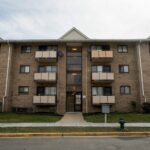
Most new housing in the District targets smaller households with high incomes. Sixty percent of housing units constructed in D.C. between 2009 and 2019 were one-bedroom apartments, according to the Washington D.C. Economic Partnership, and the vast majority of new units are luxury, or “Class A.”
The average rent of those “Class A” apartments was nearly $2,500 in the second quarter of 2019. That’s considered affordable for renters who earn at least $8,400 per month.
The District was named the country’s most gentrified city in a 2019 report from the National Community Reinvestment Coalition.
This story first appeared on WAMU.