Debbie Truong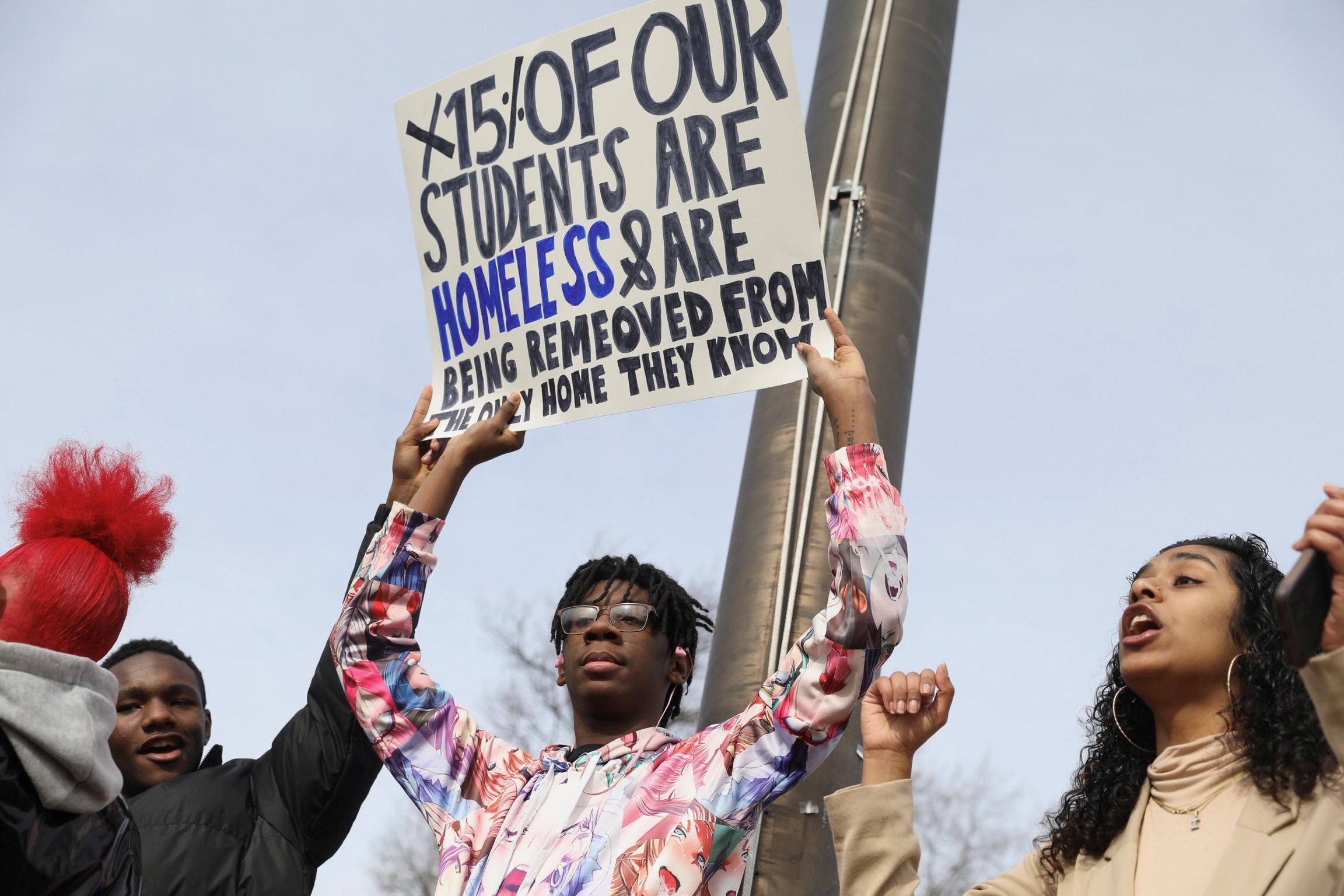
An effort to spare an alternative public middle and high school in D.C. from closing failed Tuesday, after a proposal to keep the school open did not generate enough support to pass the D.C. Council.
The push to keep Washington Metropolitan Opportunity Campus open through the end of the 2020-2021 school year was narrowly defeated during a council meeting, upholding a decision by D.C. Public Schools Chancellor Lewis D. Ferebee to close the school.
Seven of 12 council members voted in favor of keeping the campus open. The effort needed eight votes to pass.
Ferebee said he would not allow the alternative school in Ward 1 to continue operating because of poor attendance, declining enrollment and lagging achievement. School system officials say students at Washington Metropolitan do not perform as well as their peers at other alternative campuses, which educate students who have fallen behind or faced other challenges at traditional schools.
But some students say they feel they are more supported at Washington Metropolitan than at other campuses in the city. Robert C. White Jr., an at-large council member who introduced the proposal to keep the school open, said the city has deprived Washington Metropolitan of resources.
“Washington Met has no librarian, no art teacher, no sports team, no extracurricular activities,” White said in an interview. “There has been a deliberate disinvestment by the city … that could have only resulted in the outcomes we’re seeing now.”
It will be the first D.C. public schools campus to close since 2013.
The school has an attendance rate of about 40 percent, according to school system officials. Just 10 percent of students at the school are meeting expectations on state assessments in English, and none of the school’s students are meeting expectations in math.
Ferebee said the city school system would work with students individually to determine where they would attend school next year. The school system has also extended the deadline for Washington Metropolitan students to submit applications for the school lottery, which allows families to vie for spots in the city’s traditional public schools and charter schools.
Mayor Muriel Bowser has approved the closure. She defended the decision in a letter to council members distributed before Tuesday’s vote.
Bowser said school system officials spoke with more than 200 people in the community to determine that Washington Metropolitan “is not able to serve its students in a way that best positions them for future success.”
“I will continue to fight for the District’s students and am confident that this closure is in the best interest of students and families and will yield positive results,” Bowser said.
Several council members said they were not convinced the school system has a clear plan to transition the students to other campuses.
“If we don’t have something real and offering success over a longer term, we’re going to lose these students,” said Mary Cheh, the council member who represents Ward 3. “I don’t see how we can live with that.”
David Grosso, an at-large member who leads the council’s education committee, decided against keeping the school open. He said Washington Metropolitan is not meeting students’ needs.
“The adults did not do right by these students time and time again,” Grosso said.
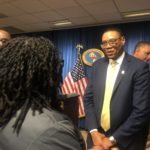
Six Washington Metropolitan students attended Tuesday’s meeting, lobbying council members who they believed were undecided about the decision. The students said they took an unexcused absence to attend the meeting because school officials did not allow them to attend the proceedings as a field trip.
Na’Asia Hawkins, an 18-year-old student at Washington Metropolitan, said she feels school system officials have not taken the concerns raised by students at her school as seriously as they have issues broached by teenagers at other schools.
“It’s like we’re at the bottom of the barrel,” she said.
Students have fought the school closure — with help from the Washington Teachers’ Union — since Ferebee announced the proposal in late November.
The teenagers delivered a petition to Bowser and council members. They pleaded their case in public hearings and during a rally on the campus of Howard University, which sits near Washington Metropolitan.
“We’re actual people with actual goals in life,” said Dulane McGill, a 16-year-old student. “Wash Met is the place we have found where we can succeed.”
The students also delivered meals to people living in a homeless encampment under a D.C. overpass, drawing connections to their own feelings of displacement after the city cleared the encampment.
The effort gained traction with the D.C. State Board of Education last month, which urged Ferebee to back down on the closure until more details are given about what will happen to students at the school if it shutters.
“Decades of research from closures across the country have shown that the short-term impacts on students of closed schools are negative, that low-income students and students of color face greater adverse effects from closures,” the letter said.
Previously:
An Alternative School That Educates Some Of D.C.’s ‘Most Vulnerable’ Students Will Close
This story originally appeared on WAMU.