Elliot C. Williams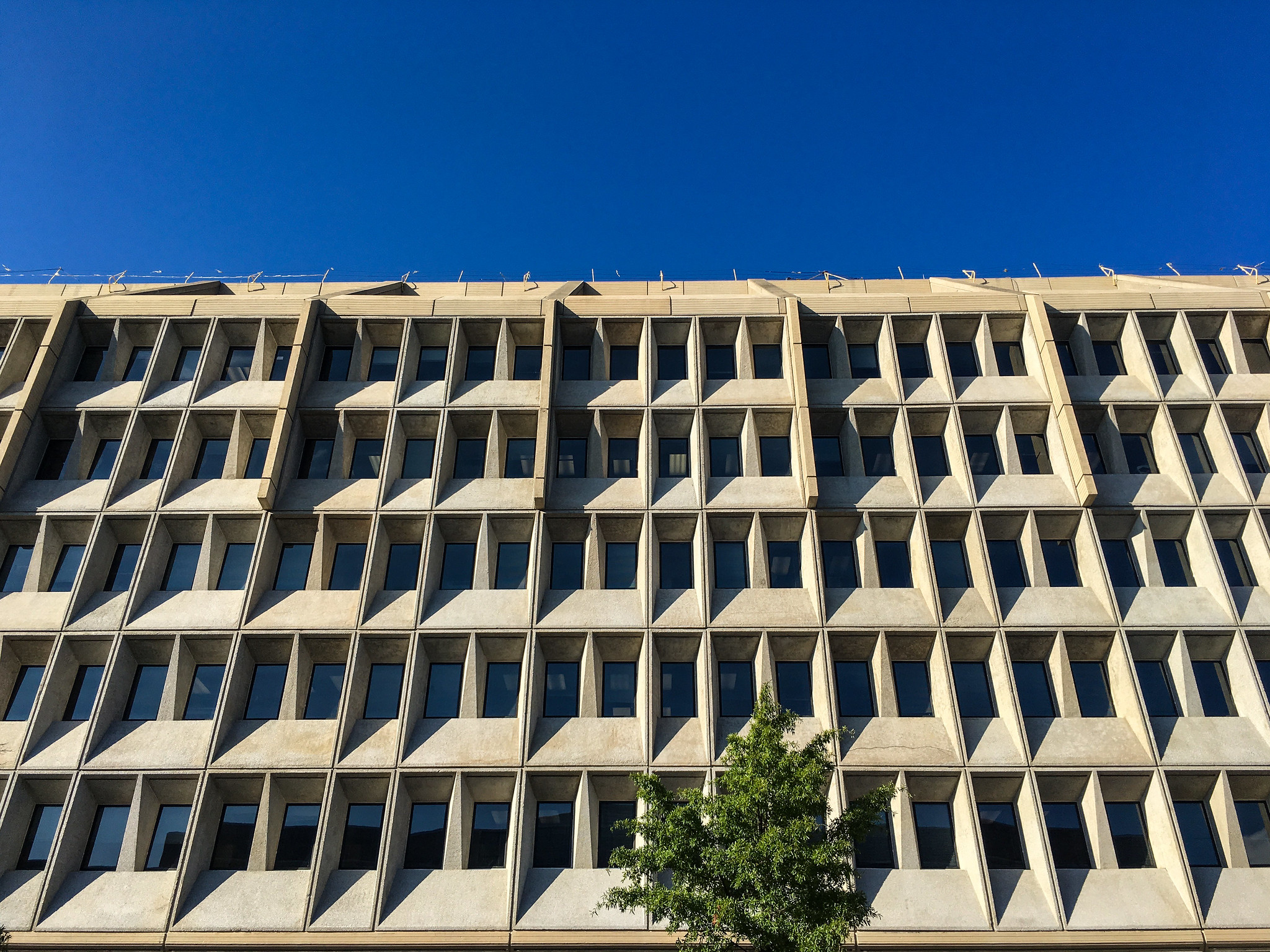
The Trump administration is reportedly considering an executive order that would toss out the current “Guiding Principles for Federal Architecture” and mandate that new federal buildings adhere to a classical style.
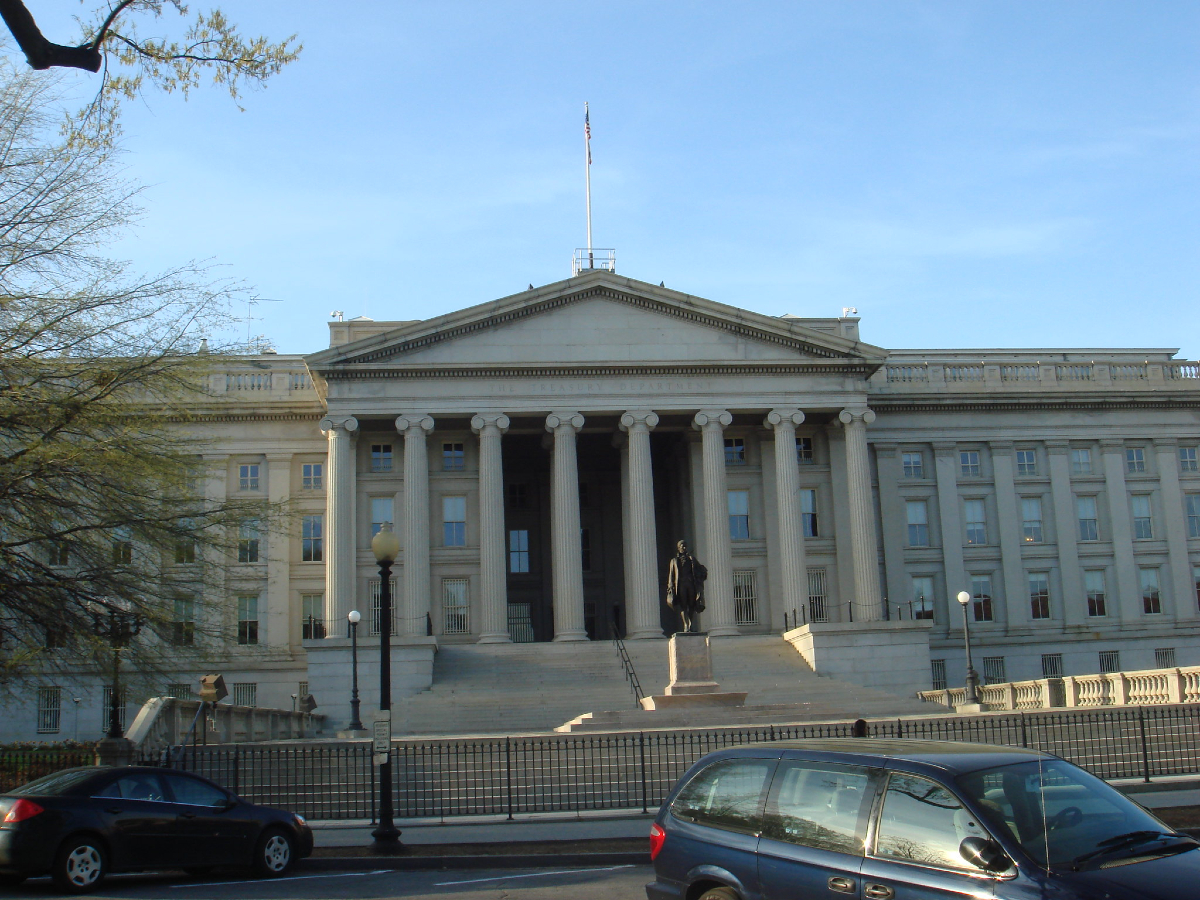
A draft executive order called “Making Federal Buildings Beautiful Again” (yes, really) would require future U.S. government buildings in D.C. to be designed classically, as a default: Think the Treasury Building, the White House, or—as the draft order is said to suggest—the structures of “democratic Athens” and “republican Rome” beloved by the Founding Fathers.
The document, first obtained by Architectural Record, echoes the views of the National Civic Art Society, a nonprofit that considers modern architecture a failure and whose president sits on the U.S. Commission of Fine Arts as an appointee of President Donald Trump. “The public finds it ugly, strange, and off-putting,” the organization’s website says of contemporary architecture. “It has created a built environment that is degraded and dehumanizing.”
The group criticizes the Brutalist style seen throughout the capital, as well as Deconstructivist designs like the U.S. Federal Building in San Francisco. Similarly, the draft order says modern federal buildings have “ranged from the undistinguished to designs the public widely considered uninspiring and inconsistent with their surroundings.”
The order applies specifically to projects overseen by the General Services Administration—Smithsonian museums aren’t included—and would create a president-appointed committee for the “re-beautification of federal architecture” to review proposed building designs.
Already this week, some architects have slammed the draft order for potentially limiting creative designs, while others say it’s a direct threat to democracy. For example, the American Institute of Architects issued a statement opposing uniform style rules.
“Architecture should be designed for the specific communities that it serves, reflecting our rich nation’s diverse places, thought, culture, and climates,” the statement reads. “Architects are committed to honoring our past as well as reflecting our future progress, protecting the freedom of thought and expression that are essential to democracy.”
It’s unclear how far the draft has made it into the bureaucratic process or if Trump himself has seen it, though the order is getting closer to his desk, reports the New York Times. (The White House didn’t immediately respond to DCist’s request for comment).
Meanwhile, Marion Smith, the chairman of the National Civic Art Society, says he’s optimistic the order will be signed, adding that his group “has been banging on the GSA’s doors for years.” The leaked draft has generated “some overreactions,” he says.
“This is not an authoritarian move here, and it’s disappointing that that’s been some of the reactions so far,” Smith says in an interview. “It doesn’t really establish a rigid program for all GSA buildings. It does establish a committee to make recommendations that will bring in more stakeholders.”
The current design principles, written by the late U.S. Senator Daniel Patrick Moynihan, in 1962, promoted architecture that reflected the “dignity, enterprise, vigor, and stability” of the federal government. Still, Moynihan, who at the time was an official in John F. Kennedy’s administration, warned against designating an official style for federal buildings, even if this would lead to higher expenses.
Online commenters have expressed both support and disdain for the potential rules. “Some of these [Brutalist and Deconstructivist] buildings seem to be built solely to discomfort human beings,” wrote one Reddit user. Wrote another: “I often feel so alone in my love for Brutalism.”
As it happens, Trump appears to dislike Brutalist architecture: In 2018, he reportedly ranted about the Federal Bureau of Investigation headquarters, a Brutalist structure, calling it “one of the ugliest buildings in the city.” And according to Smith, some administration officials see the draft order as an opportunity for change. “We’ll see what happens,” he says.