Colleen Grablick
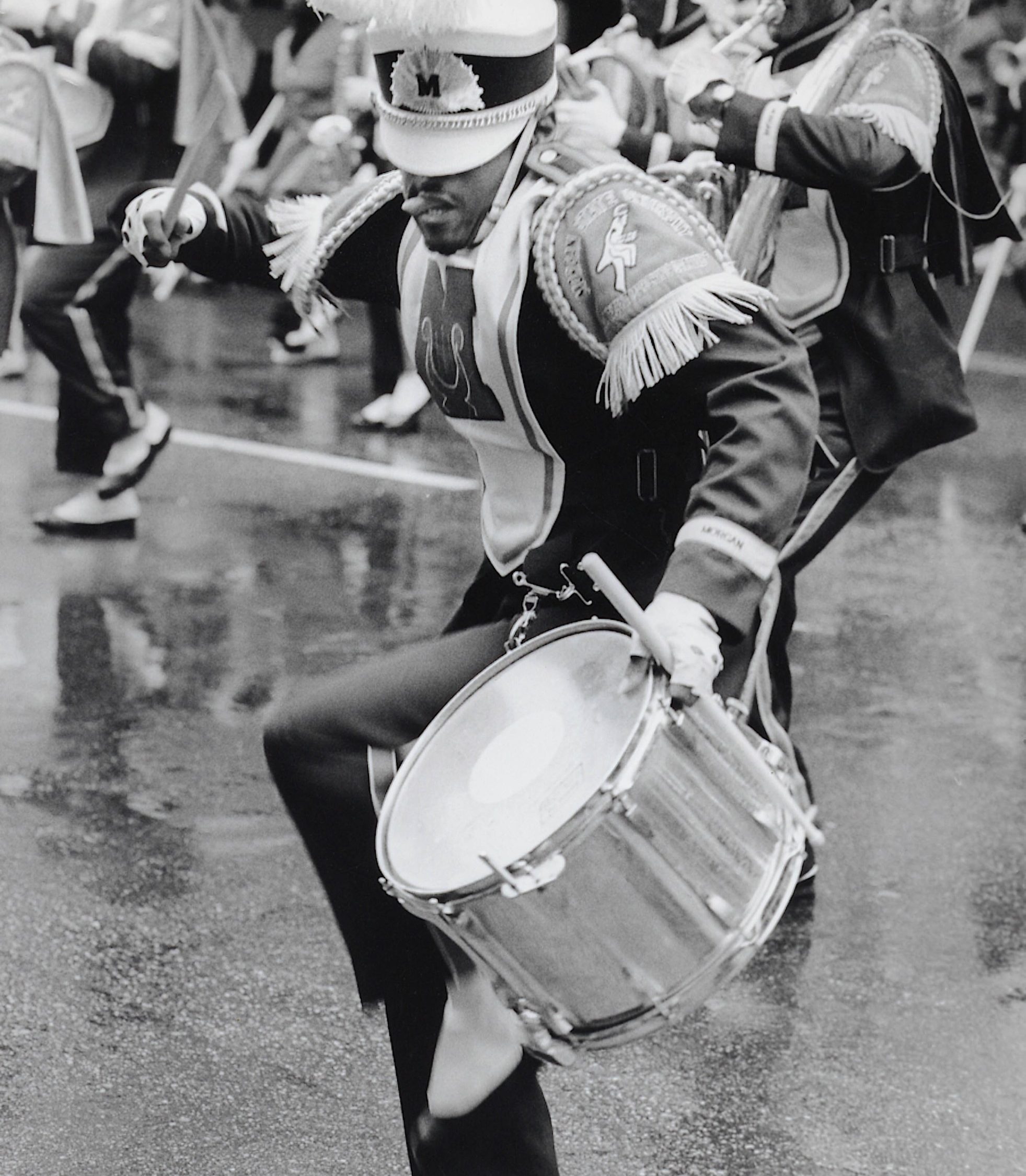
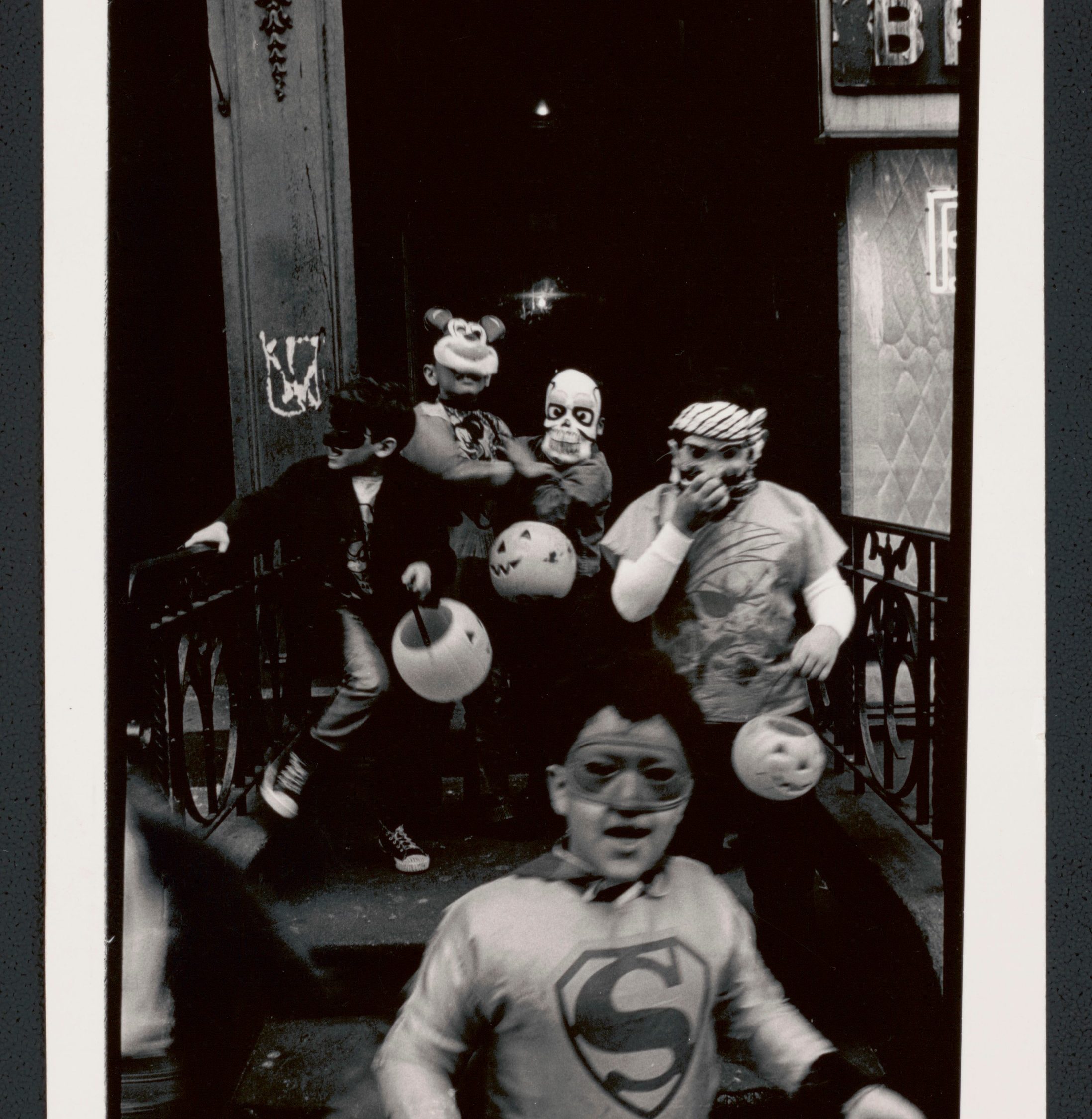
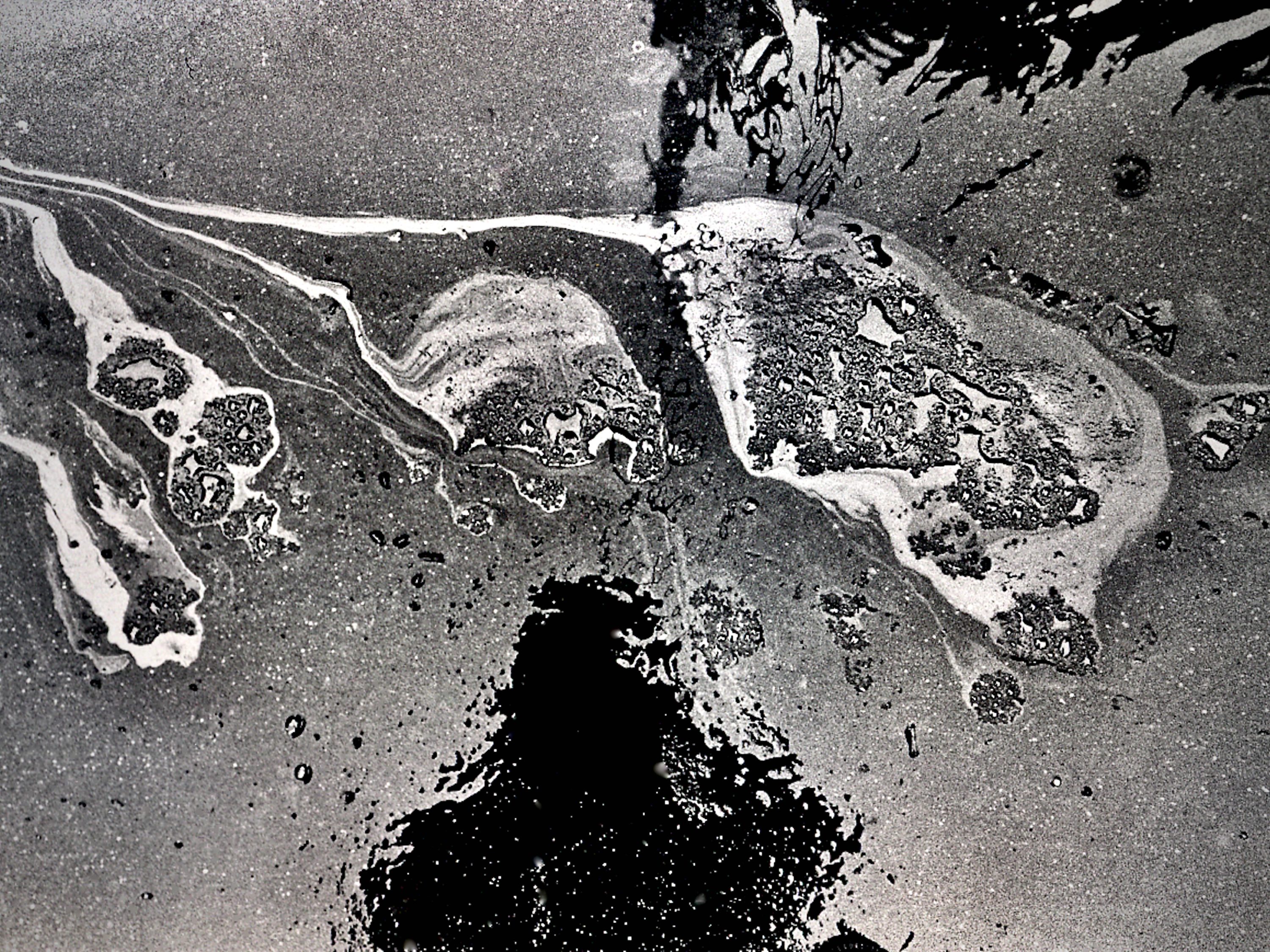
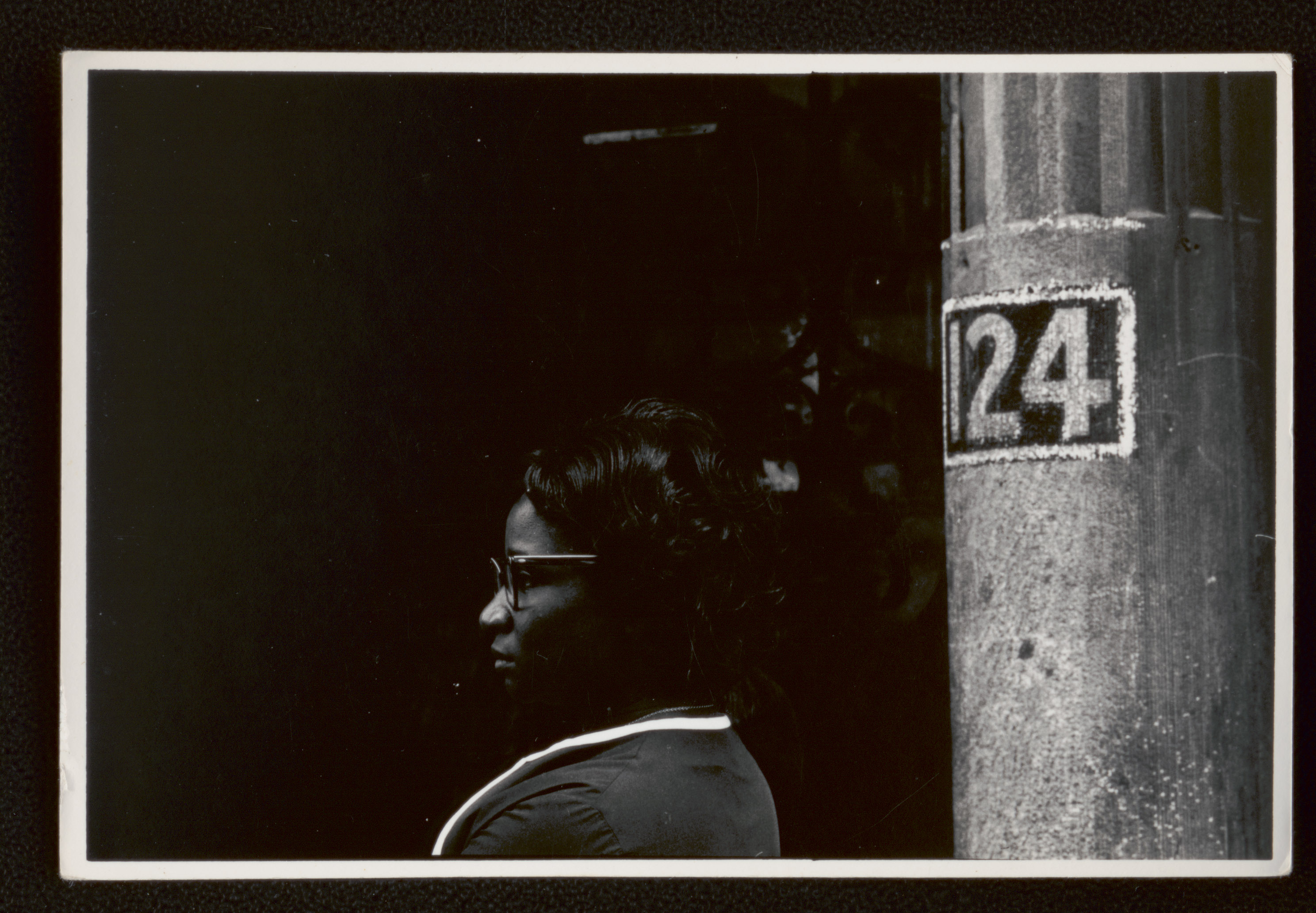

The Library of Congress acquired its first complete archive from a black photographer, now holding a collection of over 100,000 photos by Shawn Walker.
Walker’s work details life in New York City’s Harlem over the course of five decades. Library of Congress collection curator Beverly Brannon spent two days with Walker in his New York City home, looking through years and years of his photography.
“We decided that yes, this is the kind of thing the library needs,” Brannon says. “It represents daily life in Harlem, it represents people being happy, people being sad, people going about their daily lives, just a good representation of what was going on at this crossroads of African American culture in the second half of the 20th century.”
Walker, born and raised in Harlem, was a founding member of the Kamoinge Workshop, a black photographer collective that emerged in the 1960s in response to racial discrimination by mainstream publications. Together, the group worked to provide publishing and showcasing opportunities for black photographers. Along with his complete archive, Walker also donated 2,500 pieces from the Kamoinge archive to the Library, including work from photographers Anthony Barboza, Ming Smith, and Louis Draper.
A larger portion of the Kamoinge archive is currently on display at the Virginia Museum of Fine Arts until June. The exhibit, “Working Together,” is the translation of Kamoinge in the Kenyan language of Kikuyu, and will move to the Whitney Museum of American Art in July.
“It’s a group whose time has come for recognition, and we’re very pleased about it,” says Brannon.
While 100,000 pieces is not considered a large collection for the Library of Congress (for example, the library boasts a 5-million-item-collection of Look Magazine), Brannon says that the library typically only collects about a dozen photos per photographer, in order to provide a wide range and diverse collection for researchers.
But she says Walker’s archive fulfilled a gap in the libraries’ collection of work that portrayed the reality of 20th century black life. “Every once in a while there’s [a photographer] whose work stands out as being representative of something not already reflected in the library’s collections,” Brannon says.
Once fully organized, the collection will be available for research by appointment only. Brannon says the library is also in the process of digitizing some of Walker’s work.