Natalie Delgadillo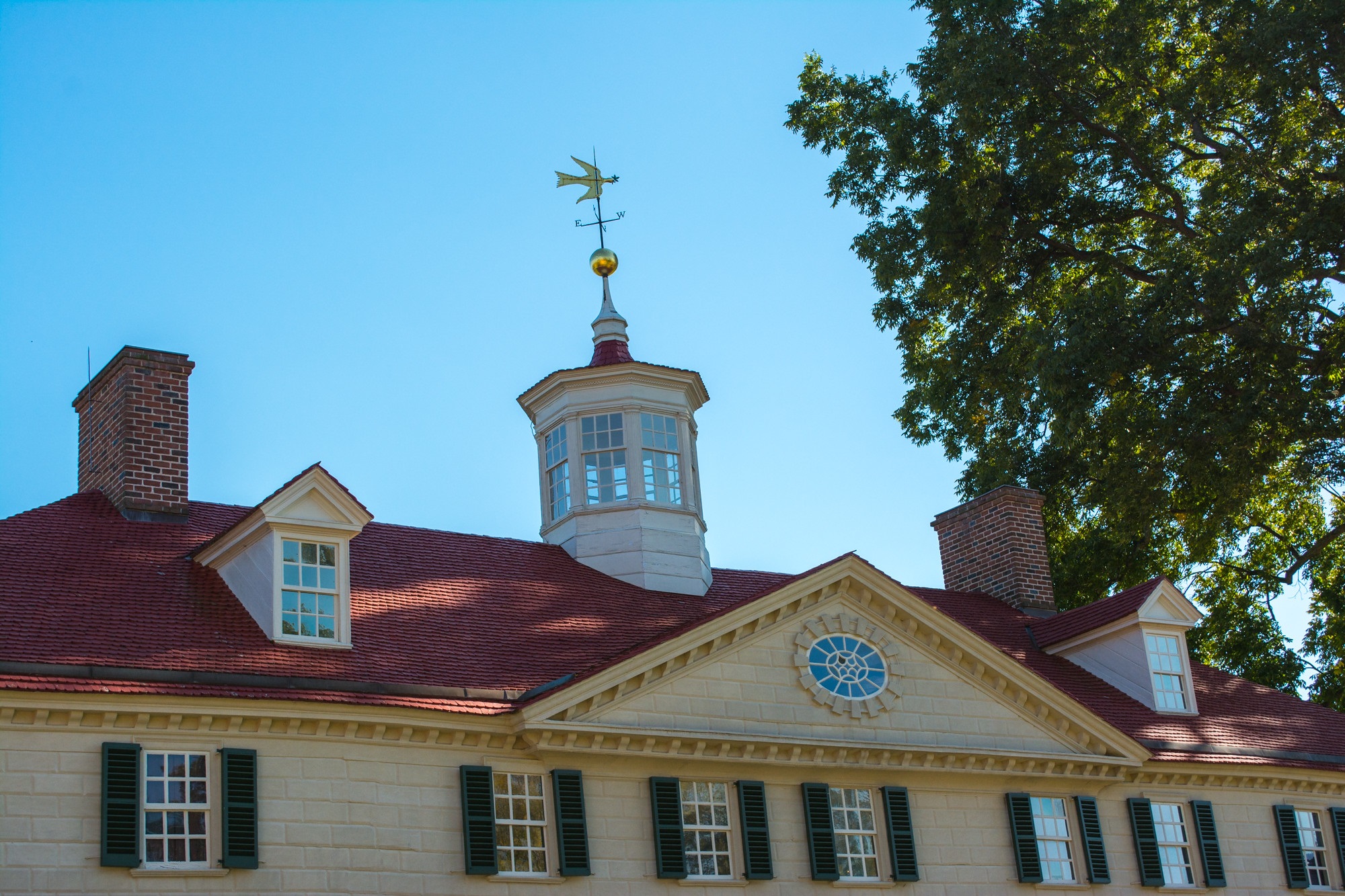
Mount Vernon, the historic Virginia estate of George and Martha Washington, has pulled a magnet made to resemble the first president’s dentures from its physical and online stores after a historian tweeted about the artifact’s connection to slavery.
Contrary to popular lore, Washington’s false teeth were not made of wood. The dentures were constructed from a medley of materials including ivory, silver alloy, copper alloy, and several human teeth taken from the mouths of enslaved people. A notation in a 1784 plantation ledger book shows that Washington paid slightly more than six pounds—a very low price at the time—for nine teeth taken from enslaved people. While it’s impossible to ascertain that those teeth are the same ones found in the pair of Washington’s dentures on display at Mount Vernon, historians have come to believe it’s likely that the dentures contain teeth belonging to enslaved people.
It was common practice in the 18th century for people to make money by selling their teeth to dentists. But, as Mount Vernon’s website notes, “while Washington paid these enslaved people for their teeth it does not mean they had a real option to refuse his request.”
Among historians, this has become common knowledge, but lay people still often don’t know the full history behind Washington’s dentures. On President’s Day this week, slavery historian and Howard University professor Ana Lucia Araujo—whose own research focuses on how slavery is remembered in museums and memorials—tweeted a link to an article about the dentures, writing “The teeth of enslaved people in the mouth of the founding father who was also a slave owner.”
The professor says she received several surprised and disgusted responses, which prompted her to post a picture she’d been thinking about since she first took it back in December, during a visit to Mount Vernon: a magnet of the dentures, sold as a souvenir in the gift shop for less than $10.
https://twitter.com/analuciaraujo_/status/1229731861485715458
Araujo again received disgusted responses, including calls for Mount Vernon to remove the magnet from its shops. The souvenir was also, at one point, available online. According to Araujo, the description affixed to the magnet packaging said the dentures were made of “ivory and human teeth,” without mentioning that those humans had been enslaved people.
“It is a reproduction of something that is physical evidence of how enslaved people provided even pieces of their bodies for the comfort of these slave owners,” Araujo tells DCist. “And it’s something that is being presented as something that is funny, or a curiosity, but totally to the detriment of people who were enslaved. At first sight it can look curious and funny, but of course it’s something that is disgusting.”
On Wednesday morning, the day after Araujo had sent the tweet, Mount Vernon replied to her publicly and said it would be removing the item from its online store.
“Mount Vernon has removed the dentures magnet from its retail shelves after determining that the item for sale does not fit into the estate’s mission,” Mount Vernon communications director Melissa Wood tells DCist in an email statement. “The item does not accurately reflect the type of retail experience the estate hopes to provide its visitors.”
In response to feedback about the availability of the magnet, Mount Vernon has created a “special retail task force” that will review all 1,600 products stocked in the Shops at Mount Vernon “to ensure that each item available for sale meets the estate’s mission of education and preservation,” Wood says.
Araujo says she was glad to see that Mount Vernon was open to feedback and pulled the magnet from its store so quickly. Over time, the estate has increasingly incorporated the history of slavery at Mount Vernon into its tours and exhibitions, Araujo says, and she feels that their quick response is another sign of progress. But the long history of erasing enslaved people and their contributions to the estate isn’t so easily overcome, she says.
“Even if you are doing all this work, there is a long history behind that place,” she says. “From time to time this true story is exposed, and the true story here is not just about slavery, but that people didn’t see any problem with showing this kind of object.”