Elliot C. Williams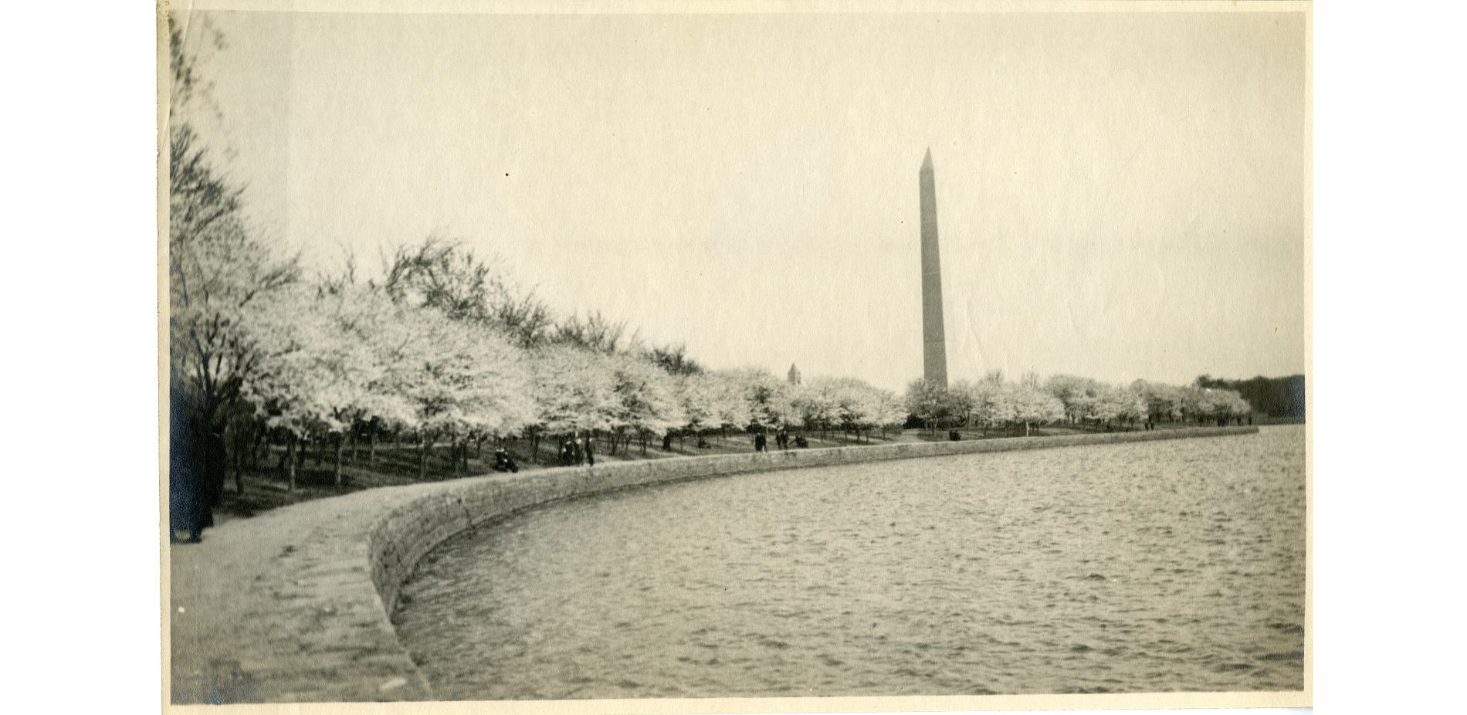
The Smithsonian became more virtually accessible last week by releasing 2.8 million images into the public domain, free for the public to download, transform, and share in any format, without permission or payment. Titled Smithsonian Open Access, anyone anywhere can utilize the images that span the institution’s 19 museums, research centers, archives, and National Zoo.
The Smithsonian plans to continue adding to the collection on a rolling basis, with the goal of having more than 3 million Open Access images by the end of the year. The new initiative adds to the Smithsonian’s greater efforts to be more accessible, with updates like special programming for children with disabilities and the integration of Aira, a smartphone app that connects visitors who are visually impaired with an agent who can guide them through the museum.
In just one week, the newly-available materials have been viewed more than 9 million times and downloaded more than 100,000 times, per the Open Access metrics tracker. Some examples of uses so far: an artist used a 3D scan of a Triceratops skeleton from the National Museum of Natural History to create sculptures, children’s books author Jon Scieszka and illustrator Steven Weinberg made a free e-book showing K–12 students how to use the collection for their own projects, and a writer for Slate uncovered the breadth of black womanhood within the archives.
A scan through the nearly 16,000 images related to keywords “Washington, D.C.” reveal some interesting local results:
D.C. Streets, Buildings, and Parks
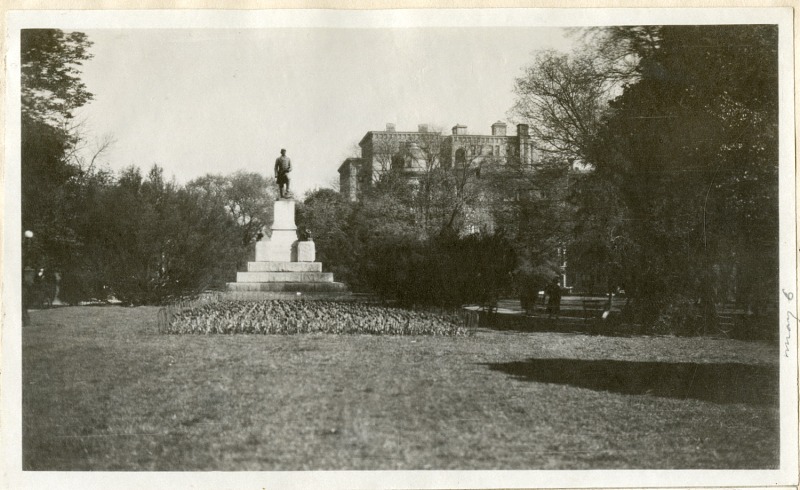
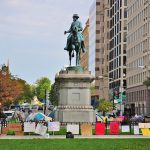
Many of the works come from Smithsonian Archives photographer Martin A. Gruber, who took photos of the city from 1919 to 1924. This one is of Farragut Square, a century ago.
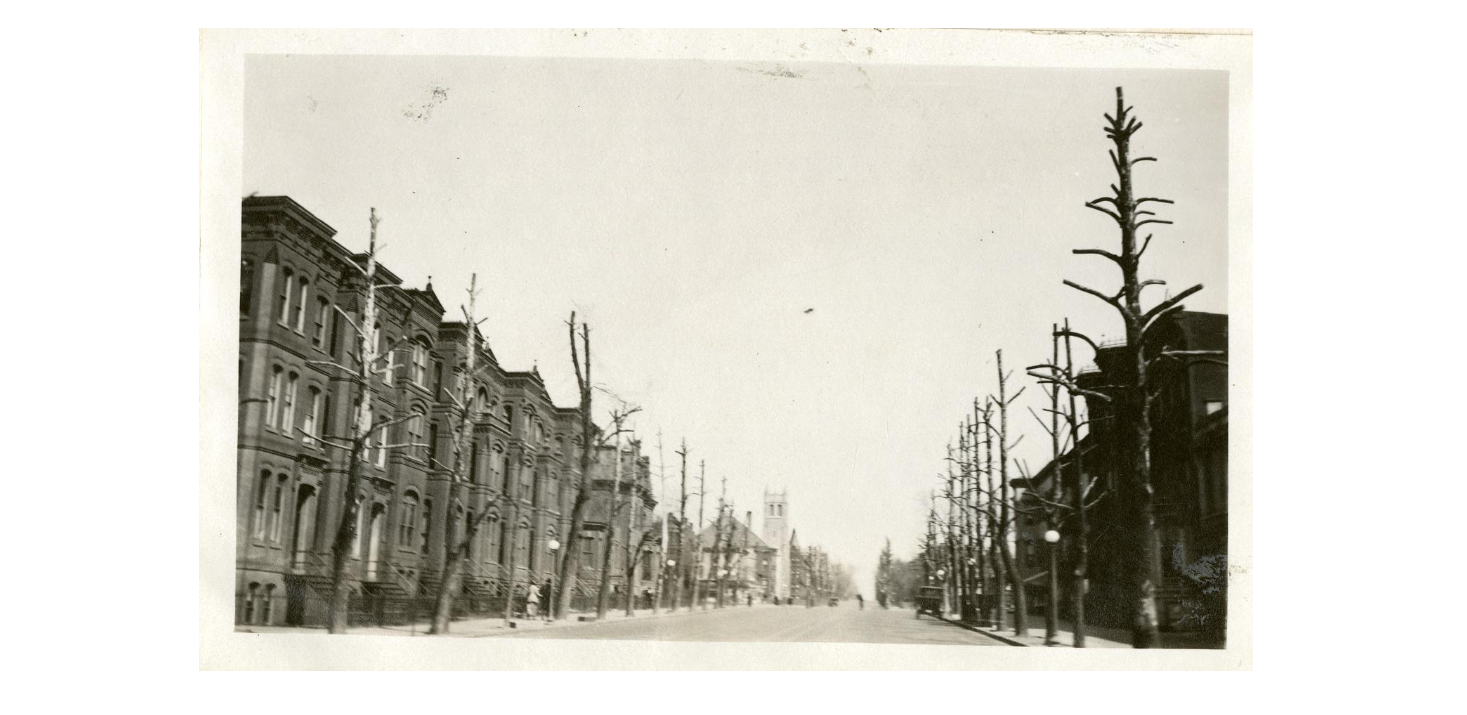
Smithsonian archivists identify this as possibly a photo looking north on 11th Street NW, with Asbury United Methodist Church in the background. “The houses in the foreground would have been razed for the construction of the Arlington Hotel (itself long gone) soon after [Martin] Gruber took this photo,” its caption reads.
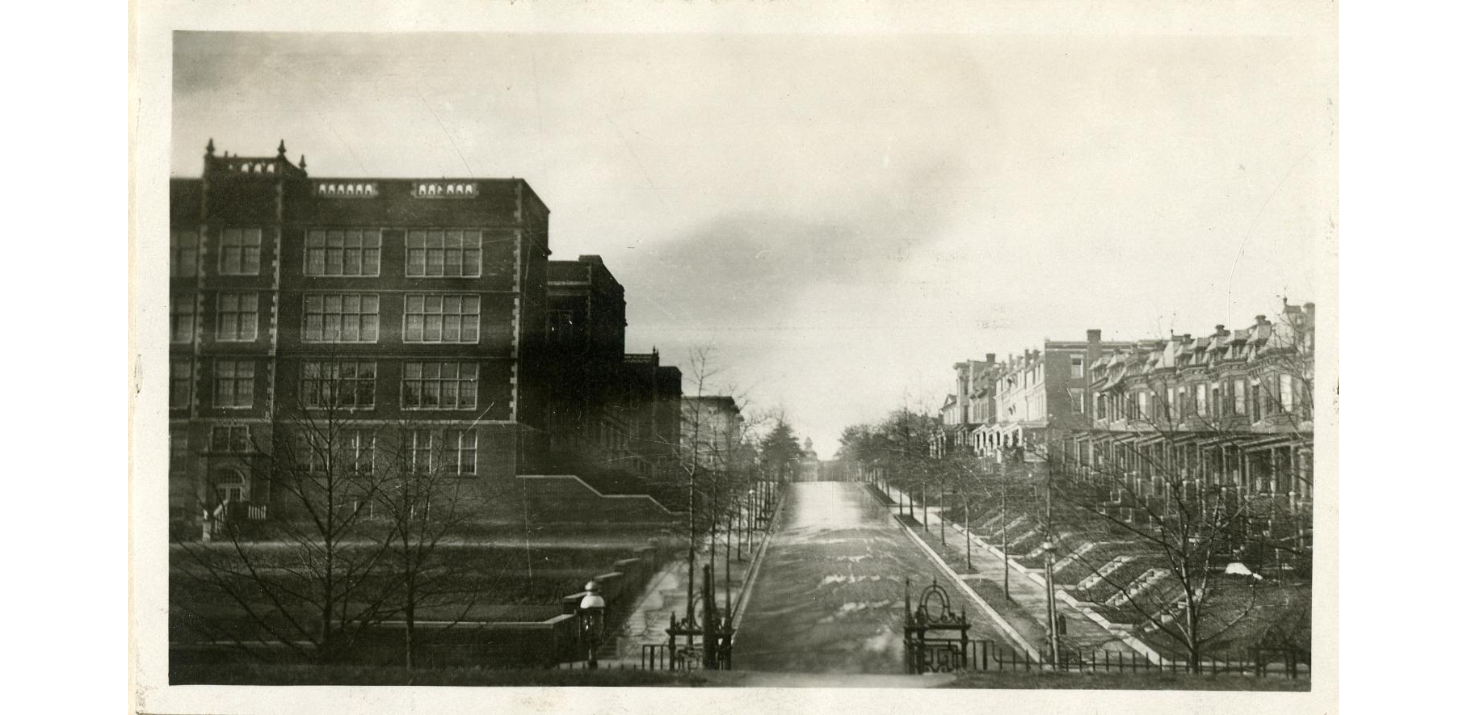
Central High School in 1919, renamed Cardozo High School in 1949.
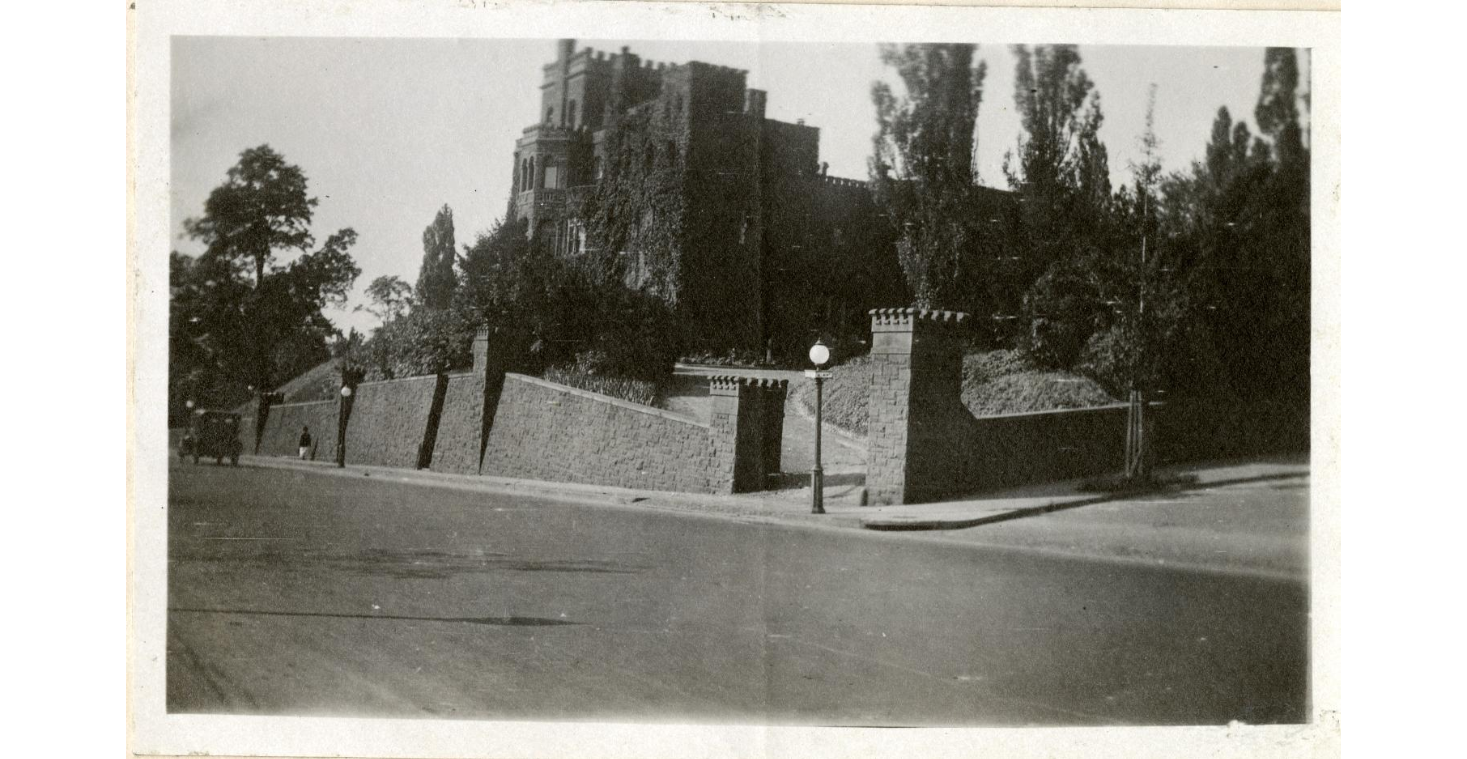
At 16th and Belmont streets NW, near Meridian Hill Park, in 1919. The building, Boundary Castle, is gone, but the brick wall remains.
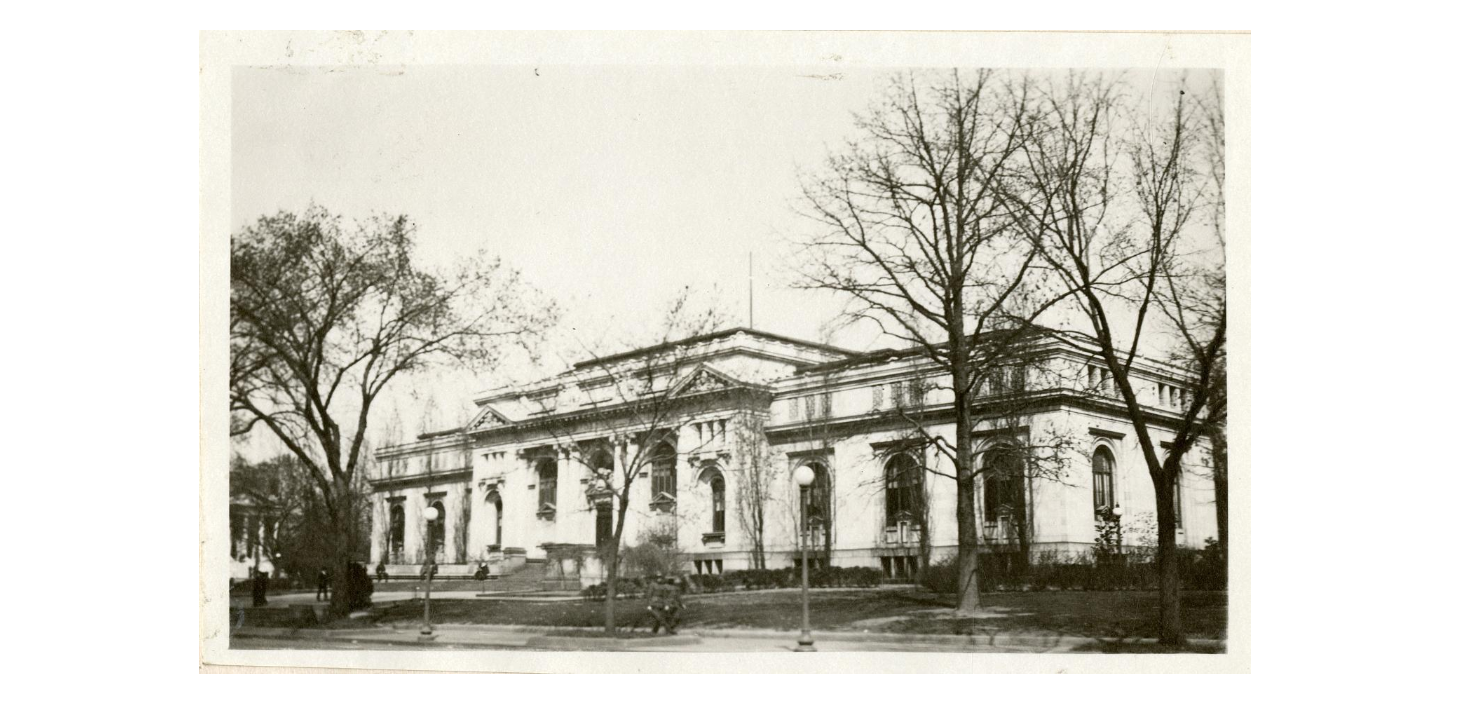
The Carnegie Library in 1909, now an Apple store and the D.C. History Center. Built in 1903, it was the city’s first public library and the first desegregated public building in D.C.
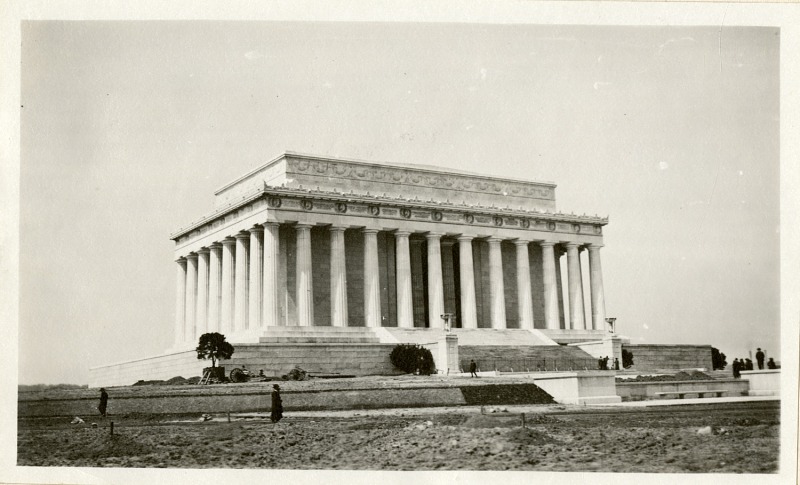
The barren grounds around the Lincoln Memorial, 1919.
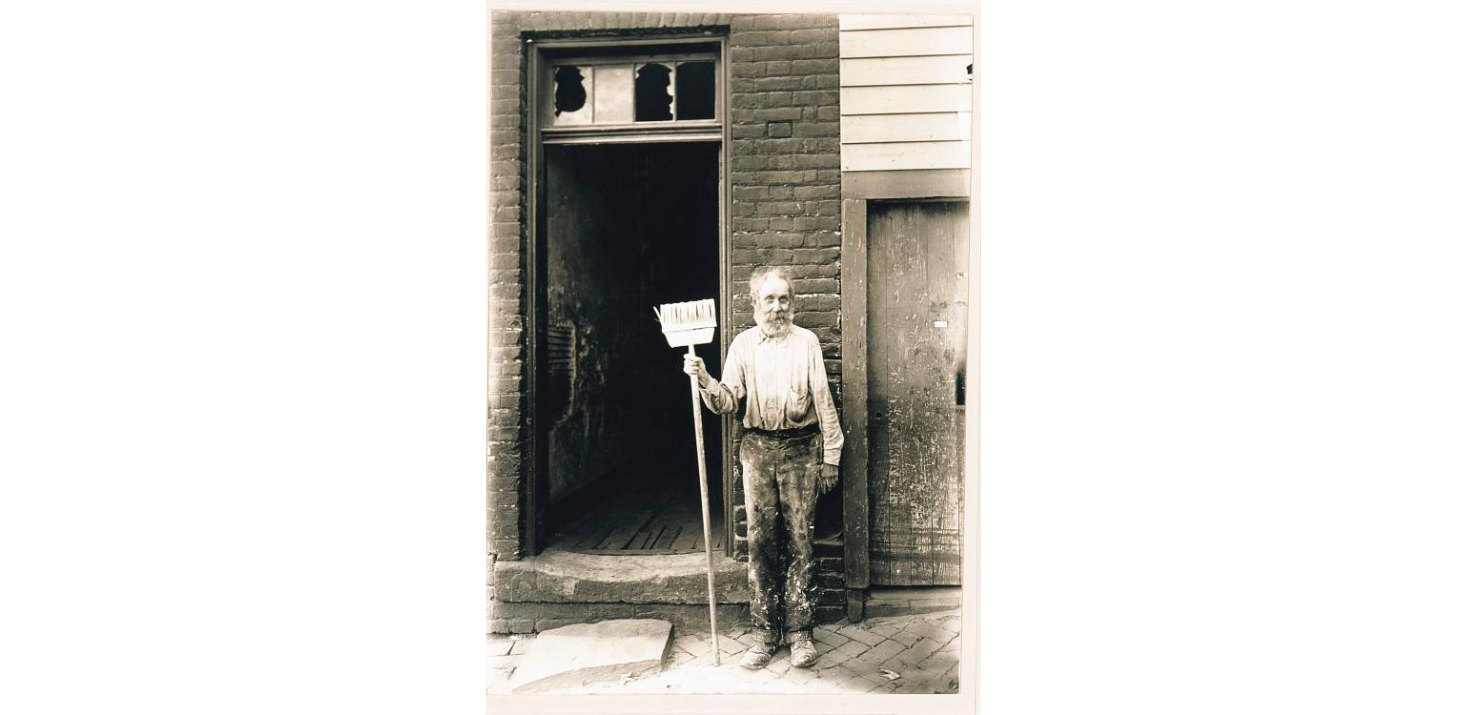
A portrait of an unidentified handyman in D.C. by Lewis W. Hine, in 1909.
D.C. Political History
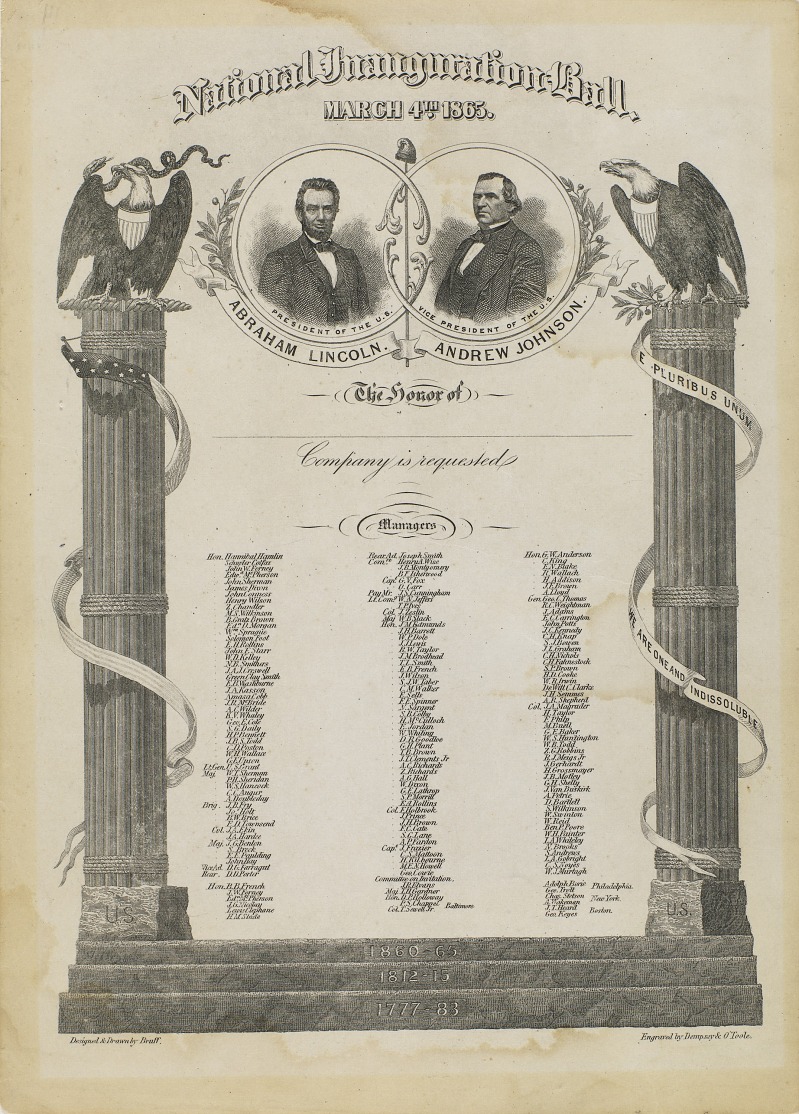
Washington artists J. Goldsborough Bruff created this print for Abraham Lincoln’s 1865 inaugural ball.
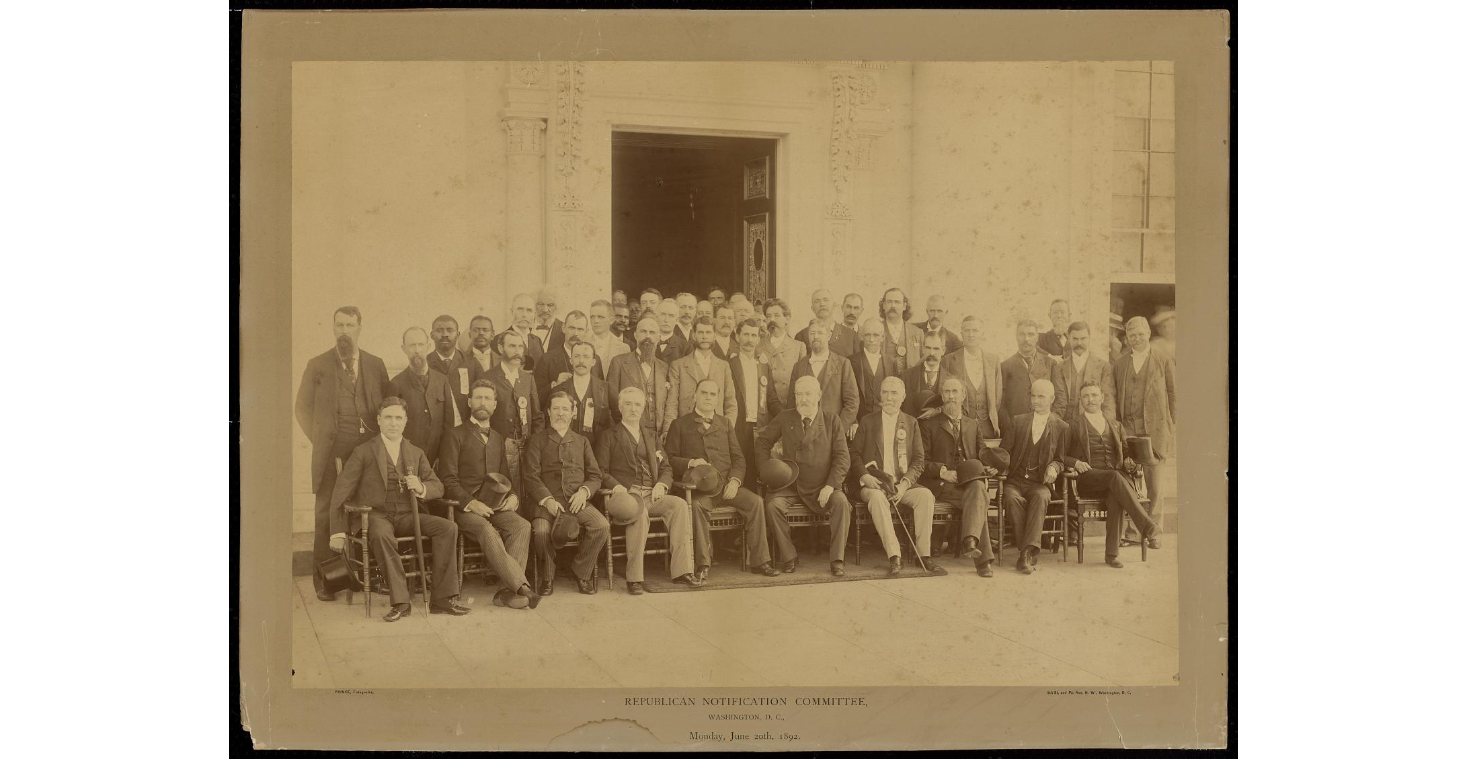
The “Republican Notification Committee” photographed at 11th and Pennsylvania Avenue NW in 1892, with canes, coats, and bowler hats. Frederick Douglass stands at the back, just left of the doorway. Also pictured are President Benjamin Harrison (fifth from the right, front row) and future president William McKinley, to the left of Harrison.
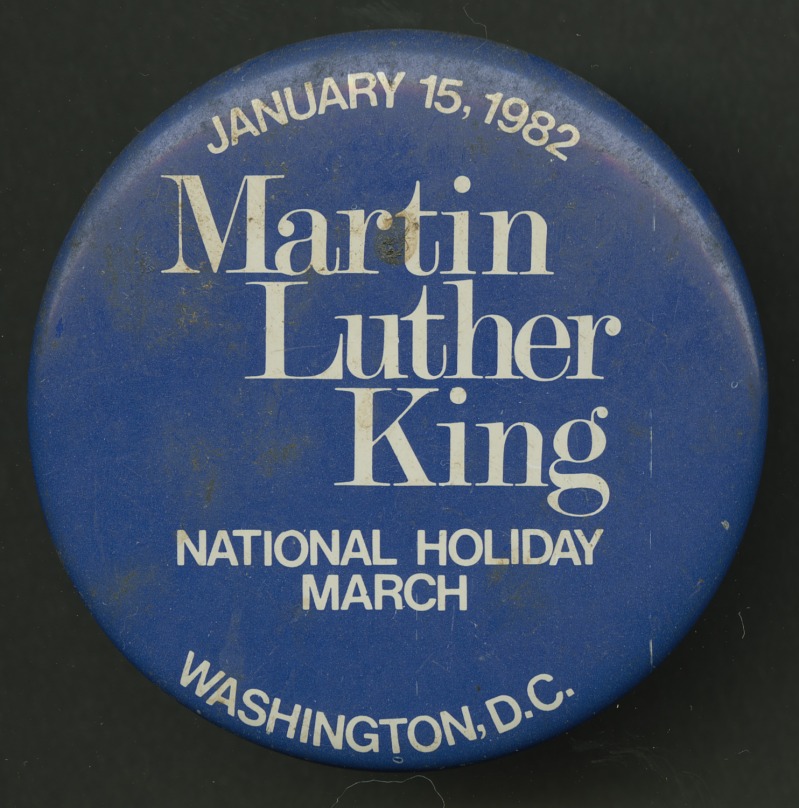
A pin, belonging to Jan Bailey, from the National Holiday March in D.C. in 1982, honoring the late Dr. Martin Luther King. His birthday would become an official federal holiday the following year.
Smithsonian History
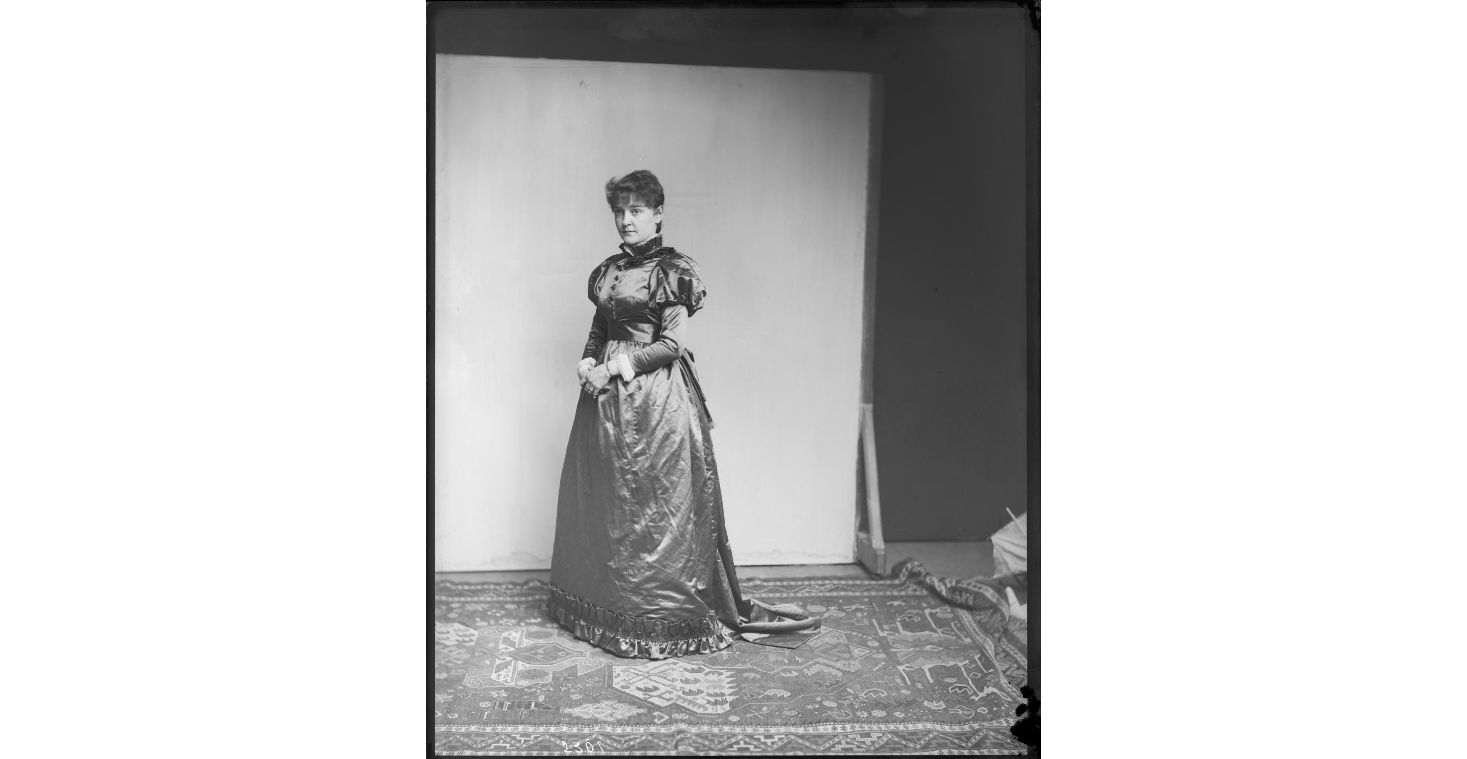
Louisa Bernie Gallaher (1858-1917), pictured here modeling a dress, was the Smithsonian’s first woman to be on staff as a photographer. She’s responsible for many of the photos in the collection of the United States National Museum, now the Smithsonian Arts and Industries Building. She started working at the institution as a clerk in 1878 at 20 years old, until her photography skills were recognized and she was transferred to the photographic department, where she worked until her death.
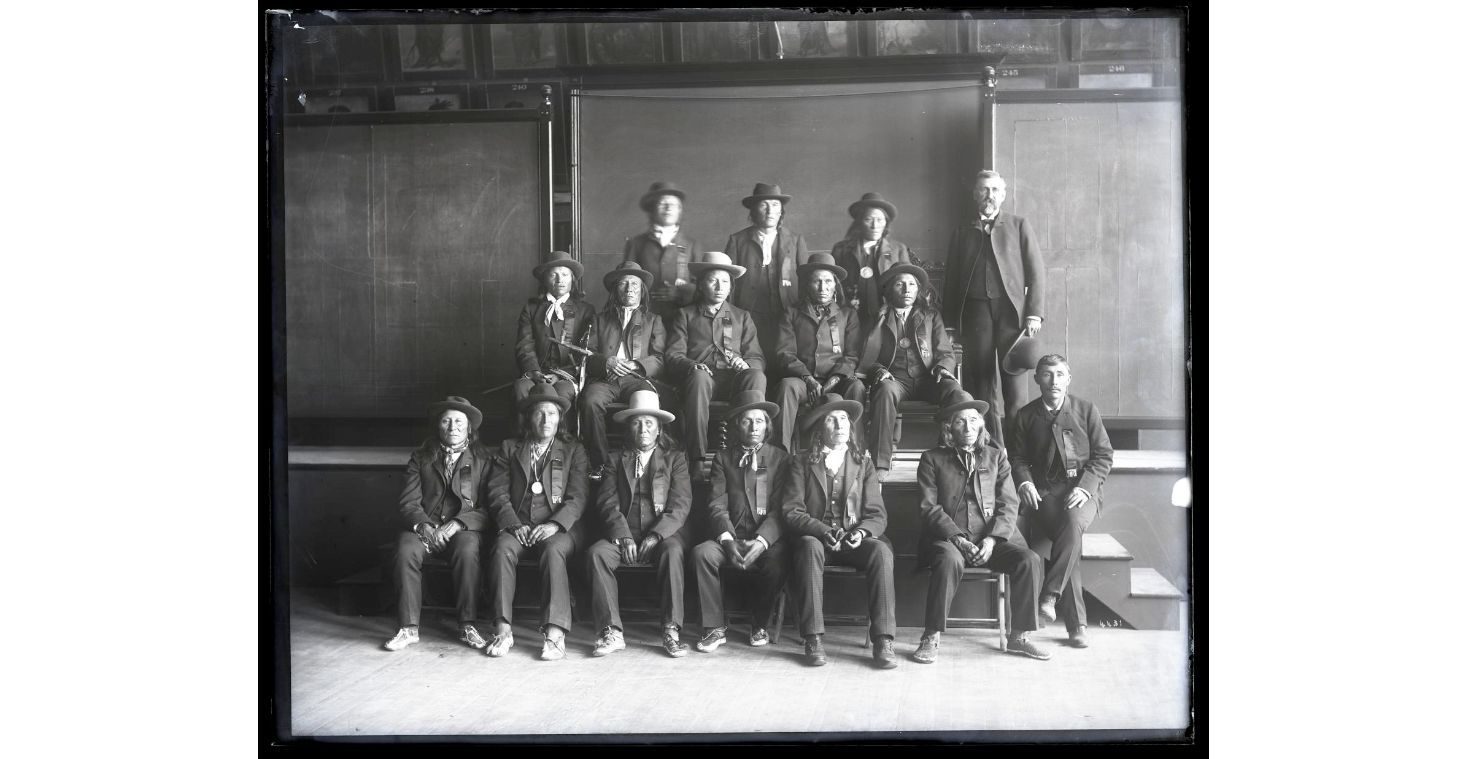
An 1888 group portrait of the Dakota Delegation in the lecture room of what was then the United States National Museum.
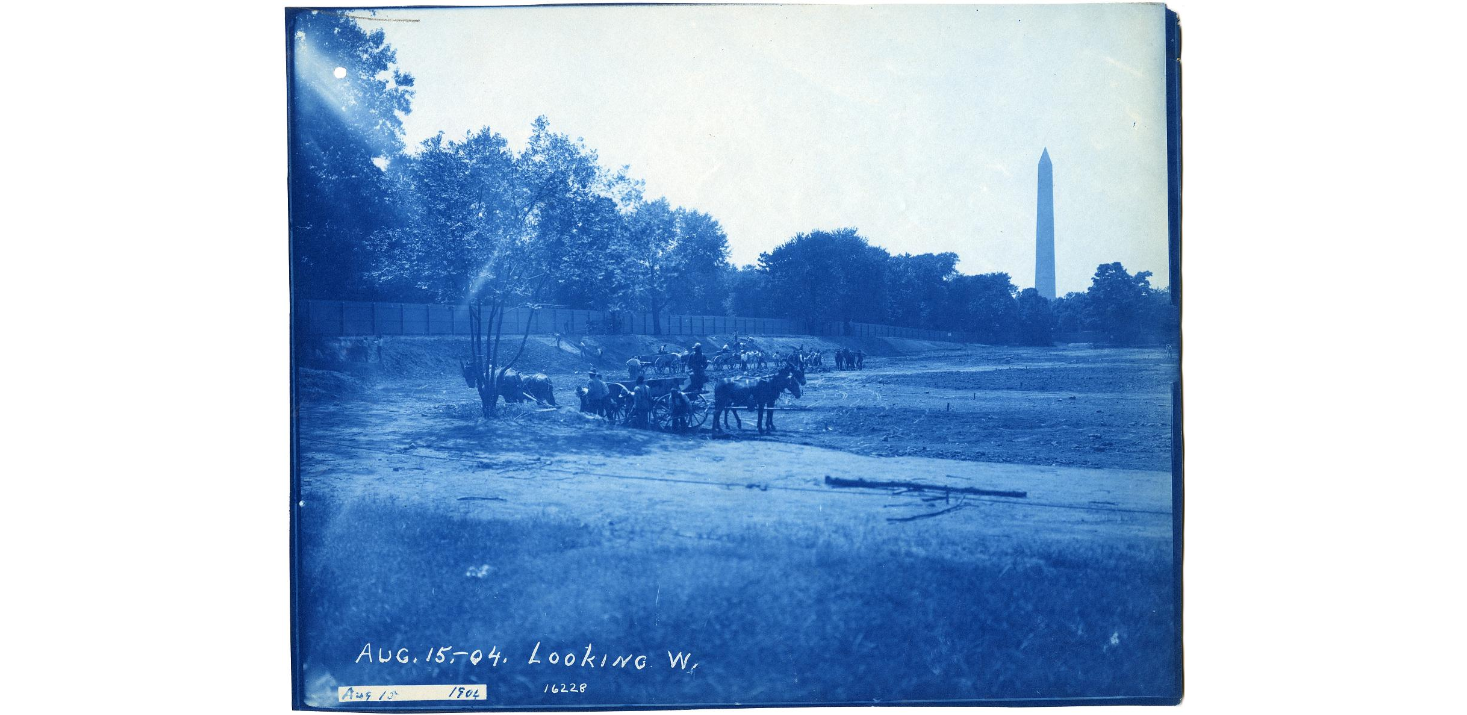
Looking west towards the Washington Monument, this 1904 photo shows laborers and horse-drawn wagons at the construction site of the National Museum.

The groundbreaking ceremony for the National Museum.
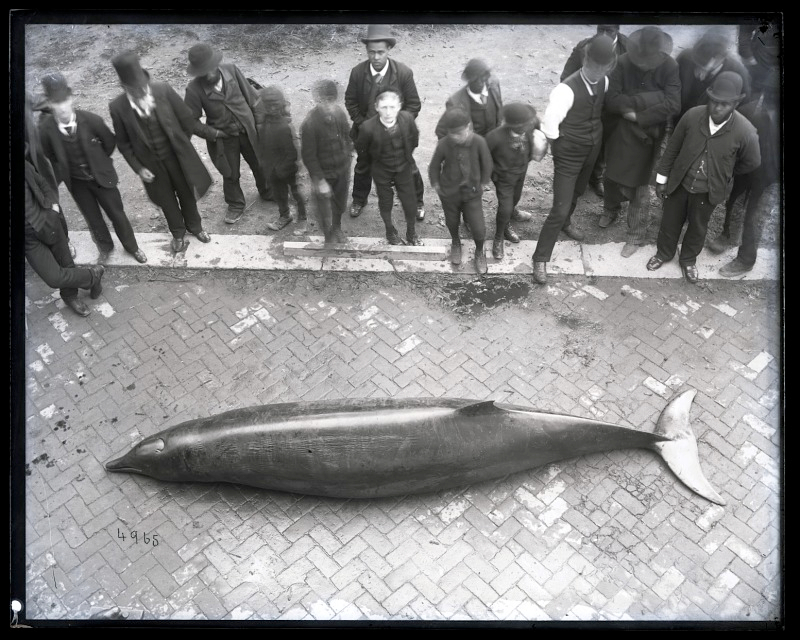
A crowd gathers around a beaked whale outside the National Museum in 1889.
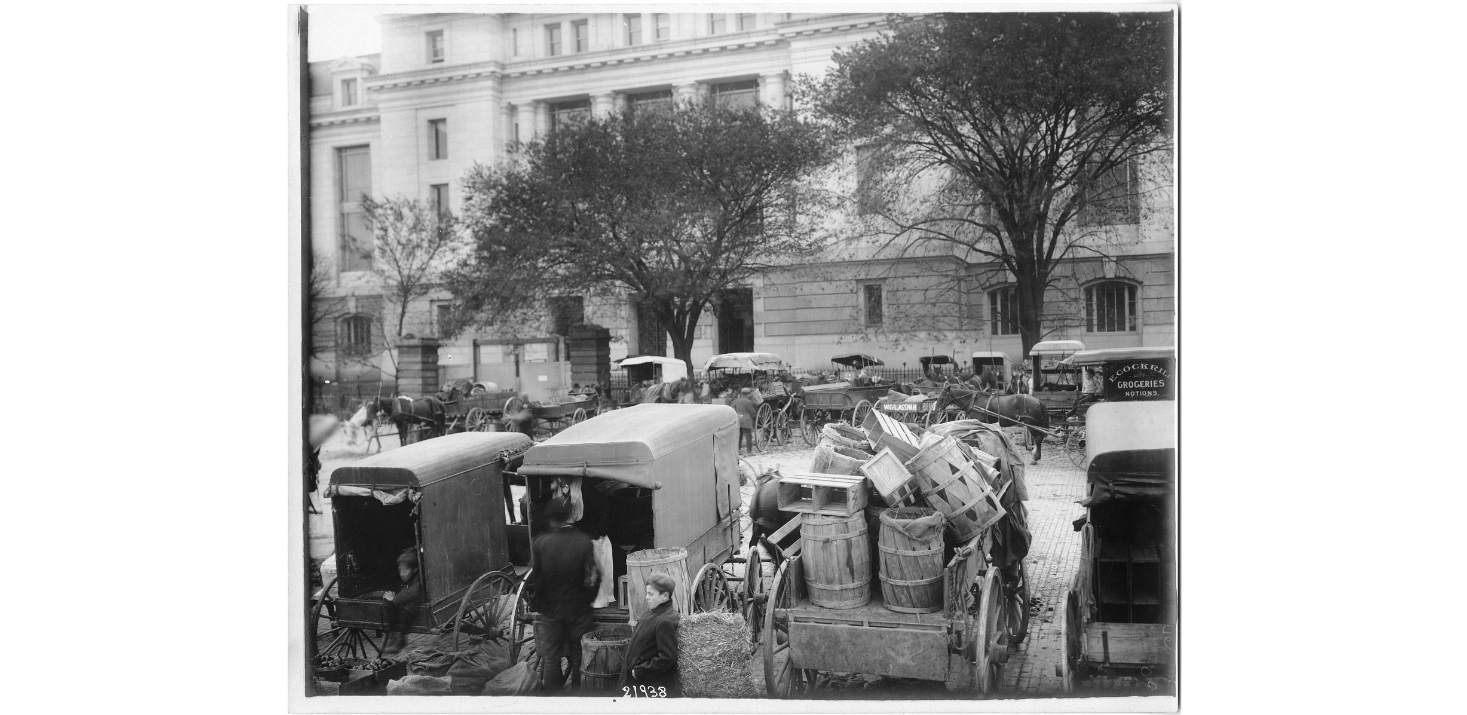
Street vendors at the Central Market outside the National Museum in 1909.
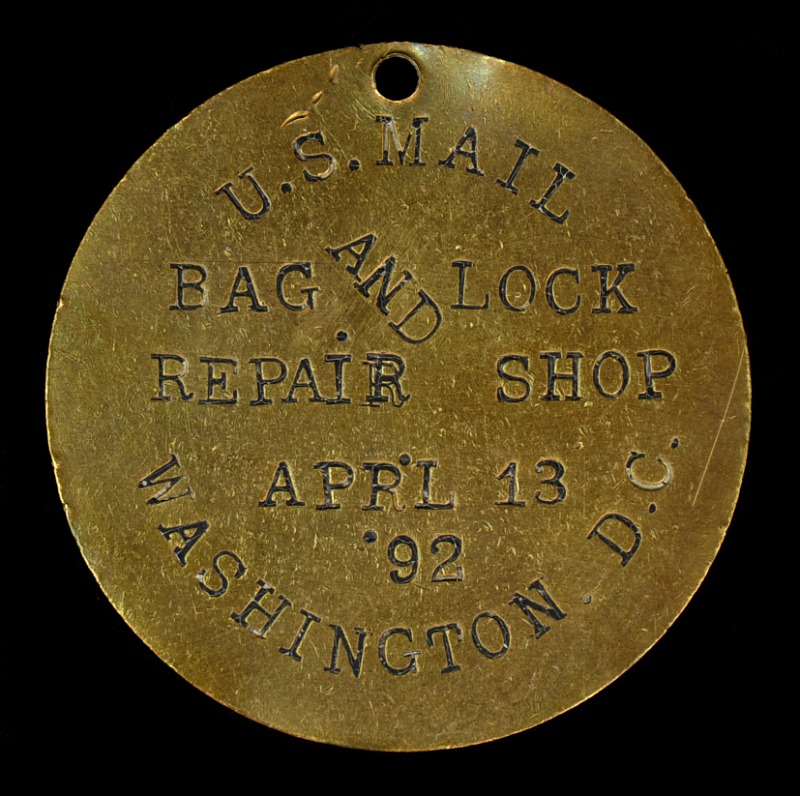
This dog tag belonged to Owney, an adorable mutt who became the unofficial mascot at a post office in Albany, NY, and later traveled the country on Railway Post Office trains, collecting tags at each stop. This tag was gifted to Owney in 1892 by the workers at a mailbag repair shop on C Street, NW in D.C, where 200,000 bags were repaired monthly. Women employed at the shop made 3.5 cents a bag, while men were paid $50 to $75 a month.
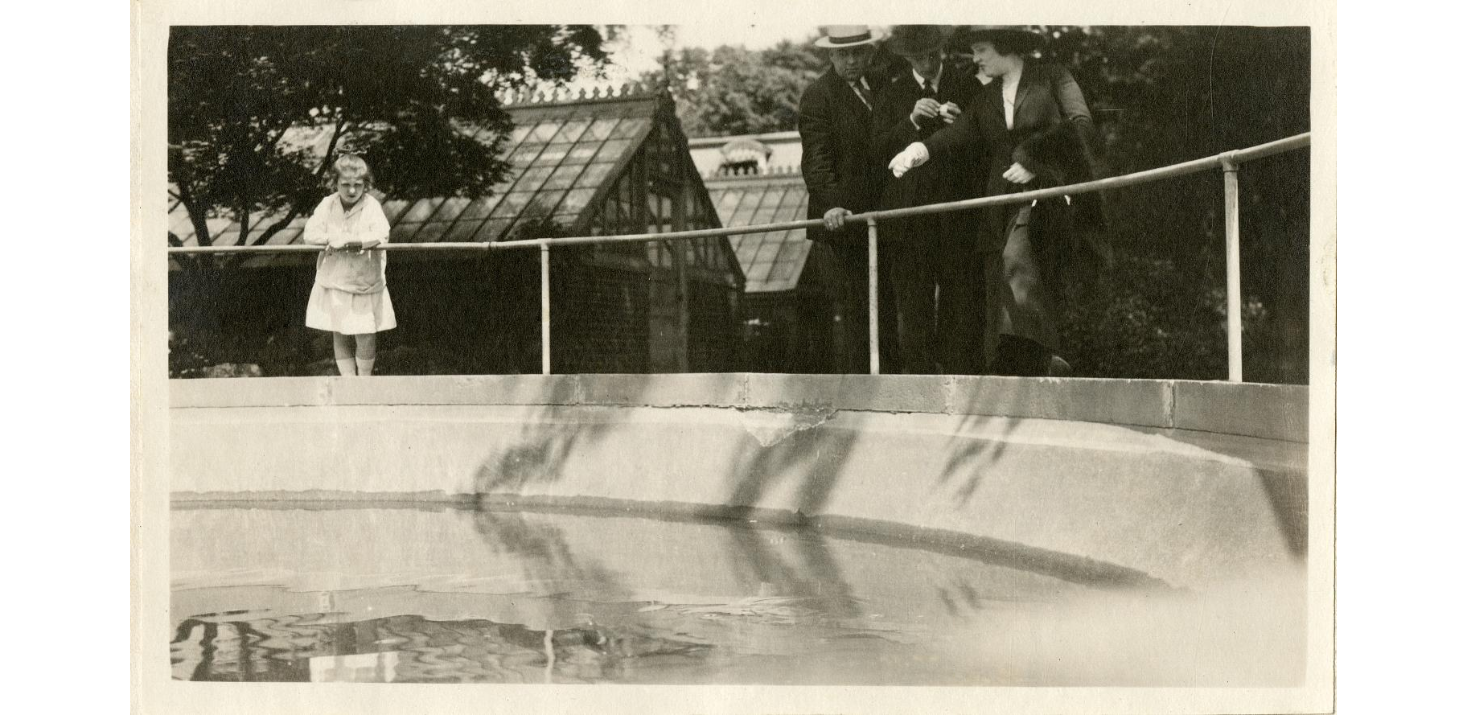
Views of the National Zoo in 1919.
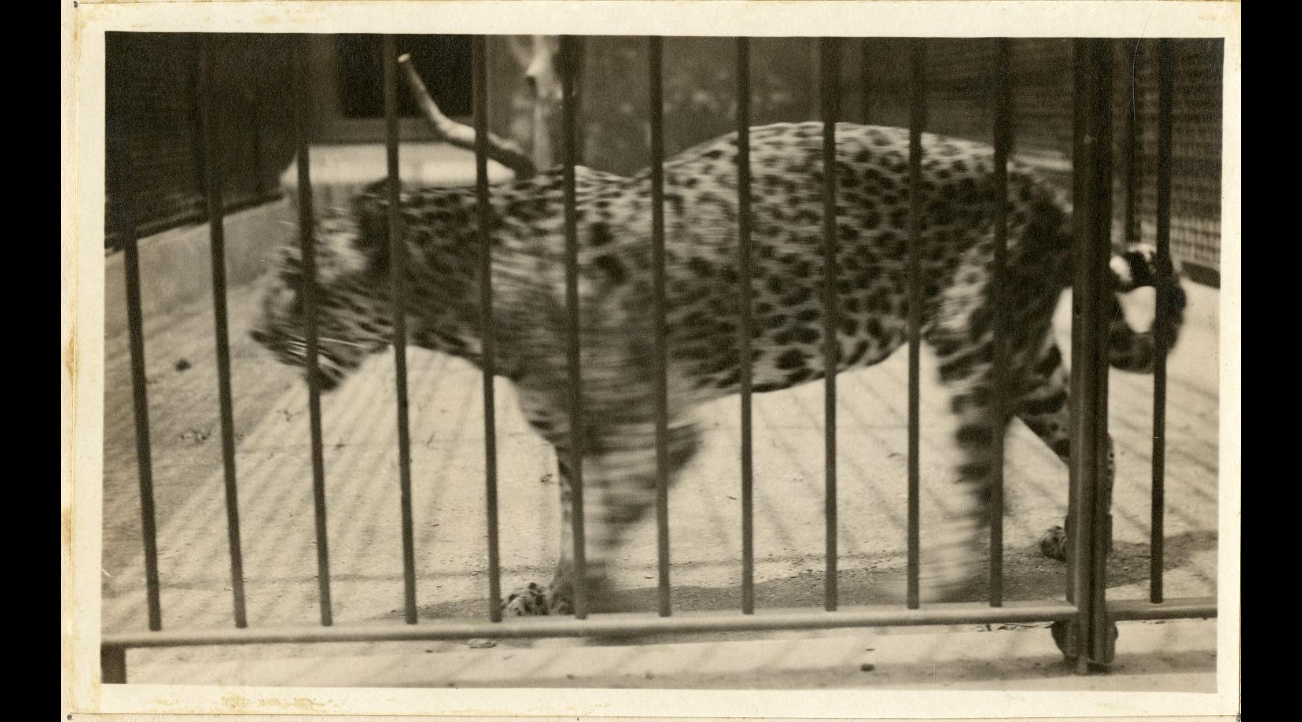
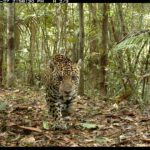
A jaguar at the National Zoo in 1919.

A pinback button promoting the arrival of the National African American Museum from 1995. After a decades-long effort, the National African American History and Culture Museum finally opened in 2016.
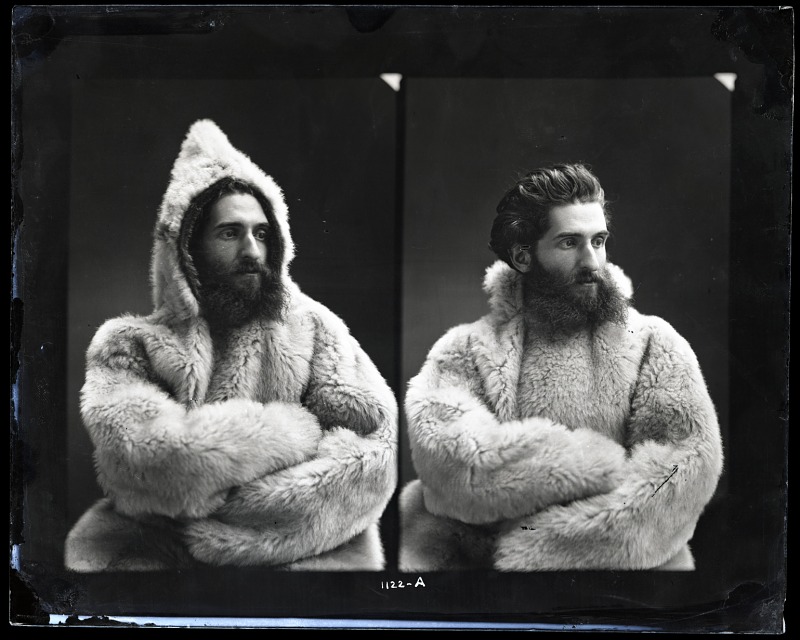
Also in the search results: a stereograph portrait of an unidentified Smithsonian staff member modeling a hooded fur coat from the Department of Anthropology collections in the 1880s.